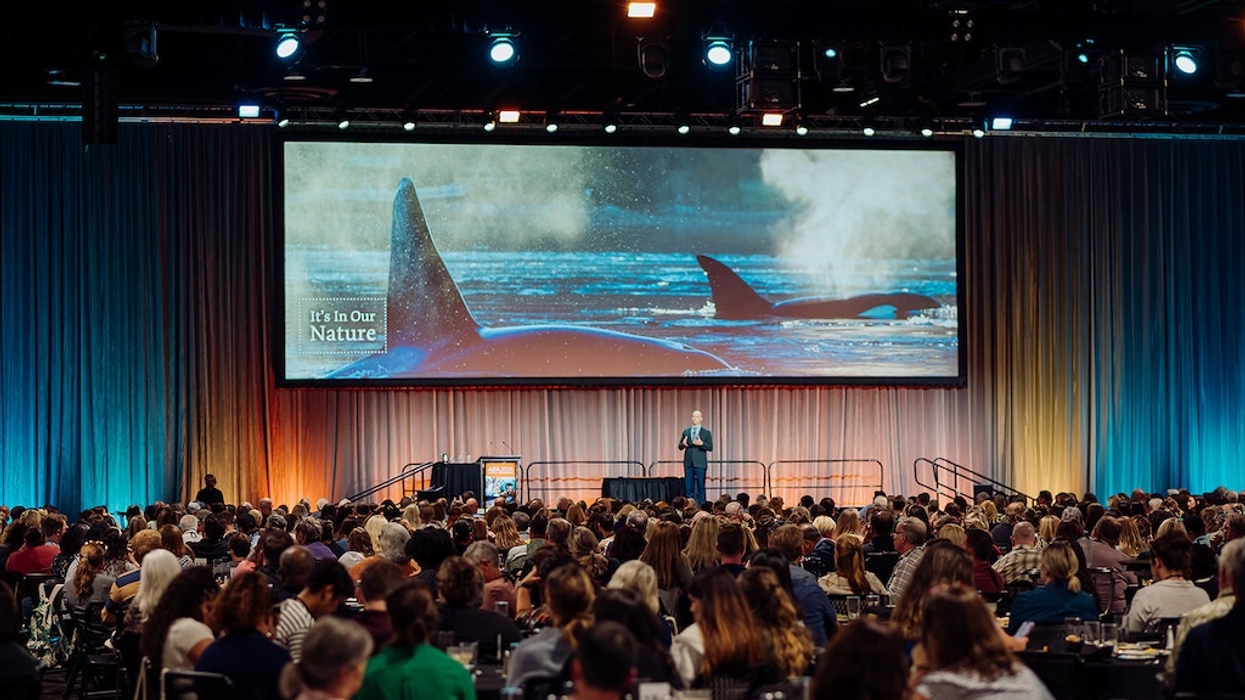
The natural world is currently experiencing a biodiversity crisis, with habitats deteriorating, communities competing with wildlife for resources, and essential populations declining. To address these challenges, the Association of Zoos and Aquariums (AZA) launched the Saving Animals From Extinction (SAFE) initiative.
AZA SAFE protects wild populations, rebuilds habitats, and brings communities together worldwide to save wildlife and wild places.
With more than 55 species programmes on five continents and across our oceans covering hundreds of species, AZA aquariums and zoos are working beyond the physical footprint of their facilities to help threatened and endangered species.
In a new series of videos, AZA SAFE is exploring its conservation impact through three distinct themes: Habitat, Community, and Population.
To understand what this looks like on the front lines, we spoke with three subject matter experts leading AZA SAFE programmes for coral reefs, Andean highland flamingos, and the American red wolf.
Habitat: guardians of the reef
From reforesting landscapes in Malaysia to spawning corals for Florida's reefs, AZA SAFE is helping to stabilise and improve vital wildlife habitats.
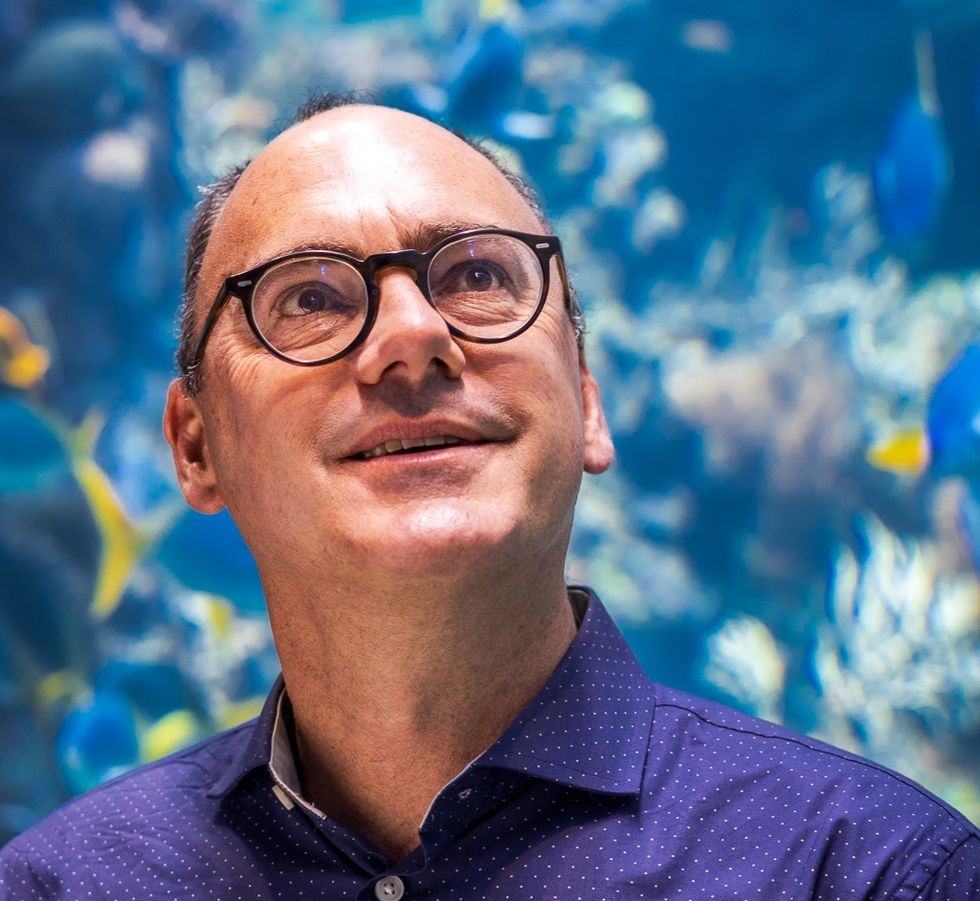
Bart Shepherd, programme leader for the AZA SAFE Coral programme
Corals are the foundation of marine ecosystems, but they are increasingly described as ecosystems in crisis. Bart Shepherd, programme leader for the AZA SAFE Coral programme, focuses the programme's work on the habitats of Florida and the Bahamas.
The current status of coral reefs in the tropical western Atlantic is dire. "In particular, in the Caribbean, the populations of coral now have declined to such a point where the adult colonies are few and far between," Shepherd says.
The threats to these populations are compounding and relentless:
"They've been suffering from a series of diseases and habitat perturbations that go back almost my entire life, to the 70s and 80s, and those have just been compounded in recent years by these more severe and more frequent warming events," says Shepherd.
Reefs are battling historic disease, recent disease, algae overgrowth from fertiliser and nutrient runoff, coastal development, unsustainable fishing over many decades, and the very real impacts of climate change.
"By and large... a lot of the reefs in the tropical western Atlantic are in pretty sad shape," he adds, though he notes that isolated resilient reefs in places like Honduras and Bonaire give him hope.
The role of zoos and aquariums
Because wild corals are now so spread out, they're too far apart to actually be successful in terms of their mating, explains Shepherd. This makes habitat restoration an urgent priority.
AZA aquariums play a unique role in scaling solutions through partnerships and technological advances. One breakthrough has been utilising the coral's natural sexual reproductive cycle within aquariums.

Coral spawning, notoriously difficult in the wild, is made easier under lab conditions, opening the doors for "assisted evolution"
Image © Gayle Laird, California Academy of Sciences
In the wild, coral spawning is incredibly delicate and difficult to capture. Corals cue into ocean temperature for the season, the lunar cycle for the specific day, and the solar cycle for the exact hour.
"It may be something as specific as two hours after sunset on the sixth night after the full moon in August," Shepherd says. Field biologists are forced to scuba dive at night, hoping to catch the spawn, and then conduct science in rudimentary field laboratories.
However, AZA facilities have brought this process indoors.
"By bringing that approach into aquaria and having specially designed aquarium systems that simulate those natural cycles... we can spawn them on a Tuesday at 11 am, and then you have the whole day... to work with them in your facility," Shepherd explains.
This allows scientists to shift corals into spawning off cycle, speeding up the propagation process. It also opens doors for "assisted evolution," where scientists study whether pre-treating coral larvae with heat makes them more resilient adults, or crossbreeding isolated, heat-resistant populations.
Making connections
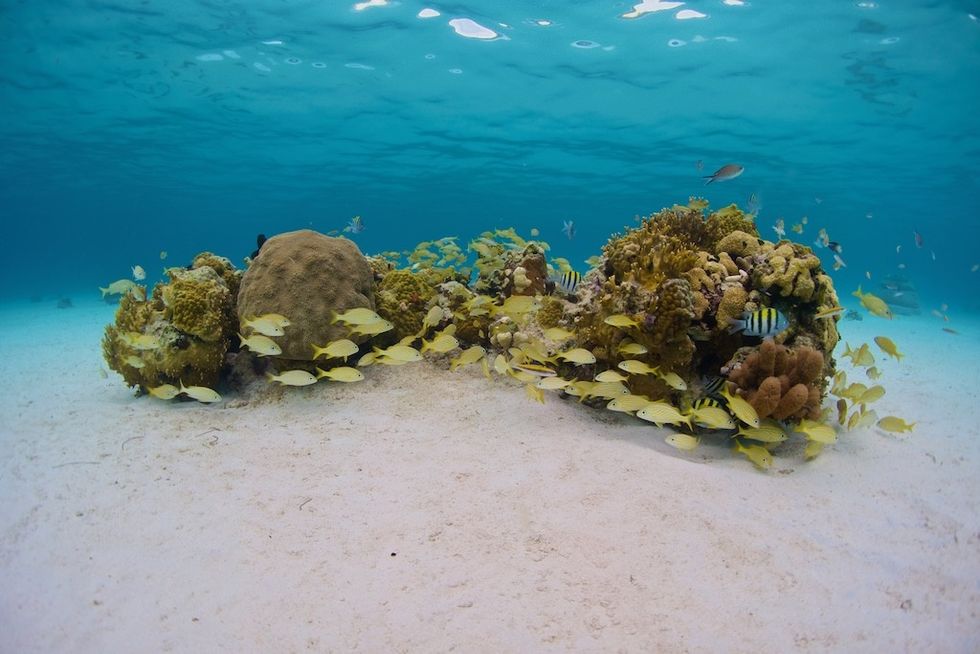
Underwater paradise: vibrant fish swarm colourful coral in the Bahamas
Image © Bart Shepherd, California Academy of Sciences
Ultimately, the goal is to get adult colonies back onto the reef to restore their natural sexual reproductive cycles. But aquariums also serve a vital social science role, says Shepherd:
"The hundreds of millions of people that come through our doors every year want to see and learn about animals and wild places."
Through initiatives such as the Talking Coral messaging toolkit, aquariums foster empathy and connect landlocked audiences to the impacts of climate change on distant reefs.
Community: local buy-in and protecting flamingos
From teaching children in India about sloth bears to educating youth in Chile about flamingos, AZA is inspiring communities to protect our natural world.
Dan Hilliard, PhD, AZA SAFE Andean Highland Flamingo programme leader, understands that true conservation is impossible without the buy-in of local communities.
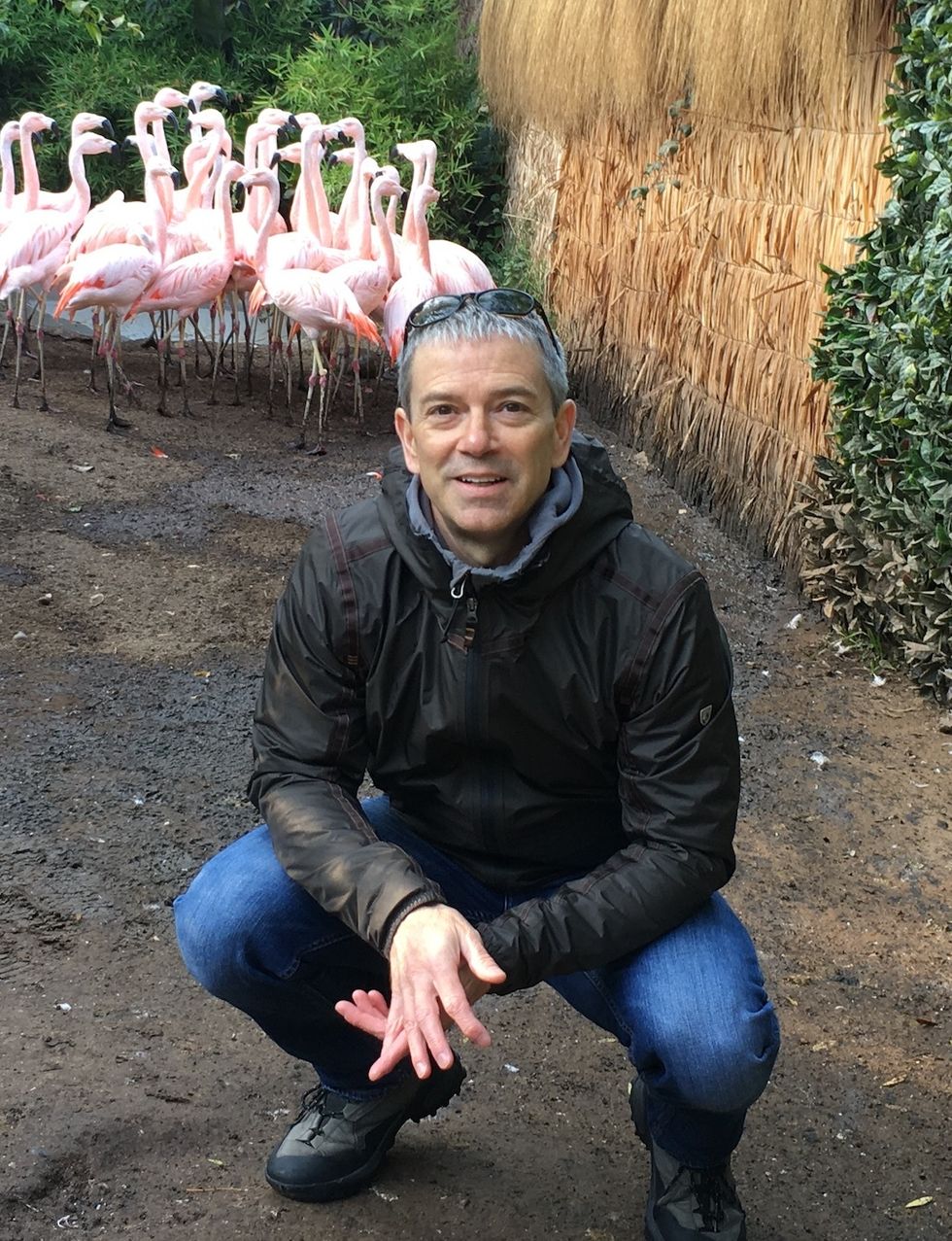
Dan Hilliard, AZA SAFE Andean Highland Flamingo programme leader, and executive director and COO of Zoo Conservation Outreach Group (ZCOG), in the Flamingo habitat at Zoológico Nacional de Chile
The term "Andean Highland flamingo" refers to three distinct species found in South America: The Andean flamingo, the Chilean flamingo, and the James's (or Puna) flamingo. All three are considered either vulnerable or near threatened.
While flamingos are often viewed as abundant, flamboyant "party animals" in zoo settings, their wild counterparts face a severe and highly complex threat: lithium mining.
To combat climate change, the global economy is transitioning away from hydrocarbons toward electric vehicles (EVs).
"If we're going to make that shift from a global hydrocarbon-based economy, we're going to need more materials that are used in EVs, and that is mostly lithium, and over half of the world's lithium reserves are found in the high-altitude salt flats (salars) of the South American Andes," Hilliard explains.
Flamingos feed, breed, and nest in "salars," which are salty pools and lagoons in the high Andes. Unfortunately, lithium extraction is an incredibly water-intensive process.
"When the water is removed, the lagoons dry up... and habitat is lost," says Hilliard, noting that climate change has also caused erratic rainfall in what is already among the driest habitats on the planet.
It is a complex scenario where global green energy needs directly threaten local biodiversity.
Zoos working hand in hand with communities
To protect these habitats, the SAFE programme operates the largest satellite-monitoring programme for flamingos in South America, tagging birds with solar-powered satellite transmitters to map their movements.
"If we can better understand flamingo movements and what areas they feed, breed, and nest in most, then we can present scientific data... to governments and stakeholders... to tell them, here's the most important flamingo habitat that needs to be protected," Hilliard says.
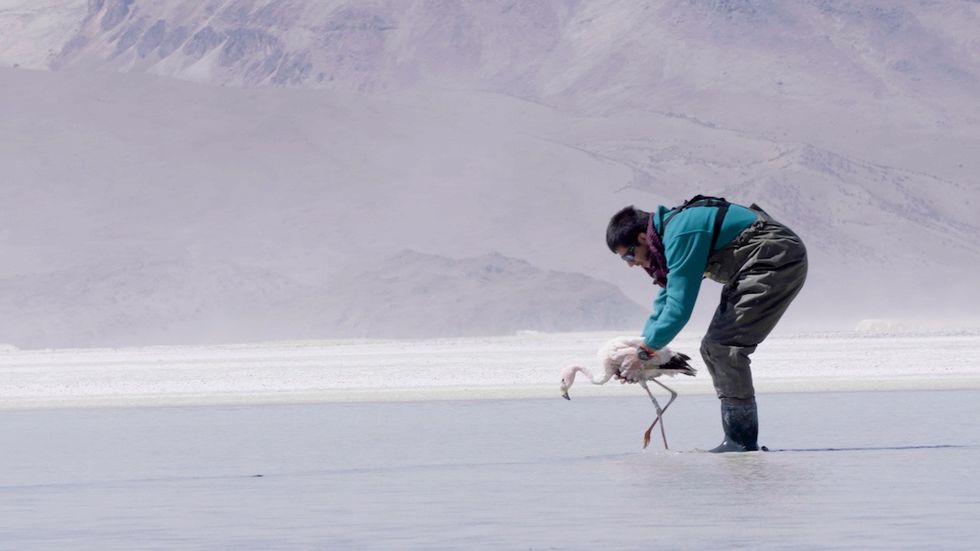
Release of GPS tagged James’s flamingo in Salar de Surire, Chile
Image © Zoológico Nacional de Chile
But data alone isn't enough; community engagement is paramount.
Through the SAFE programme, AZA institutions fund school programmes in Chile, where children living near flamingo habitat learn about the biology, ecology, and indigenous cosmology of the birds and become "Flamingo Guardians" and "Community Ambassadors."
One of the programme's most fascinating community successes involves interpretive, educational signage along a newly created Ruta del Flamingo (Flamingo Route).
Originally, North American partners envisioned installing standard didactic zoo signs instructing tourists: "Don't photobomb the nests, don't throw trash."
Instead, they funded a series of workshops for three distinct local stakeholder groups to design their own messaging. Range country partners from the National Zoo of Chile and Fundación MERI led the workshops with funding from AZA's SAFE Granting Program.
The results were remarkable. The townspeople, reliant on tourism, designed signs that focused on the ecosystem and proper tourist behaviour, such as using binoculars. The park interpreters focused heavily on natural ecology and the science of the food web.
Meanwhile, the indigenous community took a completely different approach.
"The indigenous community focused almost exclusively on the importance of the flamingo as a cosmological symbol of their worldview, and how all life was to be respected and had a place in the biological mechanism that is planet Earth."
The impact
This community-led approach honours all stakeholders, from tourism operators to indigenous groups to lithium mining families.
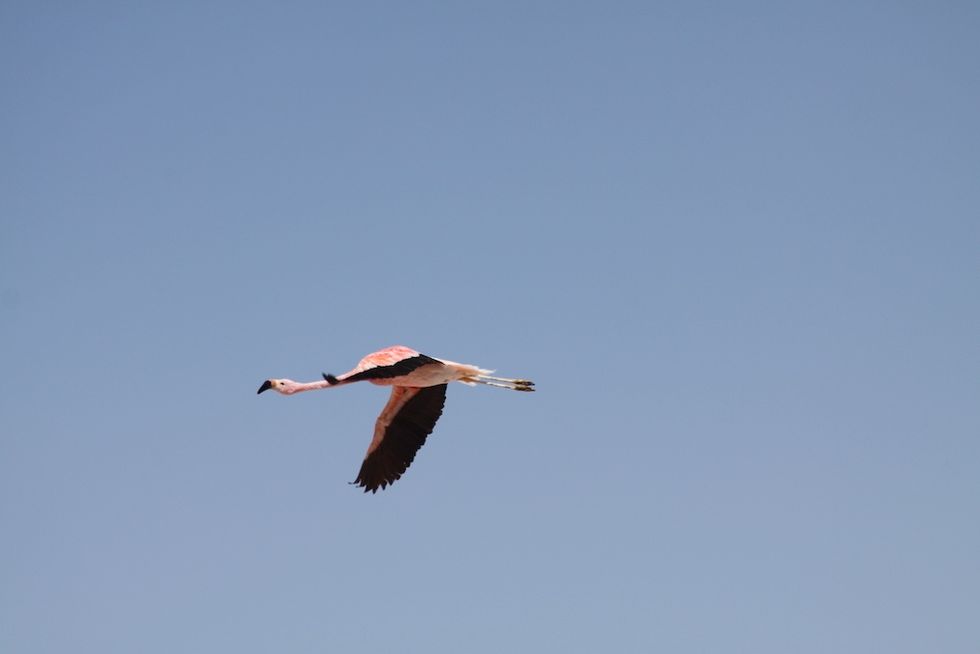
An Andean flamingo, one of the species that the AZA SAFE is working to protect
Image © Zoológico Nacional de Chile
By working alongside local governments and philanthropies, the AZA SAFE programme ensures that conservation is a collaborative, diplomatic effort.
Back in the United States, AZA facilities also partner with a Louisville, Kentucky -based company called Eco-Cell to encourage zoo visitors to recycle their old cell phones.
This recovers trace amounts of lithium and heavy metals, slowing the technology cycle and redirecting funds back into flamingo conservation.
Population: saving the American Red Wolf
From monitoring African vultures in Kenya to re-establishing Red Wolves in North Carolina, AZA members are expanding and stabilising wildlife populations worldwide.
The American Red Wolf represents one of the most dramatic population recovery efforts in human history. Regina Mossotti, SAFE programme leader for the American Red Wolf, notes that this species is "solely native to the United States" and is a true "national treasure."
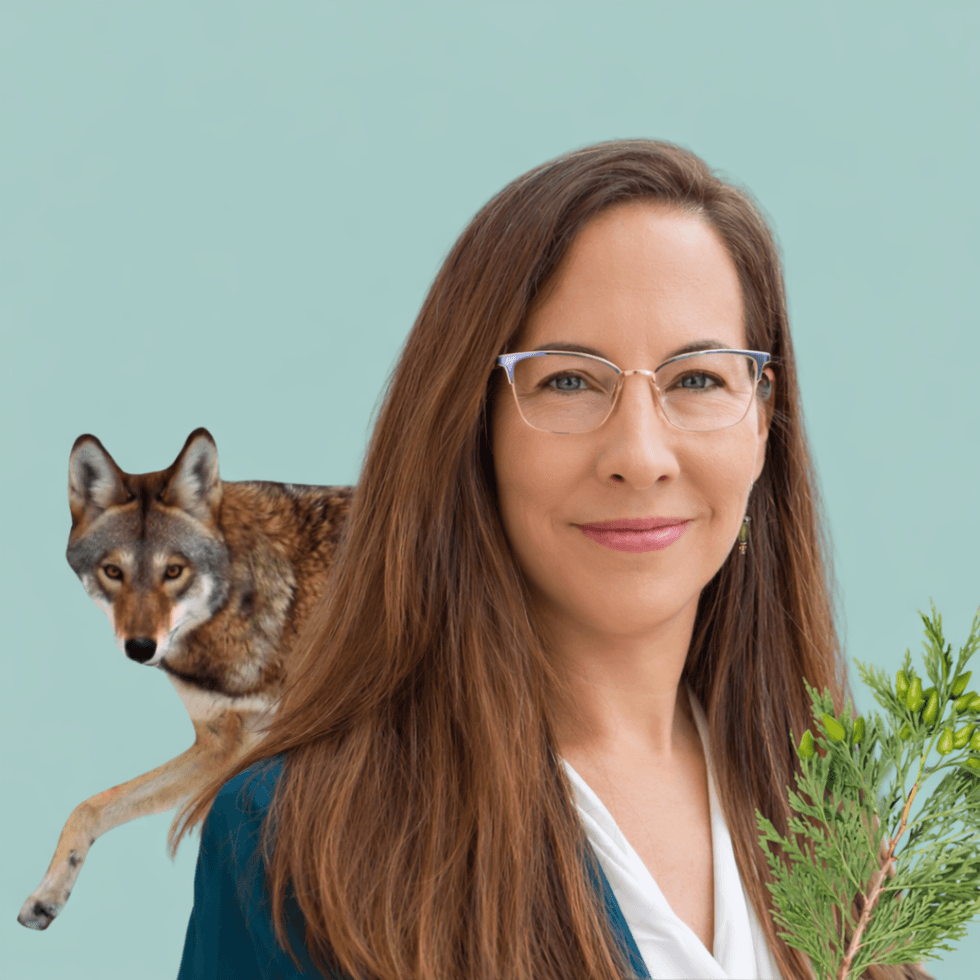
Regina Mossotti, SAFE programme leader for the American Red Wolf and vice president of animal care at the Saint Louis Zoo
The American red wolf is "probably one of the most endangered, if not the most endangered, land mammals on the planet," with only about 25 to 40 individuals left in the wild, according to Mossotti.
In the 1800s and early 1900s, large carnivores were targeted for elimination, and by the 1970s, the species was on the brink of extinction. Today, the primary threats are human-caused.
One of the greatest challenges wolves face is fear from misinformation that is shared. A great example of this is the portrayal of wolves in cultural myths such as Little Red Riding Hood and The Three Little Pigs.
"If we fear something, we don't want to save it," Mossotti explains, noting that Red Wolves are actually "extremely shy... they just want to live their lives."
Vehicle strikes are another massive threat. "As much as I wish wildlife could read traffic signs, they can't," she says.
Furthermore, coyotes recently expanded into North Carolina, leading to a hunting season. Because it is difficult to tell a 25-pound coyote from a 75-pound red wolf at night, wolves were accidentally being shot by hunters.
This led to a devastating political and legal battle around 2012, fuelling more disinformation, which crashed the wild population from a high of 150 animals back down to roughly a dozen.
How AZA SAFE is bringing about change
Without zoos, the American Red Wolf would be entirely extinct.
When the US Fish and Wildlife Service realised the species was vanishing in the 1960s and 70s, it captured the remaining Red Wolves in the wild and at by then only 14 wild Red Wolves were left. They brought them to zoos to start a breeding programme with the goal of future reintroduction.
Today, 50 zoological partners across the US meticulously manage the population's genetics and behaviour.
"It's almost like we have a computer dating service," Mossotti says, explaining how they match genetic profiles to maintain genetic diversity and health from that severe 14-founder bottleneck.
Zoos raise the wolves with extreme care to prevent habituation to humans.
Wolves are naturally shy, which helps keep them safe when released, so it is imperative to maintain that and other natural behaviours. Wolves are kept in large habitats, fed native prey like deer and feral hogs, and are allowed to raise their own puppies in multi-generational packs.
But the most innovative conservation tool zoos utilise is "pup fostering". While releasing adult wolves works, it also takes time for them to establish territories and get used to their new environment and to being wild.
Fostering allows zoos to sneak zoo-born puppies directly into the dens of wild wolf packs.
"When wolf pups are born, their eyes are closed, their ears are closed, they are so helpless... they are like tiny potato-sized pups," Mossotti explains. Within the first two weeks of life, biologists take a few genetically diverse pups from a zoo litter, travel with them to the wild, and sneak them into a wild den.
Before placing them in the den, the biologists rub them with dirt from the wild den to help them smell like the wild pups so they can blend in more easily.
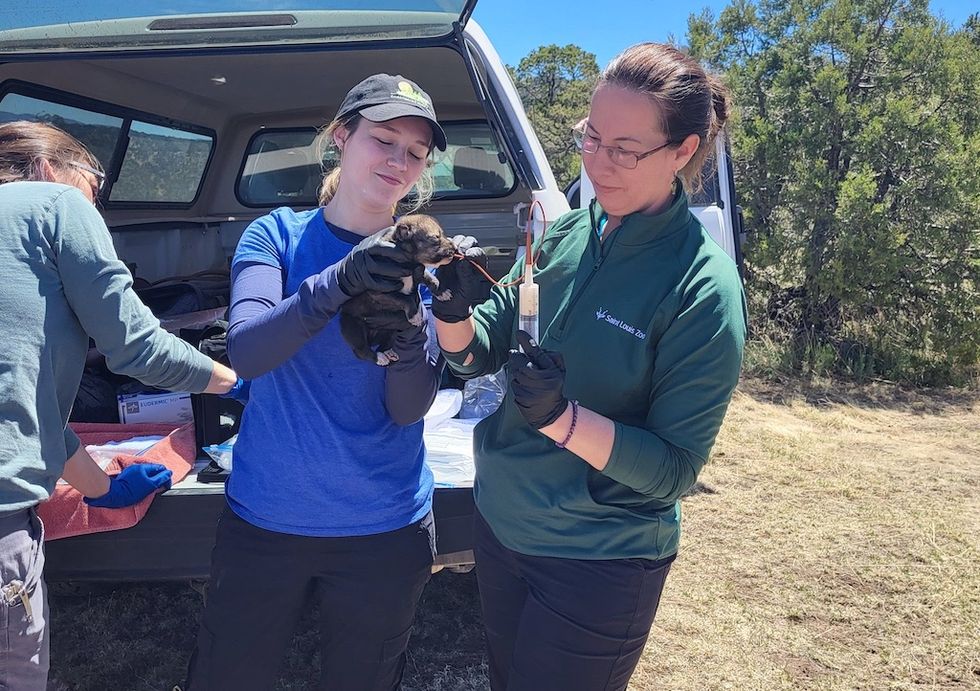
The St Louis Zoo team releasing a Red Wolf pup into the wild as part of the AZA SAFE programme
"Those wild mom and dad who already know how to hunt, who already have a territory established, they get to raise those pups as their own and teach them all those wild skills," she says, noting a staggering survival rate of over 90% for pups being successfully adopted by the wild parents.
Red Wolf parents are very caring and want to nurture pups.
To protect these growing wild populations from cars and hunters, SAFE partners have implemented practical on-the-ground innovations.
They placed reflective orange GPS collars on the wolves to increase nighttime visibility and warn hunters not to shoot. They successfully lobbied the governor to install "Endangered Red Wolf Habitat" highway signs that encourage drivers to slow down.
A wider effect
Red Wolves are a keystone and umbrella species.
"They impact everything around them; they help keep the ecosystem in balance and healthy," Mossotti says. By saving the Red Wolf and protecting the large tracts of land they require, conservationists are inadvertently protecting songbirds, pollinators, and countless other species from deer overgrazing.
After the devastating population crash in 2012, the community rallied. Today, the population is growing, and we are celebrating several recently born wild litters.
"The Red Wolf, to me, is just an example of how resiliency is important. Never give up hope," says Mossotti.
How to make a difference with AZA SAFE
The scale of biodiversity loss can feel paralysing, but the leaders of AZA SAFE emphasise that individual actions matter profoundly.
For habitat restoration, Shepherd argues the most critical action is political: "The most important thing you can do is vote for the environment. If this is a priority for you, let that play into your mind when you go into the ballot box."
To protect communities and habitats in the Andes, Hilliard challenges consumers to recognise their global footprint. He urges people to slow down their technology cycle and recycle their old electronics.
"We want people to have a better understanding of their role as consumers, that their consumer choices have an impact on wildlife conservation," he says.
Meanwhile, for population recovery, Mossotti stresses the power of advocacy. "Share the knowledge that you have learned… that wolf families are like ours, that they are shy, and that they are important for the health of our environment.
"Spread hope and share that there are good people out there working hard on the ground, because when you share information, you are helping to save Red Wolves," she says.
"Knowledge and hope are powerful tools to make positive change."
To ensure this work continues in perpetuity, AZA has launched a new matching campaign from 2026 to 2029.
Thanks to the support of JoEllen Doornbos, every donation to AZA SAFE will be matched dollar-for-dollar up to $250,000 per year for the next four years, to grow the JoEllen Doornbos Endowment for SAFE to $10 million by 2029.
By supporting the over 55 AZA SAFE programmes worldwide—whether by visiting accredited facilities, donating, or advocating for policy changes—we all play a role in protecting wild populations, rebuilding habitats, and supporting local communities.