Working at a Disney theme park is often seen as just a summer or temporary college job. To many visitors, cast members are the friendly faces on rides, sweeping Main Street, or serving food.
But for many former cast members, working at Disney has been more than that, serving as a starting point for successful careers in various industries worldwide, shaping future leaders.
From Broadway's high-pressure stages to leading one of America's most celebrated riverfront areas, former Disneyland employees often say their early park jobs helped them develop essential skills they use every day.
These stories illustrate how Disney's training culture can shape leadership skills that transfer far beyond the theme park industry. To understand how the Disney training methodology translates into global success, we speak with three Disney alumni:
Moira Conrad, wardrobe supervisor on Broadway’s Death Becomes Her; Cheryl Christensen, SVP of operations and programming at Tulsa’s award-winning Gathering Place; and Julio Badin, executive director for GGP Parks and 918 Security.
Across their careers, a pattern emerges: the magic of Disney leadership is deeply rooted in empathy, collaboration, patience, and a service-first mindset, leaving a lasting impact on those who work there.
More than a college job
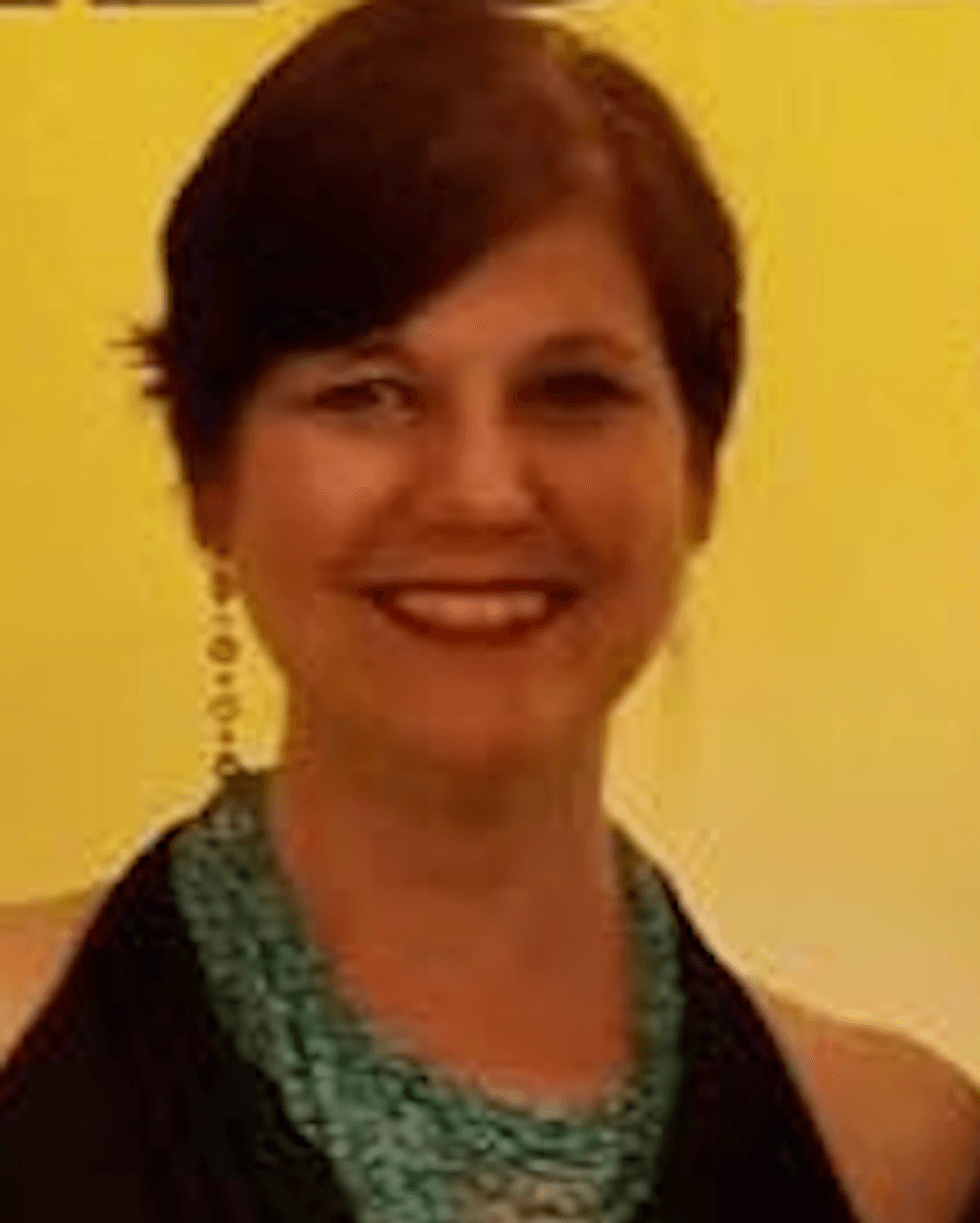
Moira Conrad, now wardrobe supervisor on Broadway’s Death Becomes Her, had her first job at Disneyland's Videopolis and Village Haus restaurant
For many young adults, entering the workforce is a daunting transition. When Moira Conrad was hired at Disneyland in 1985, she just wanted to work alongside her friends at the newly opened Videopolis and the Village Haus restaurant.
Growing up in Orange County, working at the park was almost a rite of passage; her brother, sister, and eventually even her retired father all worked at Disneyland.
However, looking back at her formative years, Conrad recognises that the environment offered much more than just a paycheck. "A lot of people consider Disney to be a 'college job’. I think it's almost written off as just a place to go and party. But it wasn't all that. It built a lot of interpersonal skills.”
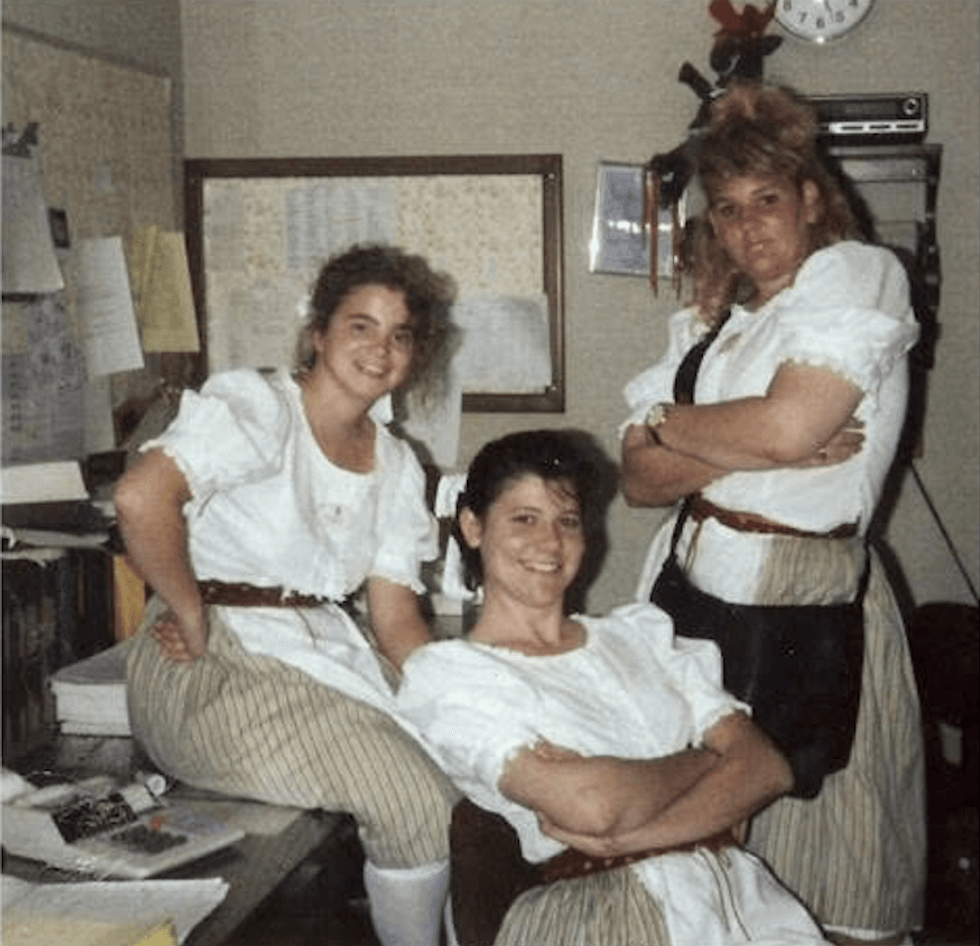
Conrad in her early Disney career with fellow cast members
At just 18, Conrad was promoted to a lead position at Village Haus, suddenly in charge of a crew of her peers and older, more experienced cast members. This early leadership challenge compelled her to develop management skills well before receiving formal business training.
"What I learned how to do at Disney was how to navigate around a crew of very different personalities, how to de-escalate situations between a guest and a cast member, or between two cast members," she recalls.
Crucially, it taught her the power of humility in leadership:
"I learned how to listen. I had people there who were older than me; they had been doing it longer. Rather than turning off and just saying, ‘Nope, my way, that's it,’ I learned to listen to people who had built more experience, who could teach me a different or better way of doing it.”
This fundamental lesson—that a title doesn’t give you exclusive rights to good ideas—is a key aspect of Disney's operational philosophy.
A service-first approach
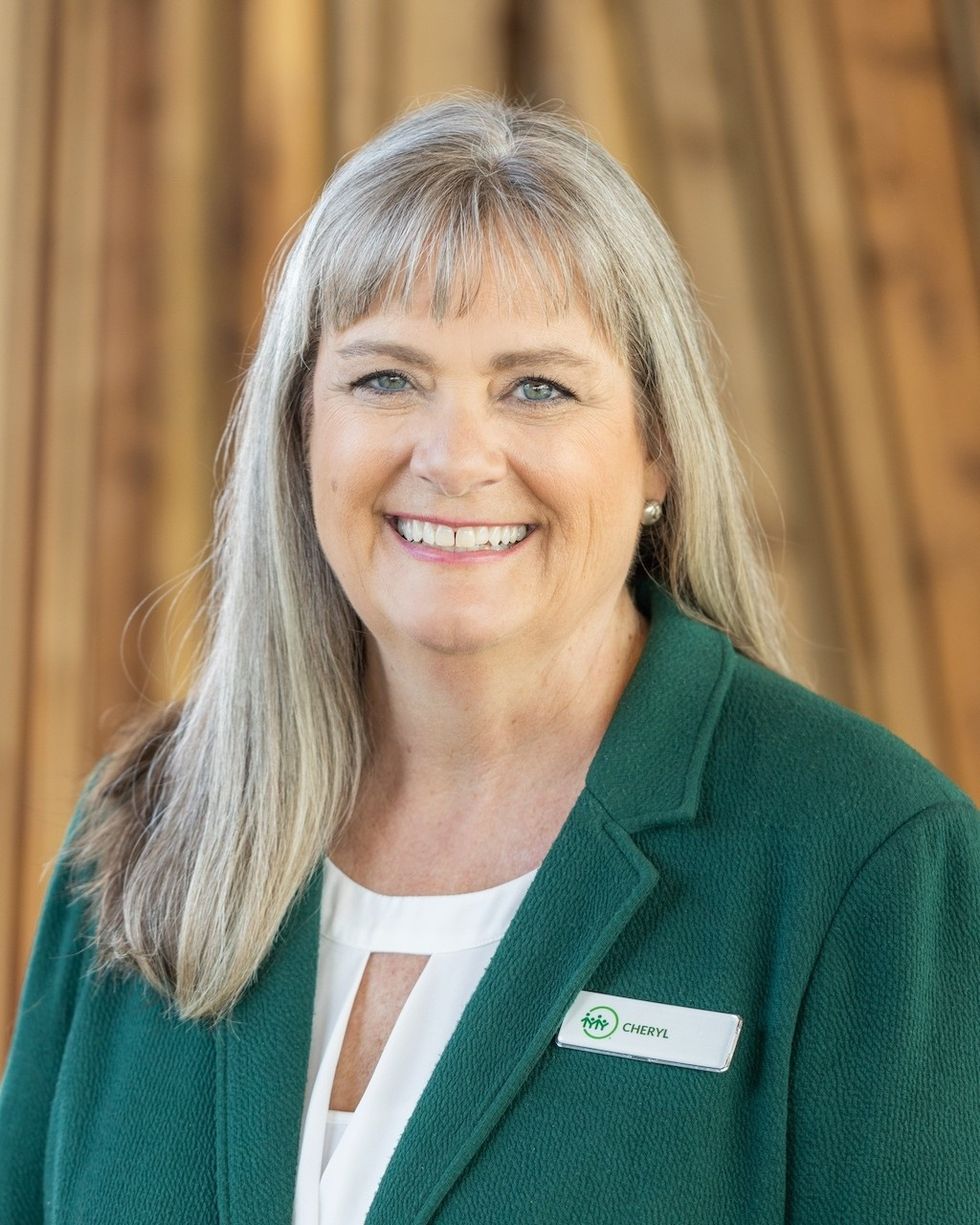
Cheryl Christensen, now SVP of operations and programming at Tulsa’s award-winning Gathering Place, began her career as a busser at Disneyland
Cheryl Christensen’s journey mirrors this ground-up education.
Today, as the SVP of operations and programming at Gathering Place, a 67-acre riverfront park in Tulsa designed as a recreational, civic, and cultural community destination, she oversees everything from horticulture and engineering to operations and educational programming.
But her career began with a broom and a dustpan.
"I considered it the privilege of starting in the custodial department as a busser.” For Christensen, this entry-level position was a masterclass in human empathy.
The reality of a theme park environment means that guests are not always experiencing pure magic; sometimes, they are dealing with physical discomfort, exhaustion, or embarrassment.
"In custodial, you're often with people truly in their most vulnerable states; they could be sick, they could have just spilt something and are embarrassed and don't want the attention to them,” she says.
"Knowing that we are there to eliminate any of that for them, and to make it comfortable for them, and to put their needs above our own is something that I learned in that first frontline custodial position.”
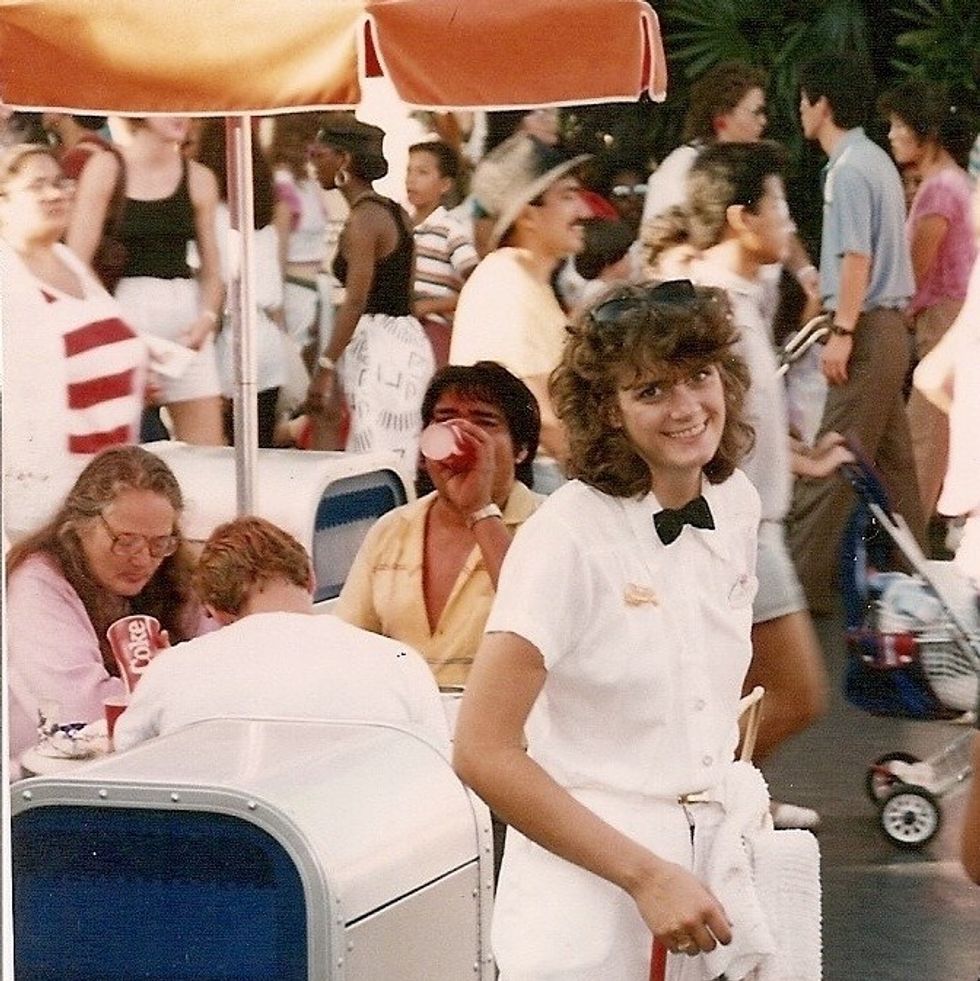
Christensen says her early career at Disneyland gave her the service bug
This shifted her perspective on the nature of work. It was no longer about the physical action of cleaning; it was about the emotional outcome for the visitor. "It gave me the bug that no matter what the task is you're doing, you're serving a higher purpose than wiping tables.
"You're providing guests with clean environments; you're giving them the opportunity to feel safe. The contribution that you're making goes beyond the task that you're performing.”
Many Disney alumni credit this shift from task-focused work to a purpose-driven mindset with influencing their leadership approach. For instance, Christensen took this ethos directly into her executive roles:
"Now it's not only for the guests, but it's for my team as well. How can I be in service to them? And what can I do to make their jobs easier? What can I do to eliminate barriers for them?"
A new way of thinking
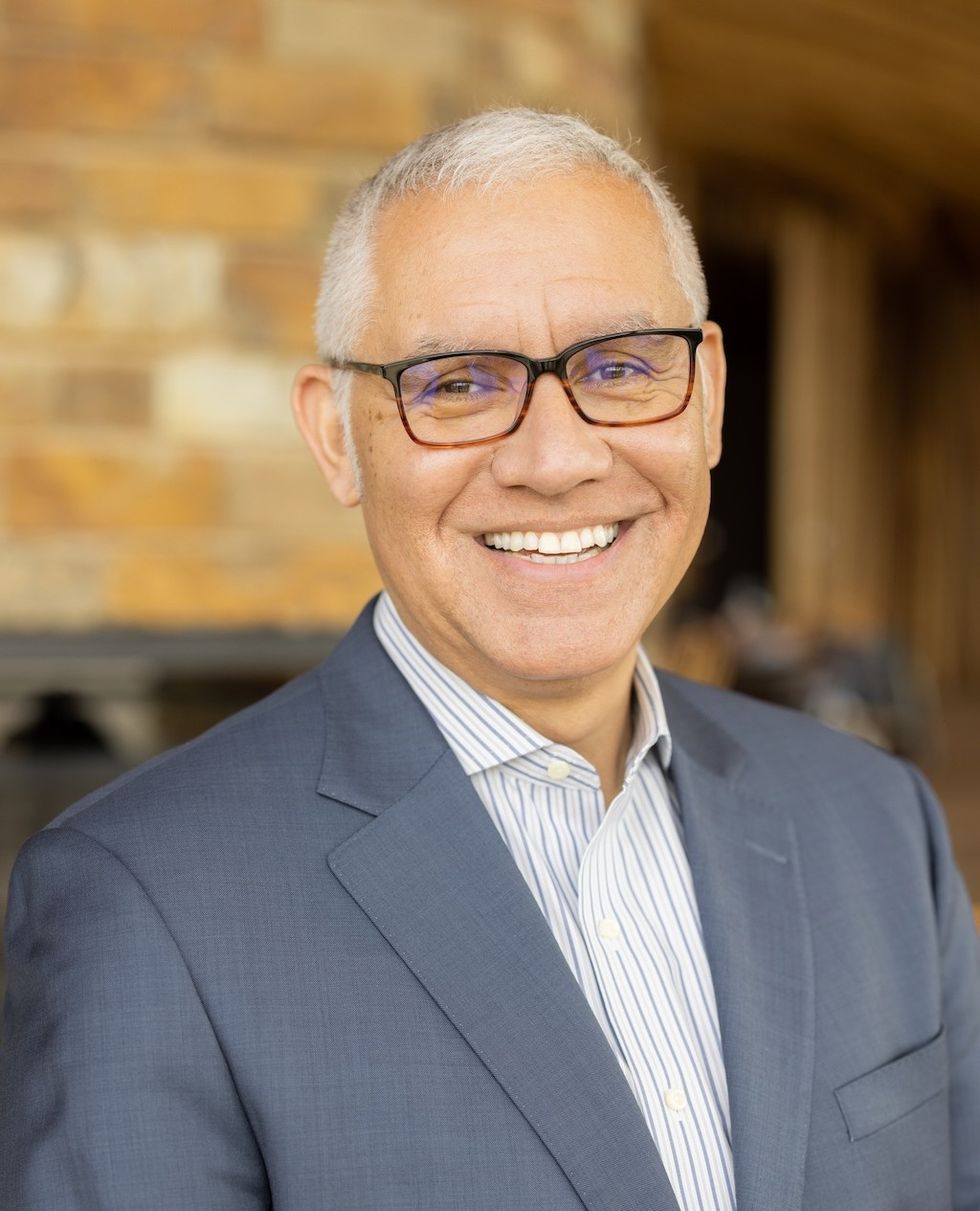
Julio Badin joined Disneyland later in his career, and found that his previous leadership approach was transformed
Not all Disney alumni began their careers as teenagers; some joined the company later and found the culture significantly changed their previous professional training.
Julio Badin, now the executive director for GGP Parks and 918 Security, managing Gathering Place, Guthrie Green, the LowDown jazz venue, and regional security efforts, originally came from the healthcare industry to Disneyland.
Badin, with a background in healthcare management, was used to a very different corporate setting. Landing a leadership role at Disneyland was a childhood dream, but the reality of the park's culture demanded a major personal and professional adjustment.
"The environment was so rich in culture. I was quite introverted in my approach, and my energy was all in the work I did," Badin reflects.
"I forced myself to learn how to be more Disney, because so much of what we do is on stage, and the guest is front and centre, which is such a powerful thing.”
Disney offered a clear contrast to his former industry. "The people I was working with in healthcare didn't think about their environment the same way; they just thought about transactions, whereas in the Disney approach it's all about the experience.”
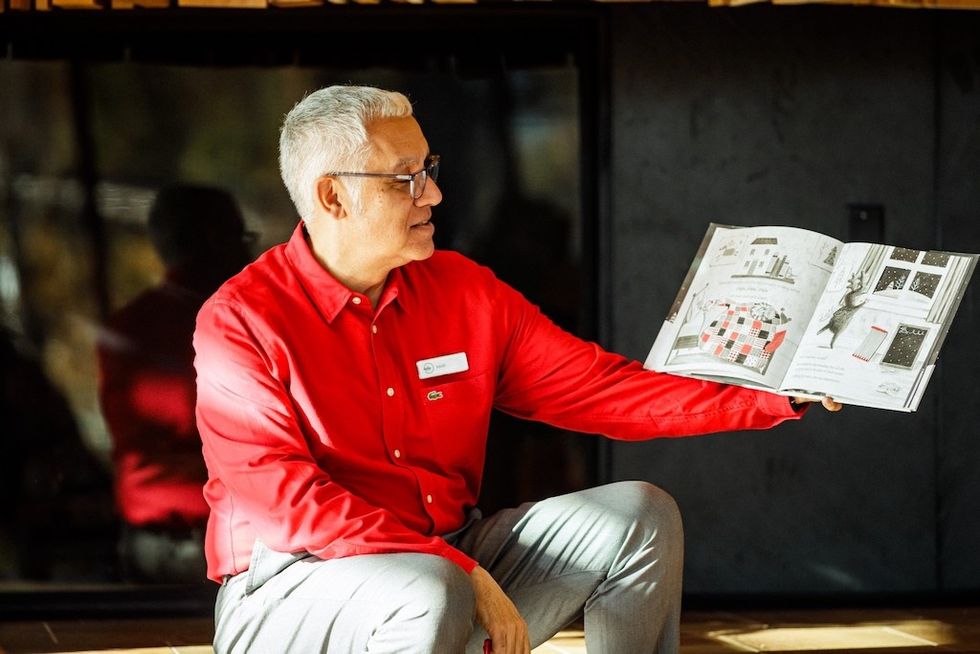
Badin says his Disneyland experience boosted his confidence as he took on an "on-stage" persona
This realisation was transformative. It required him to adopt an "on-stage" persona:
"It was my first foray into understanding how important the base experience is to drive everything you do," Badin says. "It's probably been the biggest impact of my career, because that approach is so powerful.”
He learned that moving beyond mere transactions to “a service and an experience" requires anchoring every action to a central mission.
The show must go on
At Disney, a key skill is the ability to keep the "show" going despite any internal stress or external chaos. This skill transitions seamlessly to other high-pressure entertainment settings.
Today, Conrad oversees complex, multimillion-dollar productions on one of the world’s most demanding stages.
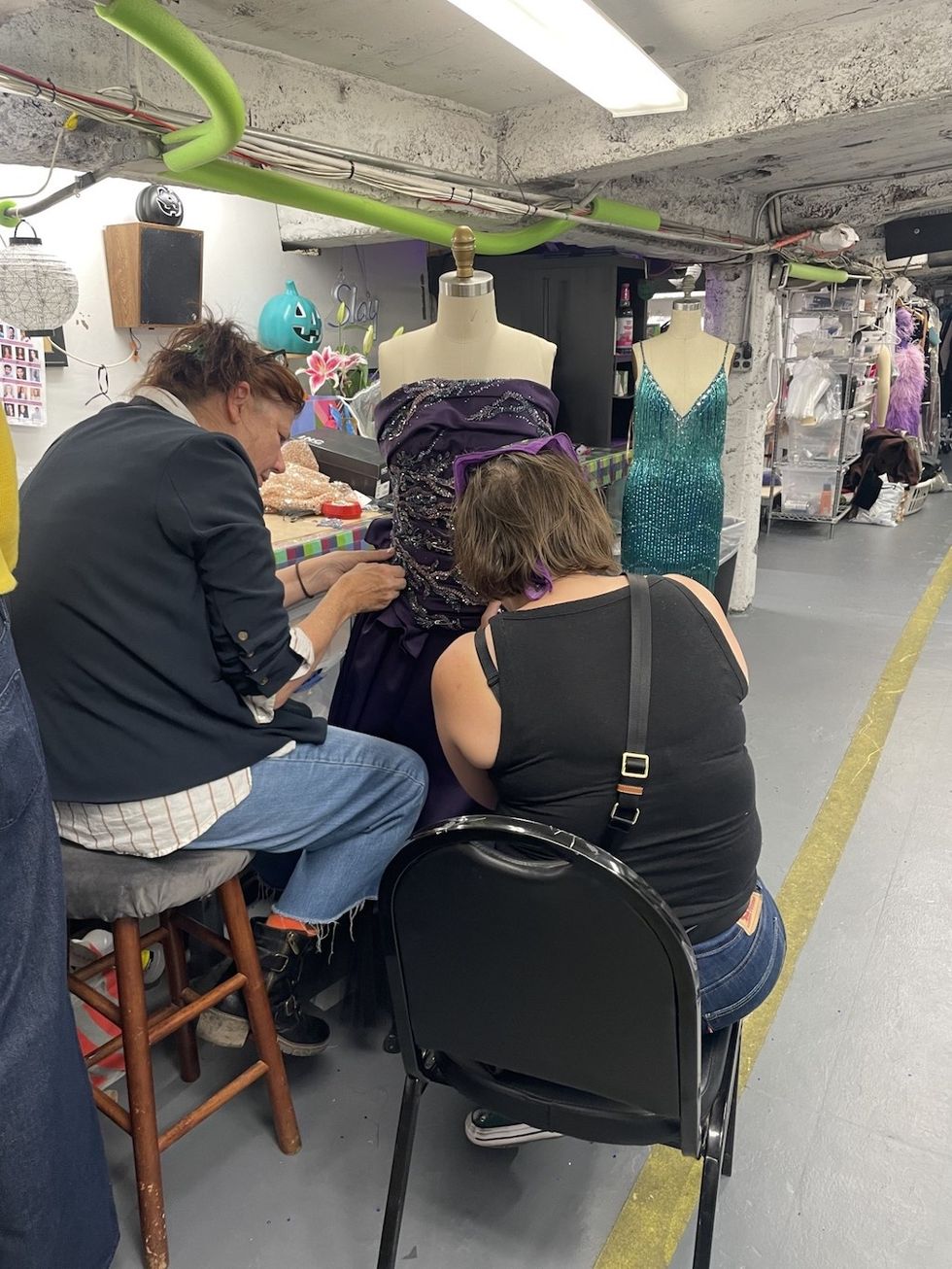
Conrad now runs a large wardrobe crew, and finds herself relying on her guest-service training to keep a calm atmosphere backstage
Running a 40-person wardrobe crew for a Broadway musical requires meticulous tracking of every garment moving around the theatre. During the "tech" process, which can extend over a month, Conrad receives numerous questions from her crew, the design team, producers, directors, and management.
The atmosphere can often be quite tense and exhausting. It is here, decades later, that Conrad relies heavily on the guest-service training she received as a teenager at Disneyland.
"When I say this is what I learned from Disney, I learned how to stay very calm, stay patient with everybody. It harkens back to being asked 150 times a day where the bathrooms are and when the fireworks show is.
"At orientation for Disney, we were taught that you answer it knowing that, for that person, it's the first time asking, even though you're answering it for the 150th time that day.”
This ingrained philosophy ensures that everyone on the team is treated with the same grace as a lost tourist on Main Street.
By creating an environment where people feel comfortable and safe asking questions, Conrad builds a department where "everybody feels like they have a voice," echoing her time as an 18-year-old lead, listening to her seasoned Village Haus crew.
The impact of top-down leadership
A common theme among Disney alumni is the rejection of strict, top-down leadership. Because Disney is so large and complex, no department can work alone.
Before joining Disney, Badin was accustomed to leaders who simply issued orders.
The Disney model proved that harnessing the collective expertise of an entire team yields superior results. "Why not take advantage of all this expertise around you?" Badin asks.
This revelation shaped his entire executive philosophy:
"The more you're able to let them be the best version of themselves in their leadership capacity, the better results you get… providing them with tools and resources, and getting out of their way enough, so that they can really do great work.”
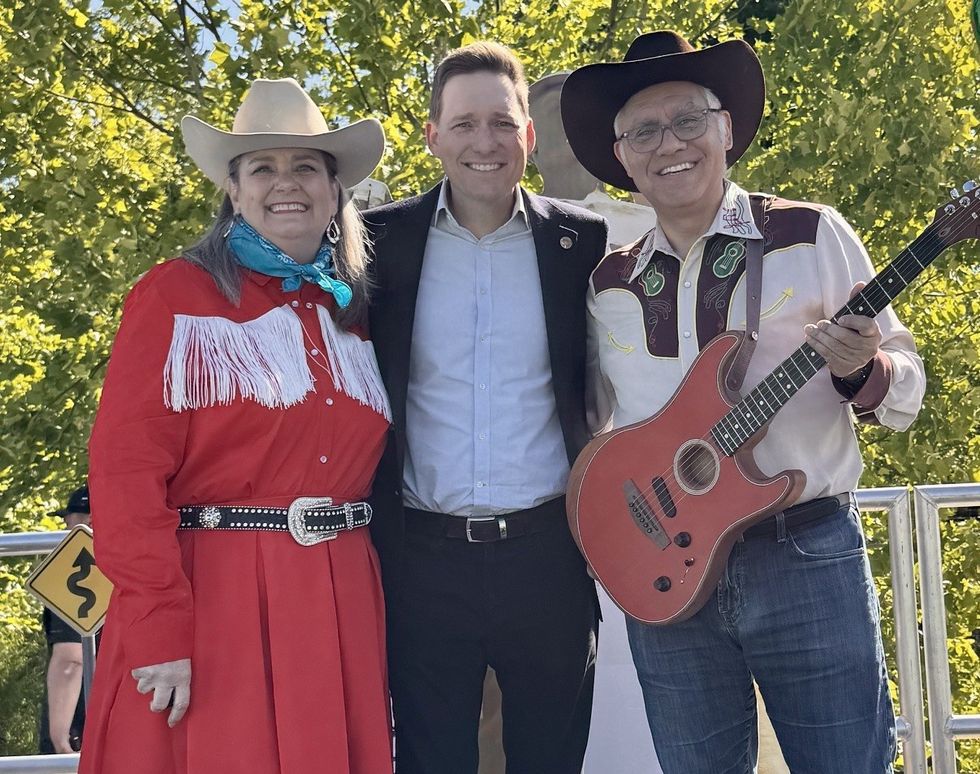
Christensen says her time at Disneyland showed her how to let her team be the best versions of themselves
Christensen champions this same empowerment philosophy at Gathering Place, referring to her frontline staff as "the experts". "They know what to do better than any of us would, for sure," she says.
She highlights this with a practical change at Gathering Place’s free boat rental. The operations team initially removed all boats from the pond each night and then returned them in the morning.
"One day, a team member suggested, why not leave the boats out and only take them in weekly for cleaning?" Christensen recalls. This simple idea proved beneficial, reducing injuries, wear and tear, and saving time.
By actively seeking and applying frontline ideas, organisations accomplish two key goals: improving their operations and fostering a strong sense of ownership among employees.
"It gives them that sense of ownership; they know that they're having the impact, and we're acknowledging their expertise," she adds.
Seeing things through the guests’ eyes
Another key operational strategy borrowed from Disney is to approach the organisation through the guest lens.
Christensen spent several years in Disney's guest communications department, handling guest compliments and concerns. This position brought a broad perspective on how each cast member's actions influence the overall holiday experience.
"It really taught me about what guests love, what frustrates them, and how one individual can have an impact on their entire experience," Christensen says.
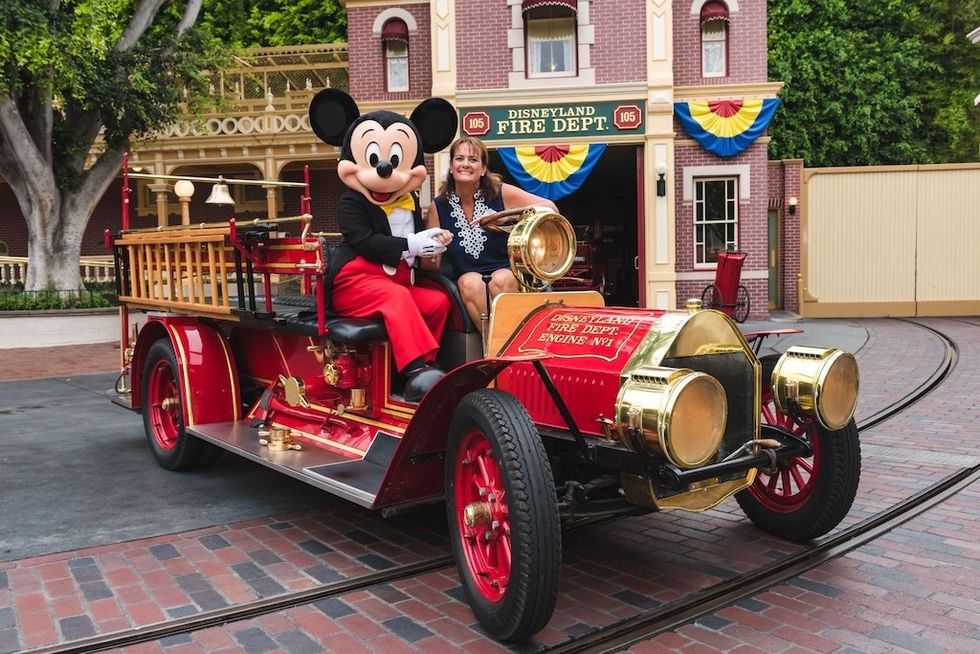
Reflecting on her Disney career, Christensen says it taught her how to view the experience through the guests' eyes.
She emphasises that guests do not care about internal corporate structures or departmental boundaries:
"They don't know what department lines are, they don't know how we're structured organisationally. All they know is that they have a need, and how are we going to seamlessly take care of that for them?"
This means operational decisions must prioritise guest friction over employee convenience.
"Don't do work in a way that's easiest for you. It may actually end up having to be harder for you, but it's going to create a seamless experience for the guest," she instructs her current teams.
Whether a local Tulsan visits Gathering Place daily to enjoy the playground or a tourist comes for a nature walk, the aim is to tailor the experience to the guest's preferences, not just the operator's convenience.
The Disney touch
When creating world-class destinations outside traditional theme park hubs, Badin and Christensen draw on their experience of Disney's place-making and emotional connection.
Gathering Place is a prime example of this approach. The park is free to the public, so standard, metric-driven tools such as "service recovery" (e.g., refunding a ticket) do not apply. Instead, the focus must be entirely on creating an inclusive, emotionally resonant environment.
Christensen draws a direct parallel to the dedication of Disneyland. "Walt at Disney said, 'Welcome, this place is your place,' and that's definitely what we are trying to establish at Gathering Place too.
"We're a park for all, an inclusive environment where everyone feels that it’s their space and their safe haven."
Just as Disneyland belongs to the world, Gathering Place belongs to the city of Tulsa. The ultimate measure of success is not revenue but community ownership. "Honestly, that is when we feel best: when we're just walking in the park and overhear a guest referring to it as 'my park'."
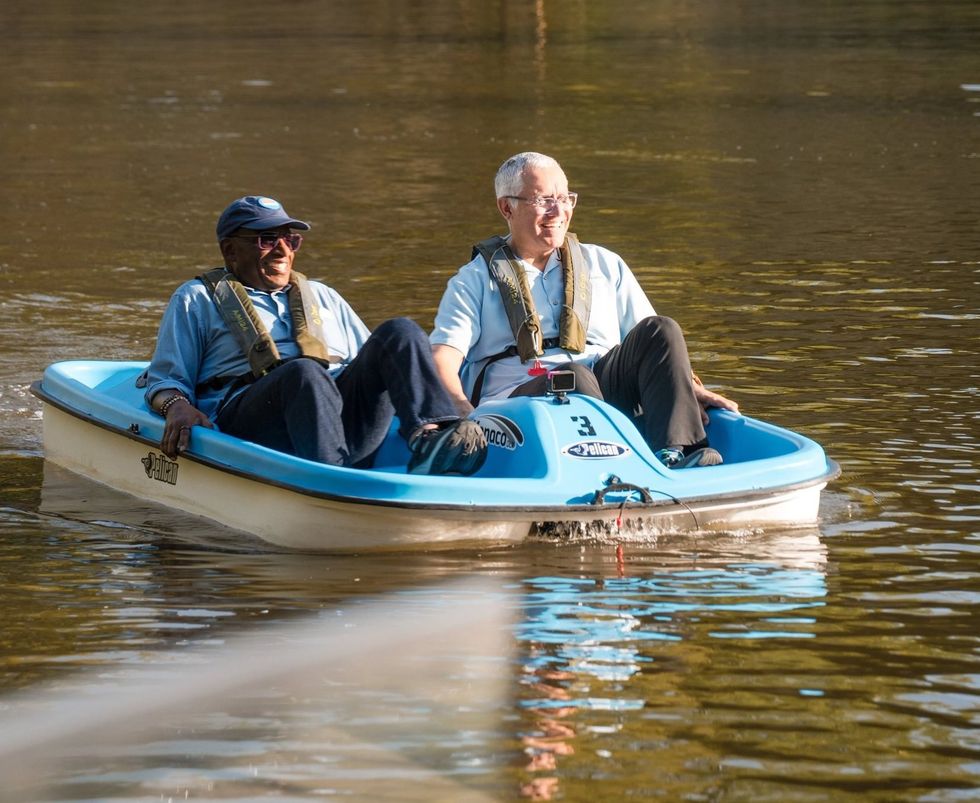
Badin, seen here enjoying a boat ride at the Gathering Place, says it's the team that makes or breaks the experience, at Disney and at any attraction
Badin echoes this sentiment, pointing out that while the physical design of a space is crucial, it is the human element that breathes life into it:
"When you really understand what it is that people want, and you have the dream to provide them the things that they didn't know they wanted... I think that's the Disney difference, and right now I would call that the Gathering Place difference.
“The interaction with the team members elevates the great imagination into a memorable experience.
"I think that's probably one of the secret sauces of a Disney theme park, taking what the Imagineers do so well but taking it to a level of emotion and feeling through the interaction.”
Always striving to do better
This commitment to the "secret sauce" highlights a culture of continuous improvement.
"Disney is sort of relentless in its desire to be great, and that idea of never being good enough, in the sense that we can always do better, we can dazzle, we can create, we can make dreams come true," explains Badin.
"Never resting on the success of today, and always looking for future success, is really powerful.”
This drive is ultimately what pushes Disney alumni to take on challenges in other sectors. A common thread is their strong belief in the higher purpose of their work. They view themselves not just as performing routine tasks, but as creators of human happiness.
"Taking the best of what's Disney and using it to pollinate in the country and the world... It's a very special opportunity that we have. At the end of the day, we're making the world a better place, wherever we are," says Christensen.
"The word that just keeps coming to my mind is love. At Disney, we love the people we work with. We love the product we get to serve. We love the community we get to do it in... It is beyond a work team. It is a family. We are invested in each other.”
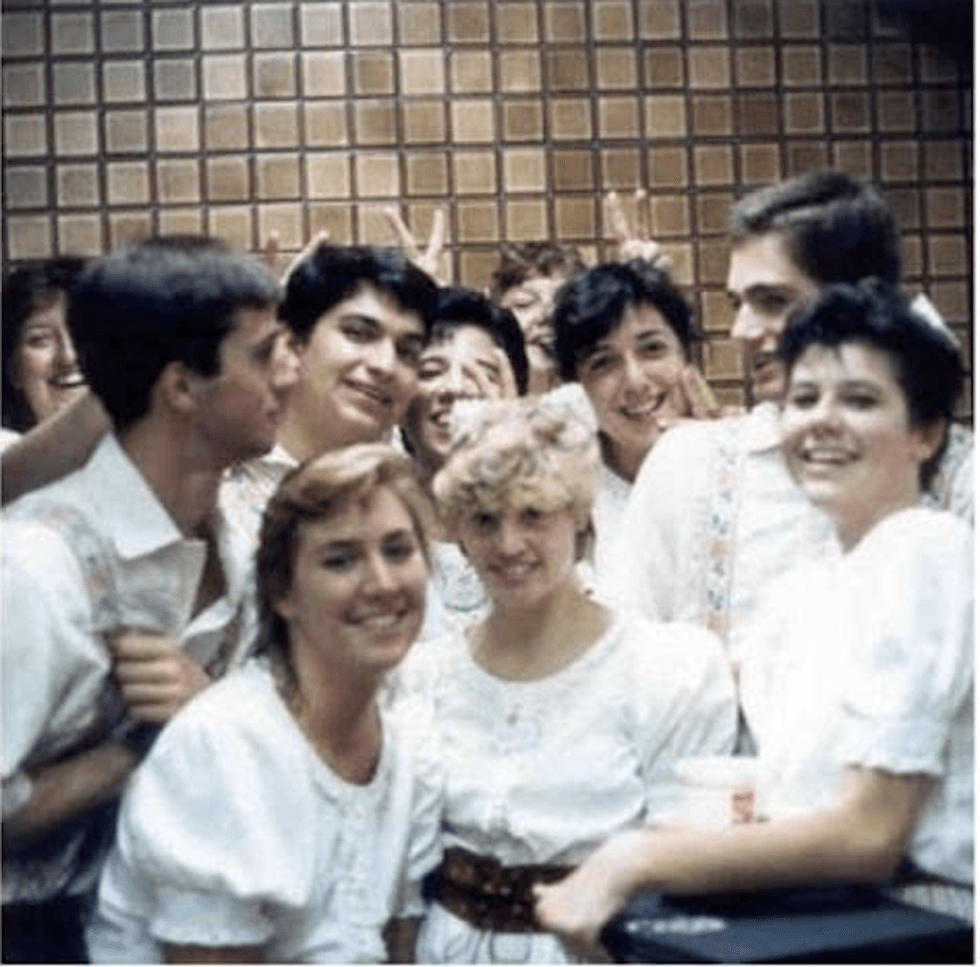
Conrad's advice for those early in their Disney careers is to listen to and learn from everyone around them
For young professionals stepping onto the front line of a theme park today, the advice from these industry veterans is unanimous: pay attention, because you are in a masterclass.
"I would tell them to soak it all in, to literally listen to everybody, to understand that everybody plays a vital part in what is making Disneyland work, which is very similar to Broadway," says Conrad.
"Go in with an attitude of, I can actually learn from this and apply it to my future life. It is a job that you can actually build yourself up with.”
Disney theme parks demonstrate that key leadership skills such as empathy, active listening, collaborative problem-solving, and a strong commitment to guest experience develop through hands-on experience on the front lines, tested in the unpredictable environment of everyday operations, and grounded in a genuine guest-first mindset.
The experiences of Conrad, Christensen and Badin suggest that the skills developed in Disney's frontline roles—service, communication and collaboration—can continue to influence careers long after cast members leave the parks.