During the Innovation in Guest Journey session at blooloop’s 2026 Festival of Innovation, an expert panel included speakers from the Detroit Zoo, SSA Group, and the Franklin Institute.
Sponsored by SSA Group, a best-in-class provider of integrated guest services, the session explored how the guest experience can be improved through innovation, design and storytelling across any attraction.
On the panel was Tera Greenwood, executive vice president of brand and relationships at SSA Group; Randi Hamilton, chief experience officer at the Detroit Zoo; and Abby Bysshe, chief experience and strategy officer at the Franklin Institute.
Innovation in the guest journey: meet the panel
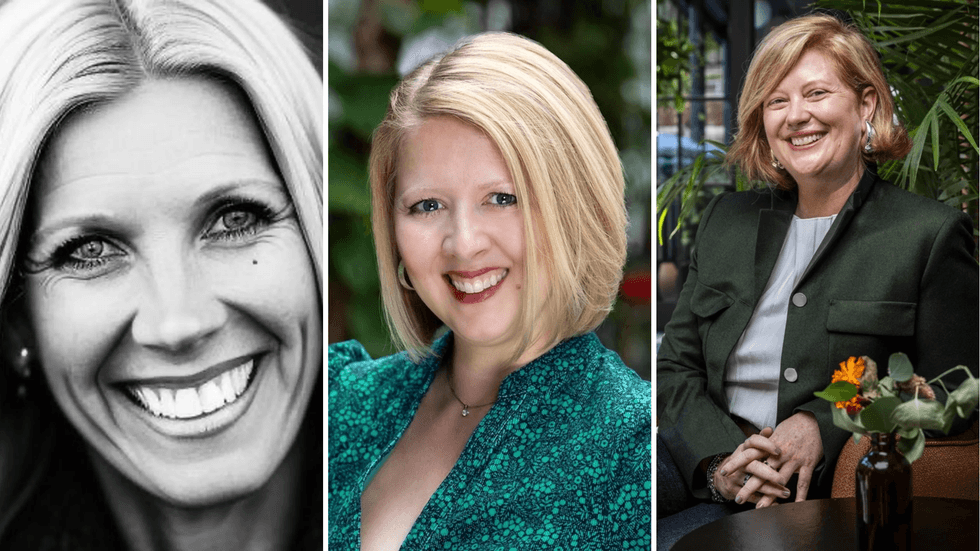 Tera Greenwood, Randi Hamilton and Abby Bysshe
Tera Greenwood is a hospitality strategist and brand storyteller with over two decades of experience in the cultural attractions industry. At SSA Group, she leads partner engagement, brand voice, and experiential strategy, helping venues reimagine the guest journey through design, technology, and 452 Hospitality.
Randi Hamilton is chief experience officer for the Detroit Zoological Society (DZS), which runs the Detroit Zoo and Belle Isle Nature Centre. In her role, she works to connect audiences with animals, nature, and DZS’s conservation and education mission.
As the chief experience and strategy officer at the Franklin Institute, Abby Bysshe is focusing on enhancing the visitor experience and exhibitions. She has 20 years of experience in museum business modelling, exhibition development, and implementation.
“The rules have changed”
“Cultural attractions – zoos, museums, aquariums – aren’t just competing with each other anymore. We’re competing with escape rooms, immersive theatre, theme parks, and every other experience vying for people’s time and money,” said Greenwood, introducing the guest journey session.
“The rules have changed, guests are more selective, expectations are higher, and the definition of a great experience keeps evolving.”

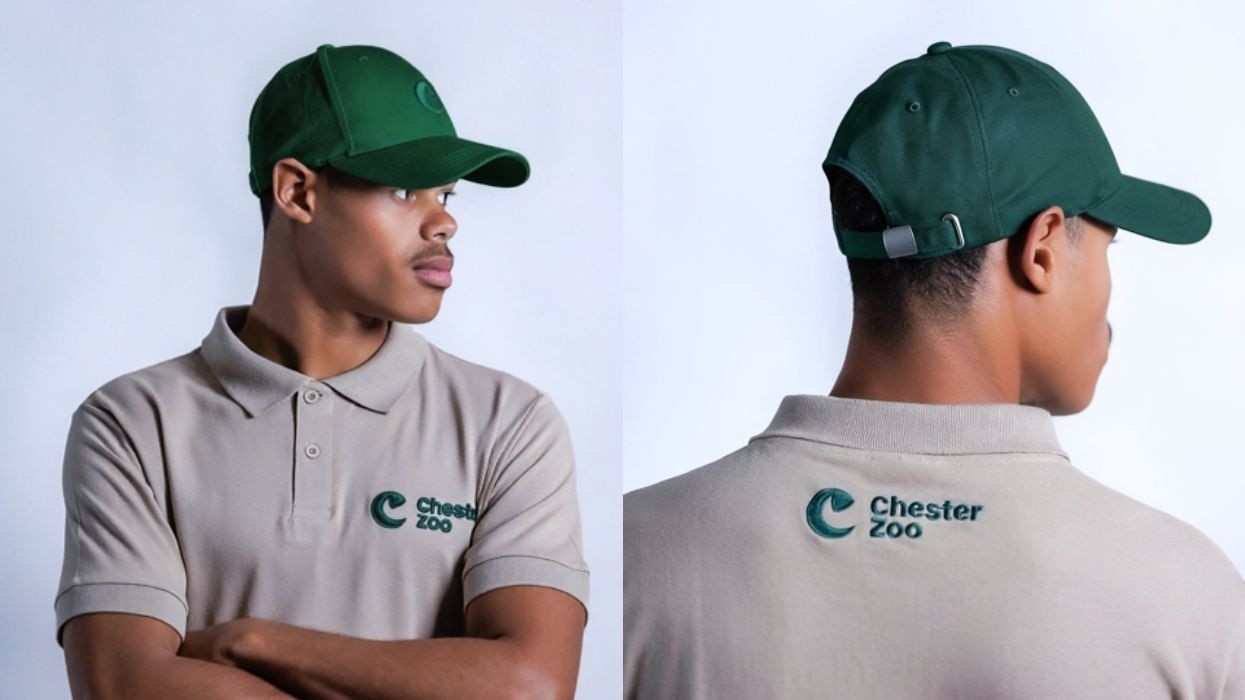
The session began with a look at the Detroit Zoo’s recent rebrand, which aimed to improve how the visitor attraction connects with its guests through storytelling. As part of the rebrand, the Detroit Zoo also improved its website, launched a new app, and made its platforms more accessible and inclusive.
“This wasn't just a visual reimagining, but truly looking at our entire brand identity, and asking if we were connecting our team members in the way that they need to be connected to their day-to-day in order to truly connect with our visitors," Hamilton said.
"We also considered the way we really reach the communities that we support, not only within our region, but across the globe."
Connecting with visitors
She added: “We need to look at the ways that we're creating not just inspiration, but action. We really want people to engage not only with the stories we have to tell, but to see themselves in them.
“So we shifted to truly storytelling and no longer just providing facts about animals, but really creating stories that connected, whether it be a meaningful moment or a core memory, but also impactful.”
The zoo’s new identity also gives it the chance “to tell stories from our team members’ point of view”, Hamilton said.
She added: “We’ve learned that our audiences wanted to hear more from our teams that are doing the work every day. That wasn't something that we did so well before, and this new brand allowed us to do it in a more effective and exciting way.”
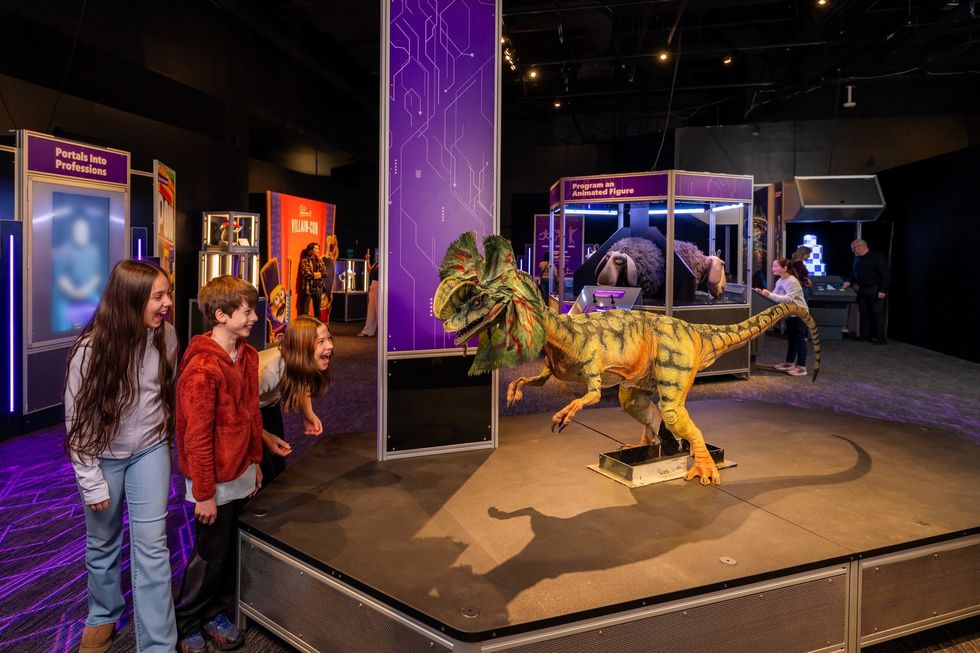 Universal theme parks exhibition at the Franklin Institute
As for the Franklin Institute, the science museum in Philadelphia is redesigning its exhibitions with a focus on storytelling.
In the guest journey session, Bysshe acknowledged “the need for cultural institutions to push the boundaries and understand how entertainment can intersect with the missions that we're bringing about”.
She added: “We did a lot of research, really with kids from around fourth to 12th grade. In our workshops, we bring in a lot of other voices, but kids have the least filter and are the most honest about what they're looking for in our experience, so we like to start with them.”
Storytelling tools
The guest journey is increasingly inclusive of the retail and F&B experiences as “storytelling tools”, said Greenwood.
“We partner with Detroit Zoo, and over the past couple of years we've been rethinking food and beverage and retail, not as an afterthought or as necessarily revenue-generating entities, but as integral parts of the guest journey that tell their own story about what the institution values,” she added.
“When we relocated the gift shop, it wasn't just about visibility; it was about creating moments of comfort for the guest, and the connection that supports the larger conservation narrative. The question that we're always asking ourselves is, 'What story is the space telling, and does it align with the institution's mission and guest experience? And their expectations?'”
For an attraction, Hamilton said, “the more flexible, the better; the more seamless, the better”.
Also, the zoo is innovating with its development of multi-use spaces. “We have a very old campus, and a lot of our spaces were not designed to be multi-use,” she said.
Innovating in old spaces
While “considering animal well-being, as well as telling conservation stories, we can still make it an engaging experience for a visitor”, Hamilton added.
“We're leaning into how old we are and tying nostalgia and innovation together.
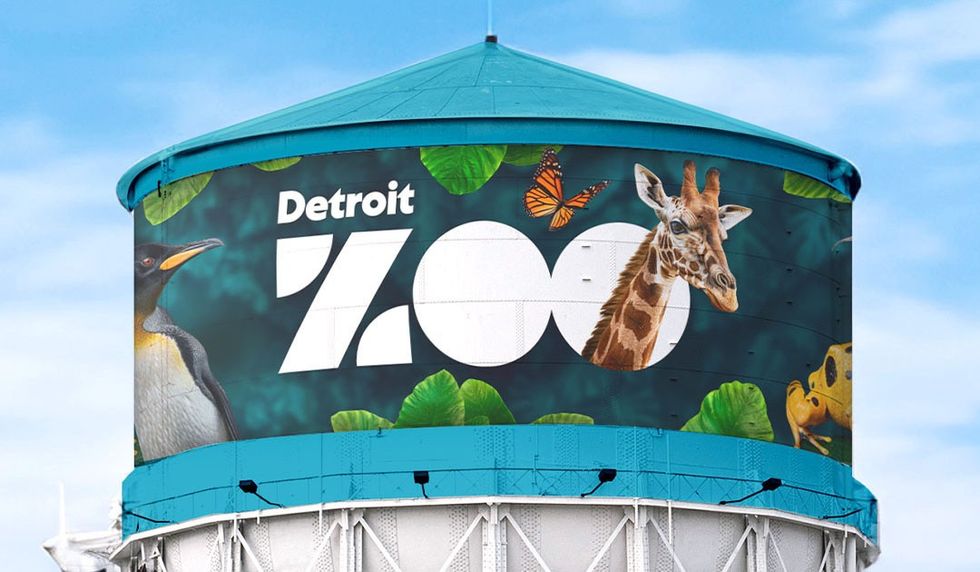
"For example, our historic water tower, that's a beacon in this region for us. When we did the rebrand, we added an augmented reality (AR) component, so people could now see themselves with the water tower, see it come to life, and stand at different pinpoints in the zoo and see different angles of how that comes to life.
“We've brought back things that people remember from 20 and 40 years ago, but with a new twist to them.”
Like the Detroit Zoo, which opened in 1928, the Franklin Institute is an older institution, opened to the public in 1934.
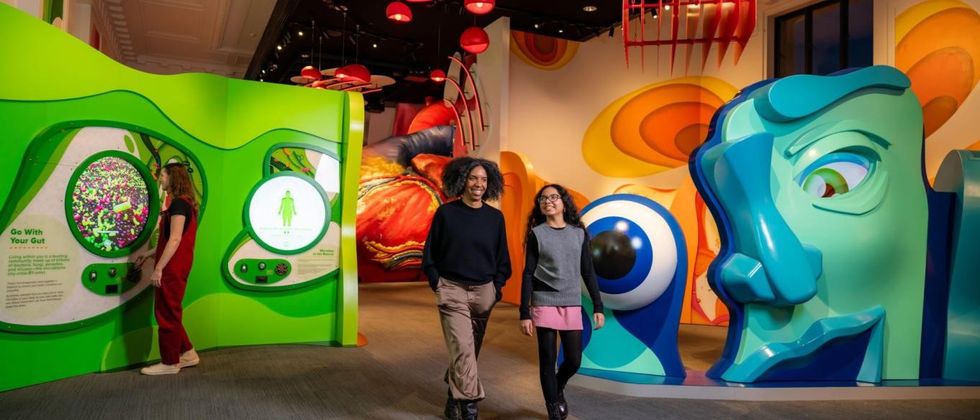
The Franklin Institute has implemented digital signage, way-finding moments and bolder exhibition entrances to provide a more seamless guest experience.
“Our original building is from the 1930s, and then we have two additions: one from the 1990s and one from 2014, which are doing their best to communicate with each other architecturally. We have a lot of challenges from a way-finding perspective, and people spend a lot of time trying to make their way through our building to find the next thing they're trying to see,” Bysshe said.
As well as considering the visitor experience, storytelling and entertainment in the Franklin’s exhibitions, “we really wanted to reduce friction during the stay, so people were getting to where they needed to go even faster”, she added.
Signage and way-finding
“Signage and way-finding are a huge investment for us, and taking that to a digital platform allows a ton of flexibility in being able to supply maps and directionals, and being able to go from a daytime experience to our nighttime corporate events,” Bysshe said.
“Having those bold exhibit entries, being able to turn the corner and visually be able to see where you need to go, as opposed to having signage and doing all the heavy lifting.
"We really think about how we're visually taking people through the building, step by step, and getting them to what we want them to be experiencing, which are fun exhibits and our live shows and all of the great content that we produce.”
Bysshe said: “Museums and cultural institutions are in this unique situation".
She added: "We’re coming from long-standing organisations. We don't have the joy of a purpose-built, current-state architecture with all the bells and whistles you need. We have tons of uphill battles around infrastructure and way-finding, and on top of that are trying to stay relevant with the experience and storytelling.”
Moving to AI, Greenwood said: “I'm seeing this connection across the industry of AI being used in fascinating ways; analysing guest feedback across every touchpoint to identify friction points, helping to personalise tour experiences, and even for dynamic pricing that balances crowd flow with revenue goals.
“And what strikes me is that these innovations aren't about technology for technology's sake. They're about removing friction and creating the seamless, personalised experiences today's guests expect, and they're helping operators make smarter, faster decisions based on real data.
“At SSA, we are seeing the same pattern. The most successful programmes that we have are using data and technology to help us to reduce friction and create those memory anchors that the guests can take home.”
Balancing entertainment and education
On balancing entertaining experiences with meaningful storytelling, or “making science fun”, Bysshe said: "If it's not fun, then what are we doing? It's what we should be doing as institutions, and we should be broadening the net as much as possible.
“Even someone who doesn't feel like science is for them, they come in for the fun of it and leave realising that space is a wondrous, incredible place and have more curiosity to learn when they go home.
“We bolster the in-building experience with all of the cool stuff that we do around curriculum development, teacher training and community development. We really want to be that inspiration, that ‘wow moment’ that's going to stick with people, and have people remember us, and be that first entry point into how cool science can be.”
Over at the Detroit Zoo, the new Discovery Trails is a seven-acre habitat and exhibit space providing animal encounters, aerial climbing experiences, and interactive spaces. It is designed to offer new ways to connect with animals and the natural world.
Hamilton said the zoo’s new experience is an example of “how we’re aligning our mission messaging with ways that people can be immersed in the impacts of ecosystems being affected by issues like climate change and human impact”.
Merging mission with experience
“Guests can go through experiences where they can visually see that or understand it more, everything from picking up and trying to weigh animal diets with life-size items that are measured out specifically in our farmers' market area, just to to connect to something that some of our youth today have never really understood, as far as agriculture is concerned,” she said.
Asked if cultural attractions will fully embrace being a part of the entertainment business in the future, Bysshe said: “Zoos, science centres and aquariums are already leaning in that direction, and have been for quite some time. A lot of that is driven by business model needs.
"There is a higher earned revenue responsibility around those types of organisations."
“I’ve seen more museums come to IAAPA than I have in the last 10 years, which is a great sign of people looking outside their industry for some inspiration. My hope is that continues to grow, and people move in that direction, and understand that entertainment is not a bad word, and it really is a part of our mission and where we're going," she added.
"And at the end of the day, having more people come into your experience is always a great thing.”
Greenwood said: “The future isn't about choosing mission and experience, it's about designing experiences so compelling that the mission becomes irresistible.”
In response to lower attendance across the industry, Hamilton said: “Patterns have shifted. People are not planning as far in advance anymore.”
“Patterns have shifted"
She added: “The focus on value and relevance for us is really shifting versus volume. Mission-aligned events are really working for us, and we’re seeing an improvement in some of our niche events; audiences that maybe have been infrequent, and creating ways for them to have more frequency, because it works for them.
“We're a family-based institution, and once people have family members who are 12 and older, we lose them for a little while. So how do we bring them back? We've been working on that and seeing some great returns there.”
“We know that what doesn't work for us is deep discounting. It devalues us; it can potentially erode the brand in the long term," said Hamilton
"We're focusing more on how we are working with our dynamic pricing model, which we have found great success with, to make sure that the floor of our pricing and the ceiling of our pricing still allow for a lot of room in between, so that we can align with a number of budgets across the community."
“We have also been doing a lot with community partners, and finding a lot of new and unique ways to connect with our audiences. So if there is a barrier that people can't get to us, how do we create mission, message and engagement through other forms? That's been really effective for us.”
Innovation, design and storytelling aren't separate strategies
Greenwood said at the end of the session: “Innovation, design and storytelling aren't separate strategies. They work together to create experiences that resonate with today's guests. You can't have compelling storytelling without thoughtful design, and you can't have meaningful innovation without understanding the stories you're trying to tell. They're interconnected.”
She added: “The big takeaway here is that you don't need unlimited budgets or massive teams to transform your guest experience. You need clarity on what matters, frameworks for making decisions and a willingness to learn from industries outside your own.”