
Guide-ID, the audio tour specialist, is emphasising the continued importance of dedicated, screen-free audio guides as many museums and cultural venues increasingly turn to smartphone-based BYOD (Bring Your Own Device) solutions.
Although BYOD solutions became more popular during and after the COVID-19 pandemic because of their contactless approach and reduced hardware needs, Guide-ID suggests that the discussion should now shift from operational efficiency alone to a focus on the quality of the visitor experience.
Drawing on almost 20 years of experience with museums, heritage sites, visitor attractions, and cultural organisations worldwide, Guide-ID consistently observes a strong visitor preference for dedicated audio guide devices.

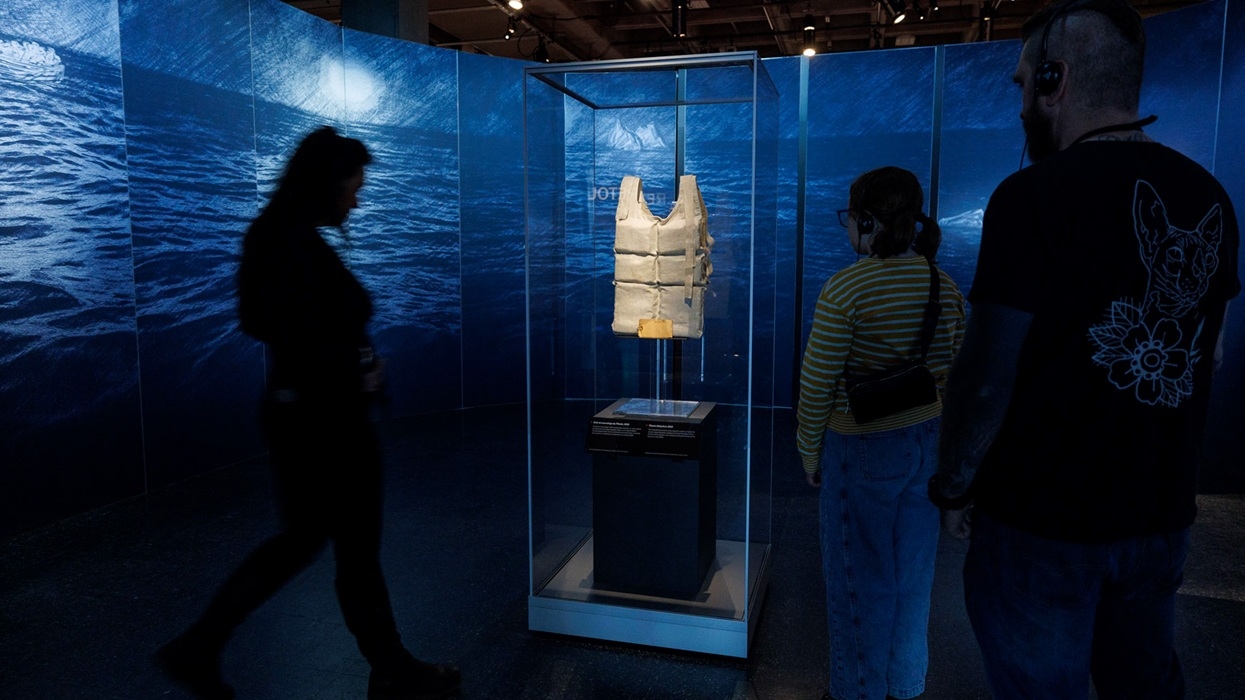
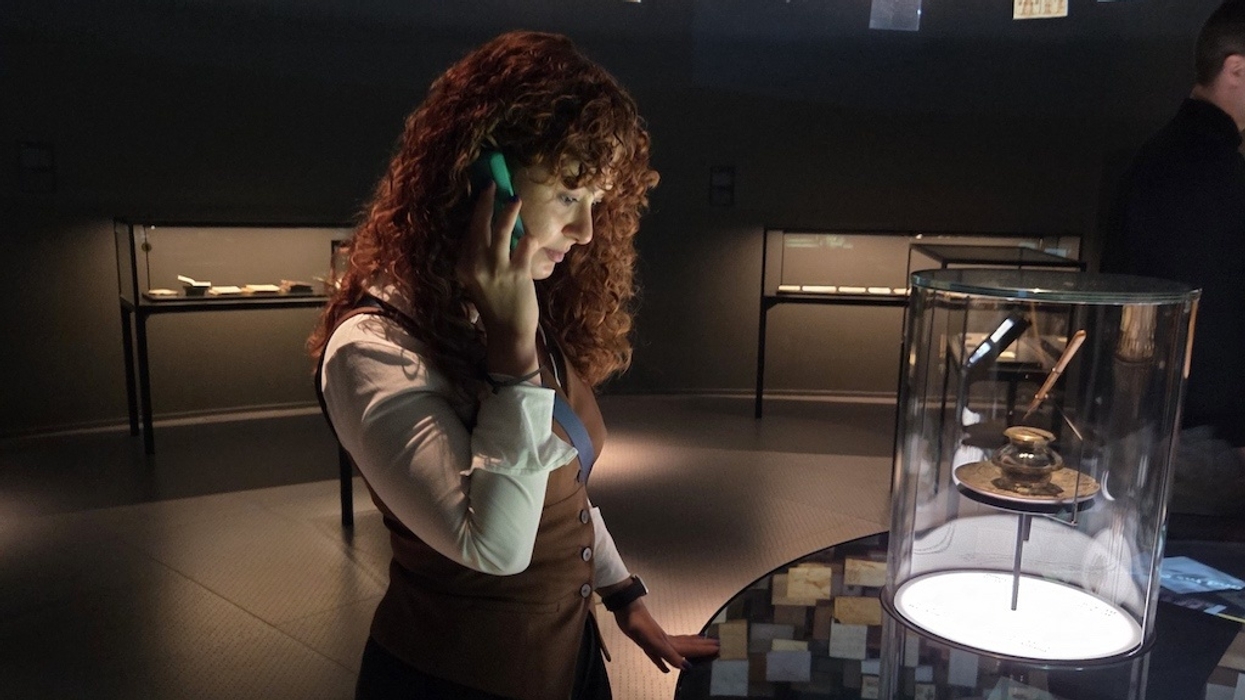
Guide-ID's research shows that guests tend to prefer dedicated audio guides over using their own smartphones
Image courtesy of Guide-ID
Data from Guide-ID clients consistently indicate that visitors prefer dedicated audio guides when available. In certain venues, as many as 95% of visitors opt for a dedicated device, whereas only 5% use their personal smartphones.
Dedicated audio guides eliminate the typical challenges of smartphone tours, such as app downloads, Wi-Fi issues, browser compatibility, battery constraints, and the need for personal headphones.
An easier solution
Questions such as “How do I connect to the Wi-Fi?”, “I scanned the QR code, now what?”, “The audio isn’t loading,” and “My phone won’t open the tour” quickly become part of daily routines.
While it seemed like a good idea at first, it can quickly turn into a new operational challenge: a digital ecosystem that demands ongoing maintenance, updates, testing, troubleshooting, and user support.
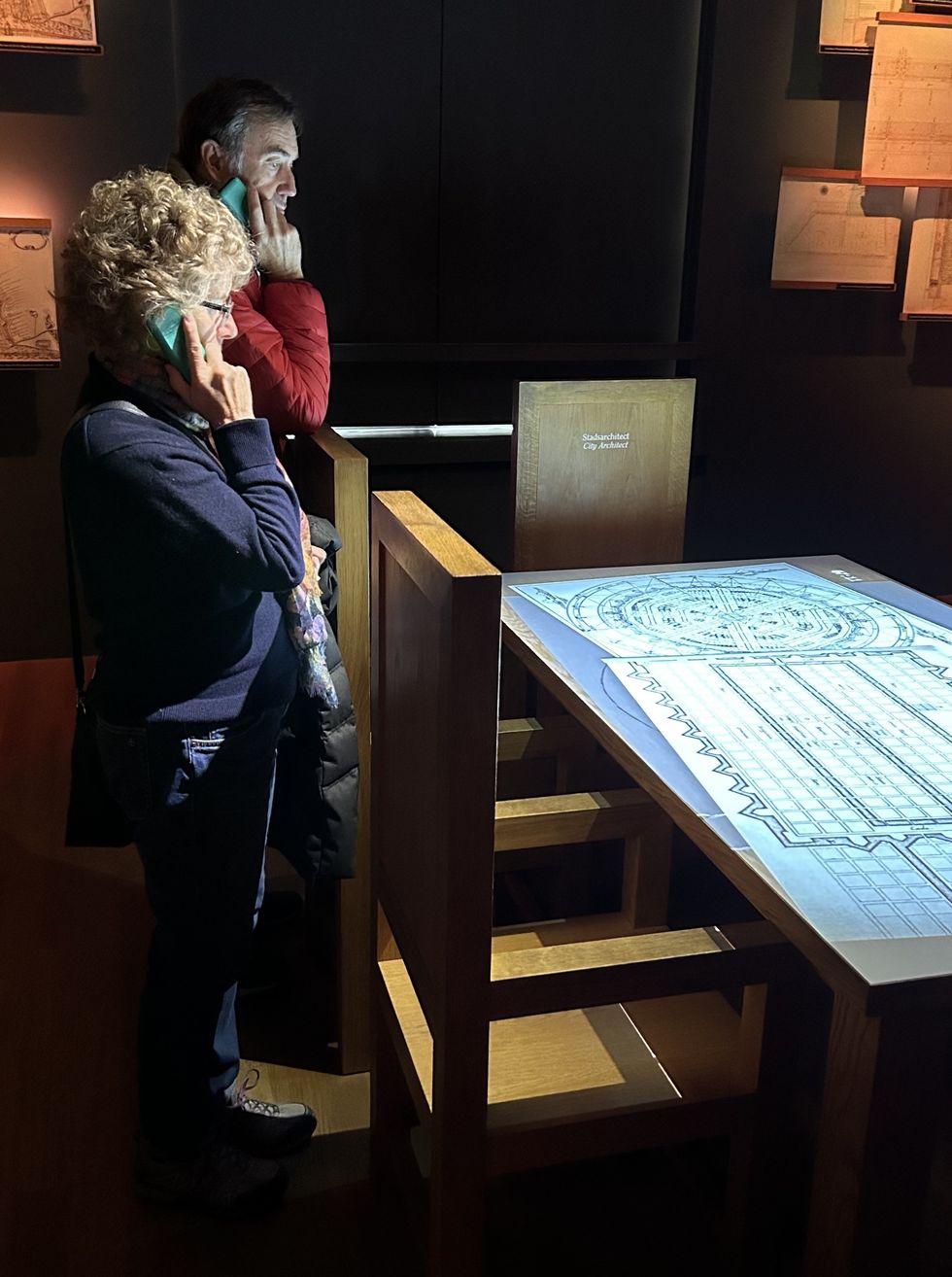
Screen-free audio guides like the Podcatcher and Podcatcher Pro are less distracting, for a more engaging visitor experience
Image courtesy of Guide-ID
Guide-ID's observations indicate that dedicated devices decrease visitor frustration and facilitate a seamless onboarding process. This enables visitors to start their experience right after arrival and stay fully engaged with the story during their visit.
Screen-free audio guides can help cultural venues keep visitors engaged by eliminating typical smartphone distractions such as notifications, messages, emails, and social media alerts.
The company's research also shows that dedicated audio guides work especially well for different visitor groups, such as families, school groups, seniors, children, and international visitors who might lack access to local mobile data networks.
More engaged visitors
As cultural institutions aim to craft more immersive and meaningful visitor experiences, Guide-ID encourages museums to reflect on how their technology choices influence visitor focus, engagement, accessibility, and overall satisfaction.
As screens become more prevalent in daily life, cultural venues remain among the few places where people intentionally seek focused, uninterrupted experiences. In a world overwhelmed by screens, cultural spaces have a significant opportunity to offer the chance to listen, observe, learn, imagine, reflect, and connect through authentic stories.
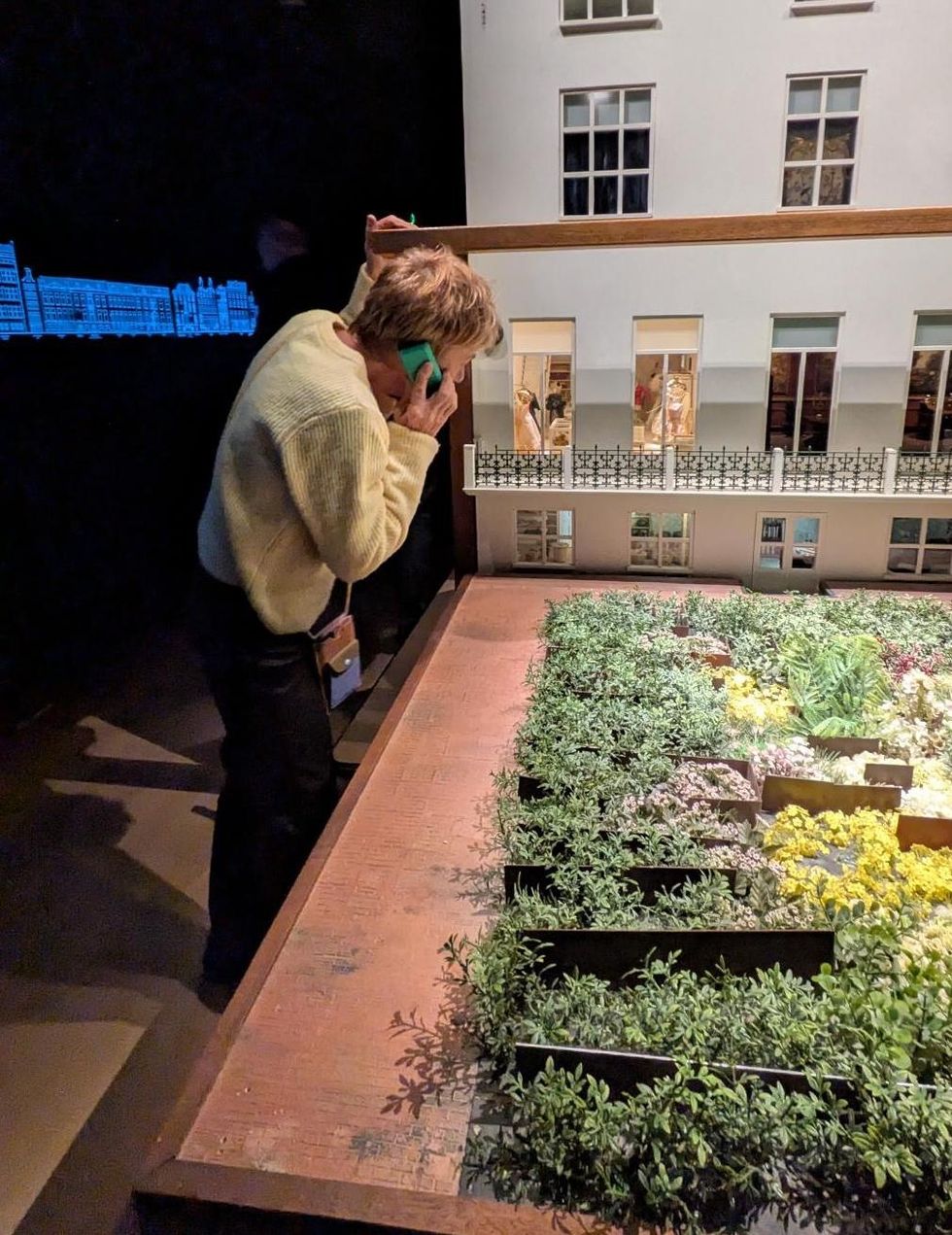
Dedicated audio guide devices can also decrease visitor frustration and enable a more seamless start to the experience
Image courtesy of Guide-ID
The company continues to invest in solutions like Podcatcher Pro, a dedicated, screen-free audio guide that offers simple, intuitive, and distraction-free storytelling experiences for cultural venues worldwide.
"As screens become increasingly present in everyday life, museums and heritage sites have a unique opportunity to offer something different," says Guide-ID.
"Our experience shows that visitors value simple, screen-free experiences that allow them to focus entirely on the stories and collections in front of them. Dedicated audio guides continue to play an important role in helping cultural venues create meaningful and immersive visits."
The company has also recently introduced an upgraded audio guide for the Maison Cailler chocolate experience, building on a successful decade-long partnership by providing the attraction with its latest technology.