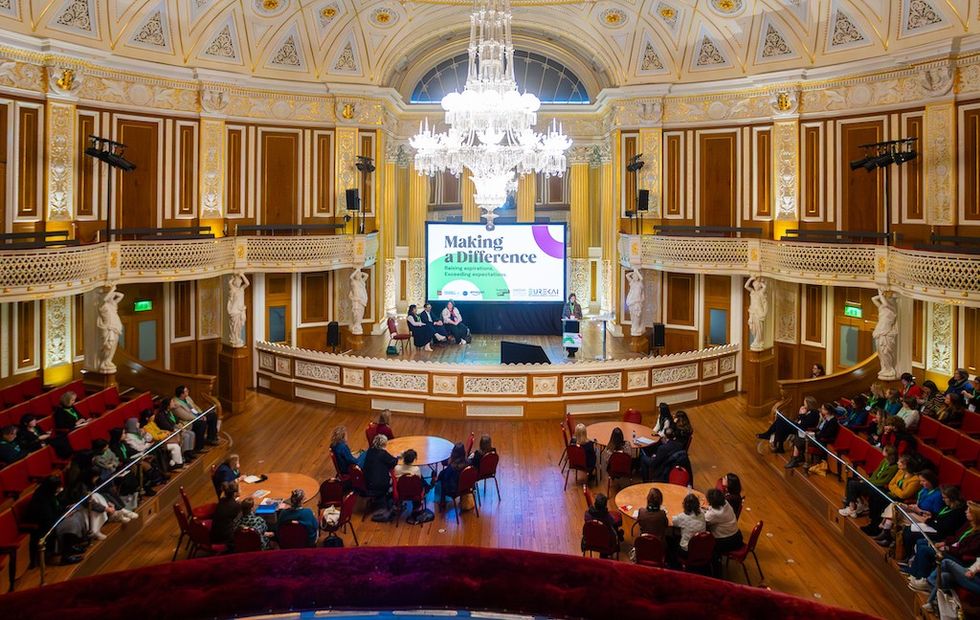
How do museums remain relevant to children growing up in an anxious and hyper-digital world? That question sat at the heart of Hands On! 2025, the international conference for children’s museums and science centres, hosted in Liverpool in partnership with Eureka - the National Children’s Museum.
Across three days of keynotes, workshops, and tours, attendees from around the world came together to explore what children today need from museums and the role institutions play in shaping their sense of belonging, resilience, and creativity.
From co-creation to play-based learning, from outreach to global justice, Hands On! provided an in-depth look at how museums are responding to childhood today and inspiring hope for future generations.
Here are five lessons museums everywhere can take from Hands On! 2025.
1. Co-creation as a baseline, not an add-on
One of the main talking points of the conference was how museums can create exhibitions that not only appeal to children but also allow them to see themselves reflected in them.
One way that institutions are tackling this is through co-creation, where children aren’t just consulted; they have a genuine stake in shaping museum experiences.
This approach was explored in the opening keynote from Helen Charman, director of learning and national programmes at V&A. During the transformation of V&A’s Museum of Childhood into Young V&A, the team embedded co-creation into every stage of development.
Early audience research revealed that among 8 - 12-year-olds, 35% described museums as “boring”. Rather than trying to correct that impression internally, the team invited young people to help reinvent the space.
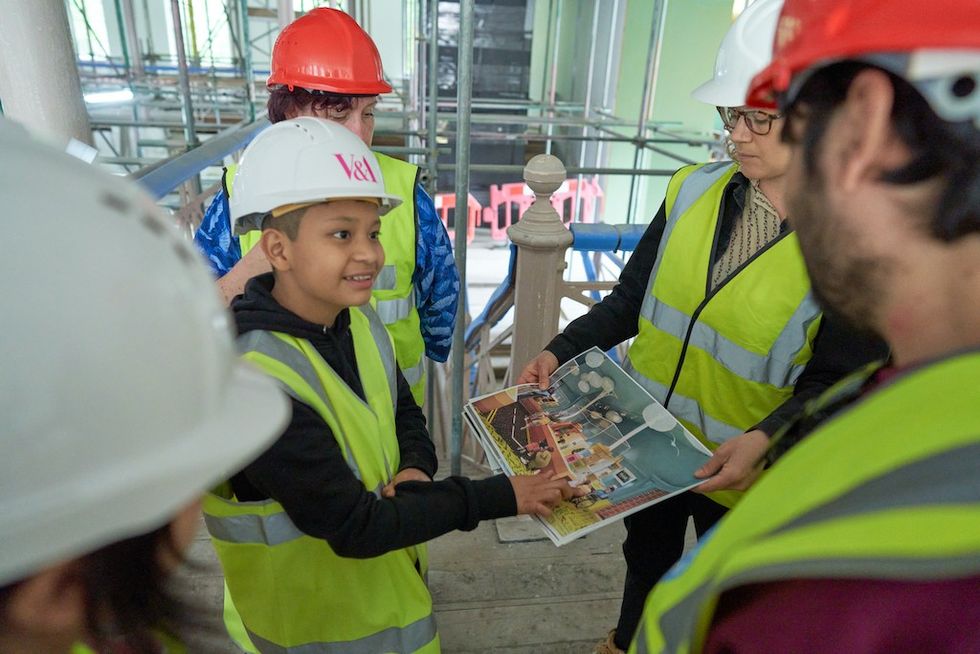 Young V&A Youth Collective members have a tour of the Young V&A construction site. Image courtesy of Young V&A.
Every school, community group and cultural organisation within a 15-minute walk of the museum was mapped out, ensuring the process reflected the voices of the people most likely to use it.
From there, local children were consulted to help co-design, curate and produce content, with their feedback shaping everything from interpretation to the staging of objects. One memorable example saw a Microlino suspended from the ceiling because participants said a great museum day should include “a flying car”.
In another session focused on reimagining museums with and for young people, Ellis Hendriksen, head of participation, and Lisse de Bie, educator at the Groninger Museum, spoke on some of the challenges that come with creating exhibitions for children when your institution isn’t a children’s museum.
“If you want to do co-creation with young people, you need a certain level of trust. And trust takes time,” said de Bie, explaining that when developing their Kinder Bienalle exhibition, outreach to local schools began long before development of the exhibition.
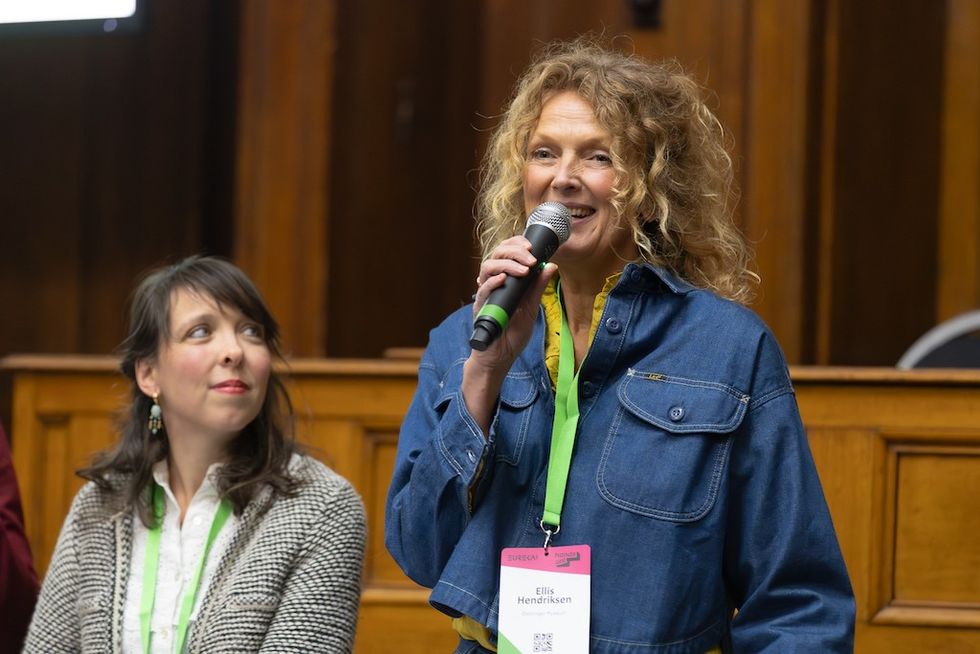 Floriane Perot and Ellis Hendriksen
Floriane Perot, curator and content developer at Universcience, echoed this when discussing the importance of play testing in developing both their touring and permanent exhibitions, such as Fragile!, DANCE and Transparency.
“We’ve learnt a lot from co-creating with children, and we are able to take the things we’ve learned from projects like Cité des Enfants and apply them to the rest of our museum and exhibitions,” said Perot.
What united these projects was a commitment to listening deeply and recognising children as experts in their own experience. Institutions that invest the time to build these relationships are best placed to create experiences that genuinely speak to young people.
2. Museums as civic and justice spaces
For children growing up amid social inequalities and political polarisation, museums are increasingly having to consider the role they play in shaping young people's understanding of identity, fairness, belonging, and the world around them.
During a panel discussion, Derek Fish, director of the Unizulu Science Centre, Arthur Affleck, president and CEO of the Association of Children’s Museums, Mariëlle Pals, head of programming at the Wereldmuseum, and Rony Ben-Chaim, deputy director general of The Bloomfield Science Museum, outlined how this responsibility is playing out across different regions.
Their shared message was clear: neutrality is no longer an option.
In South Africa, Fish shared how children are still impacted by the ongoing legacy of apartheid and the structural inequalities left behind. In a country where the number of private schools has doubled in the last decade, there are significant disparities in access to quality education.
This places a unique responsibility on informal learning institutions like museums and science centres. “Education is in many ways intimate social justice," Fish said, emphasising that museums are places that can spark curiosity in young people and encourage them to pursue learning on their own terms.
Pals offered a European perspective on the pressures that museums face in politically charged environments, where they can often find themselves in ideological crossfire.
“Our museums cannot be neutral - we are not coming from a neutral history,” said Pals, where at the Wereldmuseum, centring the lived experiences of marginalised people is not a political gesture, but viewed as a professional obligation.
Affleck brought this into focus from a US perspective, also highlighting how closely early learning outcomes are tied to children’s long-term opportunities.
For example, third-grade reading levels are commonly used as indicators when planning future social services, including prison capacity, serving as a stark reminder of how disadvantage can shape a child’s life trajectory.
For Affleck, this underscores the importance of museums in promoting early learning and wellbeing, ensuring they play an impactful role in childhood.
3. Play as the vehicle for childhood development
Another core theme throughout the conference was the use of play as a powerful tool for supporting children’s emotional and social development. For many children, play is a mechanism through which they make sense of the world, test ideas, take risks, and, importantly, build resilience.
Another keynote was led by Amber Ogunsanya-William, an inclusive play consultant and the NSPCC’s Champion of Childhood.
For Ogunsanya-William, traditional learning environments didn’t work for her growing up, but she found a safe haven in the local adventure playground where her dad worked. There, she was able to learn from failure and build confidence through play.
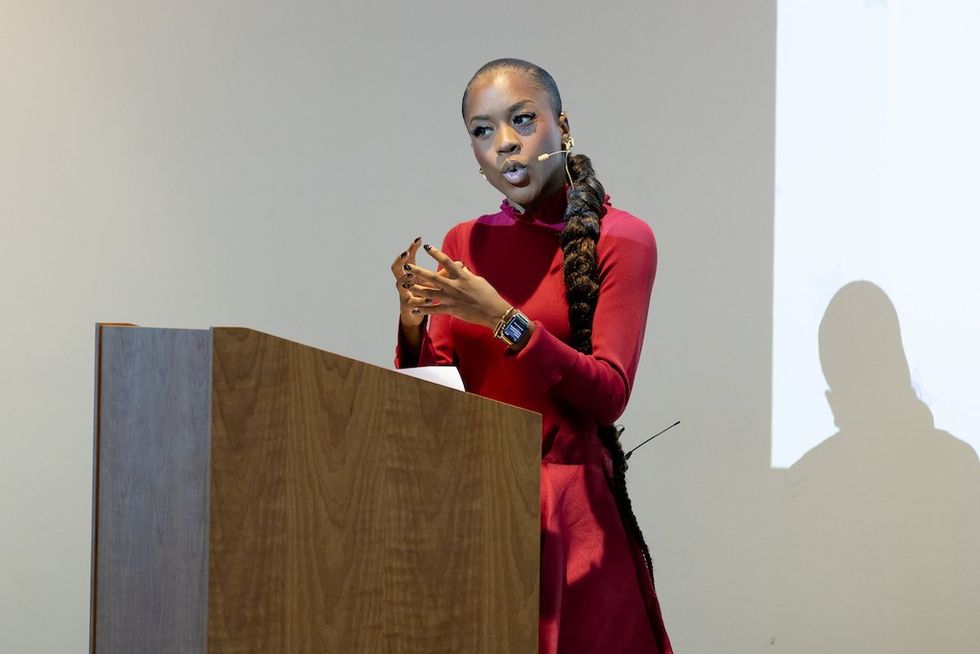 Amber Ogunsanya-William
Her session was a wake-up call that the play sector is in crisis, with over 400 Adventure Playgrounds closing across the UK in 2021 - 22, and that today, fewer than 3 in 10 children play outside.
As outlined in UNCRC Article 31: ‘children have the right to rest, leisure and play’, and museums can play an important role in providing those spaces to young people.
The decline in free play places creates a gap that museums are uniquely positioned to fill. Whilst they cannot recreate the hazards found at adventure playgrounds, they can design spaces that offer similar challenges and risk-taking to help children develop confidence.
Johnny Lyle, marketing director at CAP.CO, and Beth Cooper, play consultant at Timberplay Ltd., highlighted the ‘imagination crisis’ that children are facing today, shaped by reduced independence and lack of risk exposure.
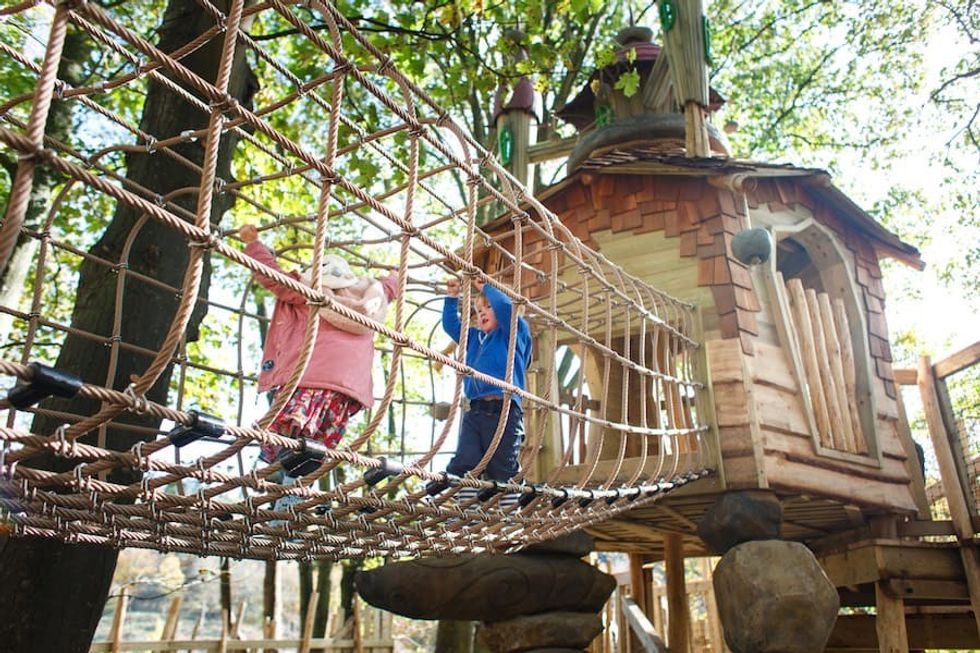 Tumblestone Hollow adventure playground by CAP.CO
Their advice to museums was to create spaces where children can direct their own experience, through simple interventions such as hiding places in galleries, to interactive installations that emphasise experimentation rather than correctness.
This can help restore a sense of agency that is increasingly absent in children’s lives.
4. Reach beyond your walls
While many children grow up visiting museums, many more never cross the threshold. Whether due to cost, access, or feeling that those kinds of spaces “aren’t for them”.
This divide presents one of the sector's most persistent challenges: how to reach the children least likely to visit and bring meaningful cultural experiences to those with limited access. Hands On! 2025 highlighted several initiatives that are actively reshaping what outreach can look like.
Addressing this gap often requires meeting children where they are, as Ghaleya Al Mansoori, founder of Kenaz Art Studio, highlights. At a time when there were no major art studios in the UAE, Al Mansoori created a mobile studio to bring art education to people across the region.
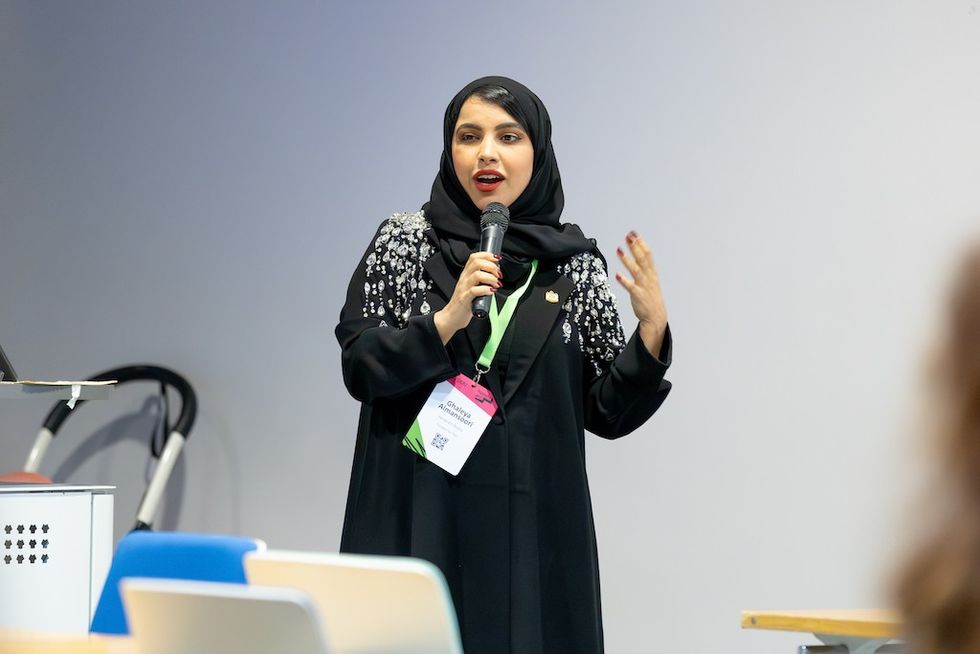 Ghaleya Al Mansoori
Kenaz travels across all seven emirates, bringing workshops to communities who often don’t have access to creative materials, classes or cultural programming. The classes bring together two worlds, fusing fine art with heritage, such as creating watercolour from Emirati spices.
This provides young people with hands-on activities rooted in their culture, aiming to empower them to pursue the arts and turn heritage into a sustainable, knowledge-based economic driver.
Reaching new audiences isn’t always about going outward. Another session demonstrated what it means to bring children’s formal schooling into the institutions themselves.
Erin Laidlaw, schools fellow at the National Gallery of Ireland; Nicky McIntosh, consultant; Shannen Johnson, engagement manager at Group for Education in Museums; and Maria Giulia Voltini, international coordinator for Miami Children’s Museum, explored how museums are increasingly positioning themselves as extensions of the classroom.
At the National Gallery of Ireland, My Primary School is at the Gallery is a unique onsite residency that places the classroom at the heart of the gallery. The programme works by having a class spend their entire school day in the gallery, either for two full weeks or one day a week over 6 weeks.
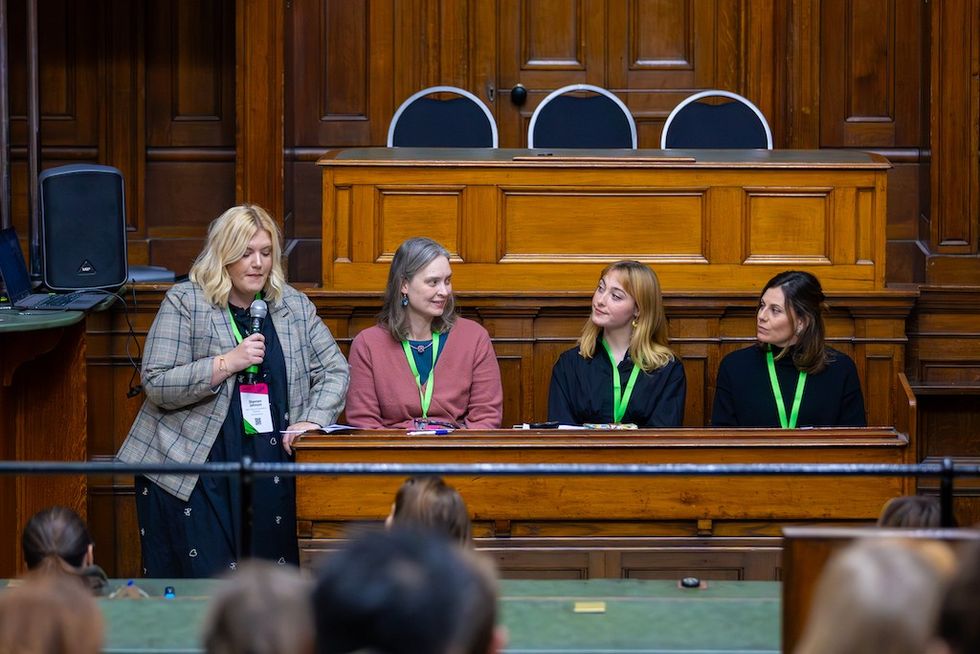
Working with local primary schools, the programme prioritises engagement with students from underserved and underrepresented communities in the gallery’s visitor base.
The programme has been very successful for both the museum and the schools that take part, with noticeable increases in attendance and greater confidence among the pupils.
It also allowed the National Gallery of Ireland to build relationships with families who may not have visited before, giving them the opportunity to demonstrate that the museum is a space that can support their child's development and sense of belonging.
5. Hope, not despair, in addressing global crises
Throughout the conference, attendees and speakers alike shared concerns about the weight that young people are carrying in today’s world, growing up amid climate anxiety, social fragmentation and rapid change.
There was a clear consensus that museums have a critical role to play in navigating these challenges, not by shielding them from reality, but by cultivating optimism, agency and a sense that they are capable of shaping their futures.
Dame Rachel de Souza, children’s commissioner for England, gave a keynote exploring this, highlighting that many children today are falling through the gaps in the systems that should support them.
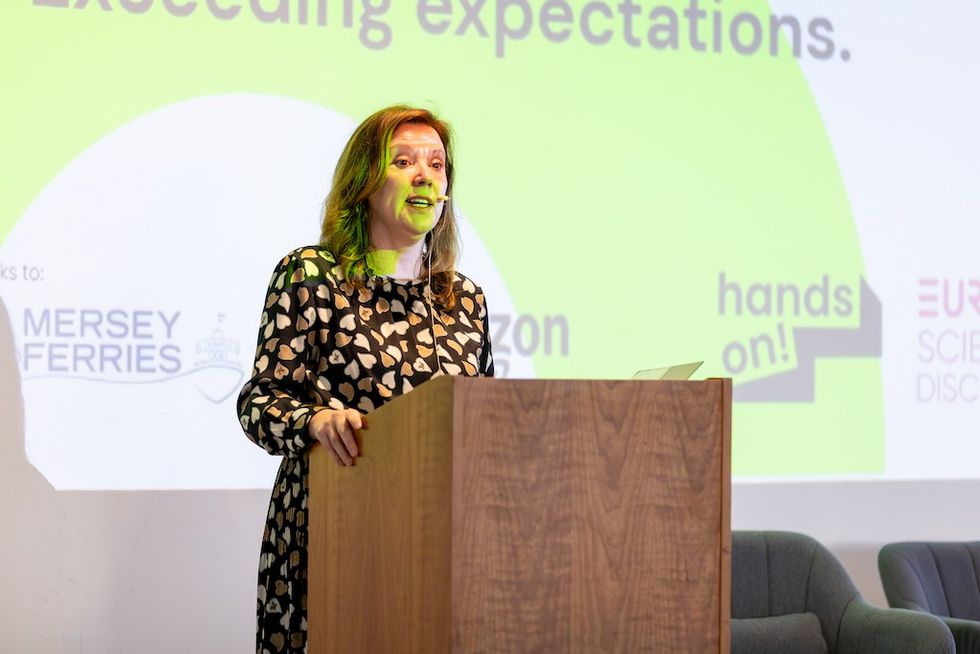 Dame Rachel de Souza
“Too many children’s lives are defined by what the systems around them don’t know,” she said, referencing a recent survey in which the majority of UK schools reported being unaware when their students were experiencing life-changing events such as the death of a parent or involvement in the justice system.
“How can we respond with kindness and sympathy and help them if we don’t know these things?” she asked.
Her keynote showed what traditional education alone is unable to fully provide: a space for children to process experiences, encounter new ideas and to feel understood without judgment. This is where museums can step in.
“Children don’t often know what will move them… It’s a matter of chance encounters, and for me that is the joy of museums … Museums more than any other space in society give us the time and space for serendipity,” said de Souza.
In a world where many children feel unseen or overwhelmed, museums are places of discovery and hope where they can momentarily step out of their circumstances and see possibilities that their daily lives may not yet allow.
Fostering agency was explored in sessions across the conference, with international case studies that approached global issues from a place of empowerment.
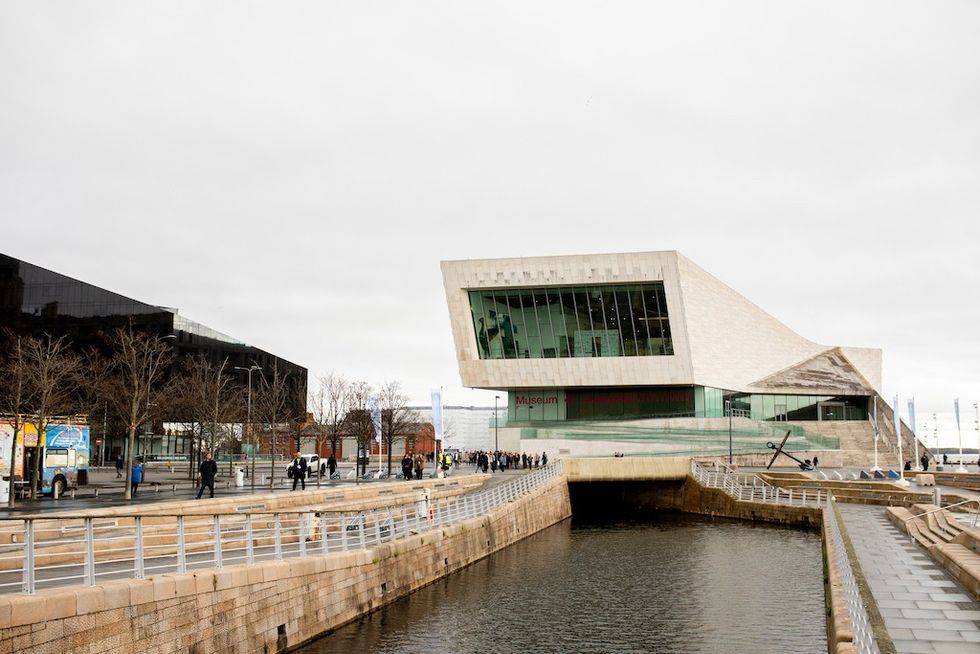 Liverpool Museum
Lisa Kleeven, education developer at the Wereldmuseum, shared information about the Council of the Raven exhibition, which focuses on climate change.
75% of children are reported to feel concerned about climate change, so the exhibition aimed to provide a space that gives them hope to take action. To do this, they used storytelling as an educational tool, inviting young visitors to join the Council of the Raven, a global group of children committed to combating climate change.
Throughout, the children are encouraged to see themselves not as passive observers of the climate crisis, but as capable of taking action to stop it, resulting in an experience that conveys urgency without hopelessness.
A similar approach has been adopted at the National Folk Museum of Korea. Curator Min Ji Yoo shared how the exhibition Starry Starry Night uses interactive and sensory storytelling to help children understand the impact of light pollution in their city.
Highlighting how small interventions can make a difference to the environment, children can experiment and observe the consequences of their actions. This approach helped young visitors to feel a sense of responsibility that’s rooted in curiosity, transforming big problems into actionable learning moments.
Hopeful and future-facing
As children navigate an increasingly complex world, museums must continue to evolve alongside them.
Hands On! 2025 demonstrated that when institutions actively centre children’s experiences, they become places that foster a sense of belonging, education and hope for the future. It is through networks and conferences that platform shared work across borders and disciplines, enabling the sector to continue evolving for the children who need it most.