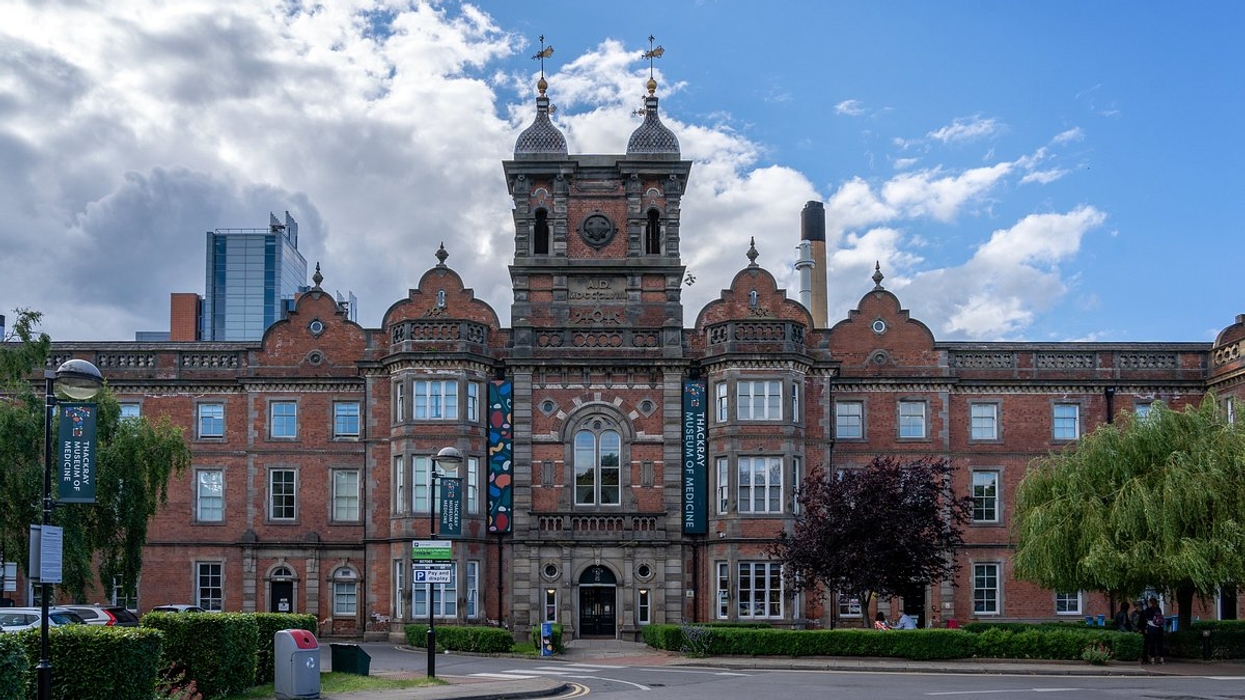

Hull Maritime Museum first opened in 1975 in the former Hull Dock Office building, which dates back to 1871. Now, an ambitious £20.4m restoration project has revitalised the museum, and it will reopen with a variety of exhibits, including ship models, maritime art, and a 40-foot whale skeleton.
Hull Maritime Museum showcases the city's identity as a maritime hub, delving into the history of merchant shipping, fishing, and whaling both locally and globally.
The restoration, a five-year project, will emphasise the craftsmanship of the original architecture while updating the museum and making more of the collections accessible to visitors.
See also: The Deep: merging education, entertainment & environmental stewardship
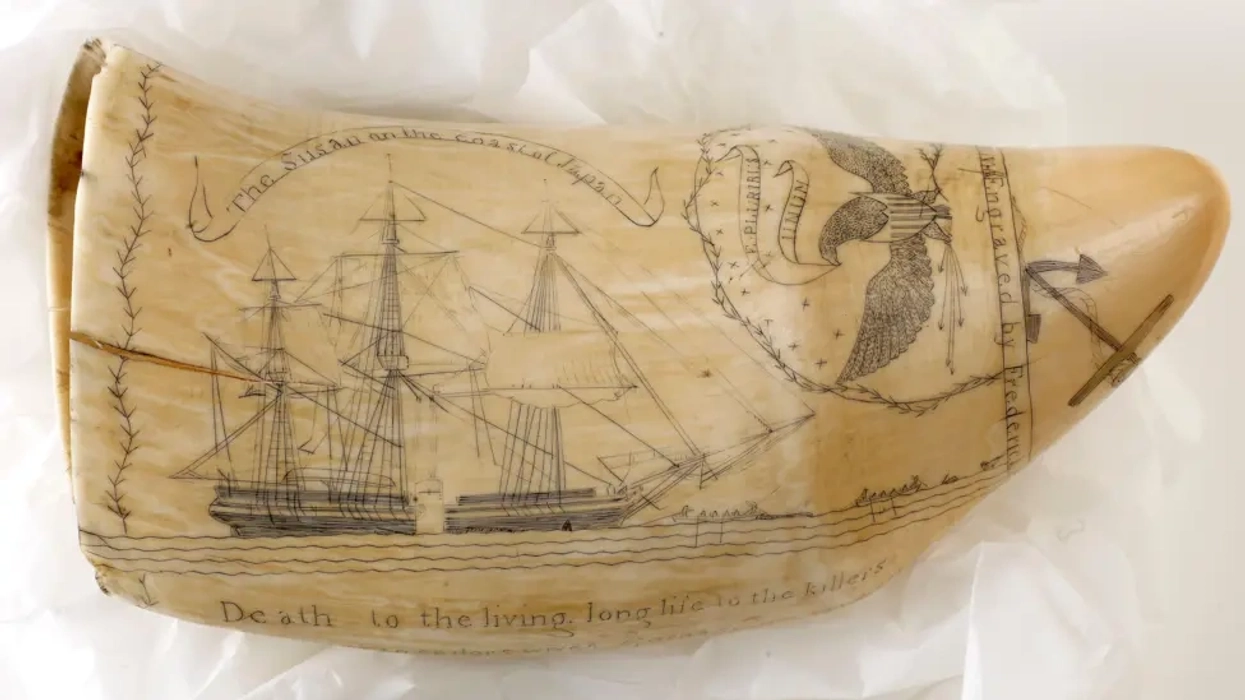
Scrimshaw collection
The redesigned museum has doubled its public space and will showcase 50% more objects from the collection, with approximately 1,300 items available across the galleries and open storage areas, many of which are on public display for the first time.
Through immersive galleries, major new exhibits, and internationally important collections, the museum narrates Hull’s 800-year maritime history. This history has influenced trade, migration, fishing, and whaling across Britain and beyond.
Today, Hull and the Humber continue to be the UK’s busiest port complex.
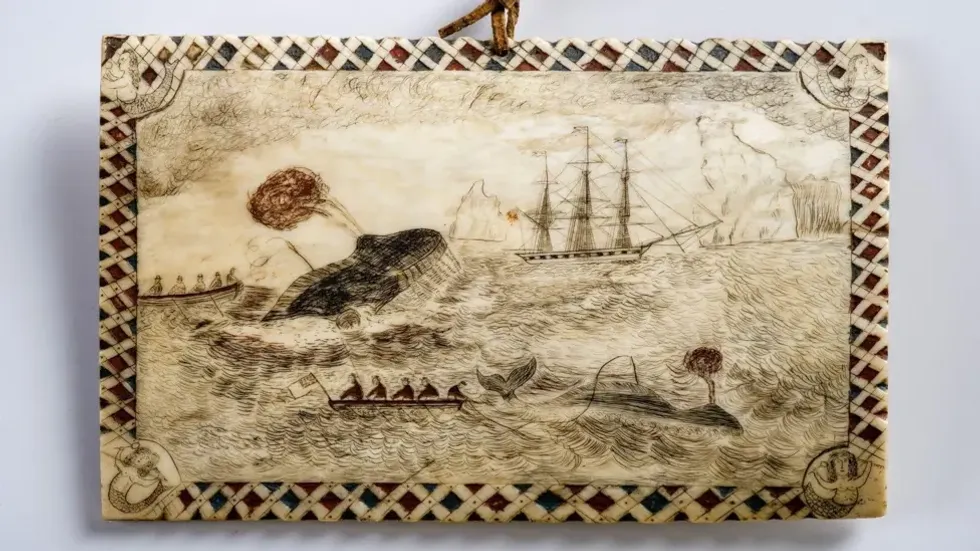 A dramatic whale jawbone plaque depicting an unusual bowhead whale hunt with icebergs in the background and mermaids in the decorated border Image courtesy of Hull Maritime Museum
Highlights include rare scrimshaw pieces, intricate folk art made from whale bone and teeth, from what is likely the largest collection outside the US. The collection spans over two centuries of whaling history, from early 19th-century sperm whale tooth engravings on ships to 20th-century whalebone folk art.
A new scrimshaw gallery will debut to the public during the redevelopment.
Other highlights on display include the skeleton of a critically endangered North Atlantic right whale, a species with fewer than 400 remaining worldwide, objects from Sir Ernest Shackleton’s Endurance expedition to Antarctica, and a wooden canoe found beneath Hull during the 1908 construction of the Guildhall, believed to date from between 1636 and 1799.
More highlights
Visitors will also see the wooden dog figurehead from the Sirius, the first steamship to cross the Atlantic using steam power in 1838.
In addition to the permanent galleries, a new community exhibition space will showcase the region’s maritime heritage through objects, images, and videos from local and specialist organisations that preserve seafaring stories.
Built to national museum standards, this environmentally controlled gallery will allow Hull Maritime Museum to host major loans and touring exhibitions.
Councillor Mike Ross, leader of Hull City Council, said: “Hull Maritime Museum will be the centrepiece of a new maritime experience that brings Hull’s maritime history to life. It is continuing our long-term cultural regeneration vision for Hull, which will significantly increase visitors from across the UK and internationally.
“It will ignite our sense of civic pride in our beautiful and historic city. Visiting Hull Maritime Museum will be an unforgettable experience from August, I am sure we will be welcoming visitors from far and wide to Hull to see its maritime treasures for decades to come.”
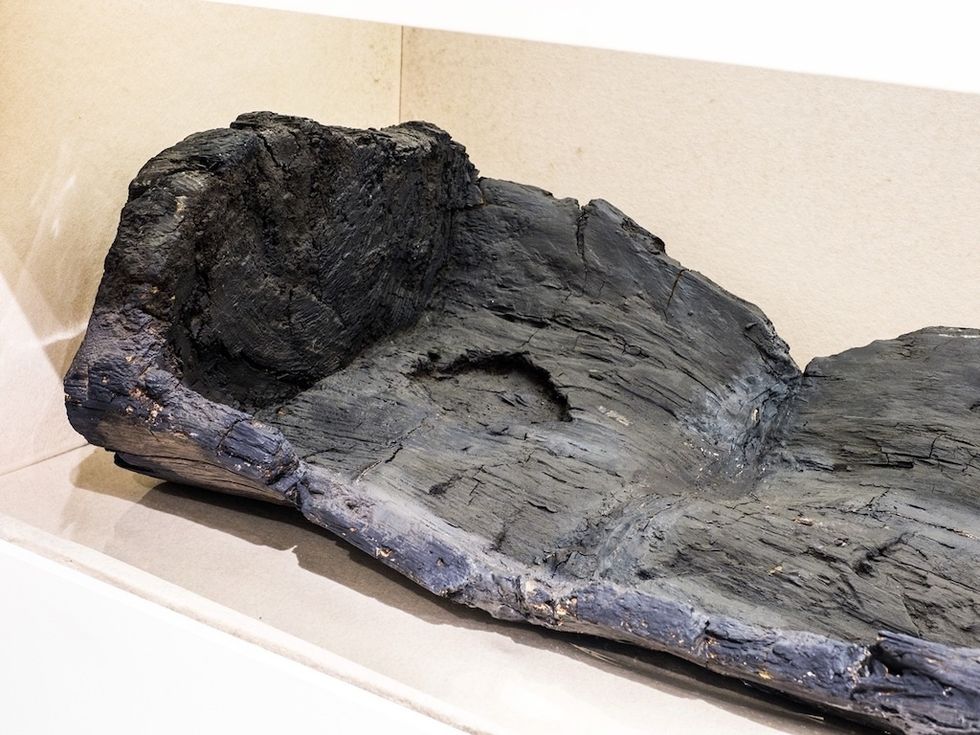 A wooden canoe discovered beneath Hull during the construction of the GuildhallImage courtesy of Hull Maritime Museum
Robin Diaper, curator of social and maritime history, adds: “The new museum allows us to tell Hull’s maritime story in a richer and more ambitious way than ever before.
“Hull is a great maritime city, made greater by its people. Our nationally significant collections will reveal not only Hull’s role as one of Britain’s great maritime cities, but also the human stories, creativity and global connections that grew from life at sea.”
The museum refurbishment is part of the Hull Maritime project, a bold initiative to restore and reconnect Hull’s rich maritime history, architecture, and collections.
Last year, the South Blockhouse project, a new visitor attraction on the site of a Tudor castle in Hull, was granted planning permission.