
One of the earliest decisions in an immersive project - and one of the most consequential - is the choice of intellectual property. It is often approached as a creative question: what story are we telling, what world are we inviting audiences into, what brand will resonate most immediately?
In practice, however, it is not simply a creative decision. It is a structural one, and it shapes how the project will function long after the concept is agreed.
Working with established IP can create immediate momentum. Recognition reduces friction in early conversations. It signals a degree of built-in audience awareness and can make it easier to engage partners and capital.
That advantage, however, comes with a set of contractual realities that are frequently underappreciated at the outset.
Licensed IP introduces approval rights, usage restrictions, and economic participation that extend well beyond the initial concept. Those provisions do not sit passively in the background. They actively shape how the project moves through development and production.
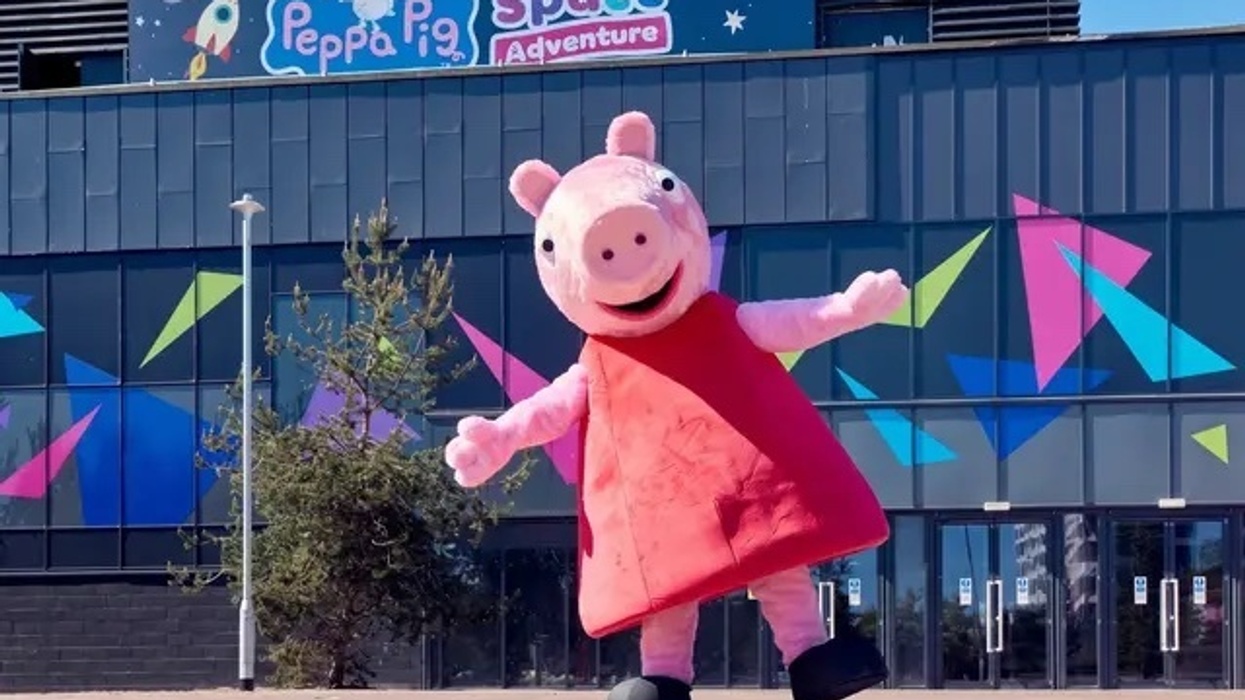
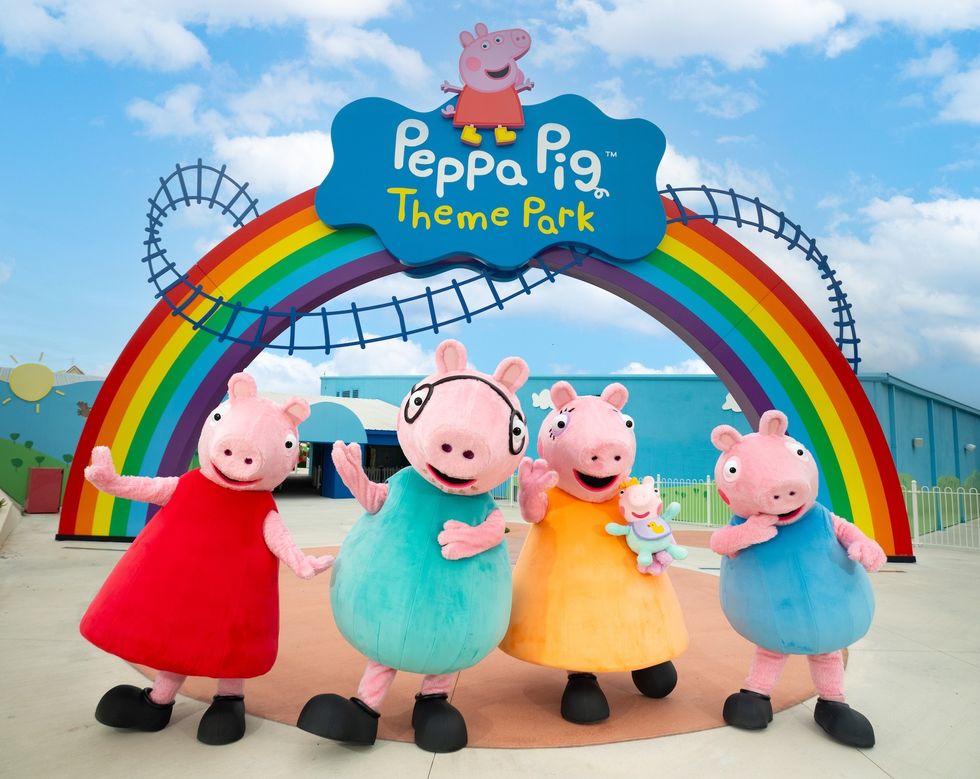 Popular brands like Peppa Pig bring in visitors, but can also often come with strict regulations to protect brand integrity Image courtesy of Merlin
A common issue arises around approval structures. IP holders are rightly concerned with protecting brand integrity, and as a result, agreements often grant approval rights across a wide range of creative and design decisions.
The challenge is not the existence of those approvals - it is how they are structured relative to the pace and realities of development.
When approvals are not categorized appropriately, they can create a situation in which nearly every decision requires review, regardless of its actual impact on the brand.
See also: Why most immersive projects never get built and how to make sure your project is realised
Approval structures are key
Consider a project built around a recognizable entertainment property. The developer secures the license and moves quickly into concept development, producing strong early materials that generate enthusiasm.
As the project transitions into detailed design, however, each iteration - set design, narrative adjustments, even technical integration decisions - requires multiple rounds of approval from different stakeholders within the IP holder’s organization.
Feedback cycles extend from days into weeks. What should be an iterative process becomes sequential. Production timelines begin to slip, not because of creative disagreement, but because the structure does not support efficient decision-making.
 Minecraft Experience: Villager Rescue is a great example of an IP-based immersive experience Image courtesy of Minecraft Experience
The issue in this scenario is not that the IP holder is difficult or overly restrictive. It is that the agreement failed to distinguish between decisions that materially affect the brand and those that do not.
Without that distinction, everything is treated as critical, and when everything is critical, nothing moves quickly.
When the approval framework is revisited - defining categories of decisions, pre-approving certain parameters, and delegating day-to-day authority - the dynamic shifts.
The same IP, the same team, and the same concept begin to move at a different pace because the structure now supports the realities of development.
Established or original IP?
Original IP presents a different set of challenges.
Without the validation of a known brand, the project must establish its own credibility. That credibility is not derived solely from the concept. It is derived from whether the project can be understood as a viable business.
Questions of exclusivity, ownership, scalability, and long-term value become central. If those elements are not clearly defined, capital may hesitate - not because the idea lacks merit, but because the structure does not provide a clear path to value creation.
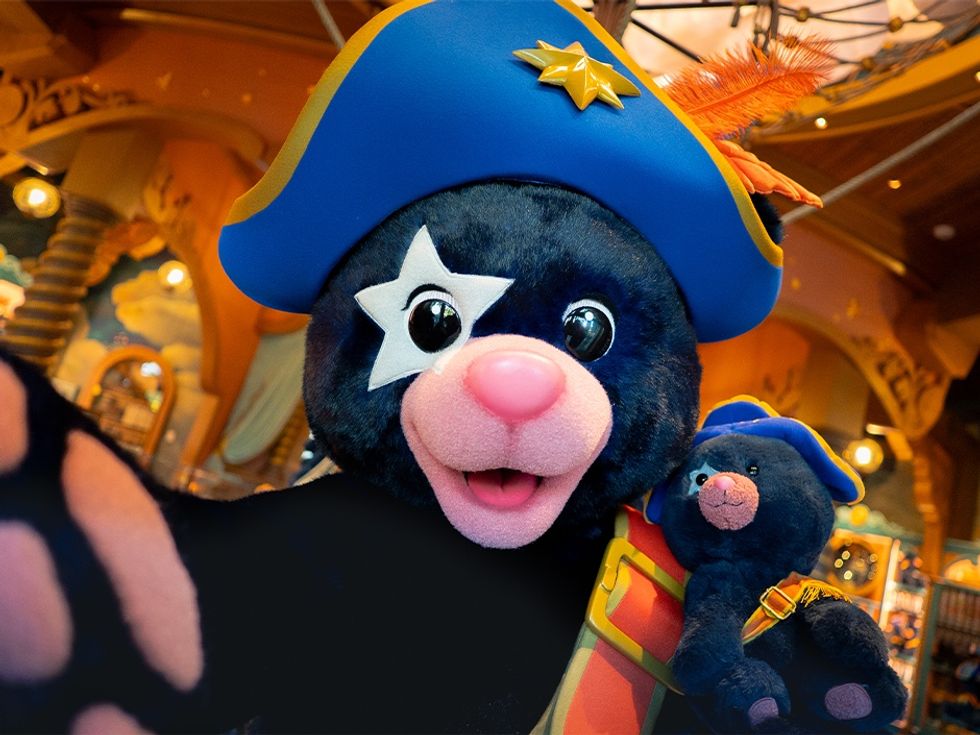 Captain Cacao, Universal's original character introduced for Epic's first anniversary, shows how in-house IP can be just as effective, though it comes with a different set of challenges Image courtesy of Universal
The decision between licensed and original IP is therefore not simply about creative preference. It is about control, timing, economics, and long-term flexibility. It determines how quickly decisions can be made, how value will be shared, and how the experience can evolve over time.
In immersive, IP strategy is commercial strategy. And once that decision is made, its implications are extremely difficult to unwind.
In our next article, we turn to the concept itself - where creative ambition is highest, but where many projects begin to drift because they have not yet been reconciled with what it will actually take to build them.