Cirque du Soleil, a world-leading live entertainment and experiences company, has identified three elements that ensure live performance remains irreplaceable, informed by four decades of experience delivering wonder-filled experiences in an uncertain and fast-changing world.
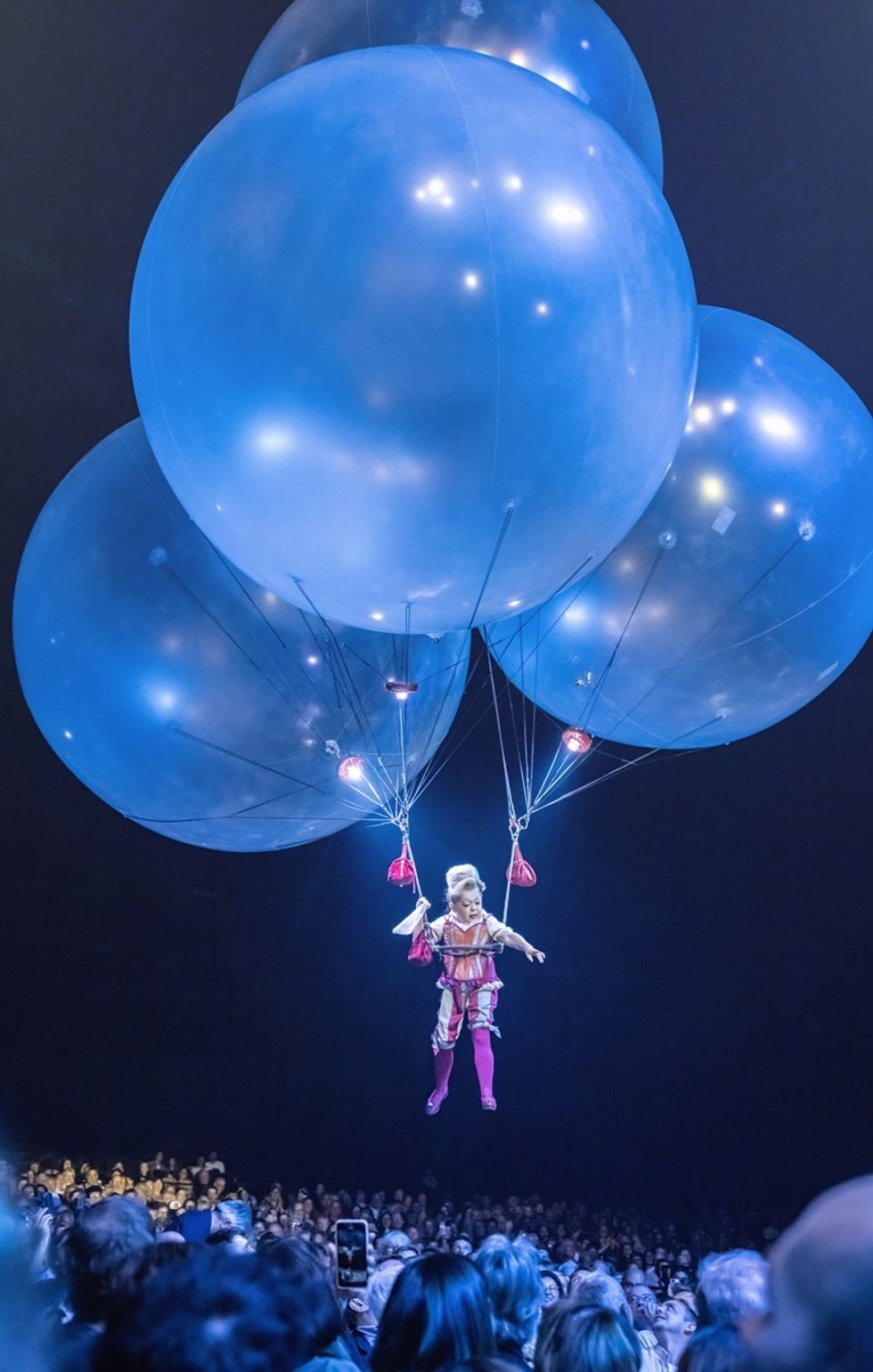
Valentyna Paylevanyan performing in The Helium Dance as part of Cirque du Soleil's dreamlike production, Corteo
Image courtesy Johan Persson
The industry is now creating more content than ever before, at an accelerated pace and on a larger scale.
However, as the volume of content increases, audiences are increasingly turning away or paying less attention.
As wars, economic instability, rapid technological change, and the climate crisis reshape the entertainment landscape, audiences are responding to this uncertain world by seeking moments that feel rare, authentic, and shared.
Cirque du Soleil says that this shift consists of three distinct elements: what audiences choose to watch, what they seek from the experience, and the communities they wish to belong to.
The value of rarity
As technology advances, the entertainment available has become almost endless, while audience attention remains a scarce resource. This intensifies competition among formats, platforms, and cultural moments, both accelerating development and shortening lifecycles.
A series, show, or format that may have once held an audience for years can now lose cultural relevance in just months.
In response, popular characters are frequently used to mitigate financial risk and accelerate audience adoption. The most successful IPs function as expandable narrative worlds that can be deployed across multiple formats and markets simultaneously.
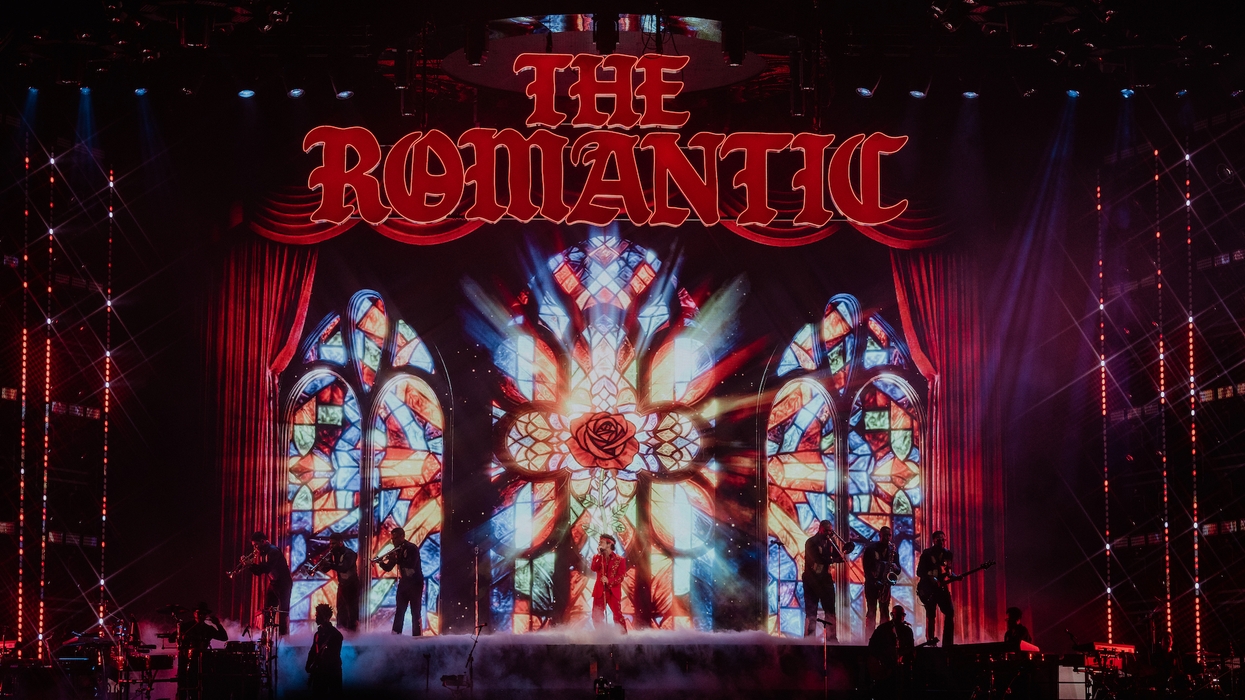
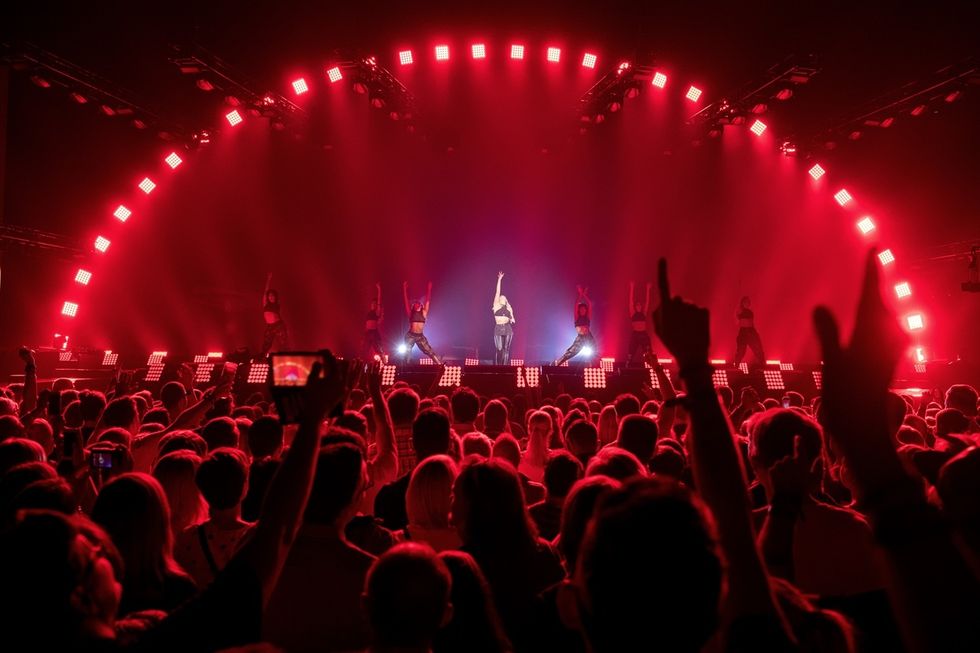 Helene Fischer performs in an arena during her world tour, created in partnership with Cirque du SoleilImage courtesy of Cirque du Soleil
Yet even these tested franchises are now showing signs of declining popularity and narrative fatigue, unable to reinvent themselves at the pace of shifting audience tastes.
This is the space where the market is polarising. On one side lies high-volume content, such as you might find on TikTok, and, on the other, spectacular experiences designed as unique events, such as Taylor Swift’s Eras Tour. According to Cirque du Soleil, anything in between is vulnerable.
Faced with so many options, audiences now seek experiences that are not just rare, but are extraordinary. And the threshold for wonder keeps rising, driven by attractions such as the Sphere, the entertainment districts in the Middle East, and large-scale opening ceremonies.
Authentic, participatory experiences
The move toward experience over content is accompanied by a shift in audiences' preferred formats. Immersive spaces that are physically inhabited deliver far greater emotional engagement than those that are passively observed.
This can be seen in Masquerade, an immersive experience in New York that reimagines The Phantom of the Opera; Secret Cinema's interactive approach to movies; and teamLab’s multisensory exhibitions, which redefine expectations for the gallery space.
And the desire for participation reflects a broader need for agency.
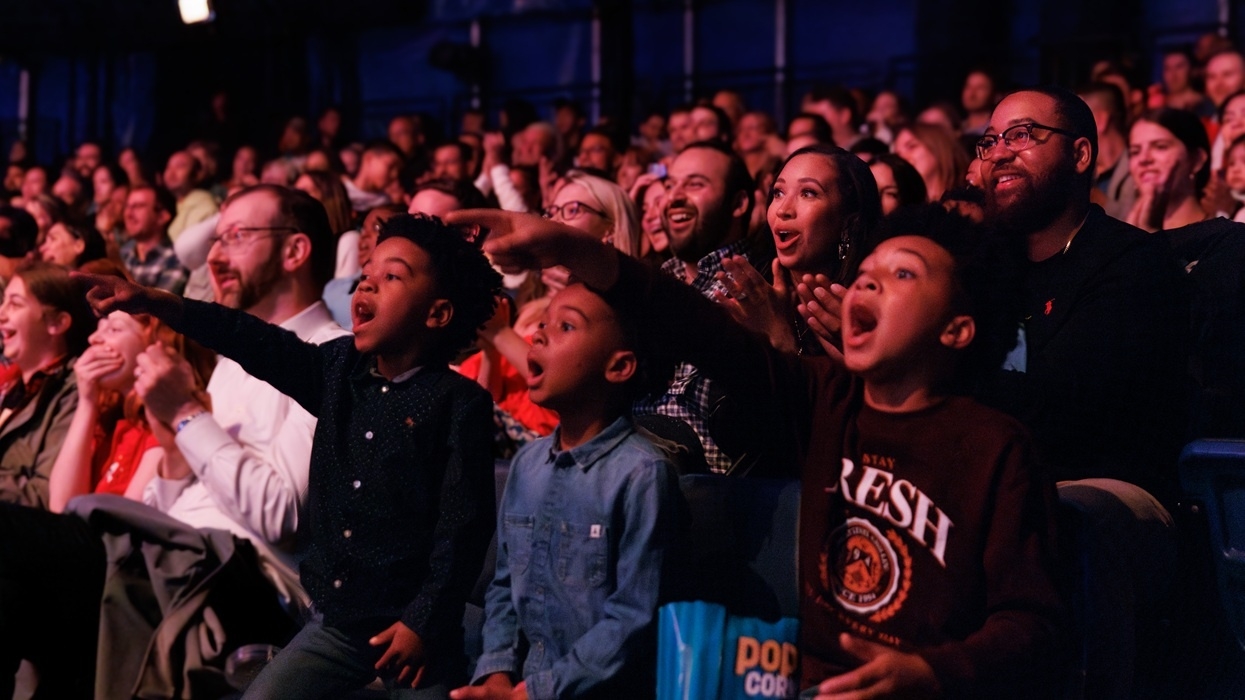
Audiences want to express themselves, see themselves reflected in their experiences, and emerge transformed, rather than merely having watched. In our increasingly uncertain world, live experiences can serve as spaces for emotional processing and collective catharsis.
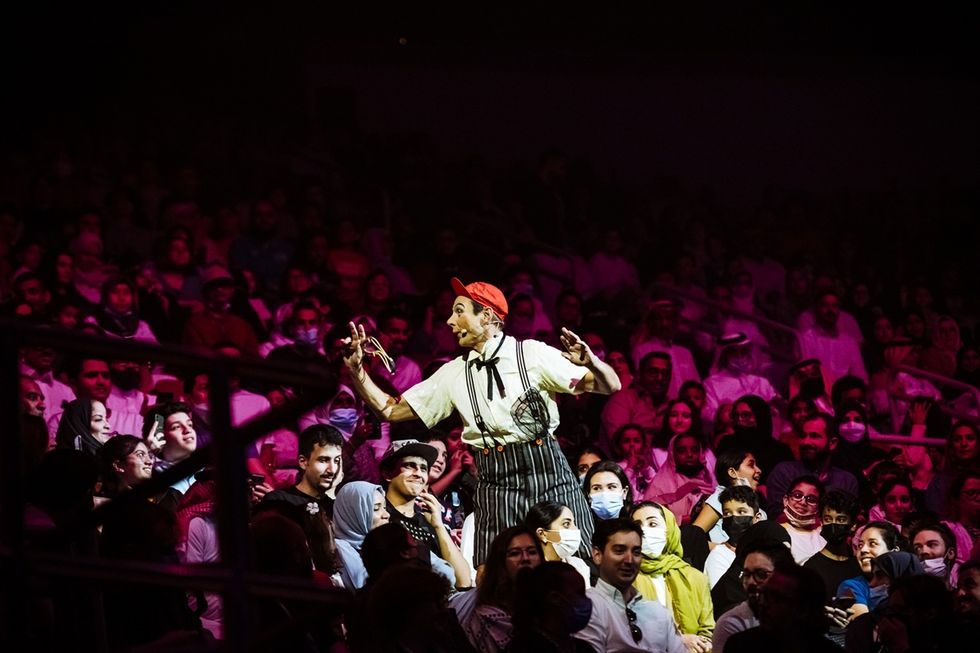 A clown interacts with the audience in Cirque du Soleil's production, Fuzion: The Best of CirqueImage courtesy of Cirque du Soleil
This connection can be deepened through the careful use of technology. Entertainment is now conceptualised as an interaction between the physical and the digital, rather than a choice between the two.
ABBA Voyage, Fortnite concerts, and immersive venues like COSM use technology to enhance emotion and immersion without substituting for the live experience. Furthermore, streaming, virtual extensions, and online fan ecosystems extend the reach and lifespan of a live moment rather than replacing it.
Some uses of technology, such as digital performers that appear across all platforms, seek less to deepen the connection than to imitate it.
It is vital that entertainment companies learn not to cross this line between deepening experiences and replacing them, says Cirque du Soleil.
Personalised and shared
The entertainment industry is increasingly dominated by major companies with vast reach, and that control their entire value chain, from IP creation to distribution, across interconnected platforms.
But scale alone does not create connection. In contrast, audiences want to feel recognised as individuals and expect personalised experiences where every interaction and recommendation seems tailored specifically to them.
This is coupled with a desire for a broader sense of community. Amid social fragmentation and growing isolation, large-scale live gatherings now serve as genuine social rituals.
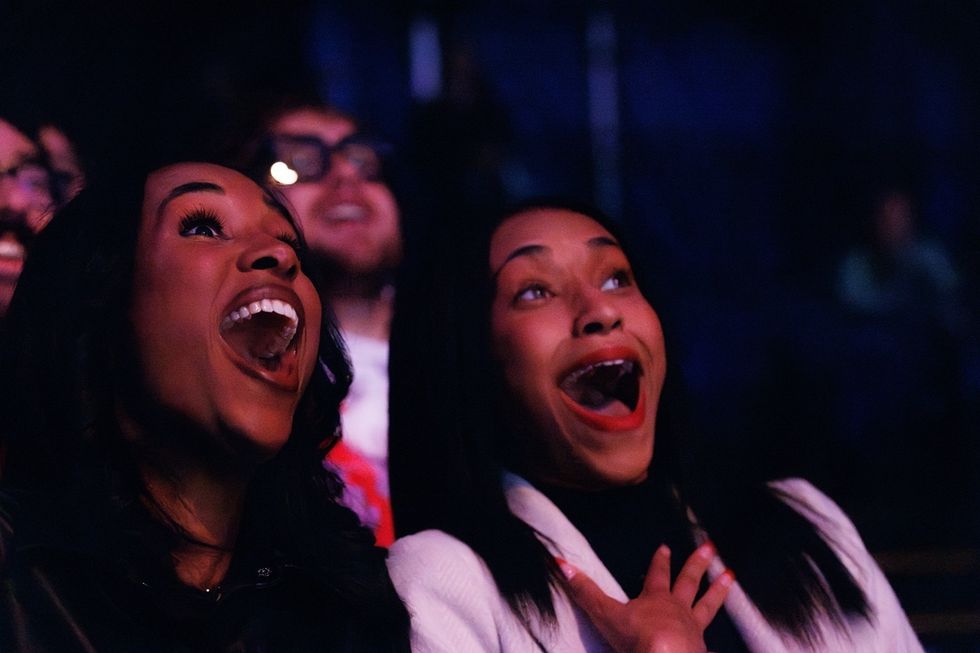 Audiences now seek experiences that deliver deep emotional engagement and leave them feeling transformedImage courtesy of Cirque du Soleil
Fandoms have evolved from passive fan bases into self-organised communities that generate meaning, identity, and economic value long after the show itself has ended.
Ultimately, the most loyal audiences seek not just to witness an event, but to be part of it, share in it, and make it their own. Social sharing then brings a sense of urgency to experiencing these moments.
Companies that overlook this may gain short-term visibility, but lose long-term loyalty, the sector's most valuable asset.
Three defining factors
Cirque du Soleil highlights how rare, authentic, and shared are not three separate trends, but three key elements in the transformation of the live entertainment sector.
In a saturated, consolidated, and increasingly IP-reliant industry, the future of live entertainment lies in distinctive experiences that offer authentic connection, rather than in interchangeable formats or disposable franchises.
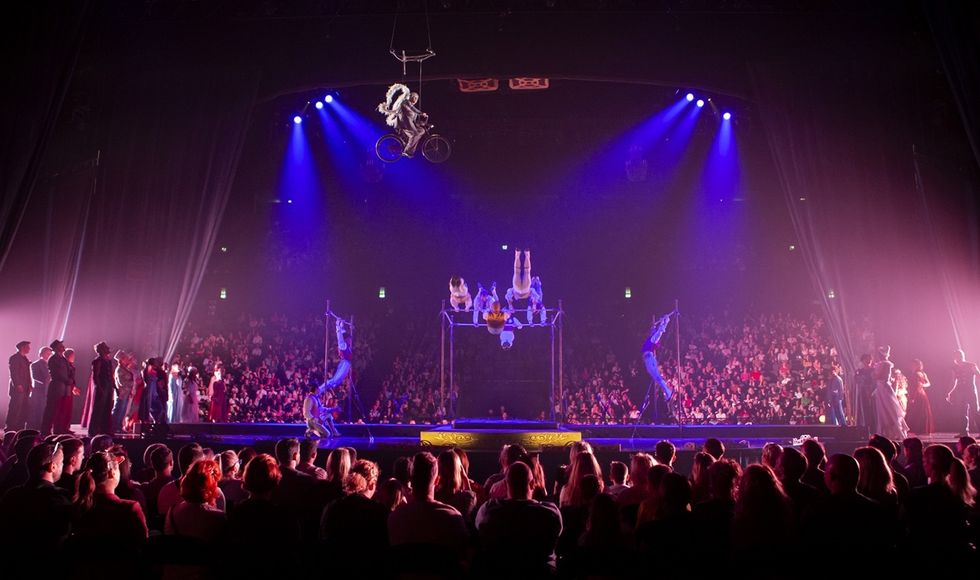 Mauro the Dreamer Clown and the high bar act in the long-running Cirque du Soleil production, CorteoImage courtesy of Maja Prgomet
For more than 40 years, Cirque du Soleil has operated in this space, where wonder becomes a shared human experience rather than merely a show.
In a sector where attention is scarce and expectations shift rapidly, this conviction remains the company’s greatest competitive advantage.
Last month, Cirque du Soleil revealed that it will feature 13 Olympians across its global portfolio in 2026. While this extraordinary number of top-tier athletes is rarely seen outside an Olympic training centre, it is standard for a Cirque du Soleil production to feature world-class sportspeople.