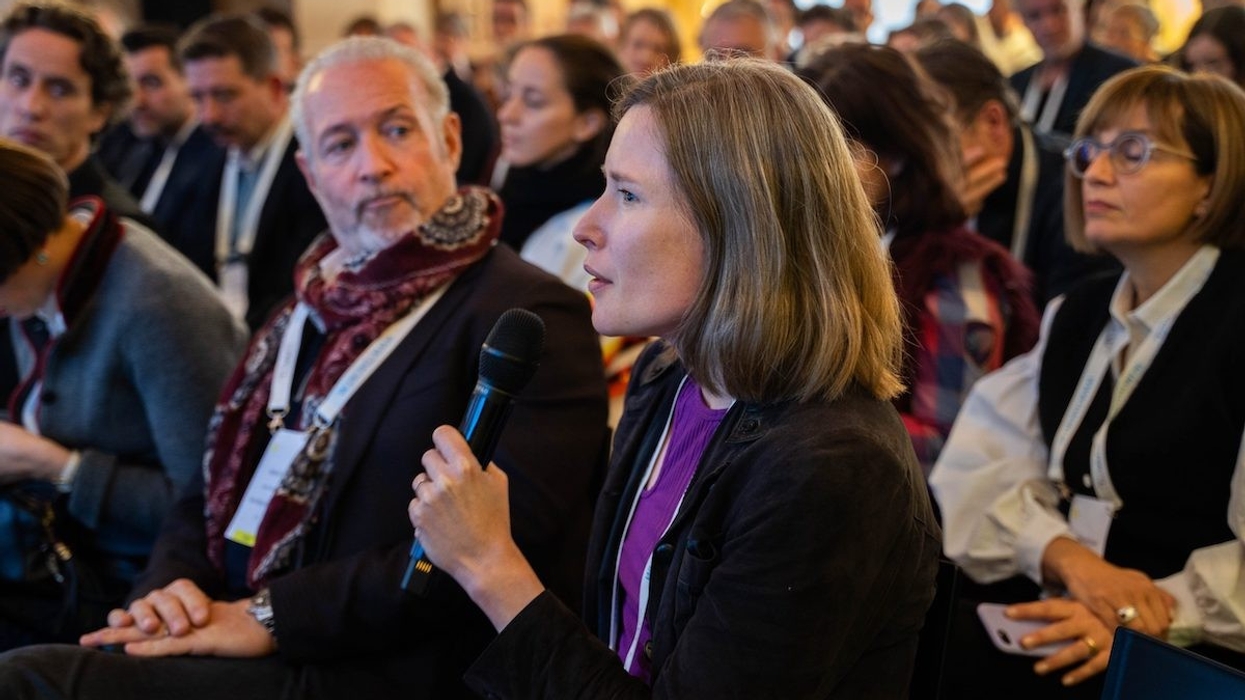
During the Power of Play: Innovation in Brand Realisation session at the blooloop Festival of Innovation in 2026, expert guest speakers discussed how to bring a successful game IP to life, how to appeal to a diverse audience, and brand LBE trends.
Our guest speakers for the session were Renae Brown, associate manager, LBE EMEA at Hasbro, and Tom Lionetti-Maguire, founder and CEO of Little Lion Entertainment.
Meet the speakers
As part of the global experiences team at Hasbro, Brown identifies and manages immersive, physical brand opportunities that leverage Hasbro’s well-known IP portfolio. Brown has played a key role in testing innovative experiential retail formats and turning brand narratives into scalable, tangible destinations.
Lionetti-Maguire is the founder of Little Lion Entertainment, the UK’s largest immersive theatre company, and creator of the Arcade Arena real-life video game experience. He is passionate about all aspects of the leisure and entertainment business.
The brand realisation session opened by exploring the challenges of translating tabletop, player-driven games such as Dungeons & Dragons into a location-based entertainment (LBE) experience.
“D&D is probably one of our most intimidating IPs to try and bring to life, precisely because it's so open-ended. And the joy of D&D comes from freedom, imagination and players owning their story,” Brown said.
Bringing IPs to life
“Whenever we develop a new LBE experience with our partners, we start by looking at the core fundamentals of how it's traditionally played at home, and then we ask, ‘How do we bring those fundamentals to life in a way that can't be replicated at home?’
“For D&D, that meant focusing on how it feels to play, which can be collaborative, unpredictable, sometimes chaotic, and deeply personal to the player. For the immersive quest experience, in particular, the team designed a mix of linear as well as open world moments, instead of a completely linear path, which was quite tricky.”
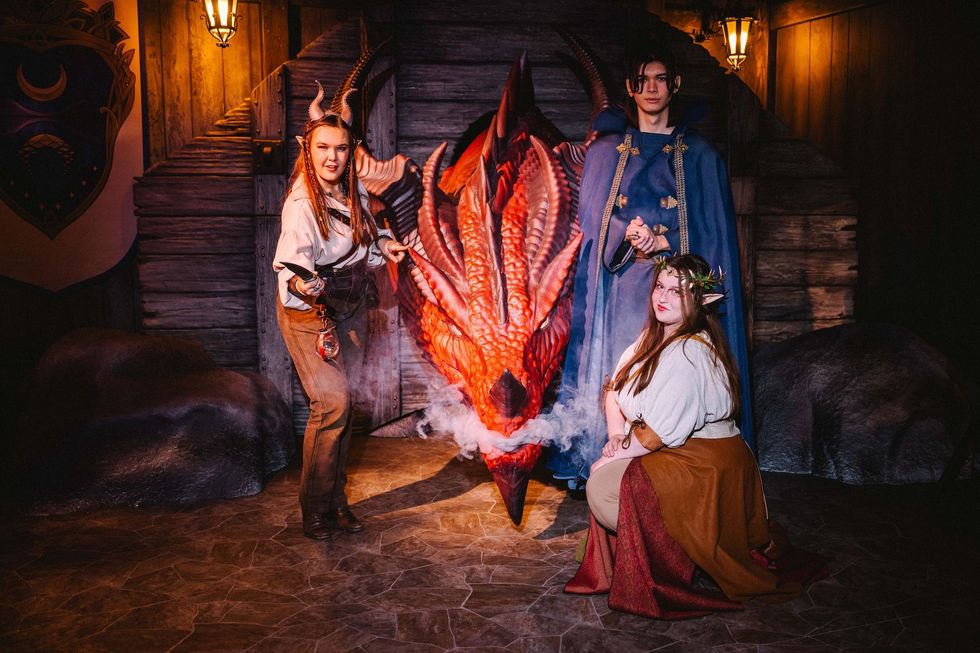 D&D immersive experience
She added: “What differentiates playing D&D at home to the experience is the theatrical scale. In particular, the set pieces and physicality are impressive, and players have the freedom to create their own destiny.
"They get to decide on their own character, which games they want to play, how to earn points, whether they want to work solo or as part of a team, and all within a structure that works operationally and remains accessible to non-D&D fans, too.”
In the video game LBE world, Little Lion Entertainment has adapted iconic titles such as Tomb Raider and Pac-Man into interactive and immersive experiences.
“You've got to understand that these games, these brands, are hallowed ground for many. You've got to come in with love and respect for the brand to begin with,” Lionetti-Maguire said.
“Tomb Raider was interesting because we had to find a niche, a section of that world, and really deliver that. There can be a danger of spreading yourself too thin with these massive open worlds. Imagine trying to create Fortnite short of buying a whole Island. It’s a case of less is more with the big worlds."
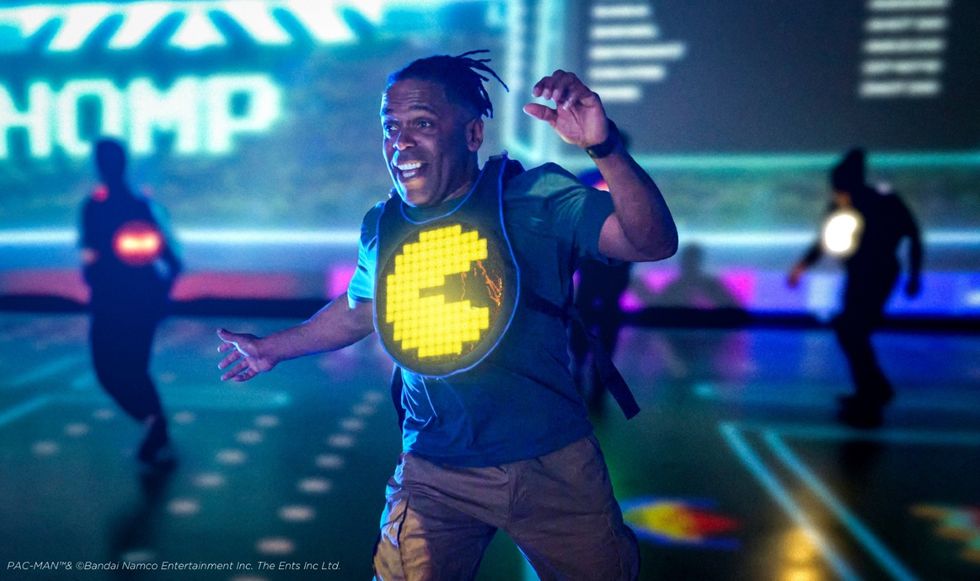 Pac-Man Live Experience
“With Pac Man, it was a different story because it's one of the oldest video games going. It's probably one of the most famous. But the gameplay is relatively set, and the challenge was how to blow it up and bring it into the real world, and how to keep it super engaging," he added.
“What we did with our partners at Bandai Namco was built in new levels, and ramped up the difficulty. So by the time players get to level 10, there are six ghosts and it's absolute chaos. It's genuinely terrifying.”
Lionetti-Maguire said: “With everything that we do, we ask, ‘Where's the fun?’ I said on a panel recently that Punchdrunk are the Beatles of immersive, and we're the Spice Girls. Everything that we do is big and silly and fun, and that's the heart of it, that's our ethos, and it's worked for us, and hopefully it will continue to work.”
The session then shifted focus to the importance of creating and delivering LBE experiences that appeal to a diverse audience.
Appealing to a wider audience
“You can make it feel authentic and challenging in different ways,” Brown said. “That could be through onboarding, storytelling, and allowing success in different ways. That's not just skill.
“If you can design a core mechanic that anyone can understand in seconds, but allow additional depth for those fans who want to go deeper, then that’s brilliant. Social play is also critical, so when you're playing as a group, failure becomes part of the fun. It's not intimidating. Any failure should be playful instead of punishing.
“The perfect example of this is when you get sent to the real-life Monopoly jail at Monopoly Lifesized. Yes, it's technically a failure, but they've turned it into a fun challenge room that some players actually try to visit, because it's such an iconic part of the game.”
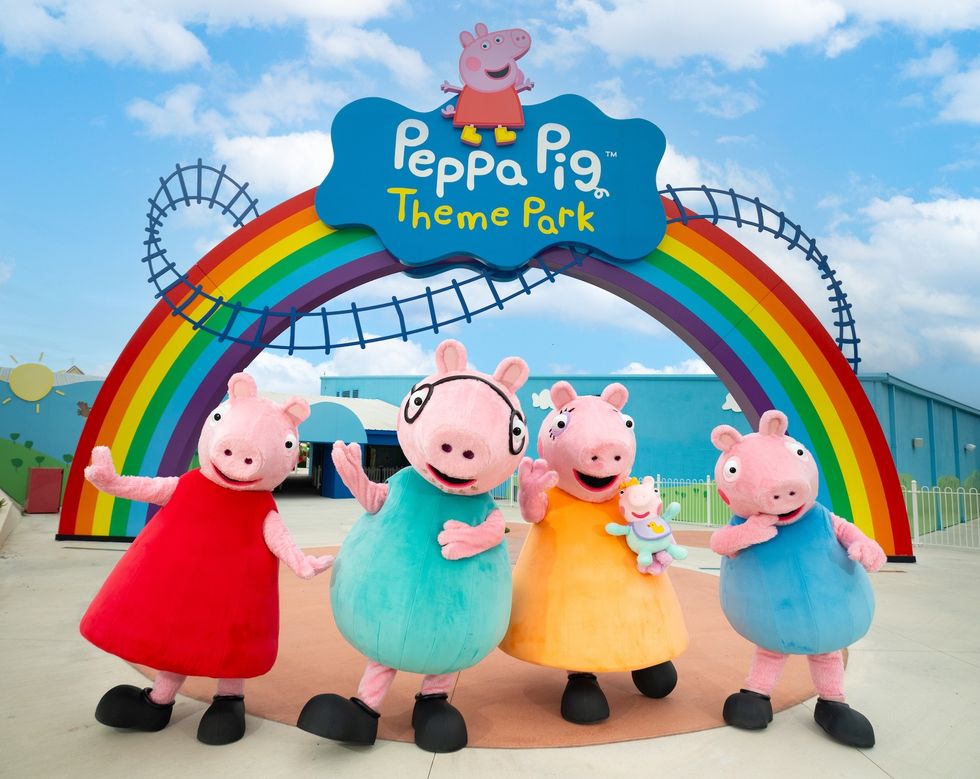 Baby Evie arrives at Peppa Pig theme parks
Alongside being a global top 5 toy brand, Hasbro is also the world’s fifth-largest licensor with blockbuster brands such as Transformers, My Little Pony, Monopoly, Play-Doh, Nerf, and Peppa Pig.
Brown added: “With our Hasbro gaming brands in particular, we're lucky because they've got such a heritage, and they've been around for so long that most households own or have owned one or more of our games at some point in their lives. So when they're coming into a live experience, they have some initial understanding of what the gameplay might be.
“Our job is to add surprise and delight elements on top; things that you can't do when playing it at home.”
Moving to repeatability, she said: “What really drives repeat visitation is meaningful choices, variation and the evolution of experiences. And, when consumers can genuinely affect the outcome of something that they're doing, they will want to come back and try it again and again."
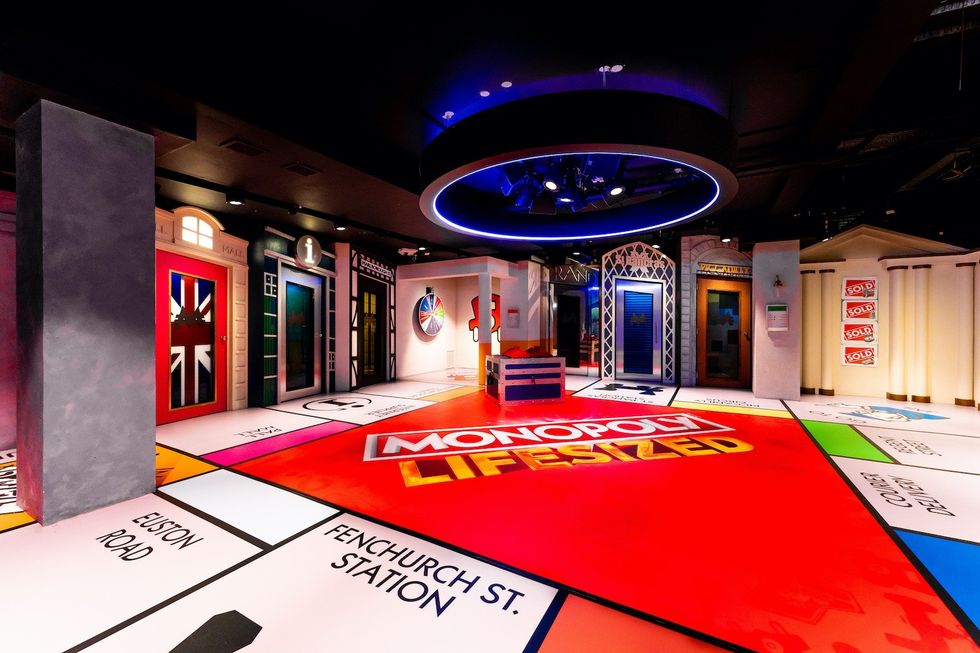 Monopoly Lifesized (London, UK)
“Using Monopoly Lifesized as the example, at the London site, we've got four boards that people can play: luxury, classic, city, and own it all. Each has their own unique challenge rooms and theming," she added.
“Experiences can't stay stagnant. They need the ability to refresh with things like seasonal overlays, narrative updates and new characters. Our Peppa Pig afternoon tea bus adds a festive menu at Christmas to change things up.
"Our Peppa Pig theme parks add Christmas costumes to the characters, so that meet and greets at different times throughout the year can be unique.
“We also had a huge narrative update, with Peppa Pig last year welcoming a baby sister to the family, which meant that all of our experiences had something new to implement and celebrate.”
Renewable and refreshed experiences
Experiences can also be renewable, Lionetti-Maguire said:
“From the very start, all of our experiences have been built to be renewable. With the Crystal Maze Experience, we can change the zone and all of the games, and effectively offer a completely new experience. The Arcade Arena takes that to the nth degree, as a giant video game box.
“This is the future of LBE and entertainment – these multi-purpose-type venues.”
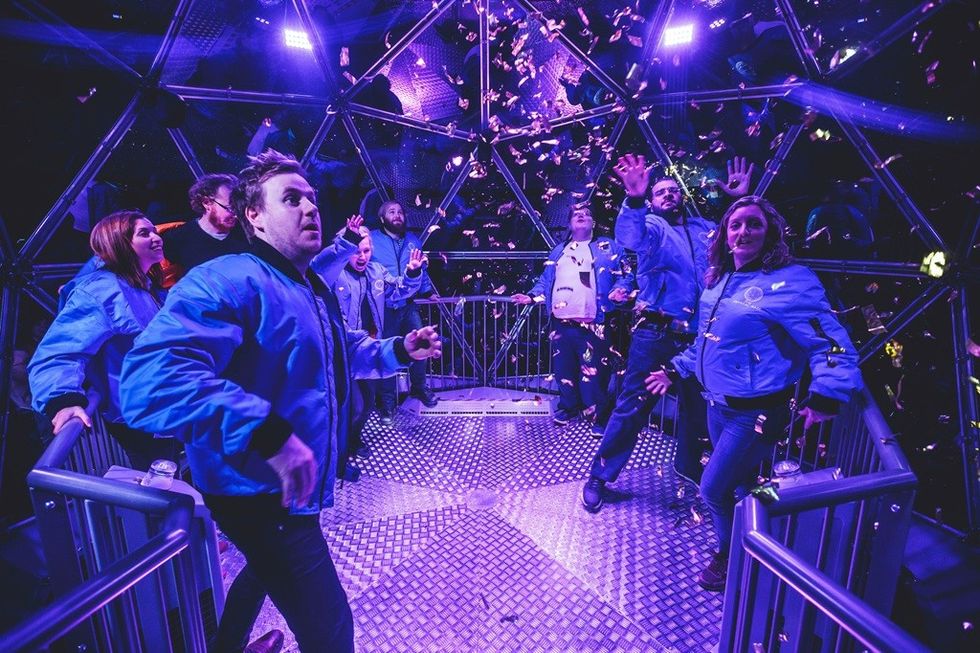 Crystal Maze: The Live Experience
Creating a legitimate LBE experience isn’t easy, he added:
“Immersive LBE is in its teenage years. It’s maturing, but it’s still getting there. It’s not as grown-up as the theme park world, for example.
“That means there has been a bit of a gold rush into it, so you can get some slightly less scrupulous operators, and they find very quickly that it’s not easy.
"That’s not amazing for the consumer, because it can be difficult to gauge what’s legitimate and what isn’t. Some new entrants into this world think that you can just slap an IP onto a thing and make it an experience, and that’s absolutely not the case.”
Brown said:
“When we open a new experience with our partners, it’s just the beginning. We’re constantly assessing and adjusting as we go in real time. I think the best experiences are the ones with brand authenticity, operational reality and guest enjoyment all in balance. If one of those is out of sync, then the experience is going to struggle."
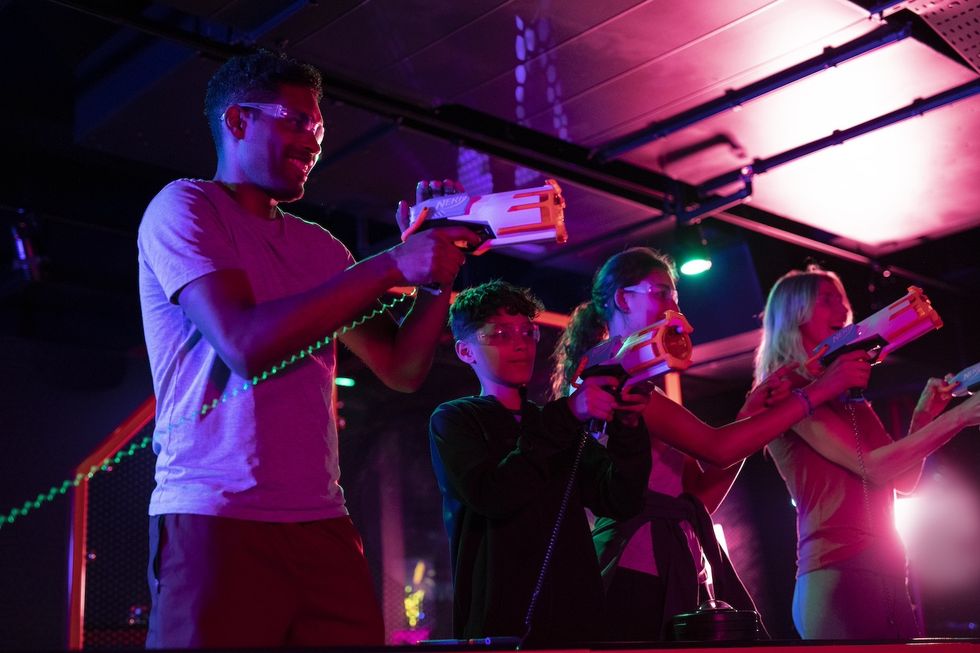 Nerf experience
She added: “We've had projects where we've put a lot of time and focus on what we thought was going to be the hero element, and actually, something else has resonated far more strongly. It's okay to pivot based on feedback once experiences are open as well, and also, sometimes fixing something doesn't mean throwing more money at it. It can mean simplifying and clarifying as well.”
Challenges in LBE development
Among the biggest challenges when it comes to developing an LBE experience are finding the right partners and locations, as well as innovating and securing funding.
“For us, some of the challenges that we face sometimes are finding the right partners to work with. There are lots of operators out there, and we like to find that we're working with the right ones. For example, anyone who’s trying to rush to open something is a bit of a red flag, as is anyone who's trying to ‘brand slap’ our brands,” Brown said.
“Then, once we have those partners, a challenge is finding the right locations to open new experiences in. I think real estate can be hugely challenging."
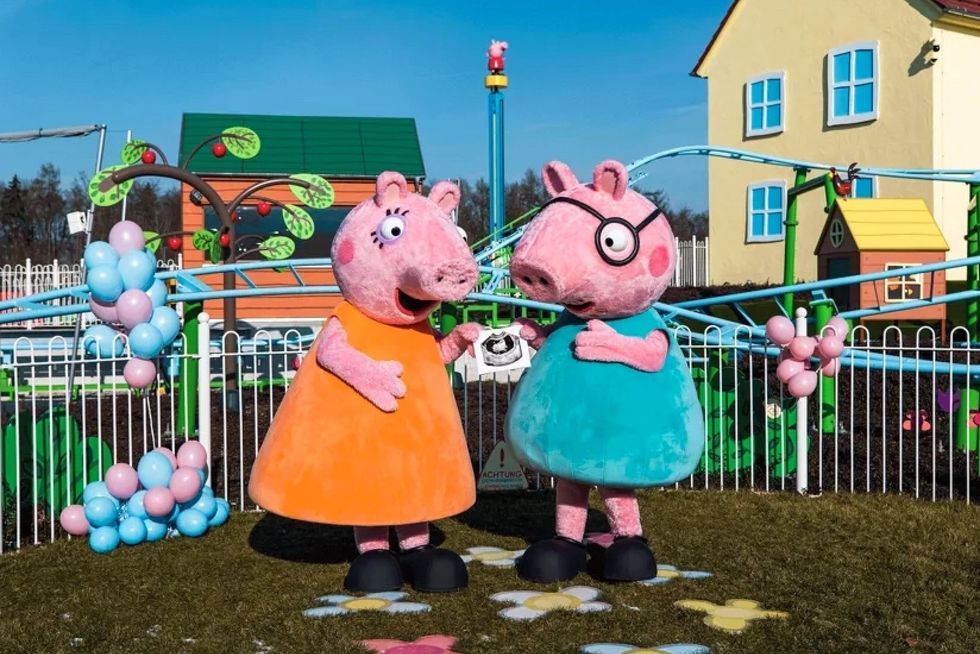 Peppa Pig Theme Park
“From a tech perspective, personalisation and scoring are big areas of focus for us. Any tools that can help track progress, choices and identity across visits without adding complexity to the operations or friction to the guest journey would be really interesting to explore," she added.
“On the personalisation side, we're constantly looking at how we can improve our merchandise offering in the gift stores, for example.”
For Lionetti-Maguire, the biggest challenge is “the British government”.
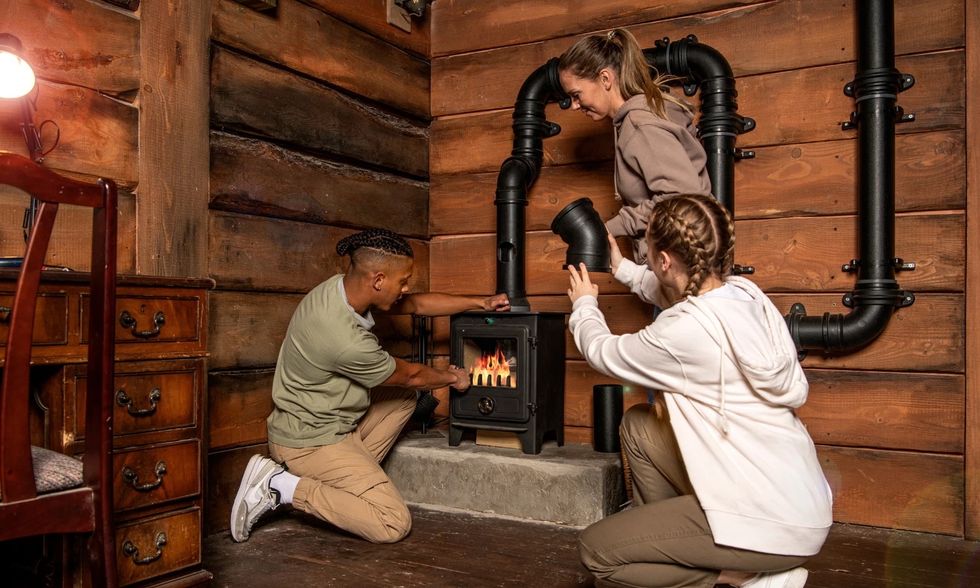 Tomb Raider Live Experience
“We own and operate seven venues, and most of them are in the UK. We pay taxes 15-odd times. VAT is 20 percent, business rates are 15 to 20 percent, so that's a third of revenue evaporated before we’ve even done a single thing, before we’ve hired a single person.
“Furthermore, what we do in LBE isn't recognised, even though it's a billion-dollar industry and is only growing. We don’t get any support, but theatre, restaurants, hospitality, cinema and film do.”
Despite this, “the greatest things in immersive LBE have come out of London in the last 20 years, other than teamLab from Tokyo”, Lionetti-Maguire said.
New unique games
Little Lion Entertainment is expanding its portfolio with new venues and games. Starting with the games, Lionetti-Maguire said:
“We've got three new games in development. Game three is called Alien Invasion, which is laser tag, but the technology has been taken 10x into the future, and it’s set in a fully sci-fi world, in a completely digitally projected space-scape.
“And if that wasn't enough, guests are then pursued by, and shoot at, real-life drones. There is definitely nothing like this in the world.”
The company’s fourth new game “is probably one of the biggest video game IPs of all time, which is really exciting and a little bit terrifying”, he added.
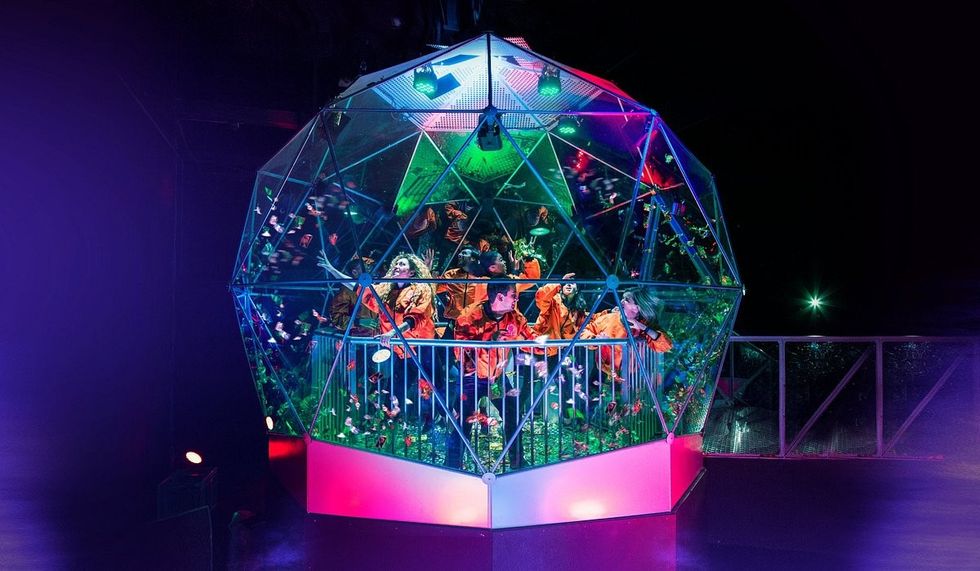 The Crystal Maze Live Experience
Little Lion Entertainment’s productions include The Tomb Raider Live Experience, Pac-Man Live Experience, and The Crystal Maze Live Experience, which is one of the world’s longest-running immersive theatrical experiences.
Its Arcade Arena venues are now in Manchester and Dubai, and last year, the company announced a rollout of the concept across the UK.
“We've got a brand new Arcade Arena coming to London very soon, in the next few months, which is super exciting,” Lionetti-Maguire said.
“We can't build the Arcade Arenas fast enough. The Crystal Maze experiences are huge endeavours, and massive capexes, so we build less of them. We are building a Crystal Maze flagship in Dubai, which is really exciting."
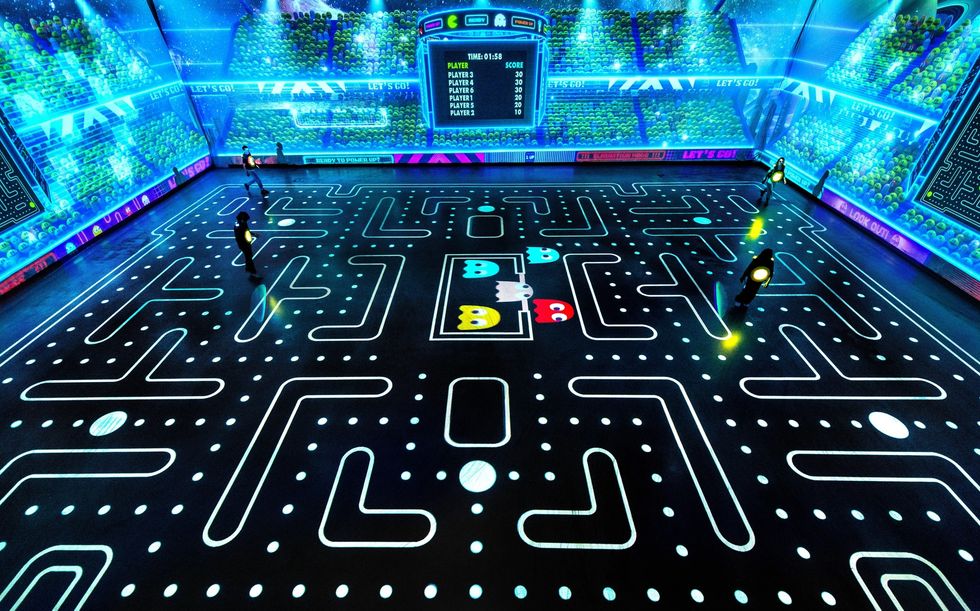
“But we can build a lot of Arcade Arenas and hopefully get into more cities and more games, so that more people can experience these things. I think London and the UK are ahead of the curve with a lot of this stuff," he added.
Brown said: “The UK is definitely a good market to test new immersive and, in particular, competitive socialising concepts.”
Immersive LBE trends
The session finished with a look at trends in the immersive LBE industry. Brown said: “IP is obviously becoming ever more important in this space, along with adaptable formats.
"As the global experience economy grows, IP is important because it sets all the experiences apart from one another, and it signals to the consumers that the experience is of a certain quality, hopefully format-wise.
“Not every market wants or needs a theme park, so there's growing demand for flexible, modular experiences that can scale across geographies and adapt to local audiences.”
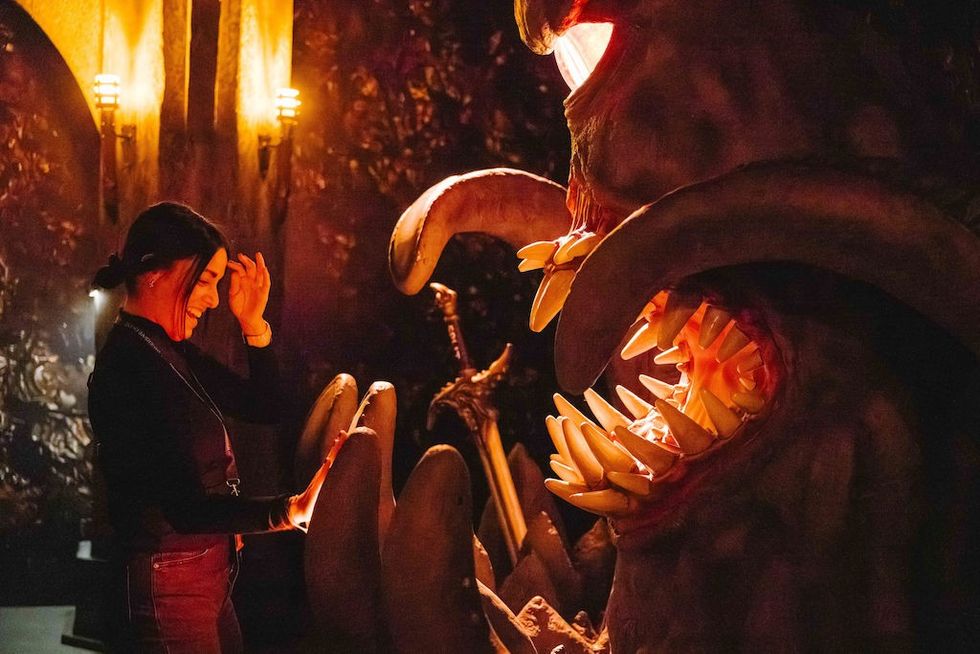 Dungeons & Dragons: The Immersive Quest
On markets, she added: “In terms of markets, geographically, growth markets like Asia and the Middle East continue to be exciting for us, especially for our character and gaming brands. We've also got a lot of white space in Europe.
"Ultimately what's consistent everywhere is the desire for shared social experiences that bring people together in real life."