After more than 20 years on both sides of the attractions technology relationship, Merac managing director Andy Povey believes operators should be demanding more from their technology, their data and, crucially, their suppliers.
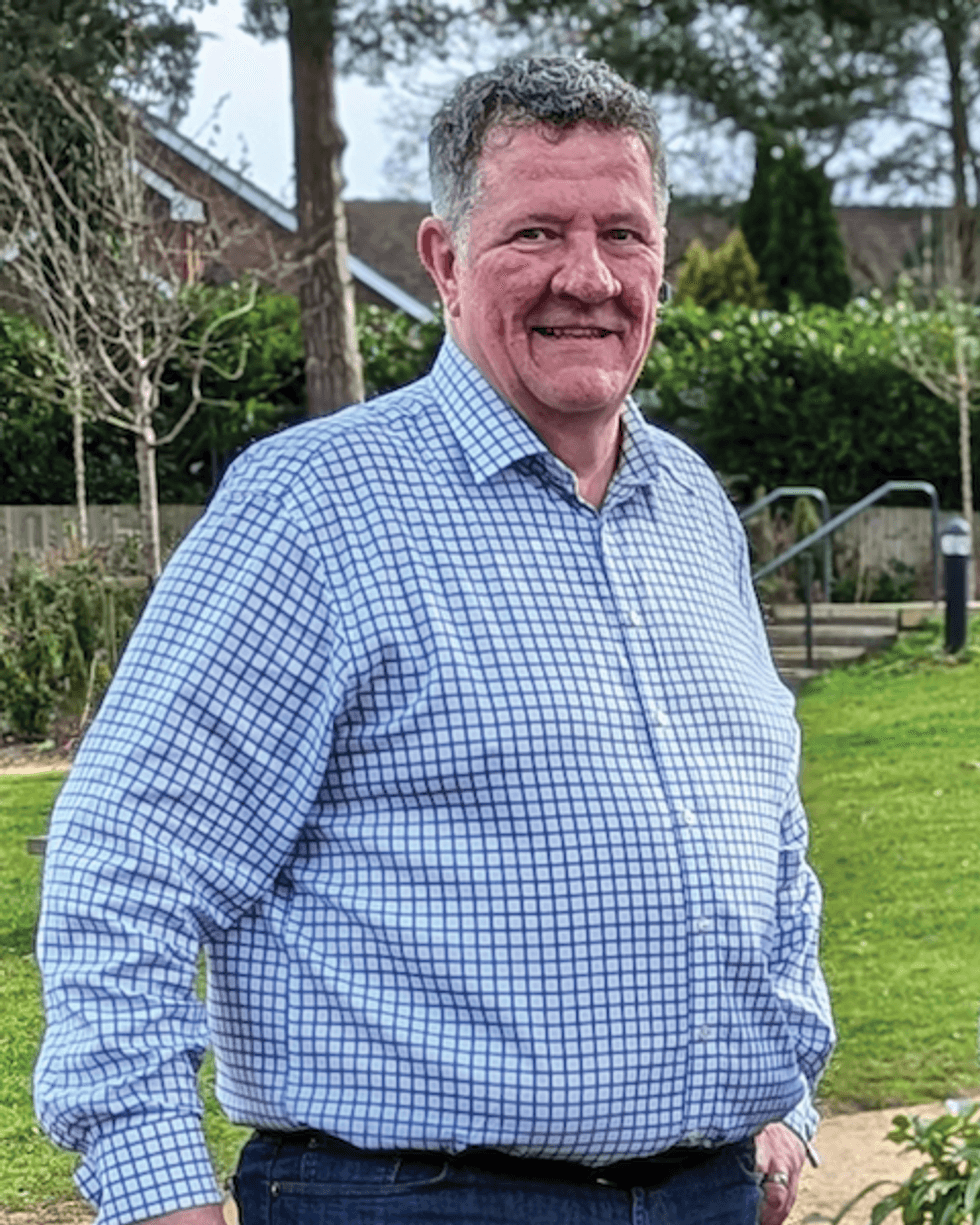
Industry expert Andy Povey, managing director of Merac
“There is something unusual about the visitor attractions industry,” says Andy Povey. “The people who work in it tend to genuinely love it.
“They are people people. They want to create brilliant days out, welcome families, solve problems and see visitors enjoying themselves. And yet, increasingly, they are surrounded by technology.”
For Povey, who has spent more than 20 years working both as an attraction operator and technology supplier, that creates an important challenge.
How do you use technology to make an attraction more efficient without losing the human connection that makes the industry special in the first place?
And as guest expectations continue to change, what should attractions now expect from the technology companies they rely on?
“People only visit attractions once or twice a year, so they accept much more friction than they should,” he says.
“Why isn't it as easy to buy a ticket to go to a theme park as it is for me to get on the bus?”
It is a deceptively simple question, but one that has shaped much of Povey’s thinking since taking ownership of Merac in 2025.
For more than 20 years, Merac has helped visitor attractions manage ticketing and commercial operations. The past year has marked the beginning of a new chapter, with significant investment in the platform, new product launches and a renewed focus on innovation.
But for Povey, perhaps the most important transformation hasn't involved technology at all.
The support surprise
“The most significant thing that we've achieved is a change in culture.”
When Povey took ownership of Merac, he saw more than an established technology platform. He saw the opportunity to bring Merac back into the hands of people who know, love and understand the visitor attractions industry.
That meant reconsidering the relationship between technology supplier and attraction.
“When a customer is in a stressful environment, the last thing you want to do is talk to them about budgets,” says Povey.
“The ethos now is you fix the problem. That's what the customer wants.”
To reflect the change, Merac's support team is now known as its Experience Engineers.
The team includes people with real-world experience of attraction operations, marketing and guest services who can go beyond resolving an issue to offer practical advice and guidance.
“The team love it. People working in any support function are there because they like fixing things. They like helping customers. That's how they're motivated.
“And we're much more efficient when we talk to people. If they filled in a form, there'd be 10 emails going back and forth. Yet a short phone call often resolves the problem.
“It's one of those virtuous cycles where you start making changes, and customer relationships become more friendly.”
Antidote to screen time
Merac's podcast, Skip the Queue, shares insights from industry experts on what really makes an attraction successful.
A recurring theme from those conversations is that attractions increasingly provide an “antidote to screen time”.
Povey believes that applies to the people who work in them too.
“Our customers don't want to be in front of a computer. They're naturally human facing people who enjoy human contact.
“Our staff are getting a real buzz from that human contact.”
 By using the right technology, Povey argues that attaractions can free up staff to entertain
It gets to the heart of Merac's mission to Rehumanise Commerce. Technology should never replace great hospitality. Instead, Povey argues, its job should be to remove the friction and repetitive tasks that stop people delivering it.
“What we've done is create a buzz. We work in such a fun industry. Introducing some of that fun into the team and into the business has been the thing I'm most pleased about in the past 12 months.”
It also reflects Merac's heritage. Its first installation was at Crealy Theme Park and Resort in Devon, and Povey recently spoke with owner Chris Down about his memories of working with the original founders.
“That human connection, that much more personable approach to things, is really the thing that I'm most pleased about reintroducing.
“We're trying to change that faceless IT support role into someone who knows your business, who you've spoken to in the past.”
Entertainment environments
That human focus does not mean resisting technology. Quite the opposite.
During the past year, Merac has invested in new products and integrations as it develops from a ticketing platform into a more connected commerce solution spanning ticketing, memberships, retail, catering and onsite transactions.
One of its new food and beverage kiosks generated more than £500,000 in sales within its first two months.
“One of the reasons behind acquiring Merac was to improve the digital offering to owners and operators,” says Povey.
“Think of how simple it is to subscribe to Netflix, or Disney, or the gym, and then how difficult it is to buy a membership to your local theme park or your local museum.
 Merac is an integrated ticketing, retail and fundraising platform built specifically for attractions, museums and cultural destinations
“Why? It's because of poor technology, or poor application of technology.”
The comparison matters because guests do not judge an attraction's digital experience solely against other attractions. Their expectations are shaped by the digital experiences they have every day.
For Povey, attractions should be asking why experiences that are ordinary elsewhere can still feel exceptional in their own sector.
But automation should not mean removing people.
“If you put in kiosks for a member of the public to buy a burger, you are not going to get rid of every member of staff. And you shouldn't want to. But you are changing their roles.
“Those who work in attractions are people oriented. So employ those people to go and interact with the customer, rather than pressing buttons.”
Building confidence
The impact can be both commercial and operational.
Attractions using the kiosk reported a 30% increase in transaction value, alongside reduced queue times.
“People are ordering more, and taking time to consider, because they haven't got the pressure of a person standing behind and waiting,” says Povey.
Since the acquisition, Merac has also launched ticket kiosks, mobile point of sale systems, guest and member portals and Merac Engage for personalised, automated communications.
Povey is also seeing changes in the way guests buy.
“We're seeing a lot of customers pay by instalments.
“Does that point to the financial situation everyone's in? Are people now treating those days out as more of a treat?
“They're still going to spend on a day out, but want to be more confident they'll get value for money. And then to pay for it on easier terms.”
Visitors booking closer to their visit also appear to be completing their transactions more quickly. Povey believes that suggests much of the research and consideration has already happened before they reach checkout.
At that point, unnecessary friction becomes particularly damaging.
“We're still collecting postal addresses,” says Povey. “Why?
“There's a huge uplift in people putting tickets in digital wallets. It's about using the technology that the customer has in their pocket.”
For Povey, the lesson is not to digitise an old process simply because that is how it has always worked. Attractions should question whether the process is still necessary at all.
Operational benefits and challenges
The same principle applies behind the scenes.
By connecting transactions across an attraction, Merac can help operators turn commercial data into operational decisions.
“If you're not analysing data, you're missing a huge opportunity,” says Povey.
“We have customers that calculate how many meals they need to make based on attendance figures, so reducing waste. It's also about looking at programming, such as seasonal activities.”
Yet for attractions operating with disparate technology stacks, achieving that kind of visibility can appear daunting.
“There's loads of people telling them that it's not possible,” says Povey.
 The Merac ecosystem spans all guest transactions, giving venues a unified view of spend and behaviour across all touchpoints
“Technology is becoming much easier now. For years, there's not been a single solution to enable an attraction to sell tickets and retail items on the same foundation. The two processes are very different.
“But there's no reason you can't have the same solution delivery process. It's just not been done in attractions before.”
And attractions do not necessarily need to invest in a new system before they can improve.
“Data should be the most important priority for attraction leaders today.
“Regardless of whatever system you're using, there's probably three times more data available to you than you're looking at right now, without you having to spend a penny.”
Guests don't experience departments
This is where Povey believes attractions need to change their perspective.
Guests don't experience an attraction in departments. They move between ticketing, memberships, retail, catering, and guest services during a single visit.
The technology behind the scenes should make that journey easier, rather than exposing the organisational silos beneath it.
“One of our values is that we put guests in the centre of everything,” says Povey. “So if we need to make a decision, we ask what's the right thing for the guest?”
It also means changing the conversation attractions have with their technology suppliers.
“We're not going to talk about SQL queries and databases and all that if you want to discuss a new system in your attraction.
“We're going to talk to you about your guest.”
One of Povey's simplest pieces of advice to attraction leaders therefore requires no investment at all: experience your own attraction as your guest does.
“80% of guests are using their mobile phone. When did you last look at your website on a mobile phone?
“You need to exist where your customers are.”
That means interrogating the whole journey: how easy it is to buy, what information guests are asked for, how tickets are delivered, what happens onsite and whether the data created by those interactions is actually being used.
A good technology partner, Povey argues, should help an attraction answer those questions, rather than simply supply the software.
The future of ticketing
So what should attractions expect next?
“It really is about making it easier for your customer,” says Povey.
“Why isn't it as easy to buy a ticket to go to a theme park as it is for me to get on the bus? People only visit attractions once or twice a year, so they accept much more friction than they should.
“The attractions that grasp that and realise that they can offer a much better way of engaging will excel.”
Data will be central to that shift.
 The business is rehumanising commerce through a guest-first approach and smart, connected technology
Merac's food and beverage kiosks, for example, allow operators to monitor transactional behaviour and test changes quickly, rather than waiting until the end of the week to understand what has happened.
“Attractions are really owning the process, using the data to understand the guest experience, make changes and make improvements.”
The bigger risk, Povey believes, is allowing the gap between the digital experiences guests encounter every day and the experience attractions provide to keep widening.
“If you're not existing in the digital world where your customers are, are you making the right investment decisions?
“This disconnect between senior leadership and the digital reality of their guests is the biggest challenge facing attractions today.”
For Merac, the next phase is about building on a proven platform and moving it forward faster through continued investment, innovation and a more connected view of the guest journey.
Merac is back, says Povey, but the ambition is bigger than revitalising a familiar name.
Attractions should expect technology that makes things easier for their guests. They should expect access to their data and help understanding it. They should expect systems that connect rather than create more silos. And they should expect a partner that understands their operation, not simply their software.
Because ultimately, technology should give attraction teams more freedom to do what brought many of them into the industry in the first place: spend time with people.