
Plantasia Tropical Zoo in Swansea, Wales has opened a new permanent exhibit that explores venomous and poisonous species as part of its ongoing growth strategy.
The interactive exhibit, titled Vital Venoms and Practical Poisons, features eight species with venomous or poisonous adaptations.
During the experience, guests will learn about these species' crucial role in ecosystems and the incredible ways that their venoms and toxins are being used in human health research.
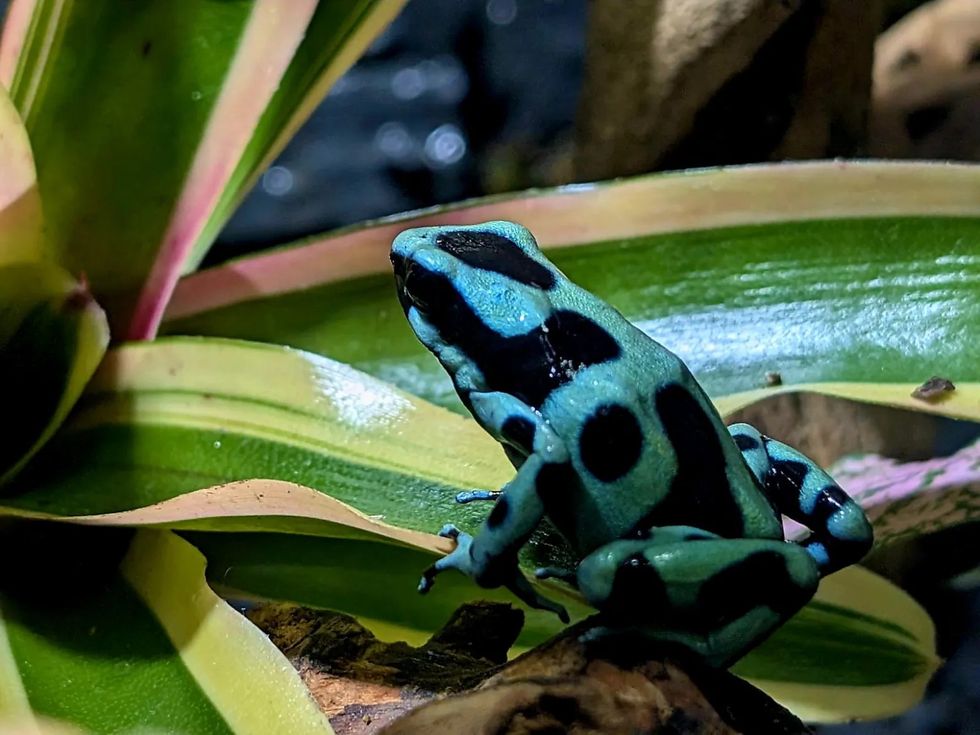
Among the zoo's new residents are fire-bellied toads, whose toxins are currently being explored in research linked to prostate and breast cancer treatments.
Guests can also meet poison dart frogs, whose skin contain powerful alkaloids that have inspired the development of new, effective painkillers.
Other species in the exhibit include the zoo's beaded lizard – one of only two known venomous lizard species in the world, its venom now being studied for its potential role in fighting type 2 diabetes.
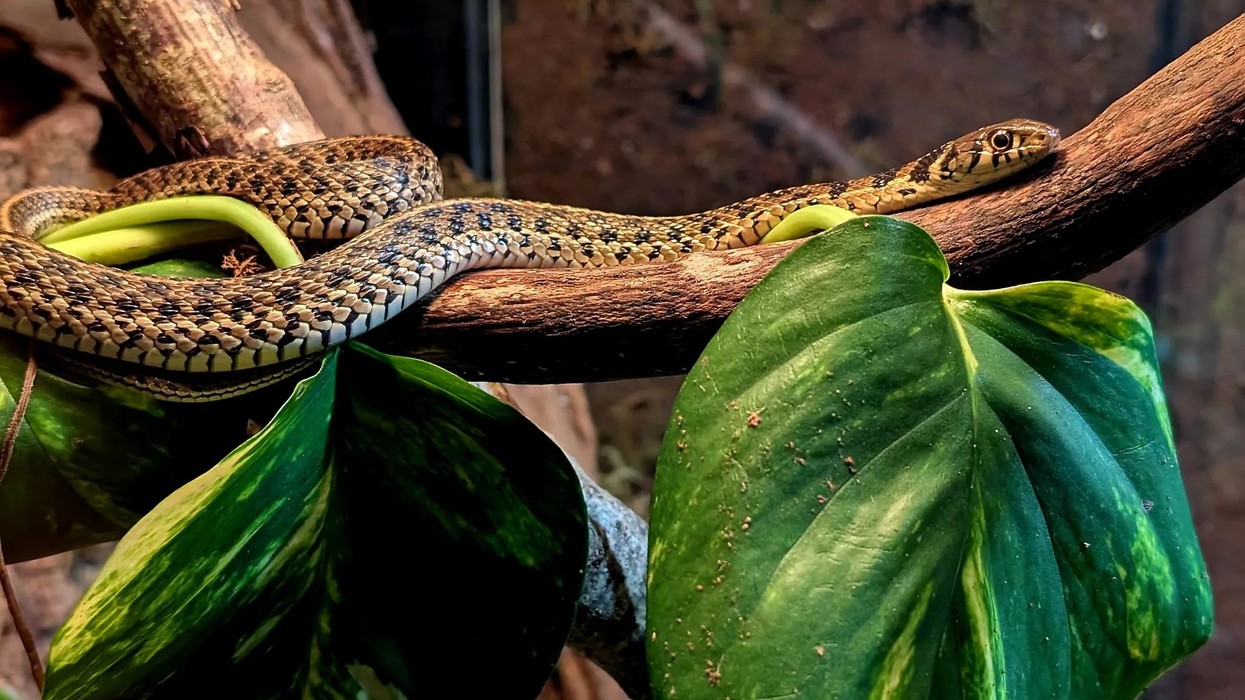
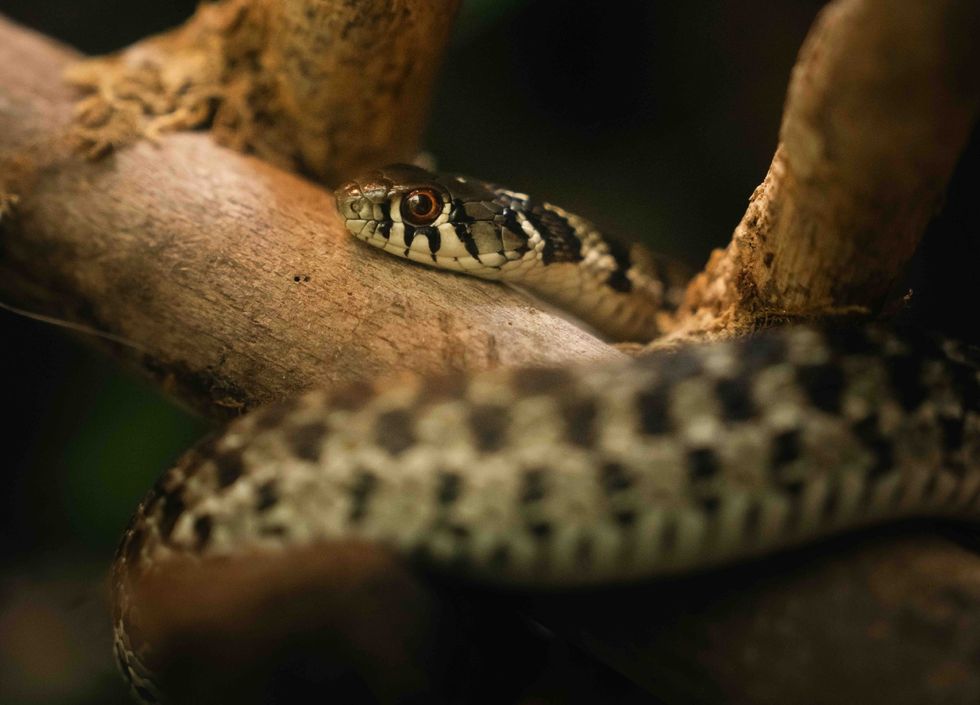
Additional species on view include a mangrove snake, a Brazilian salmon pink bird-eating tarantula, checkered garter snakes, an Asian forest scorpion, and a colony of two-spotted assassin bugs.
"We’ve taken a familiar part of the zoo and turned it into something completely different," said Paul Sheppard, attraction manager.
"This new area invites visitors to look closer, ask questions and discover just how clever nature can be – all within a setting that feels bold and immersive.
"Vital Venoms & Practical Poisons allows us to tell some incredible stories about survival, adaptation and the natural world in a way we haven’t been able to before."
Looking ahead, Plantasia aims to contribute to an international breeding programme for a ninth species planned for the exhibit, currently listed as critically endangered on the IUCN Red List.
The zoo is currently involved in the European Endangered Species Programme (EEP) for the critically endangered Egyptian tortoise. Its rescued adult tortoises have produced nine offspring over the past four and a half years.
Images courtesy of Plantasia