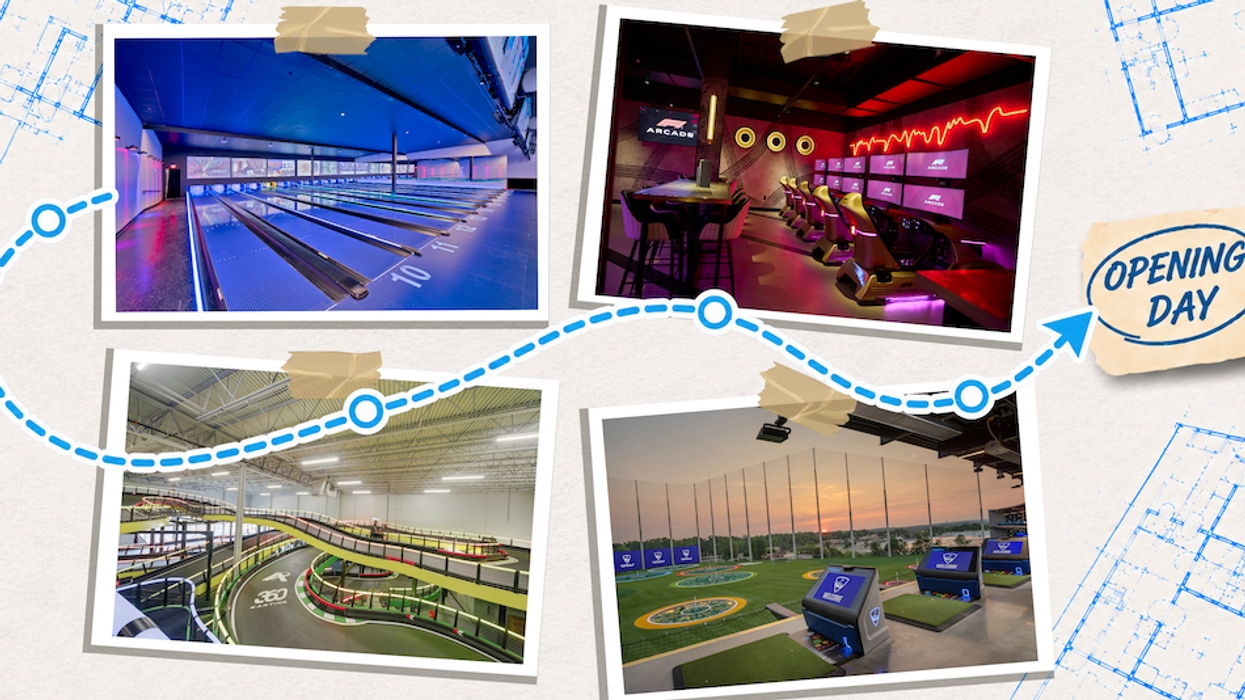

In over 15 years of construction, I've helped deliver location-based entertainment (LBE) venues for brands like Topgolf, Andretti, Puttshack, F1 Arcade and Pinstack, and every one has shown me how much work happens before guests ever walk through the door.
I've been part of projects where attraction suppliers, designers, and builders were aligned from the first drawing, and installation went so smoothly that opening day felt easy.
I've also seen what happens when a supplier's requirements show up late: walls move, utilities get rerouted, and an operator who should be focused on hiring and training ends up solving construction problems instead. The difference almost always comes down to coordination.
Here's how it runs on a strong competitive socializing or family entertainment center (FEC) project.
1. Identify attraction suppliers early
Operators often hire attraction and equipment suppliers directly. That makes them some of the most important partners on the project, and the most likely to be missed in early planning.
Who's at the table: On a typical FEC project, operators often contract directly for bowling lanes, go-kart tracks, arcade games, laser tag, kitchen equipment and audiovisual systems. Each supplier brings expertise the venue depends on, but all of that equipment must fit one building design, one construction sequence and one opening date.
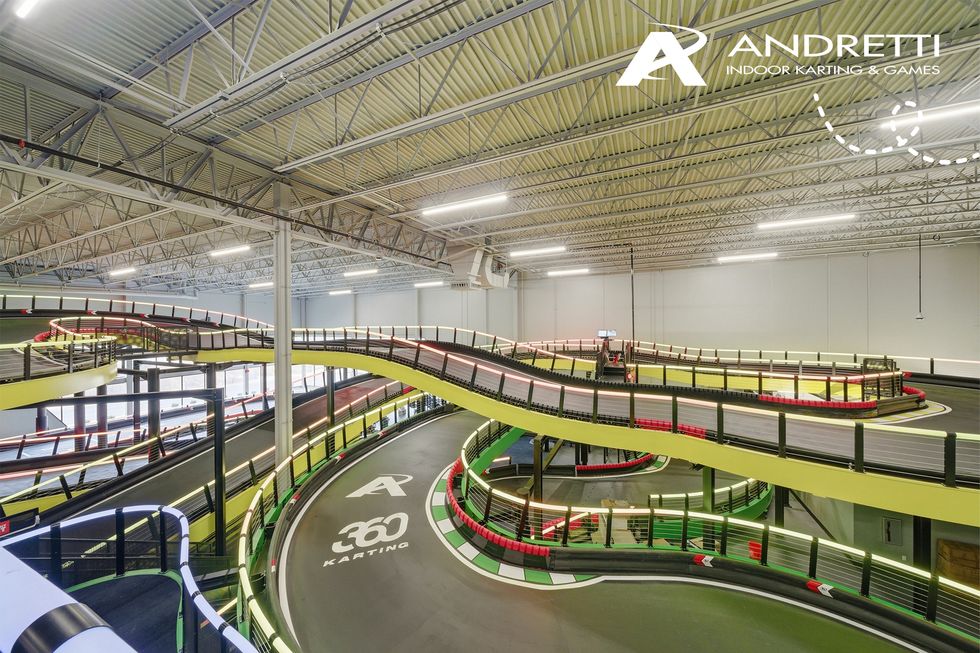 A multi-level indoor go-kart track winds through Andretti’s bright, modern racing venue.
What to answer early:
- Which attraction suppliers is the operator choosing for their project?
- When does each supplier's technical information need to be in hand?
- Whose equipment will shape the building's structure, power and layout?
One partner responsible: In my experience, this works best under design-build, where one partner is responsible for both design and construction. The design-builder must understand each supplier's requirements, guide the design team to build them in, and manage the work before, during and after installation.
The owner stays focused: The owner stays involved in the decisions that shape the venue without having to act as a construction manager along the way.
See also: Translating UK entertainment concepts to the US market
2. Design around attraction supplier requirements and define every scope
Supplier requirements belong in construction drawings, which guide both the cost and the scope of the venue. The earlier they're captured, the fewer surprises later.
Every attraction shapes the building and visitor experience:
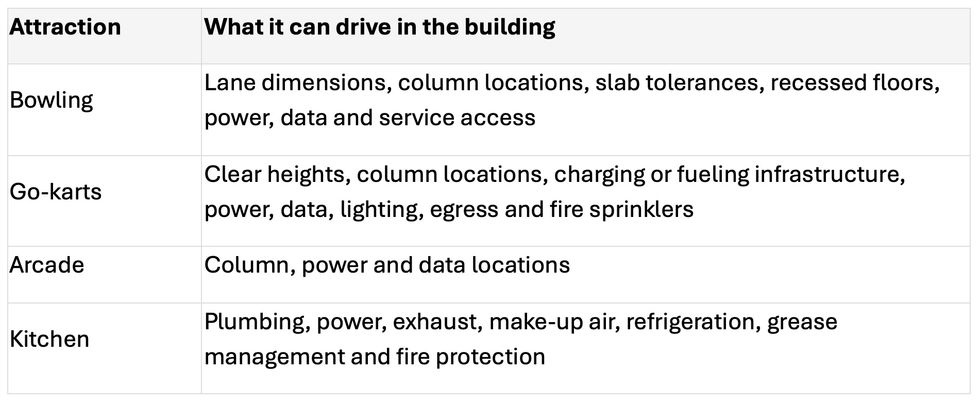 Different attractions like bowling, go-karts, arcades, and kitchens shape building requirements
What the design needs to get right:
- Room to operate: equipment fits, with space for guests, staff and maintenance
- Guest flow: supplier layouts work with how guests move through the venue
- A floor that's ready: structure, anchoring and recessed areas built for the equipment
- Power and connectivity: enough capacity, power, data and controls where each attraction needs them
- Safety and access: fire protection, exits and accessibility designed in from the start
- The finished feel: lighting, sound, finishes and signage that deliver the experience the operator planned
Why timing matters: A requirement caught during design is a drawing change. Once drawings are issued or work is underway, the same requirement can affect cost, schedule and the operator's intended experience.
Who owns what: The design-builder also needs to define where one scope ends and the next begins:
- Who hoists and sets equipment in place?
- Who makes the final electrical connections?
- Who supplies the controls interface?
- Who tests the completed system?
Clear answers keep the project moving smoothly with construction trades and supplier installations working together.
3. Sync procurement, attraction deliveries and site readiness with the schedule
Attraction equipment may be custom fabricated, manufactured overseas or booked around a supplier's installation crews. That puts supplier procurement on the project's critical path from day one.
Track it alongside the building: The design-builder should track each supplier's milestones alongside the construction schedule:
- Supplier drawings and submittals
- Owner approvals
- Fabrication milestones
- Shipping dates
- Site-readiness requirements
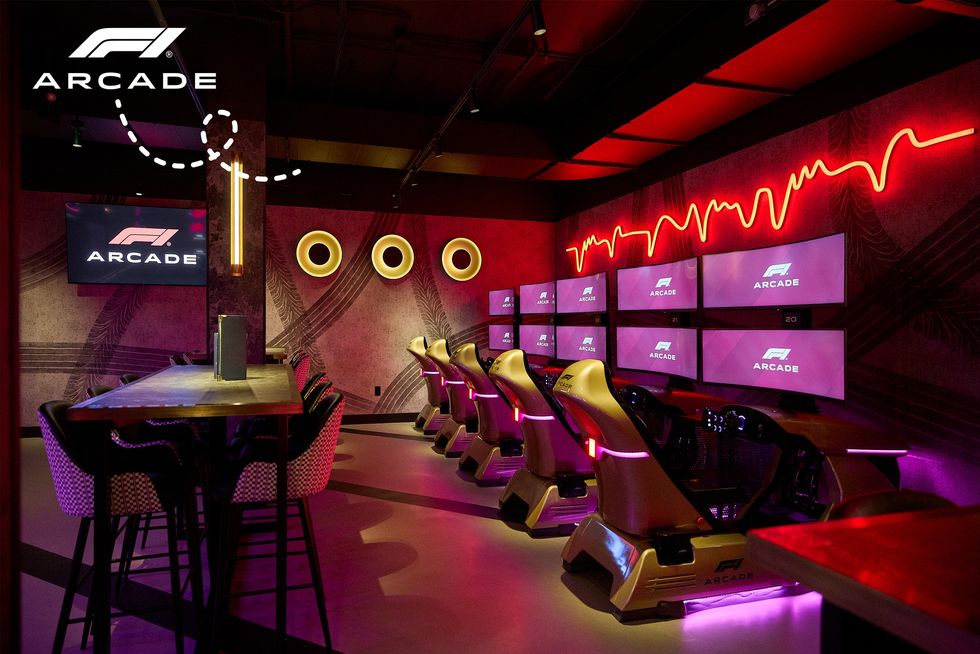 A neon-lit F1 Arcade lounge features racing simulators and screens
Power is the classic example: Attraction electrical loads need to be known early enough to size the electrical service, design distribution and order long-lead equipment like switchgear. Final attraction information coordinated after those decisions are made can create expensive changes and delays.
Plan every delivery: Large equipment may need:
- Specific installation equipment
- An opening that stays accessible
- Temporary storage or staging space
- Installation before surrounding construction is complete
Timing each arrival with site readiness reduces extra handling, damage risk and schedule disruption.
Confirm the space is ready: Before a supplier mobilizes, the design-builder should verify that utilities, rough-ins, supports, floor conditions and access are correctly installed. Two tools make this work:
- Turnover checklists tailored to each attraction supplier
- Preconstruction meetings to confirm expectations and timing
The payoff: When suppliers arrive on schedule to a space prepared specifically for their design, they can work efficiently, and installation goes smoothly.
4. Coordinate installation, commissioning and turnover as one venue
Installation is a milestone, not the finish line. The final stretch is where every supplier, trade and system has to come together.
During installation: The design-builder coordinates each supplier's work within the trades still active and answers field questions as they come up.
Before it's ready to operate: An installed attraction may still need:
- Final connections
- Startup and testing
- Inspections
- Commissioning and adjustments
- Fire and life-safety systems
Each has its own dependencies and timeline on the path to opening.
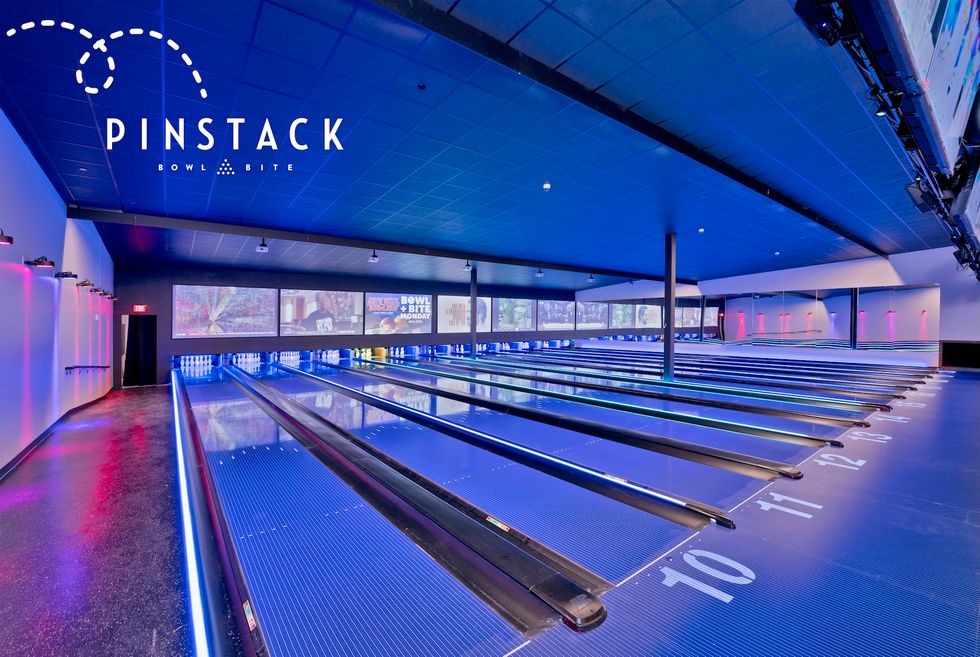 A vibrant, neon-lit bowling alley with sleek lanes and a modern lounge atmosphere
One team keeping it in sync: The design-builder brings the owner's suppliers together with the design team, subcontractors, inspectors and operations staff, so each system is achieved as part of the finished venue.
When information or delivery dates change, the team can see the impact and make a plan before opening day is at risk.
Separate contracts, one guest experience: Whether it’s an eatertainment concept or a multi-attraction FEC, the owner may hold contracts with several suppliers, but guests experience one venue. They expect the attractions to thrill, the food and beverage to flow and the space to feel exceptional.
The payoff: a predictable build and a better opening
Good coordination makes entertainment venue construction more predictable. Teams spend more time moving the project forward and less time reacting to preventable problems. Owners get to focus on their core business: running the venue and creating an outstanding guest experience.
For me, that's what makes this work meaningful: helping make construction more enjoyable for the people delivering the venue, then watching guests enjoy the place we built together.