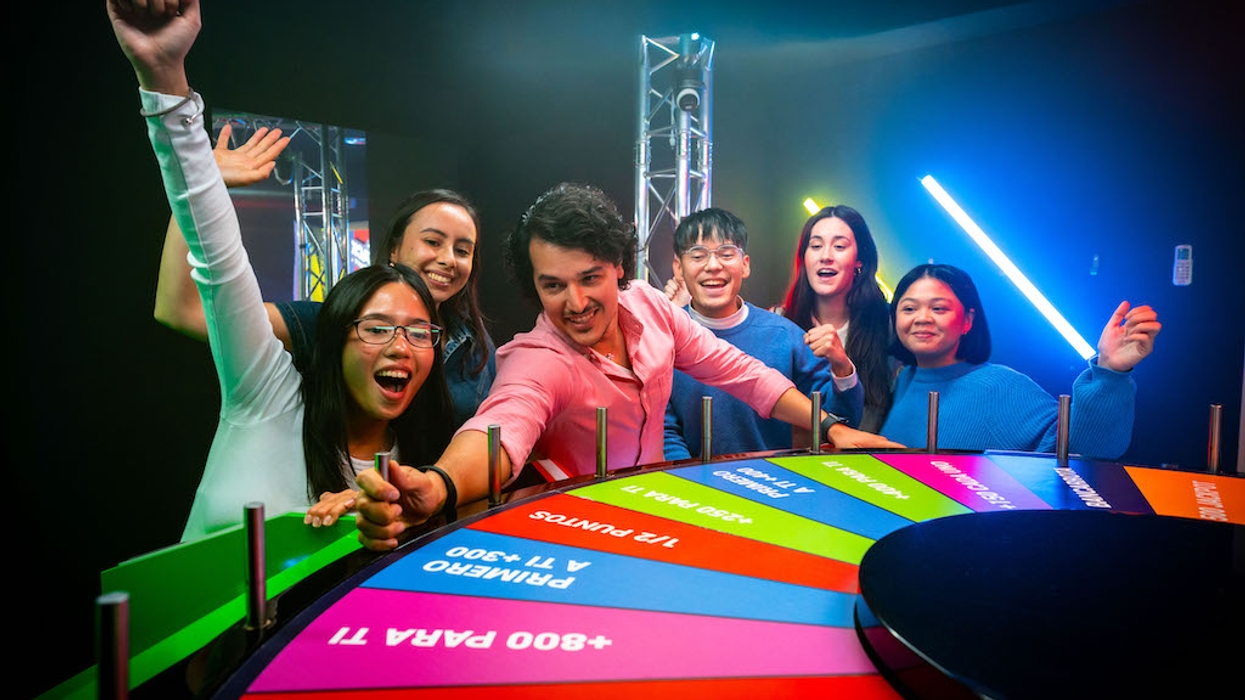

With the growing popularity of competitive socialising—a combination of interactive games, hospitality and nightlife—entertainment-seekers have a new way of connecting.
Whether with friends, family, or on a date, activities like darts, shuffleboard, crazy golf, and bowling have taken on a new look, with elaborate eating and drinking options, dimmer lights, and a play-for-fun attitude.
Last year, consultancy firm KAM reported that nearly one in three UK adults had visited a competitive socialising venue in the previous year.
In contrast, 24% of adults are visiting pubs and bars less than before.
Consumers are not abandoning traditional going-out culture; rather, food and drink are increasingly paired with shared challenges, memorable stories, and engaging experiences tailored to diverse groups.
The players changing the hospitality game
The most successful operators aren't simply placing games inside bars and restaurants; they're designing complete social formats and building sophisticated technology.
The food, drinks, music, technology, and competitive element all work together to create an occasion that can appeal to different moods and occasions, revolving around participation.
While this guest-facing experience appears effortless, a highly sophisticated asset-based technology guarantees customer satisfaction by managing varied capacities, schedules, and menus smoothly.
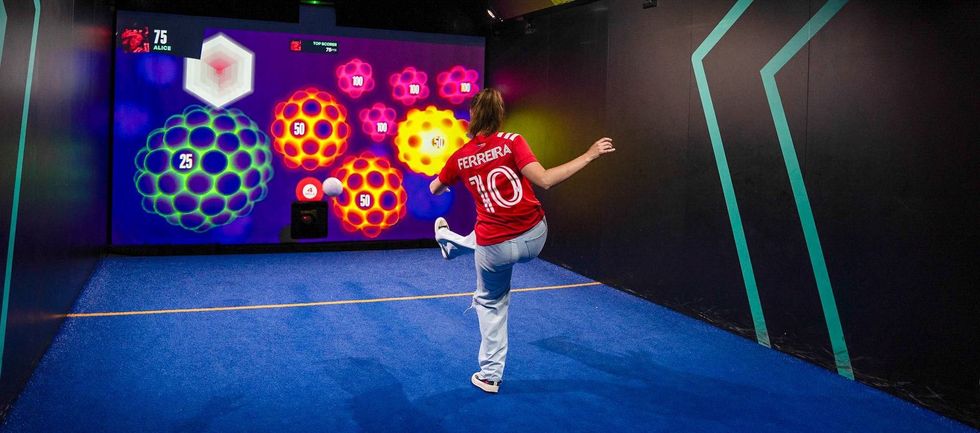 Toca Social: the sports experience revolutionising the beautiful game Image courtesy of Toca Social
Among brands successfully navigating this evolving landscape is TOCA Social. As the world’s first interactive football and dining experience spanning the US, UK, and France, it seamlessly pairs world-class food and drink with immersive gameplay.
By converting traditional, passive "game night" viewings into engaging, active participation, it redefines how fans gather. While gaming adds an exciting dimension, participation remains optional, broadening appeal rather than relying on it.
Innovating in this industry also means making a niche sport accessible through gamification. Clays shows how technology can remove the intimidation factor from a traditionally specialist activity such as clay target shooting. Guests don’t need prior knowledge, access to rural facilities or a sporting background to take part.
The result is a space where an unfamiliar activity becomes approachable, visual and group-friendly.
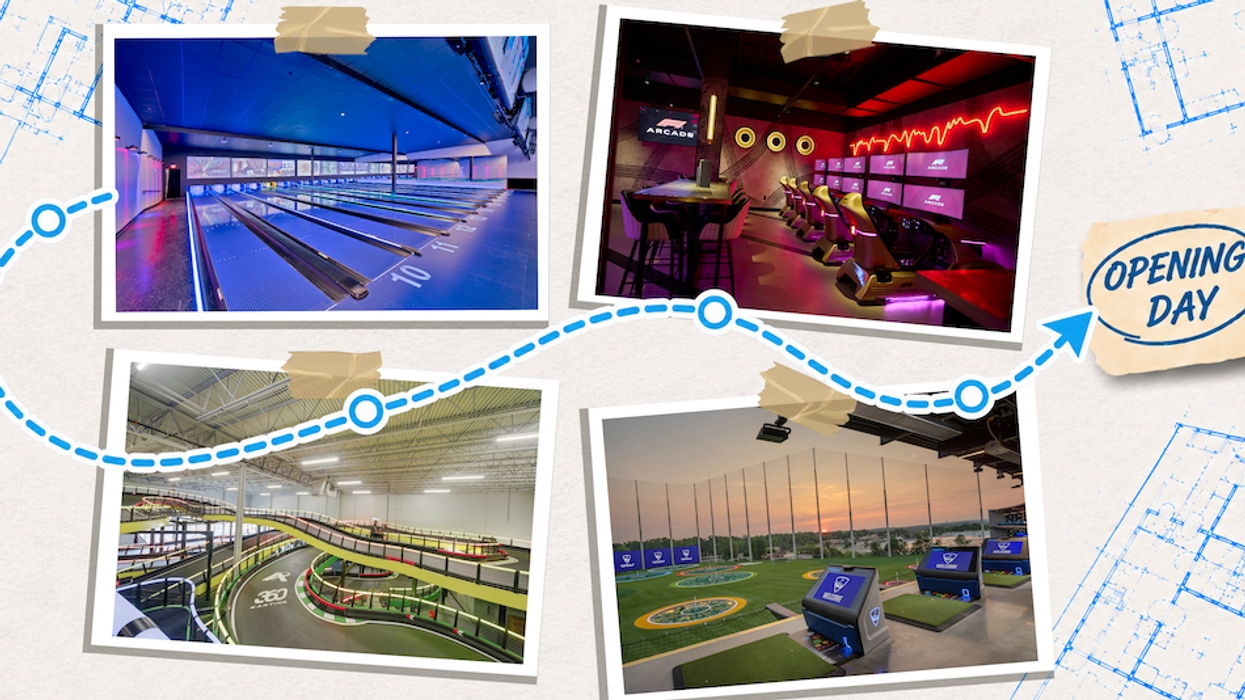
With 21 locations across Europe, Lane7 illustrates another important development: the move from single-activity venues to full evening itineraries.
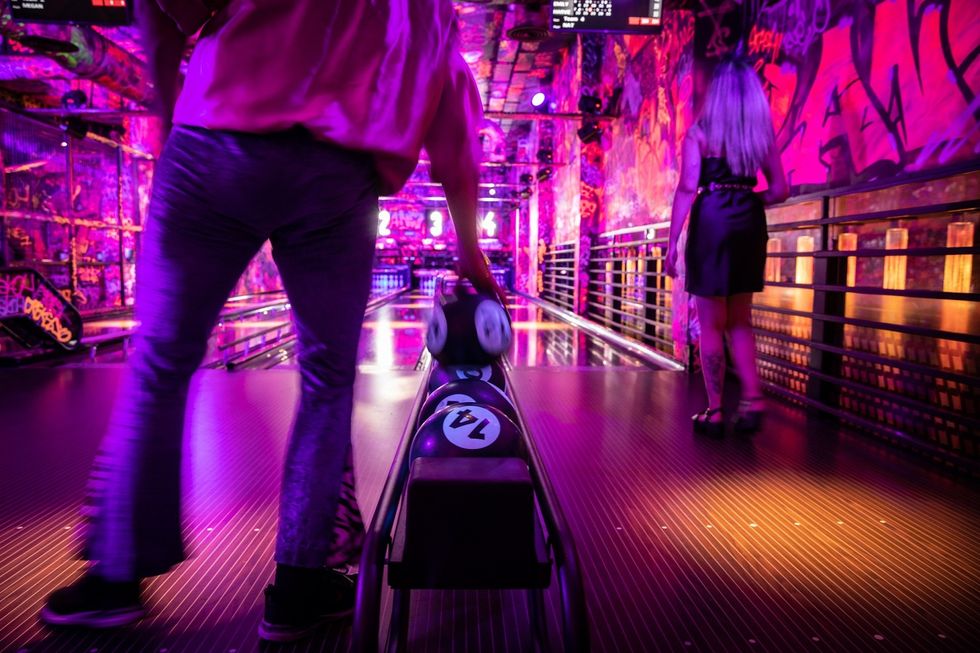 Bowling and entertainment company Lane7 is expanding in Europe Image courtesy of Lane7
A group can move from bowling to beer pong, karaoke, or darts without changing venues. That variety makes the space easier to use across occasions, from dates and birthdays to team events and casual nights with friends.
This variety is also a key revenue driver beyond casual leisure, opening new opportunities for corporate bookings and private celebrations, particularly during traditionally quieter periods.
Maintaining momentum requires giving guests ongoing reasons to return through revolving game offerings, seasonal events, and tailored packages.
Escape through adrenaline and nostalgia
In the past, escape rooms were likely the first form of interactive gameplay that came to mind when thinking about competitive socialising.
According to Room Escaper Artist's US Escape Room Industry Report in 2025, the US went from around two dozen escape-room facilities in 2014 to more than 2,000 in 2025. While they helped establish the appetite for group problem-solving, newer concepts are making participation faster, more physical, and less dependent on a single narrative.
A good example is Prison Island, a team adventure that combines escape room mechanics with obstacle-course-style challenges. Brought to life by MAKE IT NOW, the experience launched its first London location in September of 2025 and is now present in 25 countries.
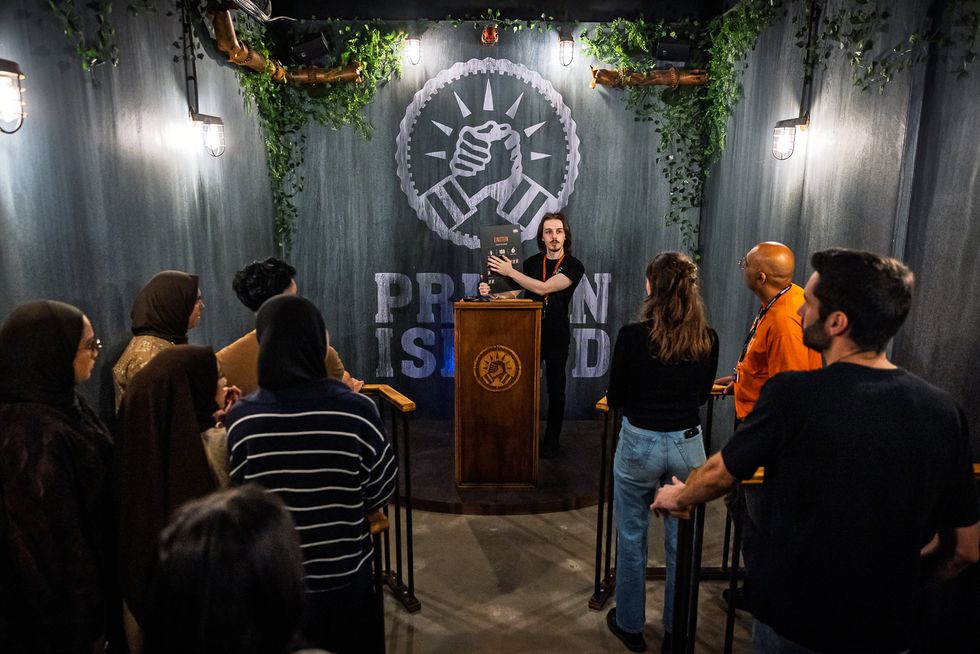 Prison Island, an interactive adventure that goes beyond an escape room experienceImage courtesy of Fever
Boom Lab (called Glow or Go in the US and 123Boom! in Australia) is another adrenaline-pumping group experience featuring immersive rooms where guests will solve puzzles, dodge lasers, and compete as a team in a chaotic, arcade-style game.
Its blend of technology and arcade look-and-feel is what makes Boom Lab so special—it’s nostalgic yet futuristic.
Nostalgia also plays a central role in another recent addition to London’s entertainment landscape. Launched in early July as part of Fever's growing portfolio of global experiences, BuzzAttack is an immersive TV game show inspired by iconic TV shows like Wheel of Fortune and The Price is Right.
BuzzAttack invites players to step onto the podium and go head-to-head in fast-paced trivia where speed, strategy and luck take center stage.
It shows how competitive socialising is borrowing from television as much as from traditional nightlife, with the appeal lying in recognising the format while getting the chance to become part of it.
What comes next for going out?
Competitive socialising is changing the basic question people ask when deciding where to go out. It is no longer simply, “Where shall we eat or drink?” but “What shall we do together?”
That shift explains the category’s appeal. These venues give groups a shared task, a reason to interact, and a memory created collectively rather than consumed passively.
The future of going out may therefore belong to hybrid spaces that function as stages, playgrounds and game shows just as much as traditional hospitality venues.
As the market grows increasingly saturated, long-term success will rely less on novelty and more on sophisticated operational integration, sharp audience insights, and diversified revenue streams that not only attract new audiences, but also convert casual visitors into repeat participants.