In an era of TikTok, Instagram and short-form video, capturing and sharing an attraction experience has become part of the visit. Guests want to relive the moment and share it with friends and followers.
Yet many attractions still lack systems to capture and monetise this content. Traditional photo and video operations can require significant investment, specialist hardware and staff, making them difficult to scale across large numbers of rides and attractions.
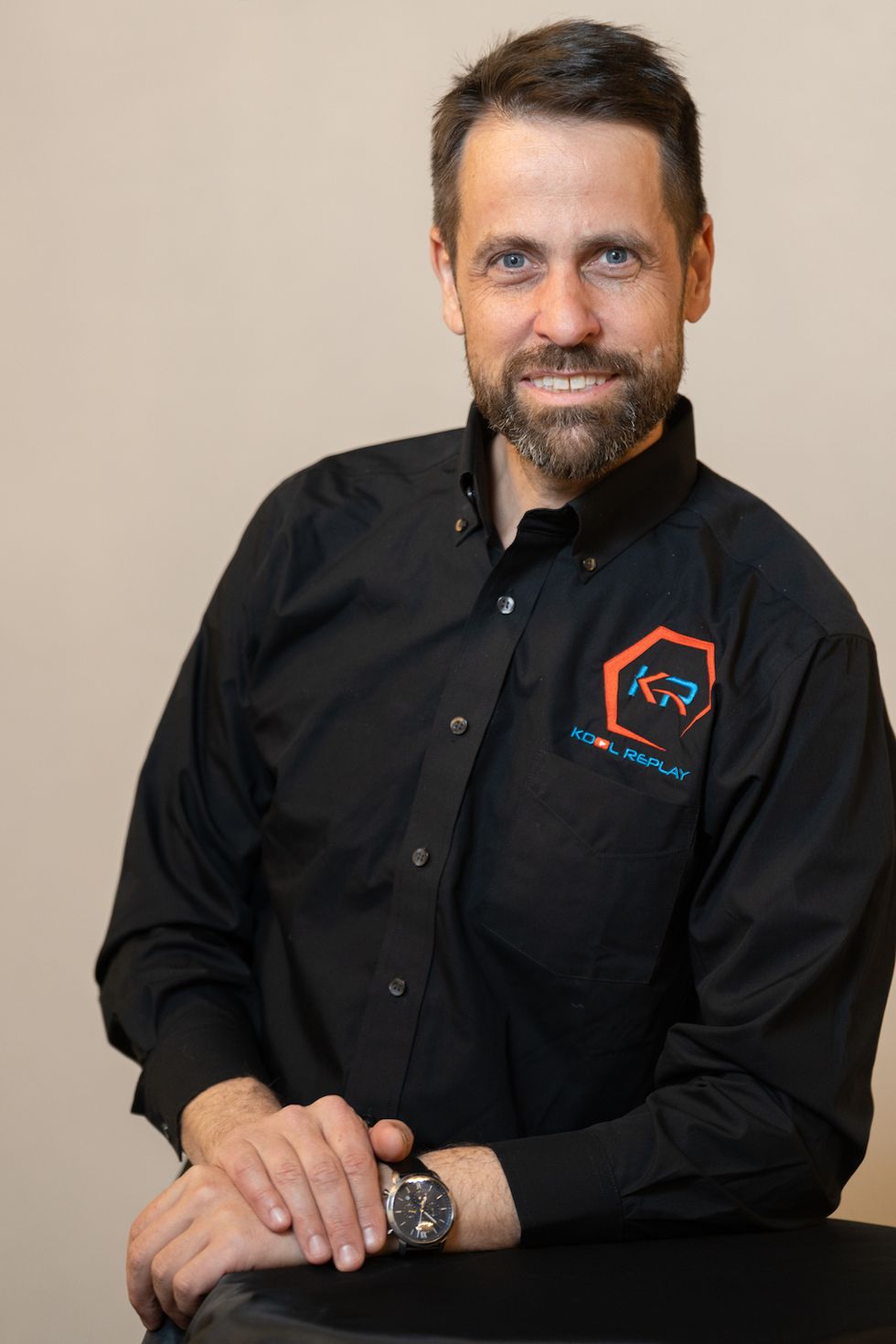
François Tremblay, co-founder and CEO of Kool Replay
François Tremblay, co-founder and CEO of Kool Replay, says this represents an opportunity.
"In today’s world where social media are more present than ever, the demand for video content featuring people’s experiences has never been so high," says Tremblay. "The way the capturing, editing and distribution of video content is traditionally done is cumbersome, time-consuming, and difficult to manage at scale."
Founded in 2016, Kool Replay develops automated photo and video systems for the attractions industry. The company says it has deployed more than 125 projects worldwide, capturing over 6.5 million videos and generating more than 500 million video views.
Tremblay argues that automation is lowering the barriers to entry, making guest media viable for more operators.
"More than 99% of the rides that could potentially accommodate a profitable photo or video operation currently don’t have it," Tremblay says.
"The cost to provide and operate automated photo and video has never been so low while the content quality has never been so high. We see missed revenue opportunities on a very large number of attractions."
This shift is moving guest media from a labour-intensive retail operation towards a more automated part of the attraction experience.
Why traditional ride photography was difficult to scale
For decades, ride photography was a capital- and labour-intensive operation. Installing a system could require expensive specialist equipment, while maintaining hardware in demanding outdoor environments added further cost and complexity.
The operational model created another barrier. Traditional systems often depended on staffed sales booths at ride exits, where employees helped guests select images, process payments, and purchase printed photographs.
At busy times, queues could build up; during quieter periods, poor weather, or the off-season, staffing costs could quickly erode margins.
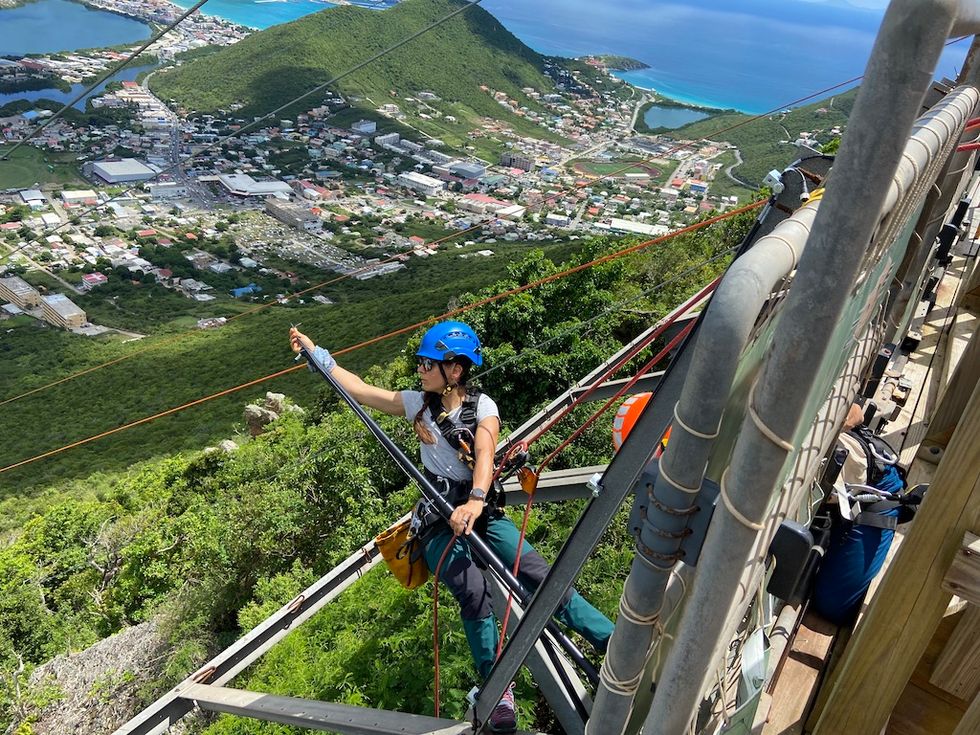
Kool Replay tech being installed for The Flying Dutchman zipline at Rainforest Adventures on Sint Maarten
"Traditional ride photography is difficult for many reasons," Tremblay explains.
“One, the traditional photo equipment is complex, expensive and hard to maintain; two, the cost of operating a photo sale booth is high, and three, photo operations are typically operating at a loss during low season or bad weather days."
The result was a model that worked best for high-volume attractions with enough throughput to justify the investment and ongoing costs. Smaller attractions, family entertainment centres, water parks and outdoor adventure venues were often left without a viable way to offer guest media.
That, Tremblay argues, created a gap in the market – one that newer, more automated approaches can address.
The Kool Replay story: from obstacle course to attractions
Kool Replay began with a problem Tremblay encountered as an obstacle course racer: getting good-quality video of his own performance was complicated. Capturing footage required a camera operator, plus manual file transfers, editing, and uploading.
He saw an opportunity to automate the process.
"Anybody who’s ever wanted to produce a video, you need a body to film you. You need to get the footage. You need to edit it. You need to upload it. You need to do all this.
"It was so complicated, and so this whole vision was to automate this entire process from top to bottom—automating the capturing, the editing, and distribution so that I could just enjoy it and have the technology take care of everything else."
Tremblay partnered with software engineer Benoît Lapointe, now Kool Replay’s co-founder and CTO, to develop the prototype.
"We had a conversation, and we really loved the idea. A few months later, he called me and said, 'Come here, I want to show you something.' And then we had the first version. So, we started this with more of a concept than a product, no money, no knowledge whatsoever of the industry, and we built it up one client at a time."
The company later saw that the same technology could be applied to ride photography:
"Later in its development, Kool Replay also noticed that its automation technologies could also reinvent the way ride photography is done. By reusing the AI algorithm developed for video editing, Kool Replay had the tools to improve ride photo quality while streamlining distribution.”
The pandemic gave the company time to refine its technology and infrastructure. As attractions reopened, demand for automated, lower-labour operations accelerated.
The company subsequently expanded its customer base to include operators such as Six Flags and Xcaret.
Kool Replay has also broadened its proposition beyond media sales by acquiring CrowdSpecs, a marketing agency that used Kool Replay’s video content to generate over 500 million social media views for attraction operators, including an IAAPA Brass Ring Award for Best Social Media Campaign in 2025.
This move has brought a stronger focus on the marketing value of guest-generated content and its potential to turn visitors into advocates
Rewriting the economics of attraction media
Automation is changing the cost equation for attraction media, reducing both upfront investment and the labour required to operate photo and video systems.
Kool Replay says its systems require around 50% less CapEx than traditional photography setups. Rather than relying on proprietary equipment, the company uses commercially available industrial components, along with edge computing and cloud-based software.
The bigger change comes in day-to-day operations. Digital distribution through cloud infrastructure, mobile web portals and self-service terminals can reduce the need for staffed photo sales booths and lower ongoing costs.
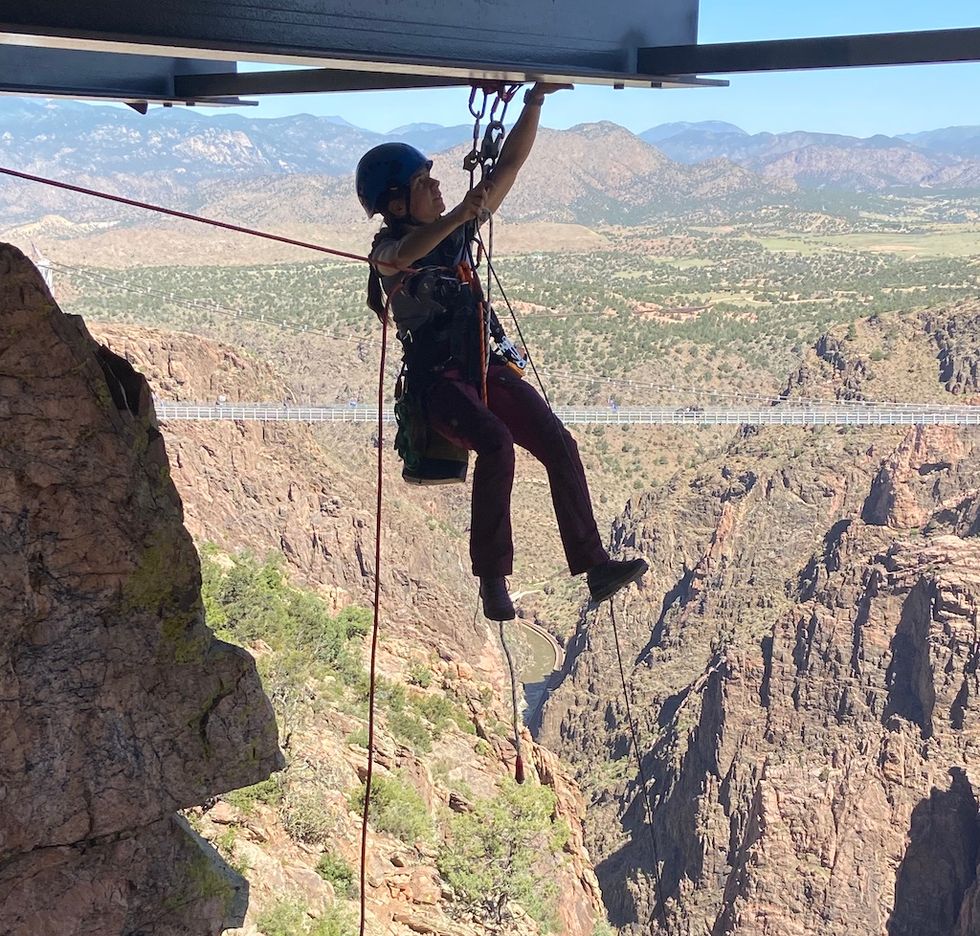
Kool Replay at Royal Gorge, Colorado
"Automation has changed the economics drastically. First, the initial Capex investment is about 50% of what it used to be for traditional systems. Second, the quality is higher than ever, leading to a higher conversion rate and revenue per cap.
"Third and more importantly, the distribution architecture makes the retail operation easy, convenient and extremely cheap (almost $0 retail operation cost)."
Lower operating costs can also make guest media viable for a wider range of attractions. Kool Replay says it has seen profitable business cases at attractions with annual attendance as low as 10,000 guests.
"Automation is the key. Any unique experience that sees a significant amount of guests can generate extra revenues with no additional staff in a very easy operation format."
The company offers both direct equipment sales and revenue-sharing arrangements. Under the latter model, Kool Replay supplies, installs and maintains the system, allowing operators to introduce media without an upfront capital investment.
How automated guest media works
Kool Replay's systems are designed to reduce friction for both guests and operators. The system can connect to existing ticketing and access-control infrastructure, allowing media to be sold as an add-on and content automatically linked to the guest.
The process can begin during online booking, when a media package is offered as an upsell. On site, RFID wristbands, barcodes or other access-control systems can associate photos and videos with a guest ID.
"The journey begins at the booking where media packages are offered as an upsell item," Tremblay says. "When possible, we leverage existing access control mechanisms so that the content can be associated with the guest ID automatically.
“That means guests simply enjoy the experience. Their unique photo and video package is automatically created, and it finds its way to their own mobile via the access control system."
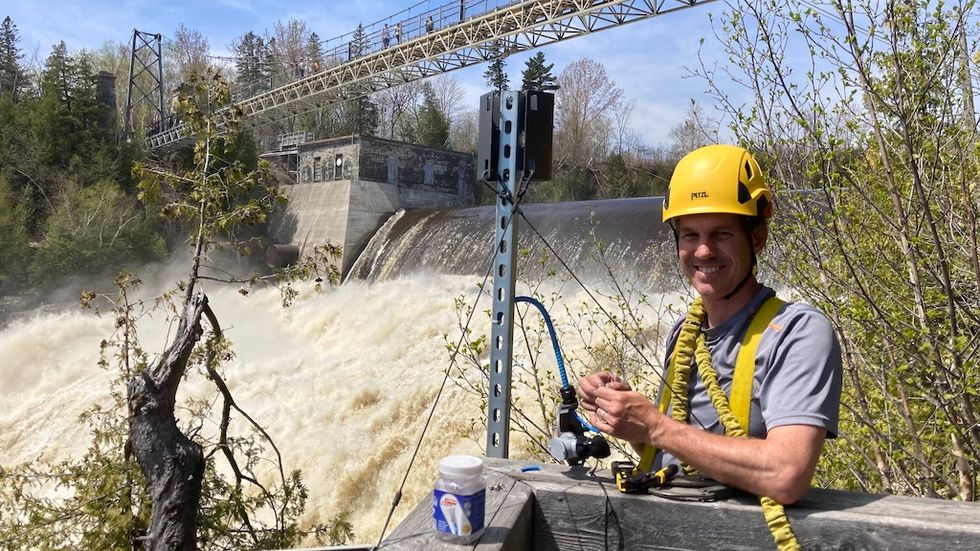
The Kool Replay installation team making sure to get the best vantage points
Where this integration is not available, guests can access previews and purchase content through exit displays, QR codes, mobile web portals or self-service kiosks. Operators can also keep retail points staffed during busy periods, while allowing the system to operate without staff at quieter times.
"When such access control system is not in place, the media content is displayed on the way out of the ride or at the retail points where the guests can purchase with their own mobile devices or via self-service kiosks," Tremblay says.
"Kool Replay also has a suite of tools to support traditional staffed retail operations. Given that the distribution can occur without any staff, it allows attraction operators to staff retail points only during peak hours, making that staff allocation always profitable."
Once purchased, content is delivered via the cloud. Guests receive a personalised link to view and share their photos and videos on social media.
"The guests receive a URL to access their own content. The content itself is displayed within a landing page optimised to ease the content sharing on social media in one click."
Engineering for reliability in demanding environments
Automated media systems face different challenges in attractions than in controlled indoor environments. Cameras must operate through changing light, rain, snow, humidity and temperature extremes while continuing to deliver consistent image quality.
Kool Replay uses industrial automation and IoT principles to address these conditions, with weatherproofed hardware and software that adjusts capture settings as light levels change.
"The challenge is to position the cameras in the right place and have them produce the best image 100% of the time in a forever-changing environment. We had to automate the settings to optimise quality in any light or weather conditions.
"This is not to mention that we had to develop solutions to deal with extreme temperatures, freezing conditions, rain, snow, and more."
Reliability is equally important. A failed capture means lost content for the guest and potentially lost revenue for the operator. Kool Replay uses local storage and edge computing so systems can continue capturing during temporary network outages, with content synchronised to the cloud when connectivity is restored.
The company also provides 24/7 remote monitoring and maintenance, allowing its technical teams to identify potential issues before they affect operations.
"Kool Replay solutions come with a service package that includes support, maintenance and monitoring of the equipment and operation on a 24/7 basis so that the operators can focus on their core business while enjoying new revenues and online presence.”
Beyond roller coasters
Kool Replay’s technology is not limited to traditional ride photography. Its systems are being used across water parks, outdoor adventure attractions, family entertainment centres and other leisure environments where capturing and selling guest content can be difficult.
Water parks, for example, can use waterproof cameras and RFID-enabled wristbands to capture guest moments without requiring them to carry phones or payment cards.
At zipline and adventure attractions, automated cameras can capture moments that would be difficult or unsafe to photograph manually.
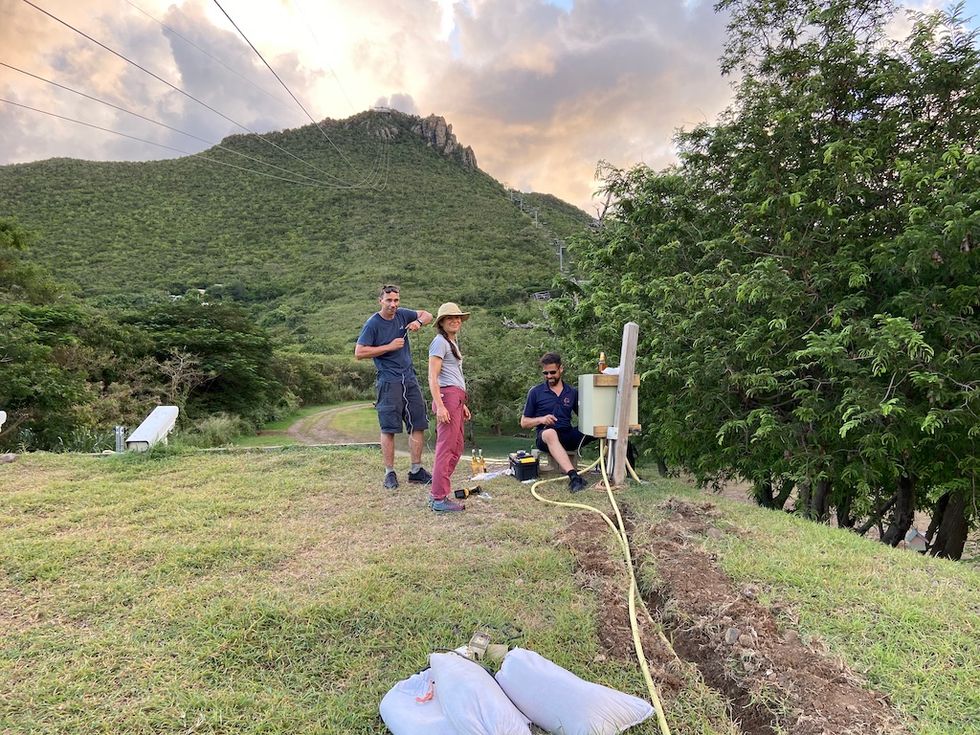
The team installing Kool Replay's durable hardware
The same approach can be applied to FECs, trampoline parks, karting tracks and other high-throughput venues, where automated distribution can reduce the need for additional staff.
Kool Replay is also expanding into cruise lines, haunted houses, immersive experiences and tourist landmarks, including panoramic selfie stations.
"The technology is versatile," Tremblay says.
"Beyond amusement rides, it is currently profitably deployed on several types of venues and attractions such as water parks, outdoor attractions like ziplines, bungees, and edge walks, family entertainment centres, cruise lines, haunted houses, and tourist landmarks with self-service panoramic selfie stations."
Data privacy and guest trust
As attractions collect more guest-generated content, privacy and consent are important considerations. Kool Replay says data protection is built into its system architecture, with consent, secure storage and controlled access forming part of the design.
"Data privacy is a very important topic, and it's something we take very seriously," Tremblay says. "At the end of the day, anything you're doing, you need to have the consent of people. You need to follow, of course, the regulation, GDPR, and everything."
At ticketed attractions, operators need to establish an appropriate legal basis for capturing and distributing guest media, while informing visitors where photography and video take place.
The system also uses guest identifiers such as RFID wristbands or ticket barcodes to associate content with the correct visitor. Where this is not possible, operators need an appropriate framework for capturing and distributing media.
"The main thing is you either have a system that does a very good association of the content with the persons so you can only access your own content, and we can leverage some of the existing access control systems like wristbands and whatnot.
"If you don't have that, then you need to be within an environment that has a legal framework allowing you to do it."
Turning guests into brand ambassadors
Digital guest media can extend a capture system’s value beyond the initial sale. Unlike a printed photograph, a video or image delivered to a guest's phone can be shared immediately with friends and followers.
That makes guest-generated content a potential marketing channel, with visitors sharing their experience through their own social networks.
This opportunity helped drive Kool Replay’s acquisition of CrowdSpec, adding tools that let operators incorporate branded elements, calls to action, promotional offers, and referral links into shared content.
"There's a lot of power in allowing your guests to become your ambassadors on social media.
"Every advertisement is pretty much saying the same thing: 'we're good, we're great.' But if you can have the actual people sharing this within their own network of influence, it's a very powerful marketing tool. We transform guests into the attraction ambassadors online."
Kool Replay says its systems have generated more than 500 million video views across deployed projects, illustrating the potential reach of guest media beyond the attraction itself.
The future of automated guest media
The next stage of automated guest media is likely to be shaped by advances in AI, machine learning and cloud computing. This could mean moving beyond automated capture and editing towards personalised content that selects and assembles the best moments from an experience.
"We believe that every guest’s unique experience has a media revenue potential," says Tremblay.
"The AI opens a whole new world of automated content creation possibilities. We foresee a future where technology captures and features every guest experience in the best possible way. Guests would no longer have to worry about taking pictures or videos.
"It will enhance their experience by allowing them to be fully immersed in the experience while having the means to immediately share the best of it."
The opportunity for operators is broader than simply selling photos and videos. Automated media can provide an additional revenue stream while generating content that guests can share with their own networks.
As the technology develops, the most significant change may be that guest media becomes less visible. Rather than asking visitors to stop, pose or manage a camera, capture and delivery can increasingly happen in the background, allowing the experience itself to remain the focus.
Attendees at IAAPA Expo in Orlando can find out more by visiting the Kool Replay team at booth #W1253, from 17 - 20 November.