Luci, an award-winning experience design studio for museums and brands, was established in Chicago, USA, in 2011 and has grown into a multi-office creative studio spanning Chicago, Seattle and New York. This month, Luci adds a new chapter to its story by opening a studio in London, opening its doors to work across Europe, Asia, the Middle East and beyond.
Establishing this first international studio with a European team reflects Luci’s conviction that diverse project teams generate the best possible outcomes.
The success of those outcomes is measured not only by what is delivered when doors open to the public, but by how visitors engage, connect and remember their experience.
New home, new people
“Our new home in London provides a fresh vantage point to further our collective belief that to design transformational narrative experiences, we must put people at the heart of what we do and how we do it," says AJ Goehle, CEO and founder of Luci.
Luci’s new studio is led by Josh Kirk and Thomas Tzortzi, who bring decades of experience in developing and delivering major museums and visitor attractions, as co-principals and creative directors, with James Alexander as chairman.
Alexander, Tzortzi and Kirk’s role at Luci is twofold: building Luci's presence internationally while bringing new creative perspectives into the wider Luci studio. They build on an established portfolio of work and a longstanding creative partnership with a close-knit multidisciplinary design team, including Becca Warren and Alice Penner.
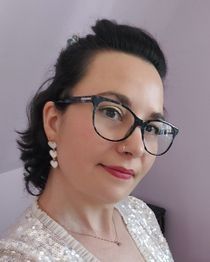
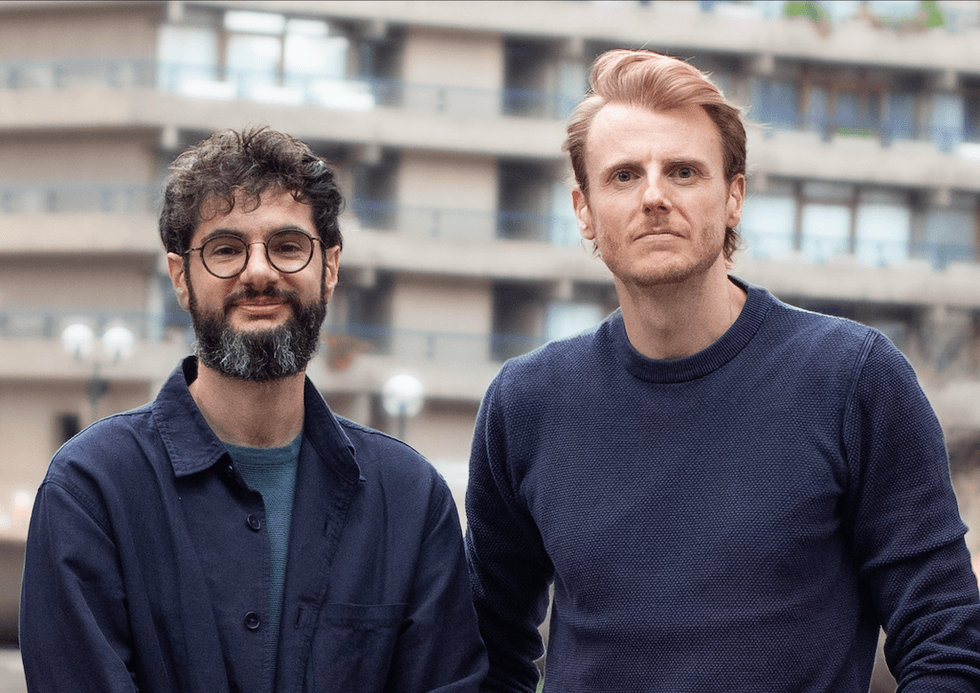 Thomas Tzortzi (left) and Josh Kirk (right) share the responsibility of the London Studio and its operations as creative directors and co-principals
Kirk draws on his architectural sensibilities and diverse narrative tools to craft spatially rich and engaging storytelling environments. Tzortzi combines dramatic form-making with rigorous research and strong contextual awareness, and is recognised for his holistic approach to strategic visioning, narrative experience, and spatial design.
Together they share a belief that creative leadership is about establishing trusting working environments and developing bespoke creative frameworks for delivery as stewards of a client’s vision.
This approach extends beyond Luci’s internal design team to an ecosystem of diverse specialists, shaping an integrated project team with the client and visitor as twin anchors.
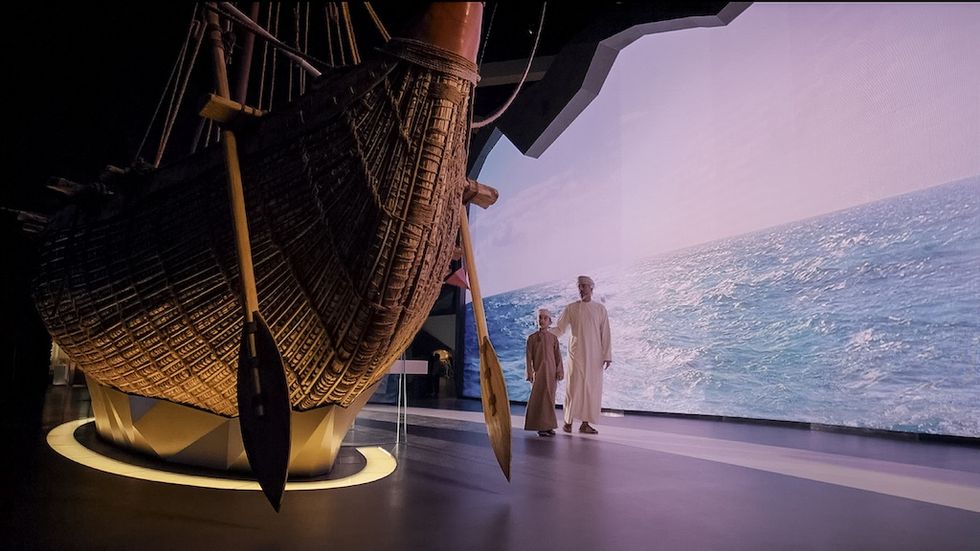 The award-winning Oman Across Ages Museum Image courtesy of Oman Across Ages Museum
Their project leadership includes a diverse portfolio of geographic locations, thematic topics and project stages, which include the Oman Across Ages Museum, RAF Museum, Museum MACAN, Home of Carlsberg, The Raid for National Museum of Denmark and the recently launched Shenzhen Natural History Museum, completed during their time working at Event prior to joining Luci.
Leading this list is the Home of Carlsberg, a genre-defining, heritage-led brand experience. A co-design framework between the internal design team and Carlsberg’s working groups underpinned the creative collaboration process.
Contributions from all corners of Carlsberg informed the design thinking, from scientists in the Carlsberg lab through to the on-site stable managers of the famous horses.
This ensured the resulting visitor experience reflected Carlsberg not just as a brand but as the embodiment of the people who make it all possible. The results at Carlsberg speak for themselves as visitors connect directly with the human stories behind the brand.
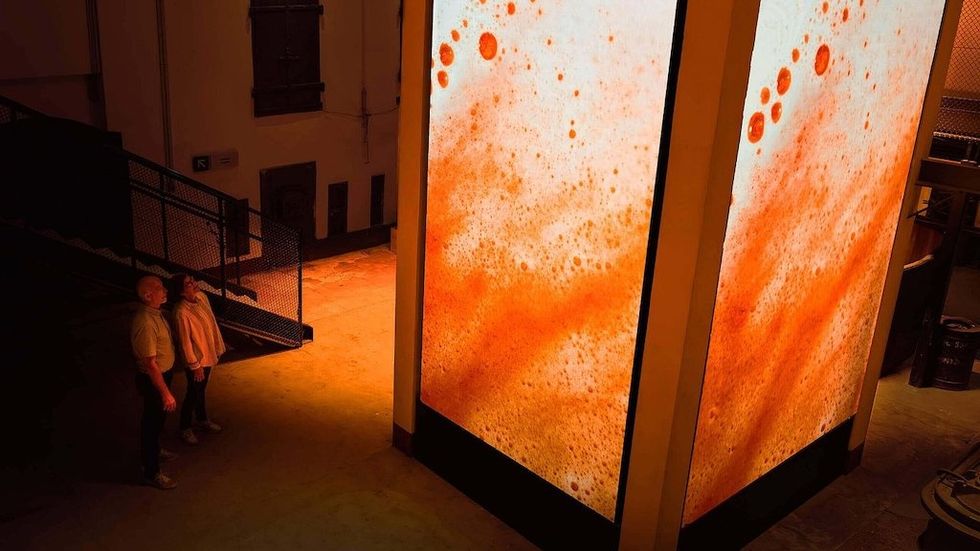 The Home of Carlsberg in Copenhagen brings the brand to life for both tourists and localsPhoto credit Daniel Rasmussen, courtesy of Home of Carlsberg
The attraction has quickly cemented itself at the heart of the new Carlsberg District in Copenhagen and is a major draw for tourists and locals alike. This is reflected in a 94% visitor satisfaction score, a 4.7 rating on Google, and exceptional brand ambassador conversion rates.
Since this seminal project, “Co-“ has become more than just a prefix for Kirk and Tzortzi. They have developed the thinking behind it into what is now described as a "Co-methodology", which they apply to every project.
A new methodology for a new time: the Luci London approach
The Co-methodology is a deeply collaborative process through which Luci brings together the client's vision and ambition with meticulous contextual research and diverse specialist input.
This is not only to present the story, but to challenge, disrupt, question and live it from a human-centred perspective. The design of the resulting experience ensures meaningfully emotional visitor engagement by exploring and expanding their existing understanding, beliefs and connection to the stories being told.
“For us, 'Co' is more than just a prefix. It defines a collaborative working framework based on co-design, co-stewardship and co-authorship: a Co-methodology," says Kirk.
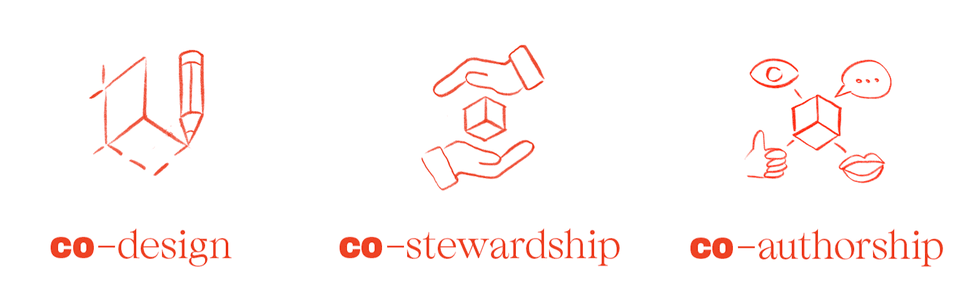 For Luci, Co-methodology is a collaborative working framework based on co-design, co-stewardship and co-authorship
- Co-Design: an approach grounded in shared agency and responsibility across our team, clients, experts and audiences. Luci show their workings and demystify their processes.
- Co-Stewardship: working in stewardship of a shared ambition, we shape a process that ensures every decision serves a collective vision. Luci believes everyone at the table has a responsibility for the project vision and successful visitor engagement.
- Co-Authorship: a collective of diverse expertise, voices and perspectives is necessary to shape truly unique projects. Luci believes in the power of people and that the outcome belongs to no one person.
Kirk and Tzortzi's role as designers is not purely to mediate disciplines, but to champion the design of the space to communicate emotionally, informatively, and experientially with its audiences. To transform the visitors from passive recipients into active participants and co-creators of meaning through spatial language and design.
New perspectives for new times
“Our world and our visitors continue to change. So will expectations,” says Matthew McNerney, chief creative officer, Luci
The industry is being confronted by the prospect of saturation by generic generative AI ‘solutions’ devoid of originality, specificity and human craft. To truly engage with visitors, who increasingly crave real, in-person, emotional connections that bring people together, there is a need to understand their experiences, mindset, and motivations.
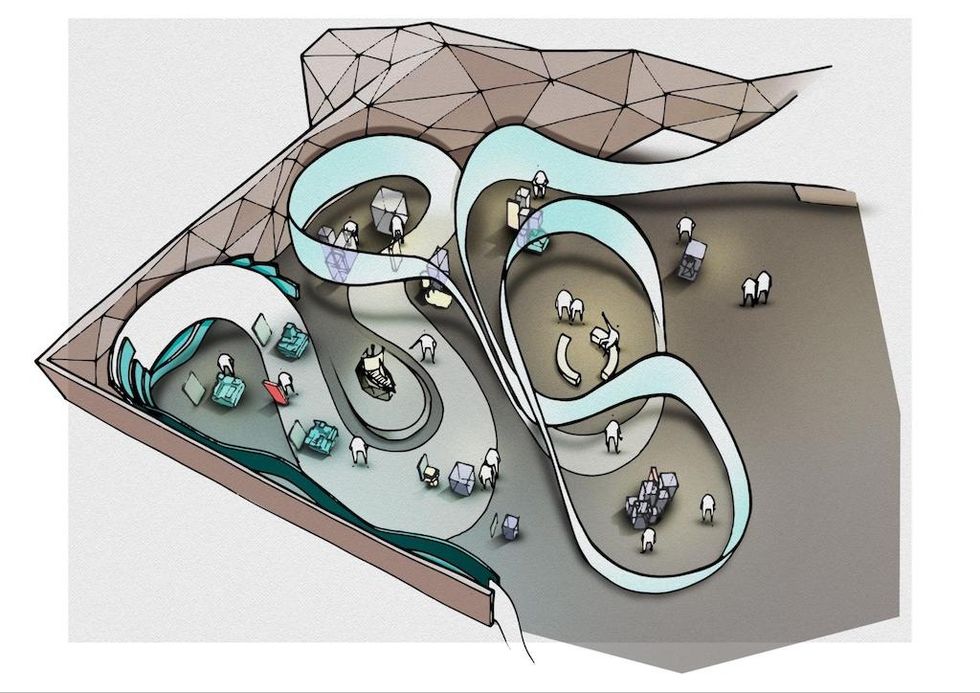 Sketch by Thomas Tzortzi during the development of the Islam Gallery for the Oman Across Ages Museum
This alternative path, that the Co-methodology seeks to facilitate, lies in deeply collaborative, human-centred design to create truly distinctive experiences that are intrinsically bespoke to the story, place and its people.
"If each project is a unique collective undertaking, a singular once-in-a-lifetime process that celebrates the diversity and breadth of the thematic topic and people involved, then experiential design can continue to flourish and transform the way we see ourselves and our world," says Luci.
Luci recently shared insights on creating emotionally intelligent museum interactives. The team learned lessons on designing for courage during the Game On! The Science of Sport project at the California Science Center.