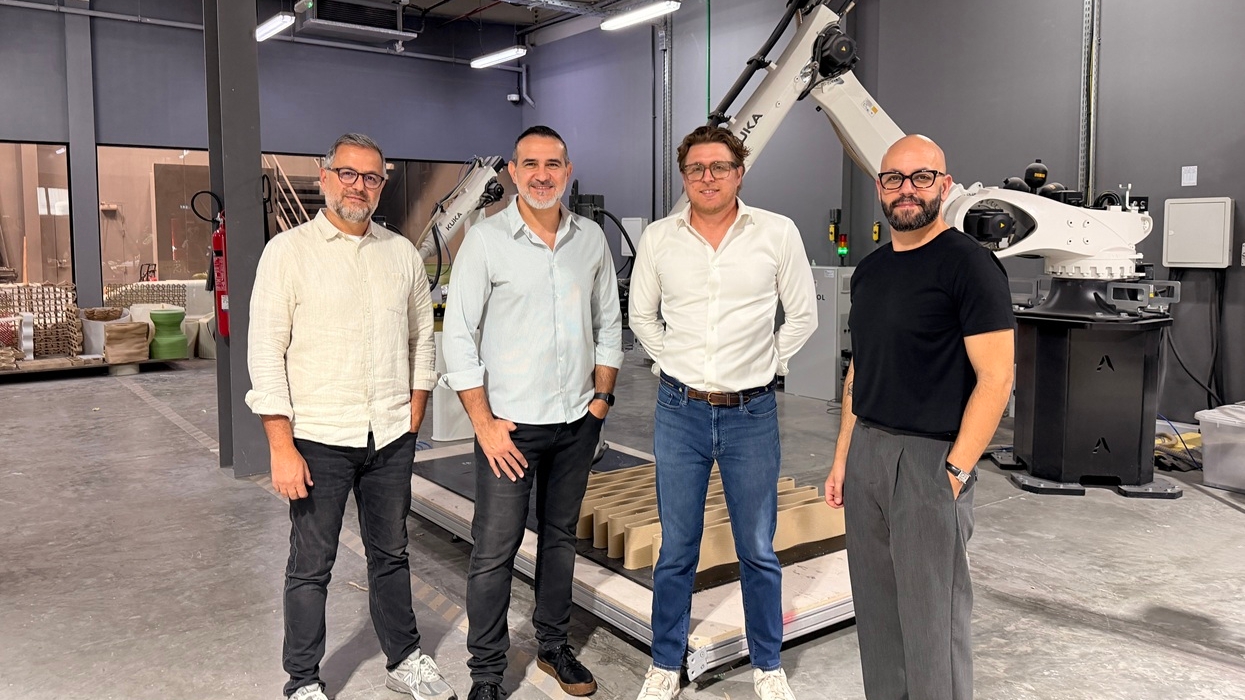
Mint Group, an industry leader in architectural theming and 3D fabrication, has acquired Generation 3D (G3D), a leading 3D printing company in the Middle East, signifying a shift from traditional scenic fabrication toward a fully integrated, technology-enabled production platform that meets the needs of the evolving industry.
Marking a natural continuation of the company’s journey, the acquisition builds on more than two decades of experience in themed fabrication.
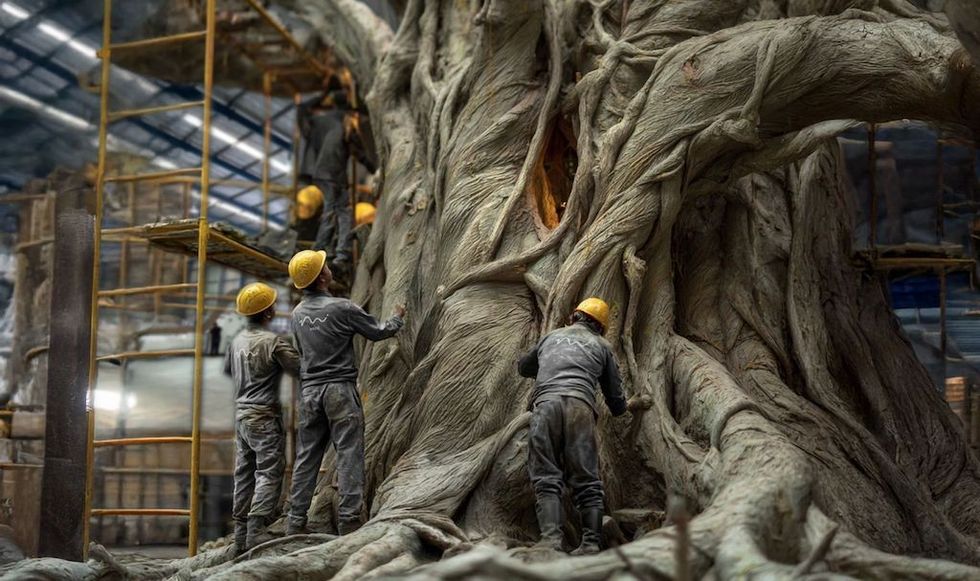 Mint marked 20 years with expansion into Saudi Arabia
Wassim Chaya, founder and board member of Mint Group, says: "Mint was built on craftsmanship, problem-solving, and the ability to deliver in complex environments.
"Over time, we have continuously invested in new technologies, not for the sake of innovation alone, but to improve how we deliver. The acquisition of Generation 3D is a continuation of that mindset.
"It allows us to bring advanced capabilities in-house and strengthen our ability to execute at scale, with greater precision and control.
"Today, the industry is moving faster, expectations are higher, and the margin for error is smaller. This step ensures that Mint is not only keeping pace, but staying ahead."
Advanced fabrication strategy
The G3D acquisition, says Amin Rashmani, CEO of Mint Group, represents a fundamental change in how the company operates and delivers:
"This is not just about 3D printing. It’s about how we rethink production. Historically, fabrication, fit-out, and advanced production have operated in parallel. What we are building now is a model where these components are fully integrated, from design intent through to final delivery."
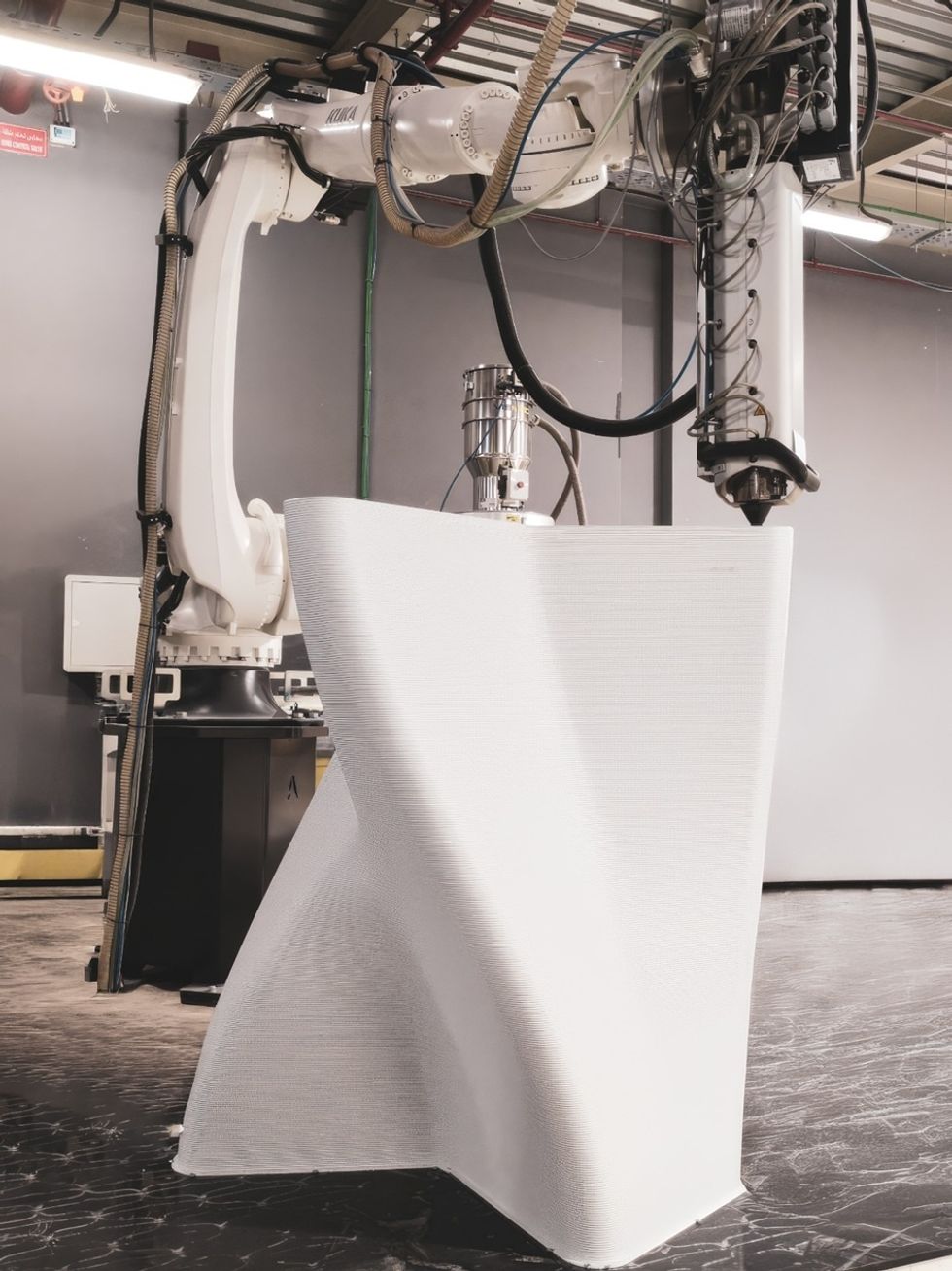 3D printing
Mint's portfolio includes major projects across the region, such as Warner Bros. World Abu Dhabi and Expo 2020 Dubai, which demonstrate the company's ability to combine creative execution and reliability under pressure.
And as projects across the region continue to scale across multiple sites and under compressed timelines, notably in Saudi Arabia, the challenge is no longer limited to capability alone.
"The expectation today is not just quality. It is consistency, speed, and control at scale," says Rashmani.
"By integrating Generation 3D into Mint’s ecosystem, alongside scenic production and fit-out through Code A, we are moving toward a more structured, coordinated, and predictable delivery model.
"The shift is clear: from fragmented execution to a unified platform. That is where the real value lies."
Integrated operating model
Previously, Mint's fabrication, fit-out, and specialised production have operated across separate teams, facilities, and workflows. Although this model has supported growth, it has brought inefficiencies in planning, sequencing, and execution.
The company's next phase aims to deliver a more integrated operating model that aligns scenic production, fit-out, and advanced fabrication into a coordinated production ecosystem.
"As the scale of projects increases, the biggest challenge is not capability, it is coordination," says Ali Saleh, COO of Mint Group.
"When production is fragmented, gaps naturally emerge between design and fabrication, between fabrication and installation, and ultimately between expectation and delivery.
"Our objective is to operate with shared planning, shared standards, and shared accountability across all production streams. This allows us to remove duplication, reduce rework, and improve how projects are sequenced and delivered.
"From a client perspective, this translates into better cost certainty, shorter timelines, and fewer coordination risks. From our side, it strengthens competitiveness, because we can deliver more efficiently, with greater control over the entire process."
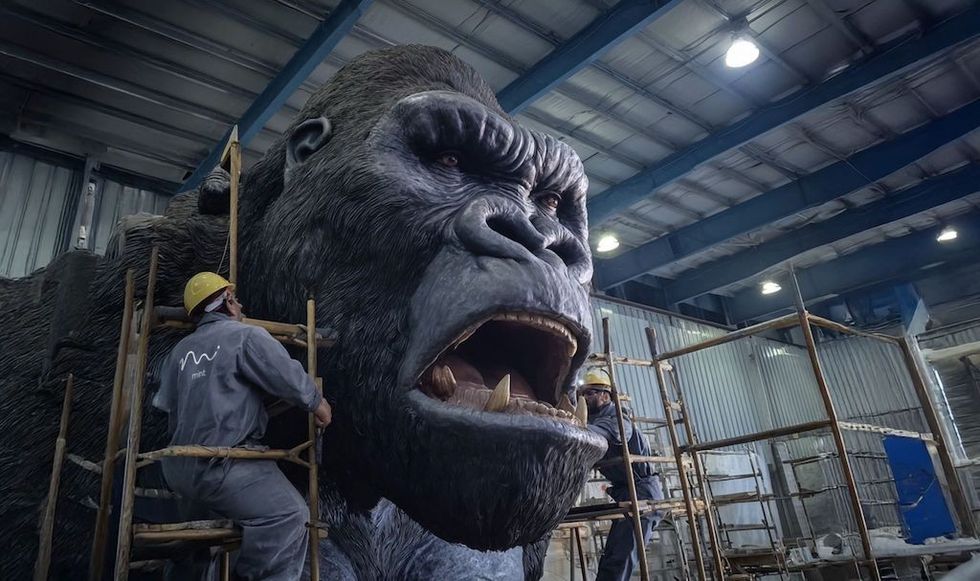
The Mint team at work
Fabrication at scale
G3D sits at the core of this transformation, bringing a level of precision and versatility that traditional methods struggle to match and redefining the company's approach to fabrication at scale.
By moving directly from the digital model to production, G3D reduces the manual steps required in fabrication workflows.
Dominic Wright, general manager of G3D, says: "3D printing has moved far beyond prototyping.
"Today, we are producing full-scale architectural elements, themed components, and highly detailed structures that would be extremely difficult or inefficient to achieve through traditional methods.
"One of the biggest advantages is precision. When you are working with complex IP or highly detailed environments, accuracy is critical. With digital fabrication, what you design is exactly what you produce.
"We can significantly reduce production time by removing intermediate processes such as carving, assembly, and repeated refinement. The workflow becomes more direct, more controlled, and ultimately more reliable."
Additionally, advancements in materials are offering new opportunities.
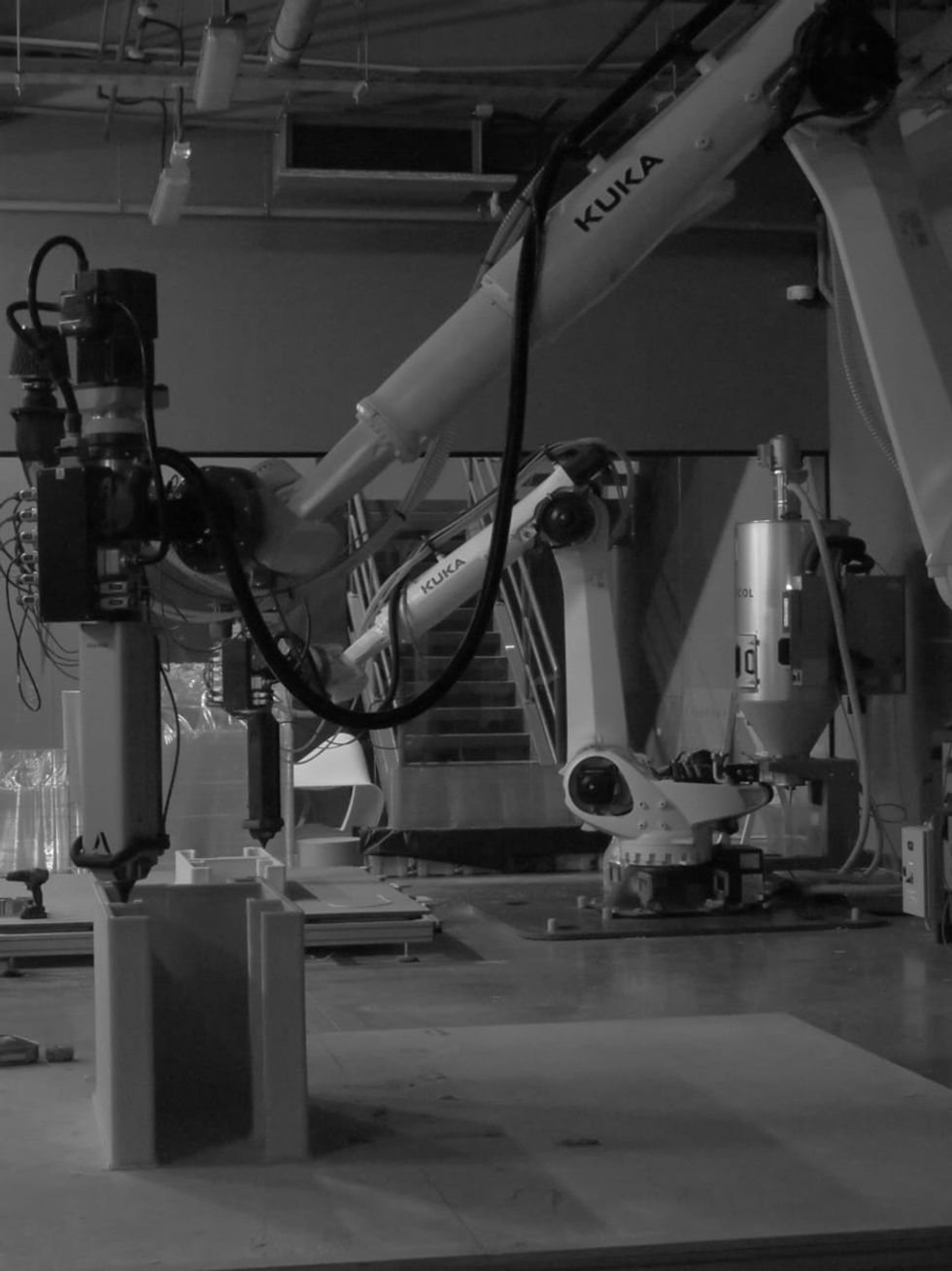 The G3D workshop
"We are seeing rapid advancements in fire-rated and durable materials, as well as more sustainable options using recycled content. The future of this technology is not just about form, but about how responsibly we produce at scale."
With this acquisition, G3D is now positioned to move beyond individual applications and into fully integrated project delivery.
“What excites me most is the ability to apply this technology directly within large-scale projects. Integration is where the real impact happens when design, fabrication, and installation are aligned from the start," says Wright.
Future-focused approach
The integration of advanced fabrication into mainstream delivery reflects a broader evolution across the sector. As projects increase in size, complexity, and time sensitivity, traditional delivery models are less effective.
For Mint Group, the acquisition of G3D is a vital step towards a more scalable and robust platform for the future.
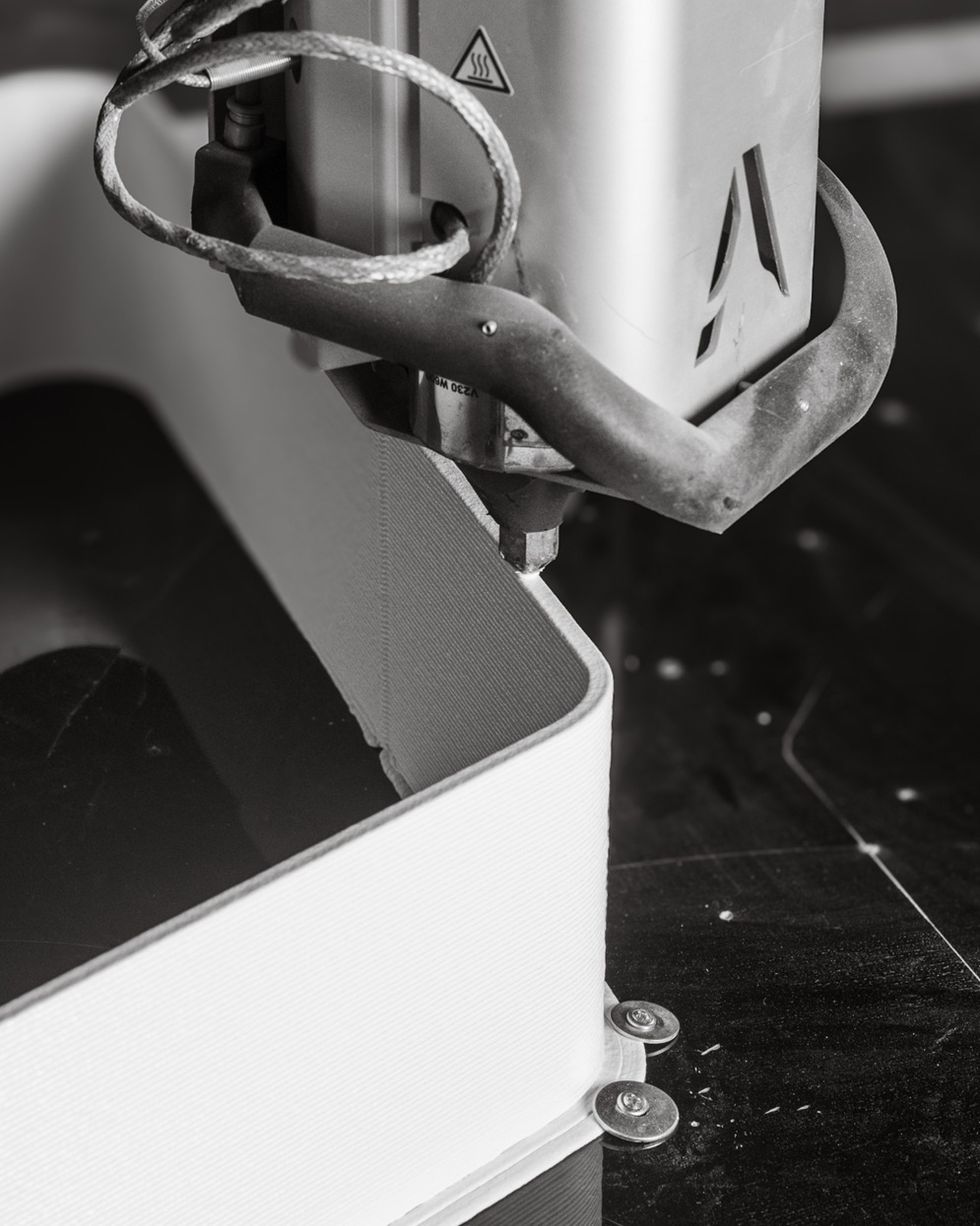
3D printer, detail
Rashmani says: "We are building a system that can support the next generation of projects in this region.
"The ambition is to combine craftsmanship, technology, and execution into a model that delivers consistently, reliably, and at scale."
As the Middle East continues to dominate international investment in themed entertainment and experiential development, the ability to deliver with precision, speed, and control will define the next generation of industry leaders. Mint Group is set to position itself within that landscape.
Last month, Mint Group announced the appointment of Amin Rashmani as its new group chief executive officer.