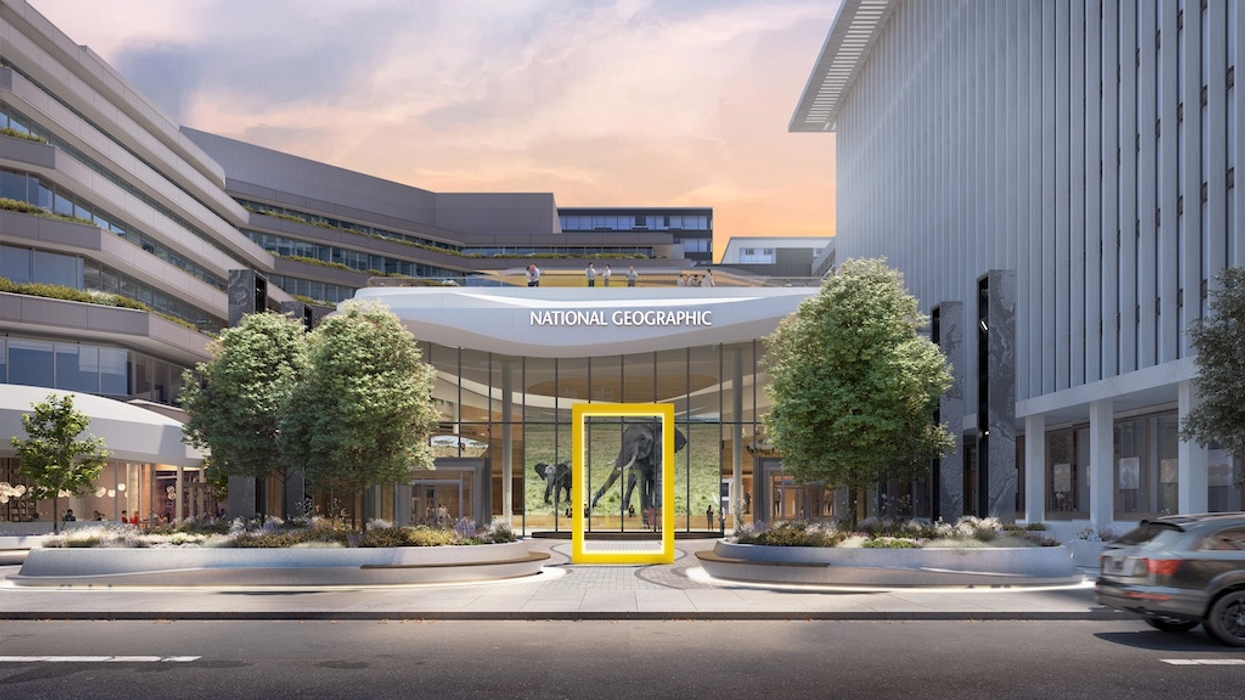

The National Geographic Society, a global non-profit and leading creator of live events, experiences, and travelling exhibitions, opens the eagerly awaited National Geographic Museum of Exploration at its global headquarters in Washington, D.C., on 26 June 2026.
This $300 million project aims to revitalise the organisation's nearly 130-year-old campus and is the largest expansion in the Society's history, increasing public space from 20,000 to over 100,000 square feet.
Designed to immerse visitors in the real-world journeys of National Geographic Explorers, the sustainably built destination uses cutting-edge experiential technology.
"The Museum of Exploration is where our legacy of storytelling meets the experiential technology of today," says Jill Tiefenthaler, CEO of the National Geographic Society.
A dynamic visitor experience and AR courtyard
The visitor experience starts even before entering.
The museum’s outdoor courtyard showcases six unique ecosystem planters, representing environments from tropical forests to polar areas. These are enhanced with immersive natural soundscapes, animal tracks, and bronze sculptures of wildlife, such as an emperor penguin and a Japanese giant salamander.
The evening courtyard experience is further enhanced by digital media studio Moment Factory, which transformed the facility’s facade into an expansive projection surface. Read our deep-dive coverage on the technical design behind the Moment Factory immersive exhibits at the Museum of Exploration.
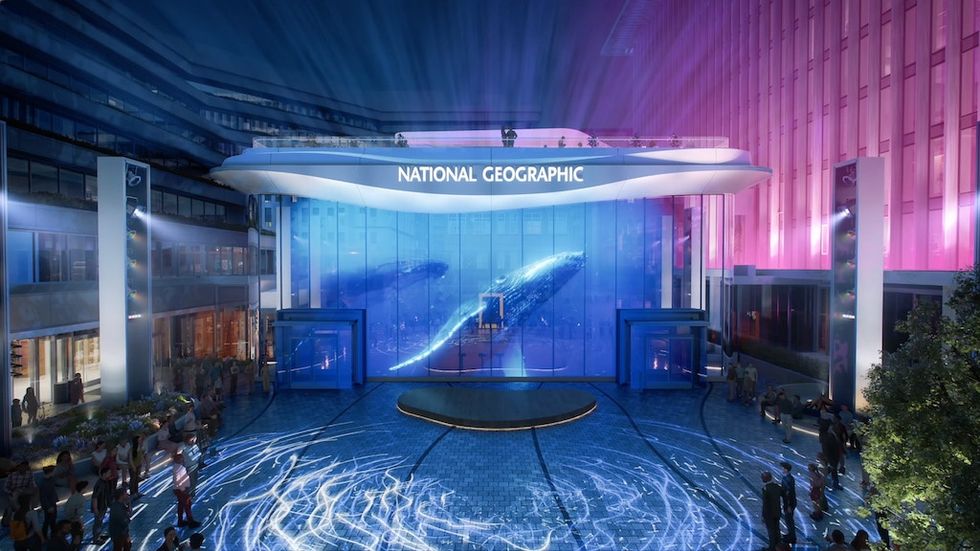 The courtyard of the Museum of Exploration will come alive at nightImage courtesy of National Geographic Society
Created in partnership with digital transformation firm EPAM, the free daytime courtyard features Into the Field AR, an advanced augmented reality experience accessible through a mobile app.
Emily Dunham, chief campus and experiences officer, noted that combining tactile environments with digital storytelling provides "unforgettable moments that inspire us all to become global stewards of our extraordinary planet."
Inside the Pavilion entrance, the museum offers a range of ways to explore.
Visitors can discover The Archives, an interactive exhibition that celebrates the Society's storytelling legacy. Another highlight is Rolex Explorers Landing, which traces the journey from an Explorer’s first spark of curiosity to their enduring global impact.
Additionally, Explorers Eatery provides an authentic, globally inspired international food hall where guests can enjoy diverse cuisines, including American, Italian, Moroccan, Peruvian, and Vietnamese dishes.
Immersive exhibitions and historic photography
The museum's Exhibition Gallery will debut with Photo Ark: Animals of Earth, led by National Geographic Explorer Joel Sartore. Approaching its 20th anniversary, the Photo Ark project has documented over 17,000 species to highlight the global extinction crisis.
The opening exhibition will use large-scale projections and sensor-based touch interactives to directly engage visitors with the world's endangered animals.
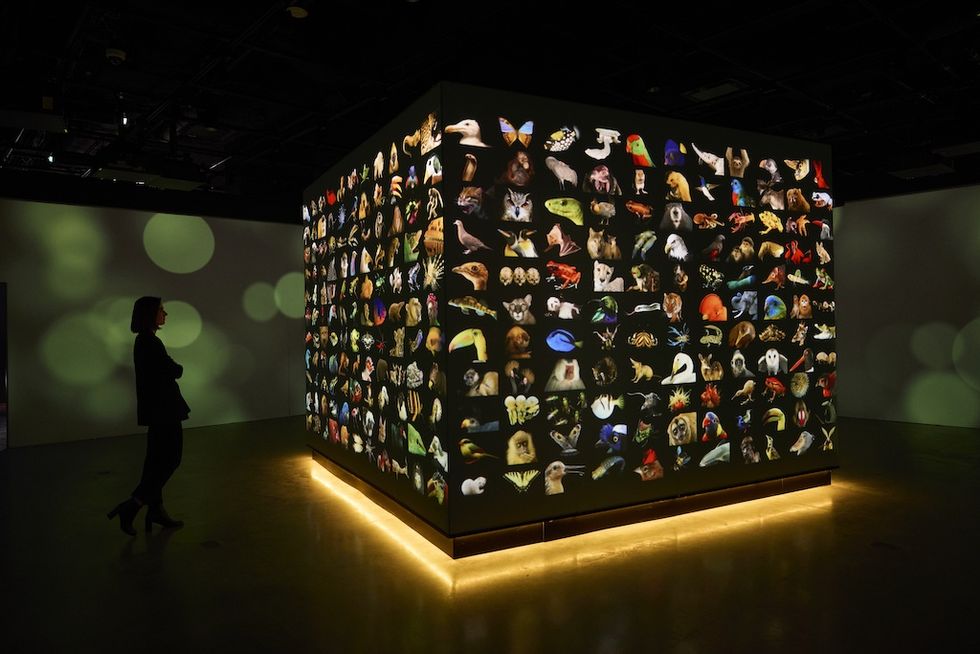 Photo Ark: Animals of Earth, led by National Geographic Explorer Joel Sartore, will be one of the inaugural exhibitions the the Museum of ExplorationImage courtesy of National Geographic Society
Plus, an exhibition titled In Focus: Photographs of National Geographic will display a curated selection of the brand's most iconic images. Highlights include George Shiras’ pioneering nighttime wildlife photos and Ami Vitale’s powerful portrait of Sudan, the last male northern white rhinoceros.
Education and partnerships
Emphasising the museum's educational mission, a broader partnership funded by a $15 million gift from Cengage will support the National Geographic Learning Launchpad. This interactive area, designed for children, features an introductory corridor, an activity room, and an immersive projection space.
Learning Launchpad will serve as the first stop for student groups, designed to teach geographic thinking, creative problem solving, and the "Explorer Mindset".
 The expansion of the National Geographic Society's headquarters has increased public space from 20,000 to over 100,000 square feetImage courtesy of National Geographic Society
A shared spirit of exploration brought the National Geographic Society and Rolex together in 1954, and it remains at the heart of their partnership today.
Rolex Explorers Landing at the Museum of Exploration is dedicated to celebrating and elevating National Geographic Explorers, extraordinary individuals who relentlessly push the boundaries of exploration to increase our understanding of the planet
Sustainability and accessibility
Aligned with the attractions industry's growing emphasis on climate action, the Museum of Exploration has made sustainability a core principle, pursuing LEED Platinum certification through eco-friendly building practices and waste reduction efforts.
The Society has also prioritised accessibility by incorporating captioned media, visual descriptions, and American Sign Language (ASL) support.
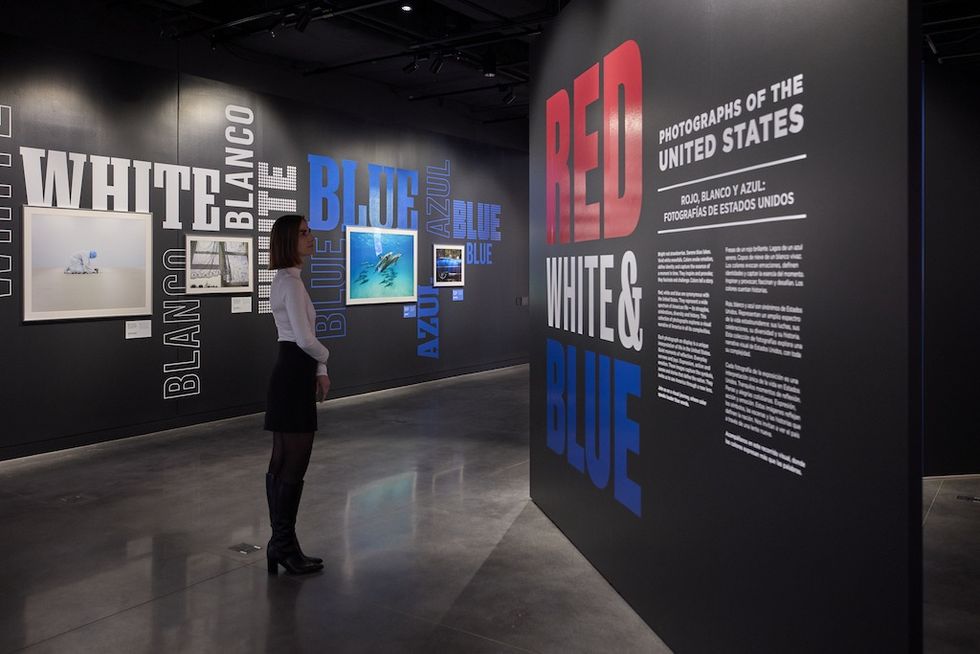 Visitors can also explore Red, White & Blue: Photographs of the United States, as the Museum of Exploration opens ahead of the naton's 250th anniversaryImage courtesy of National Geographic Society
Tactile photographs are included in the In Focus gallery, and exhibit signage is bilingual in English and Spanish, with Braille messages provided at major wayfinding points.
Earlier this year, the National Geographic Society announced that its latest exhibition, The Greatest Wildlife Photographs, will continue to tour following its run at The Momentary in Arkansas, US.
The photography-focused exhibition shares a selection of the most extraordinary images of the animal kingdom. It will be available to book in the US and globally as a digital delivery.