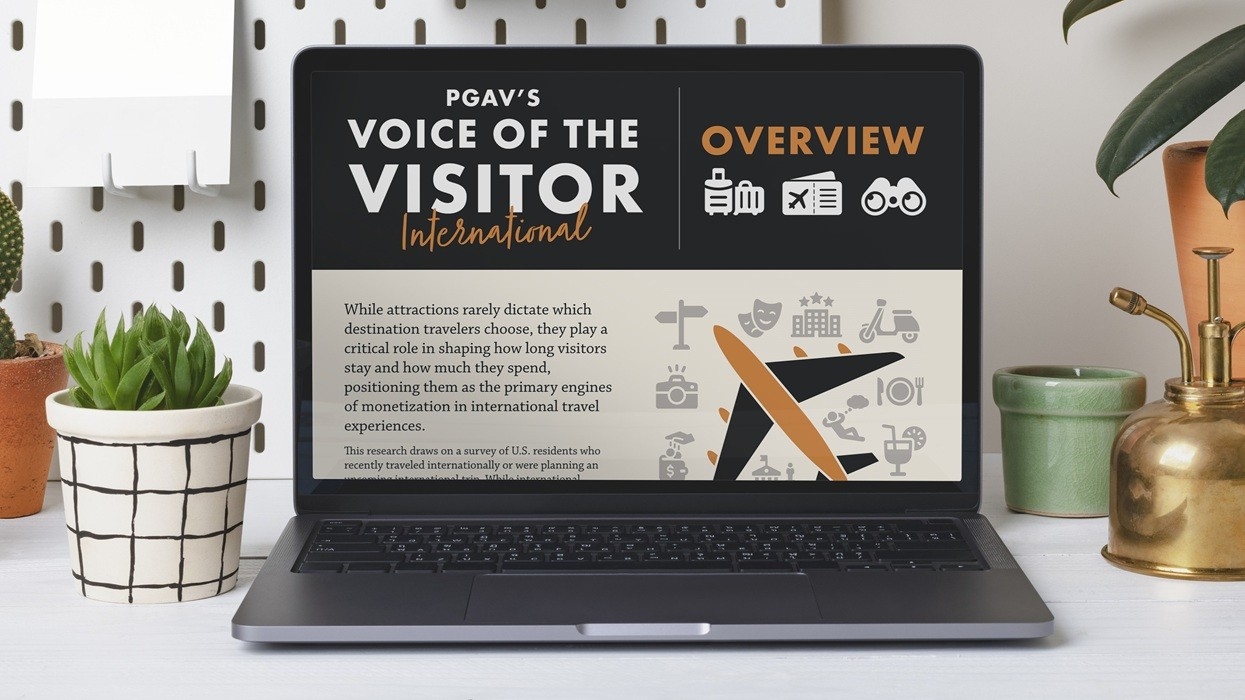

PGAV, a global leader in the planning and design of unique destinations, has revealed the results of its latest research study, Voice of the Visitor: International.
The report examines how travellers select destinations, experience attractions, and choose where to spend their time and money.
As the international travel and attractions sector reaches a tipping point due to growing competition and evolving visitor expectations, this study clarifies the factors shaping the next era of destination strategy.
Diane Lochner, PGAV principal, says: "This work builds on PGAV’s long-standing commitment to understanding the visitor.
"For the past 10 years, PGAV’s Voice of the Visitor report has explored visitor motivations and industry trends. Additional reports, such as Transformation, have explored visitor avatars, including Zen Chasers and Escape Voyagers.
"Destinology, a bi-weekly publication that reaches more than 40,000 subscribers, offers articles on topics ranging from complying with accessibility regulations to navigating changes in federal funding for cultural institutions to rebranding for zoos and aquariums.
"With this study, we’re expanding that perspective globally, delivering insights more frequently, and deepening our understanding of how attractions compete for time in an increasingly complex and global experience landscape."
Destinations define decision-making
The study is based on a survey of US-based respondents who have or intend to travel internationally, and looks at planning, experience preferences, and spending behaviours.
It found that 88% of international travellers decide on their destination before choosing particular attractions, which reframes how attractions compete.
While attractions are seldom the reason a traveller chooses a country, they are vital in determining length of stay, depth of engagement, and spend.
Carol Breeze, PGAV lead designer, says: "Attractions don't just fill days. They confirm the traveler's story to themselves. The implication is profound for attraction operators: your guest arrived emotionally primed.
"The destination already did the heavy lifting. Your job is to complete the feeling they came for and in doing so, become the story they tell when they return home."

The study also confirms that travel is often driven by emotion, with 50% of respondents motivated by experiencing new cultures and traditions. Furthermore, 43% prioritise relaxation and personal renewal.
This emotional basis offers an opportunity for destinations and attractions to develop experiences that integrate narrative, authenticity, and cultural connection into every touchpoint.
Almost all of those surveyed planned to visit at least one attraction on their next trip.
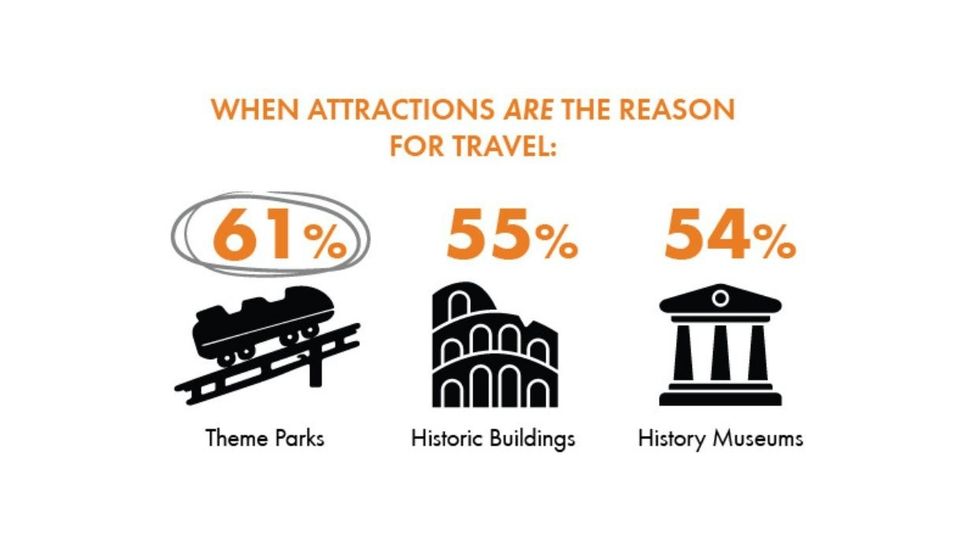
And although many select a destination before attractions, when a trip is planned for a specific attraction, it is most often a theme park. This illustrates the influence of strong brands, recognisable stories, and emotionally resonant experiences.
Al Cross, PGAV vice president, says: "The romanticized view of international travel is fading due to overcrowding and poor experiences.
"One reason people might choose a theme park first is the guarantee. You know you’ll come away with a great experience. You know it’s worth it. There is a much smaller gap between the romanticized vision and the actual experience."
Global insights with local implications
The study also shed light on visitors' spending habits. It found that food and beverage spending intent exceeds even that of admission, with 56% of travellers actively seeking local or traditional cuisine. Additionally, there is a preference for locally made or artisan products.

Food and retail are key to the experience and can both drive revenue and serve as powerful memory anchors when authentically designed.
Amanda Yates, PGAV director of brand experience, says: "F&B allows visitors to continue their cultural experience through food. This has significant design implications.
"An attraction that serves chain-restaurant-style food or generic café fare is failing to match the emotional state visitors are already in.
"Guests are looking for something that feels local and authentic, but still comfortable and approachable. It’s that balance between discovery and familiarity."
While the study examines international travel preferences, it has broader implications for domestic and local visitors who share the same emotional drivers, such as authenticity, expectation, discovery, and memory.
Guests are guided by the same core motivations, whether deciding on a week away or an afternoon activity near home. For operators, this presents an opportunity to create experiences that resonate deeply and define the visitor’s time.
In February, PGAV announced the launch of a dedicated international presence, marking an intentional commitment to sustained, on-the-ground global engagement.