Ecsite 2026 is scheduled for June 2-4, 2026, in Gothenburg, Sweden, at Svenska Mässan, the Swedish Exhibition & Congress Centre. Organised by Ecsite member Universeum, the event also offers attendees the chance to explore this diverse science centre, featuring an aquarium, planetarium, rainforest, and acclaimed exhibitions.
The Ecsite 2026 programme features educational sessions, practical workshops, and networking events, highlighting the wide range of expertise that drives public engagement with science.
The conference features a variety of highlights. Attendees can participate in Learning & Exchange sessions, which include two keynotes and over seventy sessions covering topics such as leadership, fundraising, marketing, exhibitions, partnerships, and research.
These sessions are conducted through workshops, panels, and interactive formats.
Additionally, there are Deep Dives & Focus sessions, including five half-day workshops on June 2nd that are open to all, as well as exclusive sessions for Ecsite members focused on the CEO and marketing topics.
 2026 Ecsite Conference is hosted by Universeum in Gothenburg: 2-4 June. #Ecsite2026
The trade show offers a platform to showcase innovative solutions and travelling exhibitions designed for science centres, museums, and public engagement organisations.
Networking opportunities will be held at venues such as Universeum, providing spaces for attendees to connect, share ideas, and foster collaborations.
Ecsite 2026 at Universeum
The Ecsite Conference & Trade Show is a comprehensive global gathering of over 900 science engagement professionals from more than 50 countries.
Participants come together to share expertise, learn from each other, and build valuable professional connections.
The event features over 75 sessions covering a broad array of topics, including leadership, exhibit development, marketing, education, and the relationship between science and society. These sessions are presented through diverse formats such as panels, debates, and workshops.
The Ecsite Conference is suitable for anyone involved in or supporting science engagement, whether from science centres, museums, natural history museums, science festivals, universities, or other related fields.
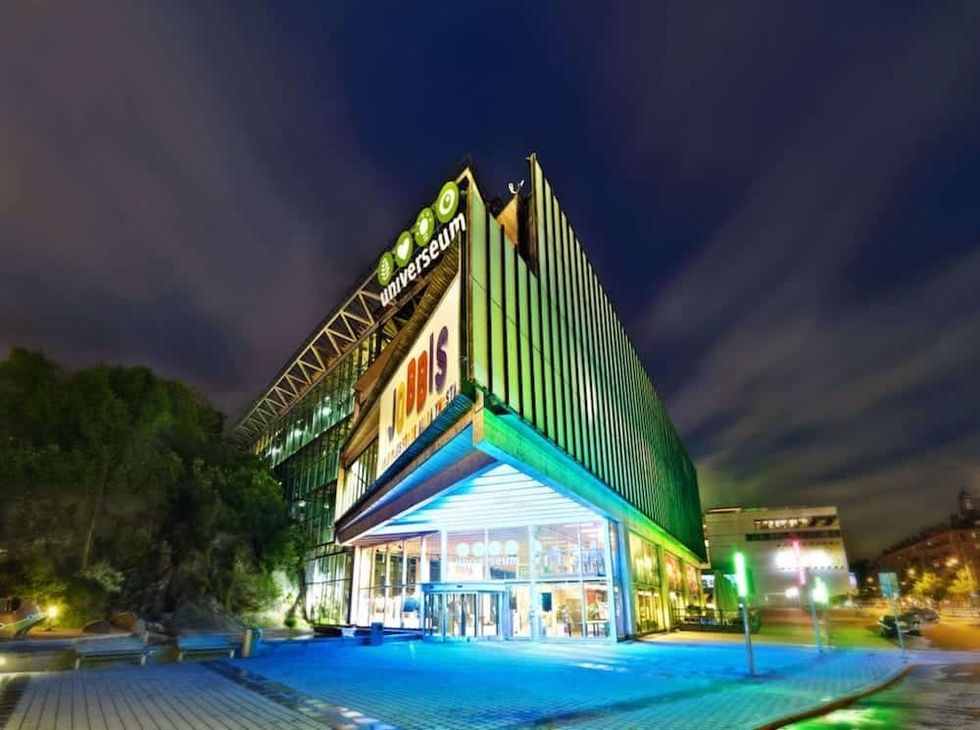 Unvierseum is Sweden's leading science centre, with exhibits exploring science, technology, and maths Image courtesy of Universeum
Attendees include professionals from the top science engagement institutions worldwide, representing various disciplines.
Situated in Gothenburg, Universeum is Sweden’s premier science centre, inviting visitors to discover the world through science, technology, and maths.
It features a modern planetarium, acclaimed exhibits, a vibrant indoor rainforest, and impressive aquariums, providing an engaging and immersive educational experience for visitors of all ages.
"At Universeum, we explore our world through STEM," says the host.
"The experiences provide knowledge about everything from atoms and artificial intelligence to ecosystems and equations. We place this knowledge in a larger context, in an interdisciplinary perspective that helps children, young people, and adults understand how the world is connected and how it works.
"With knowledge and understanding comes the desire to act for a sustainable future."
Highlights from the programme
Tuesday 2 June
Tuesday morning sees a range of interesting pre-conference in-depth workshops. These deep-dive sessions, sponsored by VISIT Group, cover topics such as Space is big. Attention short. Now what? and Beyond the “good old” survey - different methods in evaluation.
There is also a CEO Focus, a deep dive titled Prototyping like a pro 2.0: Build, test, and iterate explainer toolkits and a Marketing Focus session looking at how marketing and communications teams in science centres and museums can do more than promote - helping boost income, attract new audiences, and shape programmes from the ground up.
In the marketing session, attendees will hear the latest industry trends from blooloop's Tom Robinson alongside other experienced specialists in the field, including Eric Edblad of Universeum and Vesa Kuokkala of Heureka.
It will be hosted by Laura Jacklin of NHM and Nicola Hamilton from Ecsite, with the support and guidance of Jan C. Bodenbender of experimenta.
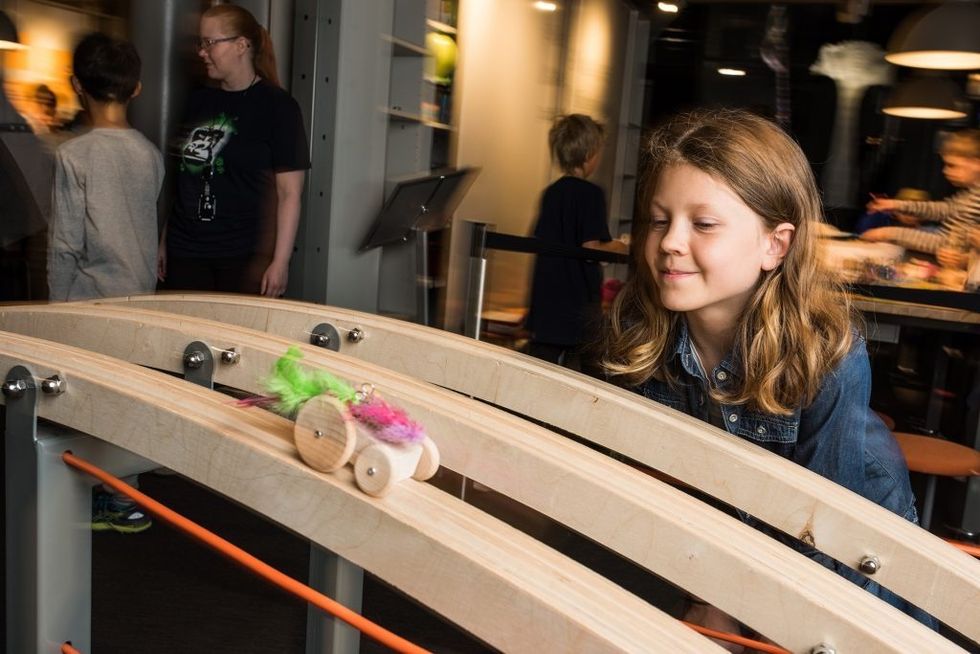 An exhibit at Heureka, the Finnish Science Centre. Speakers from Heureka will take part in several sessions at Ecsite 2026Image courtesy of Heureka
Other options include From first Hello to last Goodbye: How organisational culture keeps employees engaged and Decolonising science communication: Theory and practice.
Then, at 2 pm, the opening ceremony officially kicks off the action, including the annual Mariano Gago Ecsite Awards.
In the afternoon, concurrent sessions include Space-Inspired Education Beyond the Classroom: From ESA missions to museums floors and People-powered – the art and science of employee engagement.
Pitch perfect: A fundraising and sponsorship shark tank will invite participants to step into a “Dragons’ Den” style environment. This is led by Kim Gladstone of Experimentarium, Joanna Kalinowska of the Copernicus Science Center, Ecsite's Nicola Hamilton, and Alexandra Burch of the Natural History Museum.
In Children’s galleries in science centres and museums: Where’s the science?, speakers will discuss the place of science-oriented content within children’s learning experiences in museums.
Speakers include Raphael Chanay and Alisson Boiffard of Universcience, Madeline Stanley of the Science Museum, Maria Xanthoudaki of the Museo Nazionale della Scienza e della Tecnologia Leonardo da Vinci and Karen Davies from Science Museum Group.
What’s new in travelling exhibitions? - part 1 is a whistlestop tour of some of the current and upcoming touring science exhibitions across Europe and the world, featuring suppliers such as National Geographic, Science North, and the Science Museum Group.
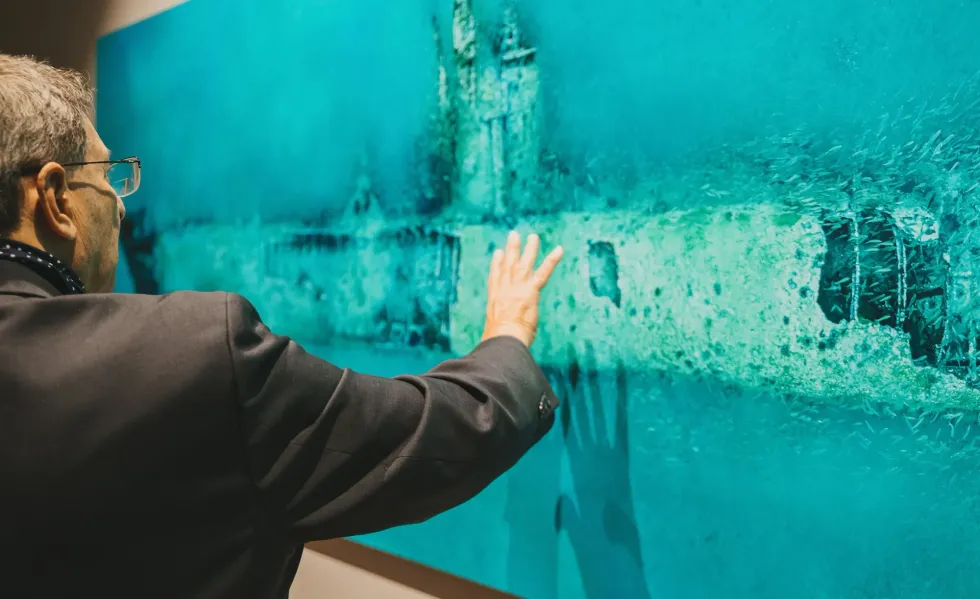 Oceans is the latest travelling exhibition from National Geographic, showcasing the work of legendary underwater photographer David DoubiletImage credit Stefano Casati
Other sessions are Rethinking leadership: Responding to new workforce expectations and Meet the winners of the Mariano Gago Ecsite Awards
Climate adaptation, travelling exhibitions, and touchable data
Sessions also continue later in the afternoon, following a short break. These include Climate adaptation: Will we survive at +4°C? , exploring what adaptation can be and working together on examples that might inspire museums to change in time and be prepared.
This session includes Hui-Ling Chen of the National Museum of Natural Science, Karolina Dolatowska-Żebrowska from Copernicus Science Center, Gabrielle Zaug of Universcience, Anne-Shifra Levy-Grinbaum from Odéon Théâtre de l'Europe, Nandita Singhal from Dharohar, Maggie Greyson of Futures Present and Annika Brieber of Klimahaus Bremerhaven.
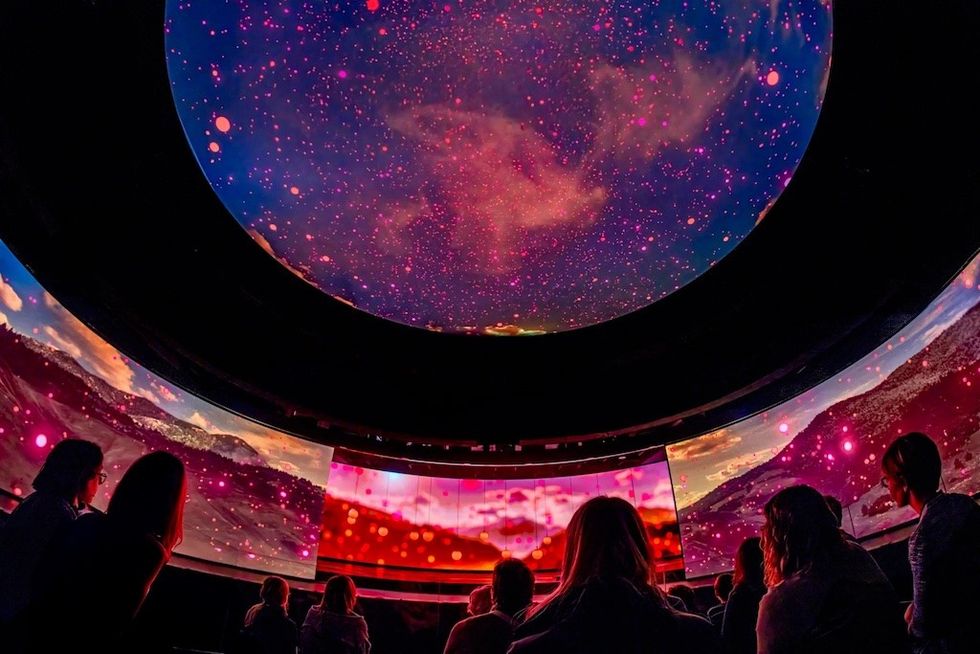 The Wetterextreme Experience is one of the exhibits on show at Klimahaus Bremerhaven. Image courtesy of Sarner International
At the same time, the Grand Bazaar is an informal session featuring dozens of facilitated hands-on activities from across the community.
Interactive software for creating immersive public engagement spaces provides a background on OpenSpace and its use across immersive settings. It is led by Jesper Wallerborg of Tekniska Museet, Melinda File of Ars Electronica, Ryan Wyatt from the American Museum of Natural History and Tim Florian Horn of Planetarium Berlin.
What’s new in travelling exhibitions? - part 2 follows on from part 1, with input from Imagine, the American Museum of Natural History, National Museums Scotland and many more.
Meanwhile, in Communicating with integrity: Ingredients for multi-stakeholder success, delegates will hear from Laura Jacklin of the Natural History Museum, Julia Olderius from The Swedish National Museum of Science and Technology, Charlotte Mansfield from Universeum, Vesa Kuokkala of Heureka and Laure Rigaud-Soares from Universcience.
Attendees can also choose to attend the Ten important questions to improve your learning through evaluation or From storage to story: Activating the hidden life of collection objects sessions, or take a Universeum tour called Touchable data: Design challenges in visualisation learning.
Events on Tuesday evening include the Newcomers Meetup and the New Ecsite Members Onboarding, both at Universeum, as well as the Networking Gateway at World of Volvo.
Wednesday 3 June
After a morning coffee welcome, delegates can choose from sessions such as Level up! Game mechanics for engaging science learning will discuss how game design principles can be applied to create more engaging and impactful learning experiences.
This will feature insights from Yumi Miyahara of Miraikan (National Museum of Emerging Science and Innovation), Maysaa Aboalsamh of ilmi Science Discovery and Innovation Center, Eric Londaits from Imaginary, Meredith Doby from The DoSeum and Adriana Magni of Kiss the Frog.
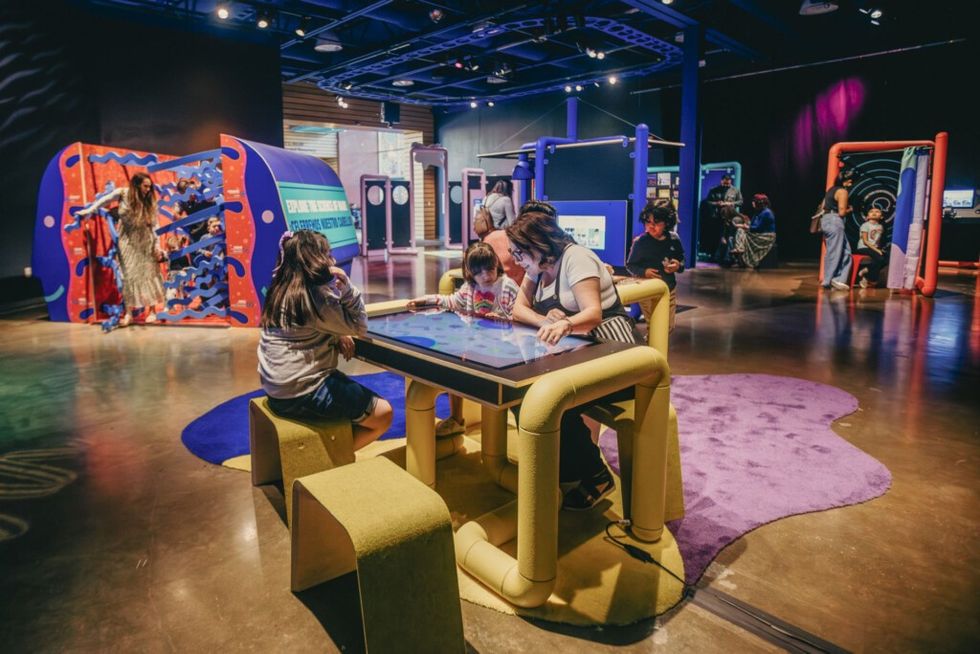 Kiss the Frog's work for Uniquely Us: Understanding Race and Building Unity at DoSeum children's museum in the United StatesImage courtesy of Kiss the Frog
Risky museographic choices: Can we trust our audiences? explores how museums can be confident that audiences will understand and enjoy their museographic choices. Speakers are Jean-Christophe Denis from the University of Edinburgh, Caroline Vrammout from Universcience, Celia Bachmann of Stapferhaus and Candice Hittier from CERN.
Other sessions include People in the centre of change: Action as an outcome of engagement; Beyond the usual suspects: Reaching people who do not visit science communication spaces; and Beyond the stars: Unleashing the full potential of visualisation domes and planetariums.
Making sense of AI
Then, Simone Natale, Associate Professor at the University of Turin, will deliver a keynote called Talking to parrots, or how to make sense of AI.
A widely cited paper initially called Large Language Models (LLMs) like ChatGPT "stochastic parrots” that only mimic linguistic competence. Now, they are treated as social partners in both professional and personal settings, such as discussing intimate concerns and mental health issues.
As museums and exhibition centres adopt these technologies, they need new ways to understand the dialogues they enable and the types of interlocutors they create for practitioners, visitors, and audiences.
Using the metaphor of the parrot, this keynote examines Alex, a grey parrot studied by Irene Pepperberg from 1976 to 2007. Revisiting efforts to establish human-animal communication, the talk offers a framework for understanding a present where humans exchange with machines that can, but often do not truly, communicate back.
Later in the morning, the programme features sessions like How to transform your institution? Science centres and science museums are facing major shifts: financial pressures, changing audiences, and the need to remain relevant in turbulent times.
Exploring this topic are Karena Kalmbach and Stefan Brandt from FUTURIUM, Majed Al Mansoori from the Museum of the Future, Geke Roelink of NEMO Science Museum, and Lydia Ladbrooke of We The Curious.
In The beauty of obsolescence: Giving new life to old exhibits, participants will be invited to swipe left or right on a selection of exhibits handpicked by the panel: Elisabeth Limbeck-Lilienau from Technisches Museum Wien, Gunnar Behrens of Archimedes Exhibitions, and Thierry Dassé and Samia Lorrain from Universcience.
Science centres and museums in the experience economy need more than small tweaks for sustainable growth. Revenue depends on marketing, pricing, and major structural choices like commercial models, packaging, partnerships, and distribution strategy.
Revenue by design: Distribution strategy and AI in the experience economy explains what “revenue architecture” means in practice, with Fabian Massaro of VISIT, Eric Edblad and Emelie Boon from Universeum, and Malin Billing and Johan Thorell of Liseberg.
Other sessions include What’s up with immersive rooms?, Social robots: If you can design a personality from scratch, don’t make it suck!, Science where you least expect it: Creative and practical outreach formats, Social justice in STE(A)M Learning Ecosystems, and the Inspiration Bazaar.
Museum futures, sustainability, and immersive tech
In the afternoon, attendees can choose between more concurrent sessions, including Futures in flux: How museums showcase the human touch in the age of AI. This session examines how public engagement institutions can reframe AI, not only as a technical tool but also as a provocation that emphasises the human element.
Attendees in this session will hear from Stefanie Holzheu of Futurium, Maggie Greyson from Futures Present, Clayton Micallef Grimaud and Erica Falzon of the National Skills Council, and Fabio Rubio Scarano from the Museum of Tomorrow.
At the same time, Beyond the feed: Building real audience connections using social media focuses on how museums, science centres, and similar institutions can effectively use social media platforms to reach and inspire broader B2B and B2C audiences.
This includes Laure Rigaud-Soares of Universcience, Madisson Pillikse from Ecsite, Laura Gosney of The Natural History Museum and Roosa Hopeamaa from Heureka.
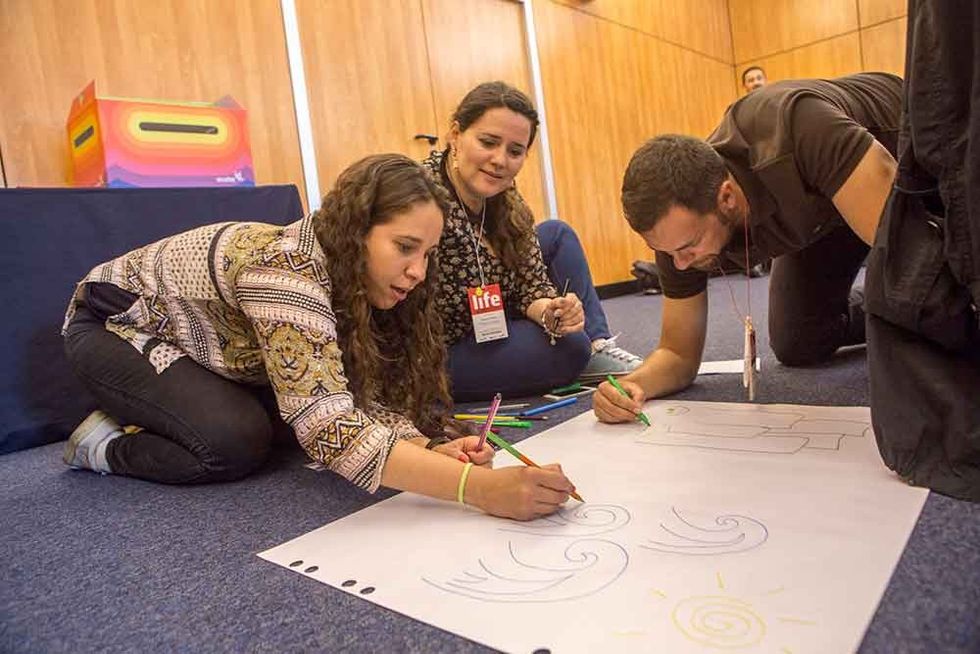 A collaborative session at a previous Ecsite conference Image credit Ecsite
AI in science centres and museums: Lessons from four institutions looks at how to develop exhibitions that engage the public in making sense of AI while keeping up with rapid change. Ari Krakowski from Lawrence Hall of Science, Eric Dimond of Exploratorium, Christoph Kremer of Ars Electronica Center, and Linz Tobias Kösters of IMAGINARY share their experience.
From informing to transforming: Museums and science centres as sites of agency explores how science communicators and curators perceive their roles within the different levels of action in the European GreenComp framework.
This panel includes Marianne Achiam from the University of Copenhagen, Emma Woods of the Natural History Museum, London, Karolina Dolatowska-Żebrowska from Copernicus Science Center, and Jelle Boeve-de Pauw from Utrecht University
There is also an afternoon tour called Conservation, education, operations: Three paths to sustainability at Universeum. This walk through Universeum's living environments spotlights the science centre's sustainability efforts.
Other afternoon options are Breaking down walls: Going further to promote social inclusion through science; Approaching controversy in science museums; The neurodivergence myth buster - supporting neurodivergent science communicators; and Bid happens: A lighthearted look at tenders.
The economics of science centres and the human side of co-creation
Concurrent sessions continue after a coffee break with When exhibits break: The opportunity for learning and innovation, which examines how science centres, museums, and aquariums handle wear, damage, and ageing.
It covers strategies for preventing incidents, repairing and maintaining interactive features, and discovering innovative methods to prolong their lifespan. In this interactive session, delegates will hear insights from Sarah de Launey of SPARKOH!, Aurélie Martin and Lolita Couchene of Nausicaa, and Sofia Lourenço from Ciência Viva Pavilion of Knowledge.
In The role of digital technologies in museography: Designing, maintaining and evaluating differently, this topic will be explored by Pierre Marteau of Universcience, Christian Sandberg from Universeum, Rich Blake from the Science Museum, and Friederike Wawerka of Experimenta.
Rethinking the economics of science venues: How institutions are innovating revenue strategy through immersive tech is moderated by Cosm’s Kirk Johnson.
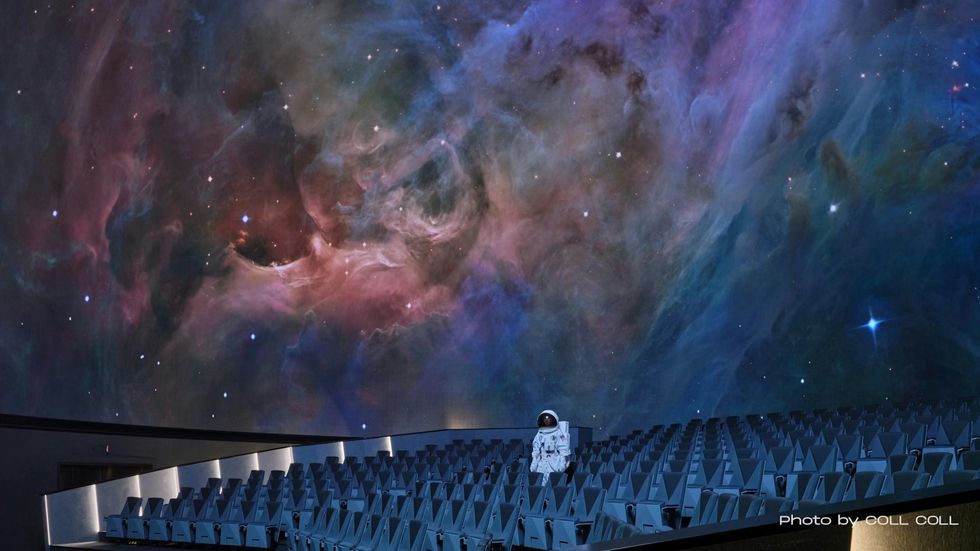 Prague Planetarium's new CX System-powered LED Dome was described as a 'Dream machine' by creative diector Martin Fuchs Image credit COLL COLL
This panel features Martin Fuchs from Prague Planetarium, Markus Schack of Mediendom Kiel, and Tim Florian Horn from Stiftung Planetarium Berlin, discussing how versatile, high-resolution domes are changing theatres from single-purpose venues into multi-functional platforms.
Cosm highlights its CX System LED dome, a comprehensive platform that combines LED displays, software, and immersive content, turning domes into versatile, programmable spaces. A recent example is Prague Planetarium, which reopened with a large CX System dome to enhance scientific, cultural, and community experiences.
Attendees can also pick sessions such as The human side of co-creation: When scientists and science communicators meet; Exploring the potential for scientific illustrations in natural history museums; Welcome to the talking circle of inclusion; From lab to engagement: Bringing new scientific research into science education; and The impact of science centres: Measuring what matters
On Wednesday evening, the trade show Happy Hour closes proceedings at the conference centre, before the Nocturne at Universeum.
Thursday 4 June
Following Thursday morning's welcome coffee, sessions include Sink or rethink: Workshop for constructive criticism in exhibition design, which borrows from the Shark Tank TV format but with an exhibition-focused twist.
This interactive session is led by Audrey Chang from Science Gallery International, Jussi Kahlos of Heureka, Brad MacDonald of Parsons School of Design, Robert van der Linde from Kossmanndejong and Cynthia Doumbia from National Geographic.
The power of wonder: Curiosity-driven exploration in interactive exhibits and educational programmes explores how inquiry can be thoughtfully supported across different settings.
The speakers are Carla Molins-Pitarch from the Universitat Politècnica de Catalunya-Barcelona Tech, Anastasia Tezari of CERN Science Gateway, Carine Neier from Technorama, and Joanna Skrzypowska from Copernicus Science Centre.
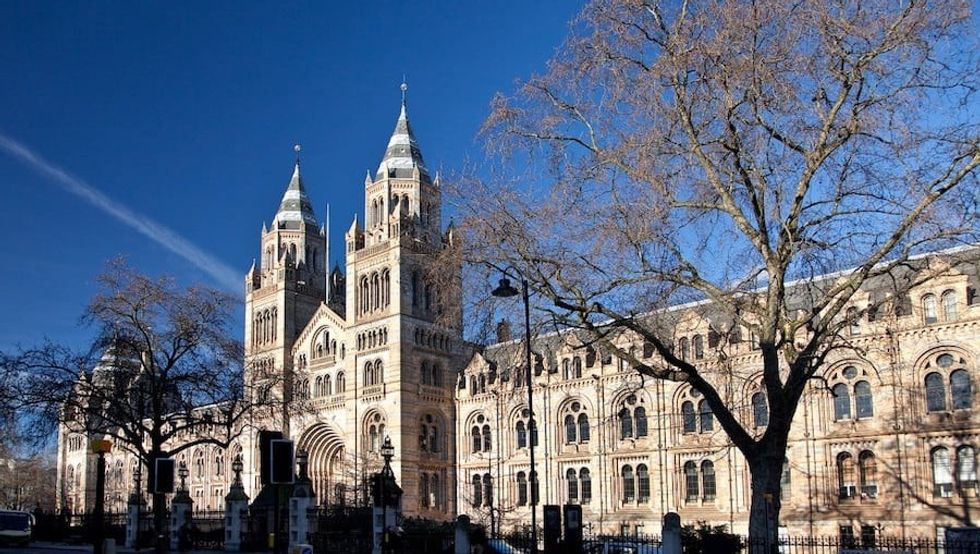 The Natural History Museum in the UK is one of many museums and science centres aiming to engage audiences in taking positive action for the planet © Trustees of the Natural History Museum, London
In Cultivating agency on a changing planet: Science centres and museums fostering skills for action, the focus will be on how museums and science centres can help audiences develop skills to foster agency in a transforming world.
The speakers are Camilla Tham of the Natural History Museum, Kim Ludwig from Klimahaus Bremerhaven, Hanne Rasmussen from Okolariet, Irena Šujdović from the International Cooperation Center for the Promotion of Science, and Marina Leonard of Quai des Savoirs
Other sessions include Too much fun? Finding the right dose of play in science learning; Talking about gender equality: The power and responsibility of museums and science organisations; and How do visitors experience and reflect on art-science exhibits?
How community science is coming full circle
Then, Menno Schilthuizen, a professor at Leiden University, will deliver the second keynote of the Ecsite 2026 conference, titled The Urban Naturalist: how community science is coming full-circle.
The open science revolution is breaking down the barriers that 20th-century academia placed on amateur scientists. With open-access publications, databases, affordable tinkering tools, smartphone apps and attachments, MOOCs, and community labs, independent thinkers and explorers can now rejoin the forefront of discovery.
Schilthuizen will discuss in this lecture how these explorers are turning to a new, dynamic environment: the urban ecosystem. Community scientists, both individuals and groups, are increasingly using cities as their next research frontier.
This trend presents fresh opportunities for institutional researchers and educators to collaborate with community scientists.
The second set of morning sessions includes Redefining educational goals in the age of climate crisis, exploring how science education helps people connect with nature and the future, with Vesa Lepistö from Heureka, Thomas Ziegler Larsen of Naturcenter Amager Strand, Nils Petter Hauan from Bergen Science Centre, Marianne Guriby of The Natural History Museum, and Anne-Laure Mayer from Universcience.
Inclusive climate action: Engaging marginalised communities will examine how museums can create relevance for marginalised communities by centring individual lives, futures, and agency to inspire action.
Speakers include Catherine Oualian of Universcience, Sarah Klemisch from Futurium, Sara Calcagnini from National Museum Science and Technology Leonardo da Vinci, Tom Bevan of Natural History Museum and Balduin Landl from Science Center Network.
Sales is an inside job: Connecting mission delivery to revenue flips the script on “sales”, demonstrating how every smile, story, and programme can convert guests into loyal fans and strengthen partnerships, proving that the most effective salespeople don't actually engage in traditional selling.
The panel for this participatory session will be Troy Rainville of Imagine, Josh Sarver from COSI, Hilde De Laet of Hidrodoe, Dr Franziska K. Lang from experimenta, and Agnes Ruiz of the American Museum of Natural History.
The programme also includes Experimenting with AI: Digital transformation and organisational resilience in science centres; Co-creating your projects and exhibitions: Decolonial perspectives; Key Performance Indicators in action; and Designing for all: Creating inclusive experiences.
Meaningful STEM and AI encounters
After lunch, the programme features sessions like Between fact and fiction in immersive storytelling invites participants to explore how science museums and immersive creators can balance scientific accuracy with creative freedom.
Speakers are Chris Whitby of the National Science and Media Museum, Bradford, Alessandra Bogi of Lucid Realities, Anne Prugnon of Universcience, James Monroe of the Museum of Science, Boston, and Dee Laval of V!VANT Productions.
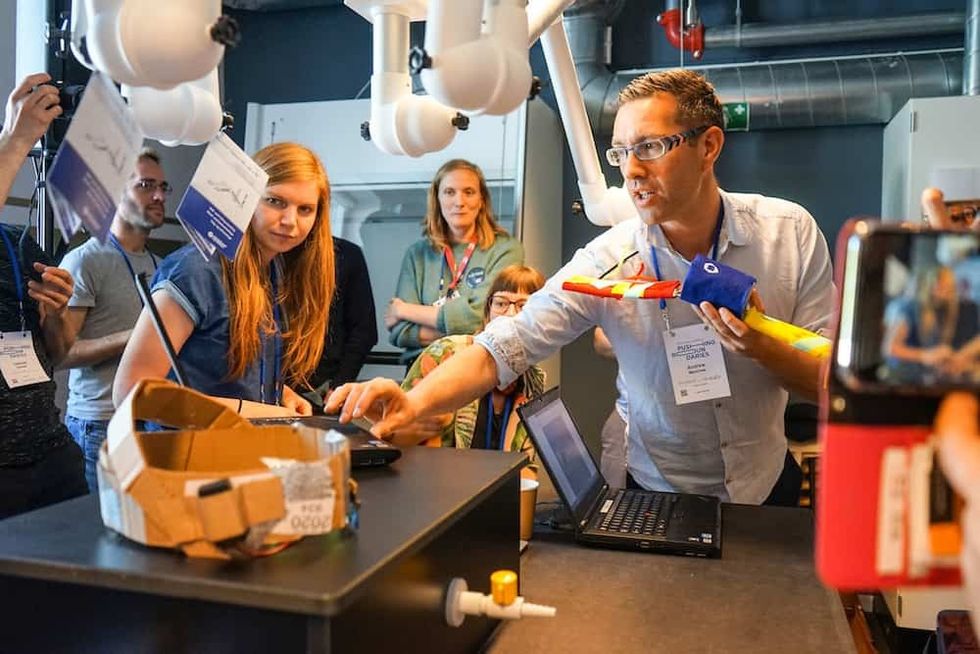 Participants getting hands on at a previous Ecsite conference Image credit Ecsite
Wearing different hats: Diverse perspectives on prototyping proposes a multifaceted approach to prototyping. The panel is Dafni Konstantinidi-Sofrona of the Natural History Museum, Carla Molins-Pitarch from Universitat Politècnica de Catalunya-Barcelona Tech, Aleksa Djorović of CERN, and Marco Miranda of Technorama Science Center.
From sponsoring to partnering: Involving companies in science engagement is a roundtable on how companies can become more involved in science engagement, with Stephanos Cherouvis of Ecsite, Petra Palm of Universeum, Marjut Sirola from Heureka, Katie Williams of Xplore! Science Discovery Centre, and Lolita Couchene of Nausicaa.
Also on the agenda are Why we really do artscience?; Critical making – hands-on STEM promoting critical thinking; Universeum Science Club Family: building scientific capital together; and Meaningful STEM for pre-schoolers: Building a tower of best practice.
The final sessions of the day include Designing effective audience engagement experiences, an interactive workshop using the CLEVERFOOD for Everyone exhibition as a central case study. The panel is Sheena Laursen of Experimentarium, Mafalda Frade of Ciência Viva, Federica Pastore from Ecsite, and Essi Hyyppä from Heureka.
From neutrality to activism: Rethinking the role of science museums and science communication discusses whether promoting activism is the right direction for the changing role of science centres and museums.
The speakers are Ana Maria Navas Iannini of Simon Fraser University, Erminia Pedretti from the University of Toronto, Erik Stengler of the Cooperstown Graduate Program, Javier Hidalgo Gil of Fundación La Caixa, and Steve Ayan, author.
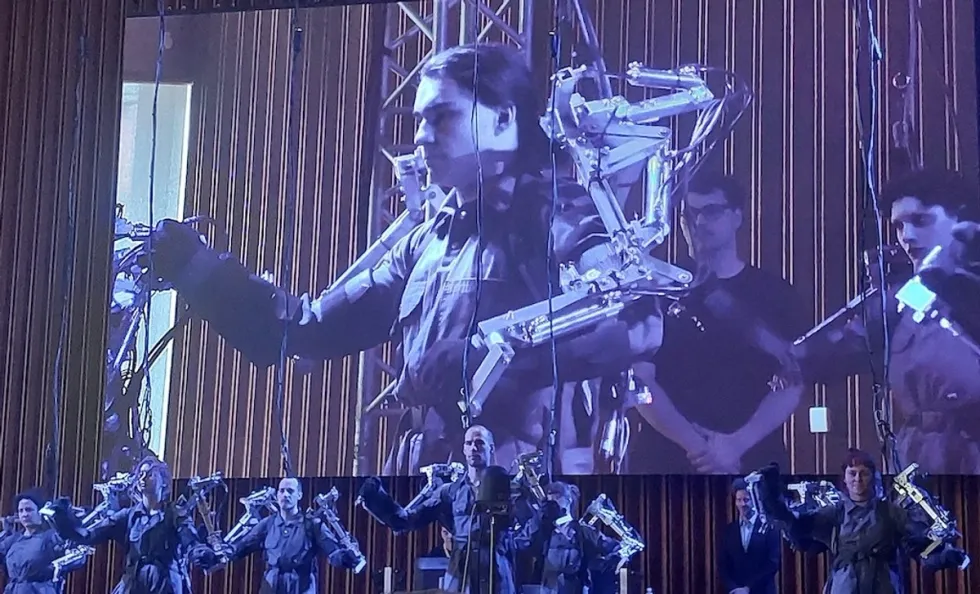 Ecsite 2024 featured a robotic dance from the Inferno Project by Louis-Philippe Demers and Bill Vorn, with performers controlled by exoskeletons
In When robots talk back: Human–AI encounters in science centres, panellists will look at the real-world challenges of AI and robotic exhibits, with insights from Paweł Wójcik and Anna Macioch of Copernicus Science Centre, Vesa Lepistö from Heureka, Daniel Engelsons of Dyno Robotics, and Ansgar Meemken and Ralph Burmester of Deutsches Museum.
Other concurrent sessions are Séance for science communication and Civil wars in science communication: Everyday heresies and holy truths
The closing ceremony wraps up the conference at the congress hall, before the action moves to the Grand Curiosa Hotel for the Farewell Party.
Meet the suppliers at Ecsite 2026
American Museum of Natural History
The American Museum of Natural History (AMNH) works to share its engaging scientific content with audiences around the world through travelling exhibitions, immersive planetarium shows, and content drawn from the vast scientific expertise and collections.
Its travelling exhibitions, panels, photography displays, and planetarium shows have been presented at over 430 venues in more than 54 countries.
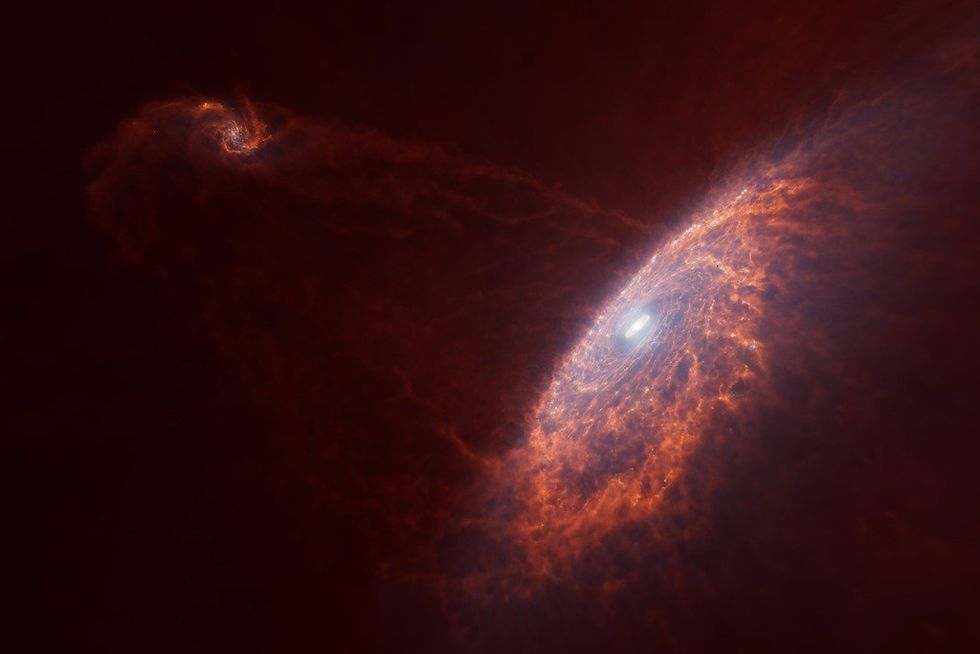 AMNH is is taking audiences on a time-travelling journey through our galaxy with its latest planetarium show, Encounters in the Milky Way Image credit Jon Parker / AMNH
AMNH's dedicated travelling exhibitions team, which will be exhibiting at Ecsite 2026, works closely with venues throughout the rental process, from selecting an exhibition, planning logistics, managing on-site installation, and providing marketing and educational tools.
EDG/culturenut
Exhibits Development Group (EDG), a global leader in travelling exhibitions, and sister platform, culturenut, a sustainable solution to help cultural institutions and the attractions industry upcycle idle assets, will be present at Ecsite 2026.
Launched in 2019, culturenut now has over 500 cultural institution members from more than 30 countries. It is a sustainability platform for museums and exhibition producers to recycle and upcycle assets that would otherwise be dumped in the landfill or sit in storage.
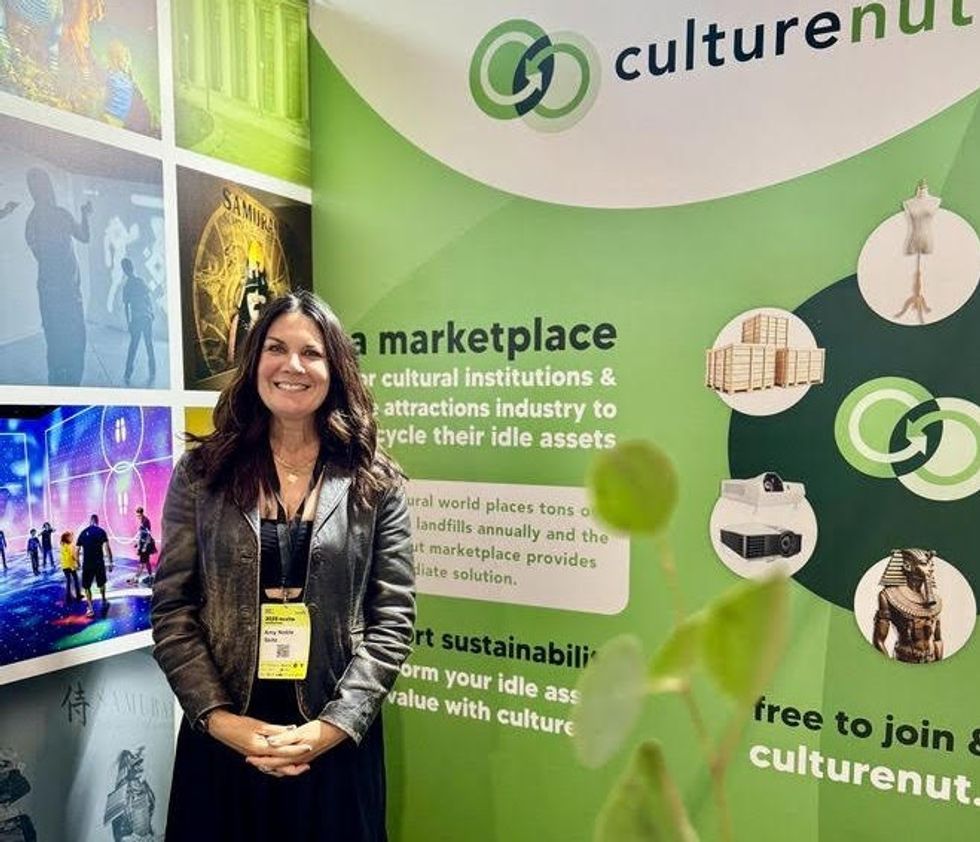 culturenut is the first sustainability platform designed specifically for museums and the attractions industry to rethink how they manage idle assets
By providing a one-stop shop for renting, buying, and selling retired exhibition materials, including display cases, interactive components, lighting equipment, and mannequins, culturenut supports a true circular economy.
See also: culturenut champions circular economy for museums as Exhibits Development Group celebrates 20 years
Guide-ID
Guide-ID, the audio tour specialist, provides intuitive audio guide solutions for museums, heritage sites, and cultural institutions worldwide. Its flagship device, the Podcatcher Pro, provides a seamless, screen-free experience for both individual visitors and group tours.
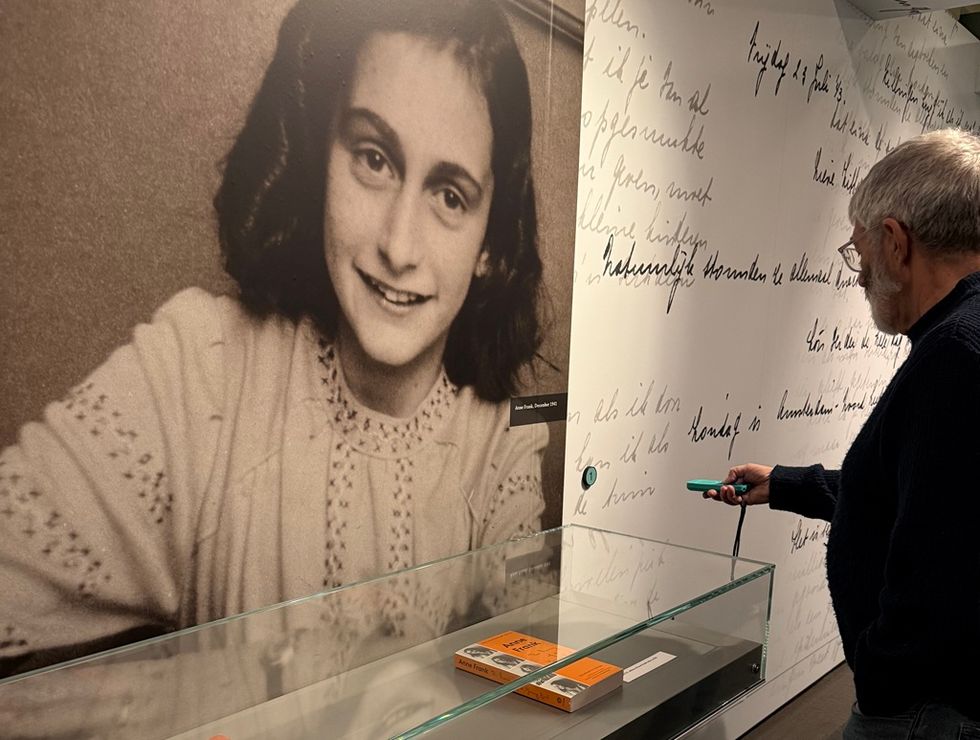 Guide-ID supports seamless storytelling in Anne Frank: The Exhibition at the Center for Jewish History Image courtesy of Guide-ID
Recent projects include supplying its Podcatcher Pro device to Anne Frank: The Exhibition in New York, presented by the Anne Frank House and hosted by the Center for Jewish History, to discreetly enhance understanding and reflection.
It also brought its Podcatcher Pro audio guide solution to Museum Odense in Denmark, where it is helping visitors to engage meaningfully with the exhibitions.
See also: Accessible storytelling with Podcatcher Pro
Imagine
Attendees can also meet Troy Rainville, senior director of business development at Imagine, a creator of engaging visitor experiences that entertain, educate, and inspire. He will speak in What's New in Travelling Exhibitions? on 2 June at 5:30 pm, and Sales is an Inside Job on 4 June at midday.
Meetings with Rainville can be booked via email.
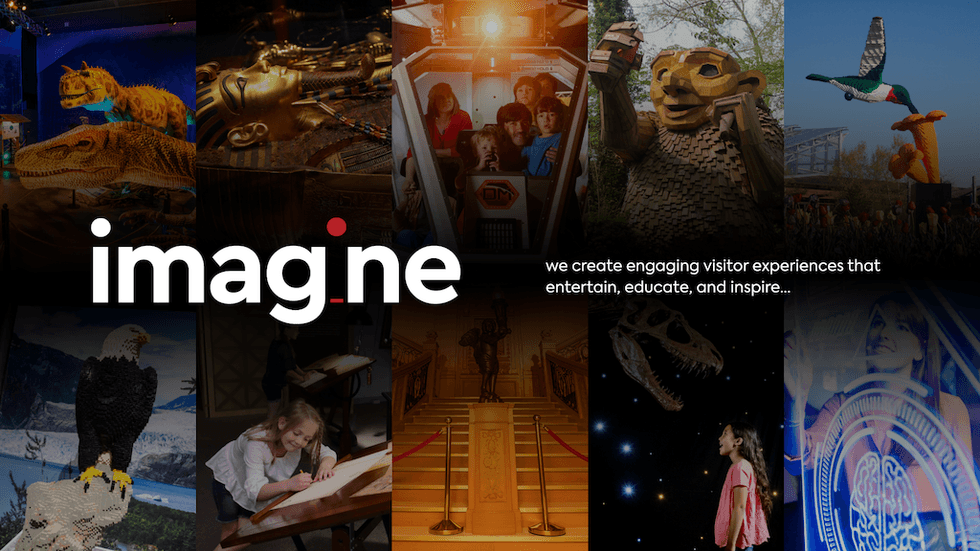 Imagine aims to educate and entertain audiences through the power of storytelling, interactivity and experiential designImage courtesy of Imagine
New exhibitions in development from the company include Frank Lloyd Wright, De-Extinction, Oceans, Patrick Dougherty, and a partnership with Walt Disney Archives.
See also: Emerging trends in experiential design
Immotion
Immotion, a global leader in immersive edutainment, will also have a presence at Ecsite 2026. The company is an expert in out-of-home virtual reality (VR), focusing on the aquatics and wildlife sectors.
The power of VR allows visitors to see breathtaking experiences that are difficult to see in real life- whether under the sea or in remote mountains, it can take you to all corners of the world.
Immotion is inviting audiences to journey into one of the planet's harshest and most spectacular environments in its new immersive film experience, Polar Odyssey.
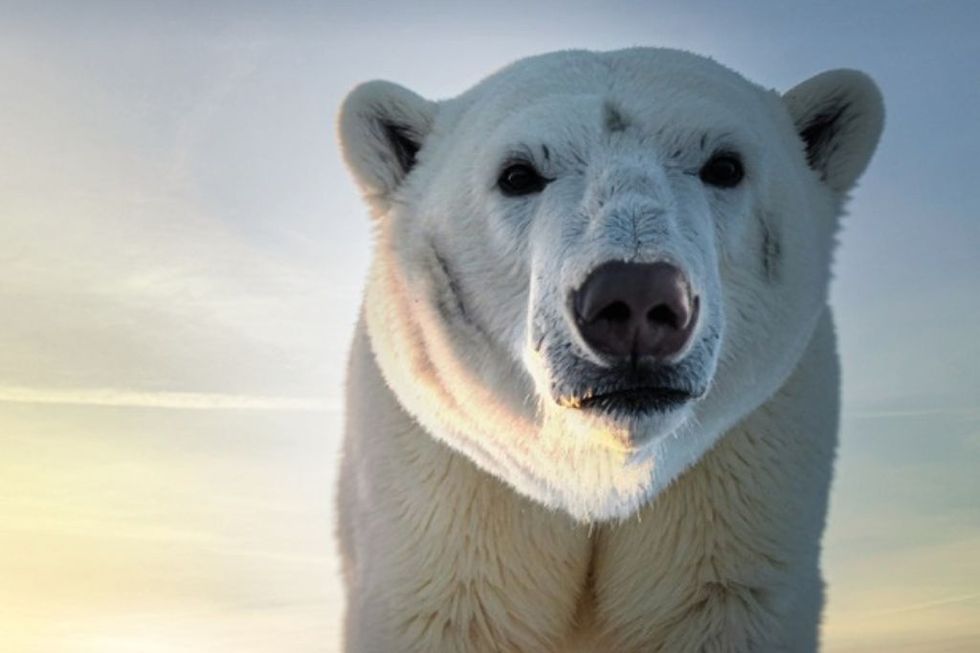 Immotion presents new immersive film experience, Polar Odyssey, following polar bears along Canada's Seal River Image courtesy of Immotion
This title follows the lives of polar bears along Canada’s Seal River, which flows to Hudson Bay, and their months-long wait for the winter ice to return. With the tagline 'Brave the Ice', the film shows how their survival hinges on patience, instinct, and resilience in a quickly changing Arctic.
Another recent release, Dolphins of the Reef, won the 2026 Lumiere Award for Best Use of Virtual Reality, presented by the Advanced Imaging Society.
National Geographic
National Geographic, a global non-profit and leading creator of live events, experiences, and travelling exhibitions, will present highlights from its exhibition catalogue, including Oceans and A Greater Wisdom. The team will also be teasing a new photo show.
See also: National Geographic & David Doubilet: the immersive power of Oceans
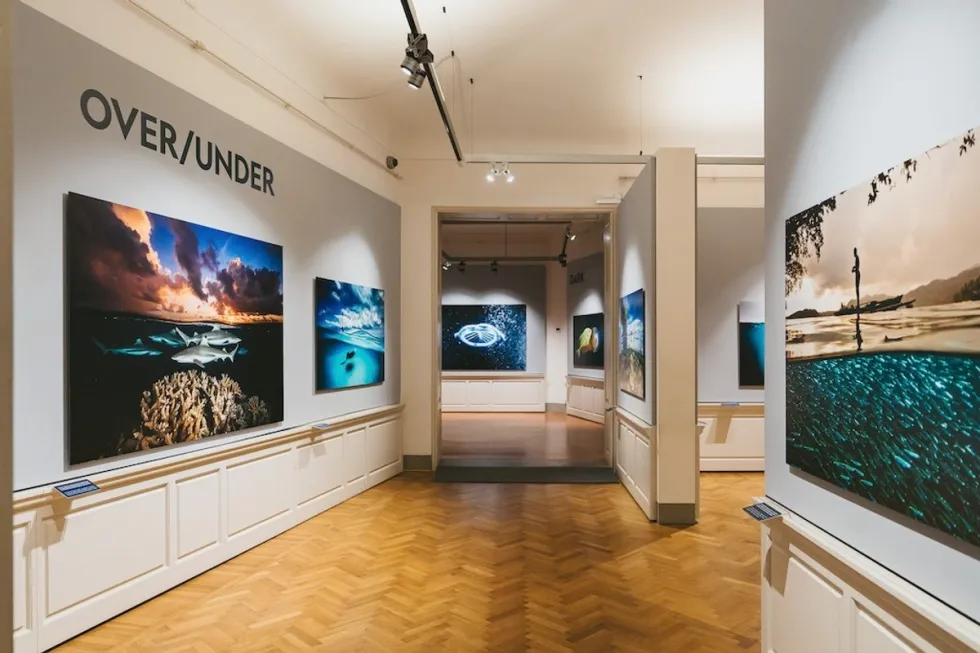 Oceans at its debut venue, the Villa Bardini in Florence, Italy, blending storytelling, conservation science and immersive experience designImage credit Stefano Casati
As well as exhibiting, the team will take part in educational sessions, with Cynthia Doumbia speaking in Sink or rethink: Workshop for constructive criticism in exhibition design at 9 am on 4 June and Alexa Fedynsky contributing to What's New in Travelling Exhibitions at 4 pm on 2 June 2.
Visitors to the booth can meet Cynthia Doumbia, senior director of business development; Cole Fiala, business development manager; and Alexa Fedynsky, business development manager. Meetings can be booked by email.
Research Casting International
Research Casting International (RCI), an expert in the preservation, restoration, and fabrication of museum specimens, will discuss its recent work in the Middle East for the new Natural History Museum of Abu Dhabi.
Attendees can also learn more about the firm's custom fabrication and theming work, including themed environments and fleshed-out dinosaurs/animals.
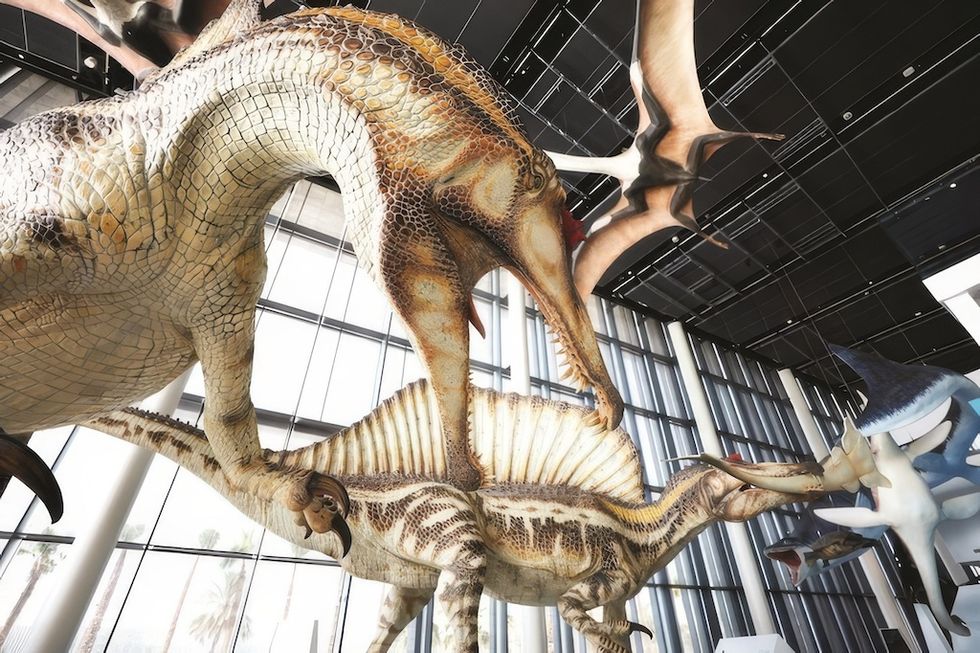 The company's team of artisans and technicians work closely with palaeontologists to create specimens that are both scientifically accurate and visually striking for any institutionImage courtesy of Research Casting International
Last year, RCI worked with The Royal Ontario Museum (ROM) in Canada on its newly renovated exhibition, The James and Louise Temerty Galleries of the Age of Dinosaurs, which opened to the public on 5 December. It also celebrated the opening of The Clapp Family Mastodon exhibit at the Grand Rapids Public Museum (GRPM) in Michigan, US.
At the booth will be Peter May, founder/partner; Matt Fair, general manager/partner, and Patrick Fair, sales manager.
Universcience
The team from Universcience, an organisation that works to make science accessible to all, will be taking part in several educational sessions, as outlined above.
In addition, the company will showcase some of its latest exhibitions. This includes the new featured touring exhibit Danser (Dance in English).
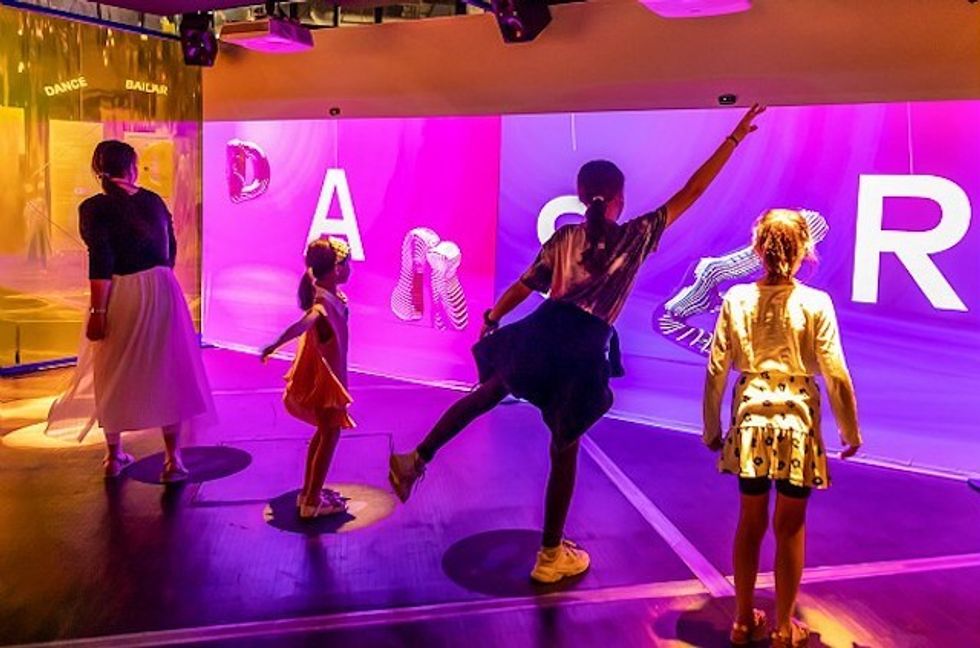 Universcience celebrates the joy of movement with its new exhibition, Dance Image courtesy of Universcience
Created as a collaboration between Universcience and the Centre national de la danse, the Dance exhibit takes visitors into the world of dance, exploring the natural human compulsion to move through joyful, feel-good activities that people of all ages will enjoy.
Universcience also recently announced the upcoming international tour of its acclaimed exhibition, Cats & Dogs, which will be open for bookings starting in autumn 2026.
VISIT
With over 20 years of experience, VISIT specialises in creating digital solutions tailored to the attractions and tourism industries. Headquartered in Gothenburg, Sweden, VISIT offers services worldwide, enhancing experiences for both visitors and operators.
Attendees can learn about the firm's recent projects, including how VISIT brought its iTicket platform to Skansen, Sweden’s most visited museum and the world’s oldest open-air museum and zoo.
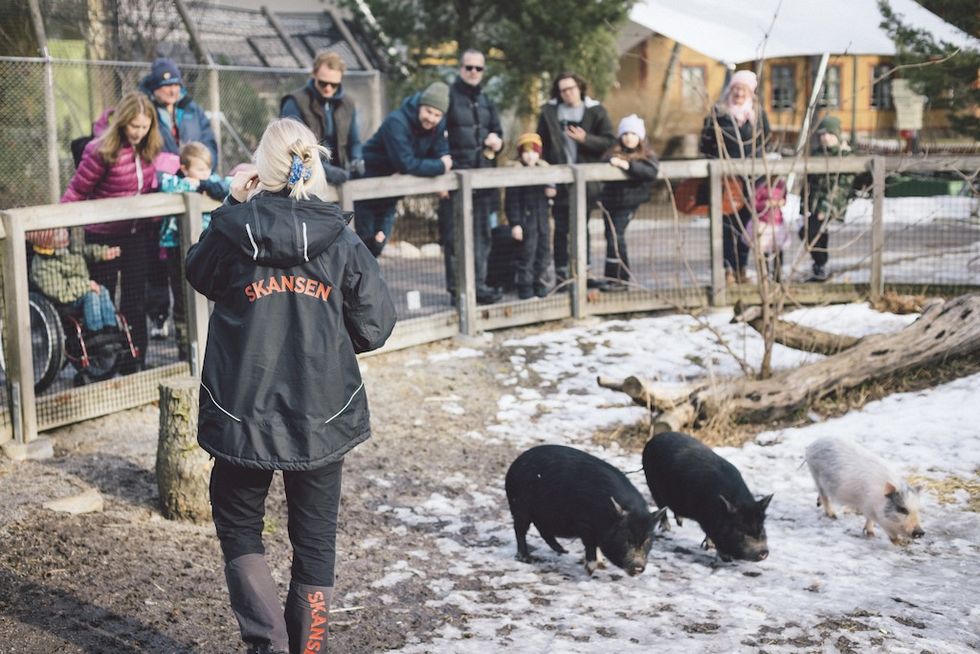 VISIT modernises guest experience at Skansen museum and zoo in Sweden with iTicket platform Image courtesy of VISIT
This project shows how, by utilising iTicket, operations can be enhanced, customer relationships strengthened, and a more connected guest experience created.
VISIT has also announced new features for the VISIT platform that strengthen the connection between hotels and attractions.