
As immersive projects move toward financing, the nature of the conversation changes. What begins as a creative and strategic discussion becomes, very quickly, a question of whether the project can be understood and underwritten by capital.
At this stage, the strength of the idea is no longer sufficient. Investors are evaluating the framework that sits behind it - how the project is owned, how it is governed, how value flows through it, and how risk is allocated.
This is where many projects encounter resistance. Not because they are not compelling, but because they are not clear.
Investors are being asked to evaluate not just the upside of the experience, but the mechanics of the deal. If those mechanics are not well defined, the project becomes difficult to assess.
And what is difficult to assess is difficult to finance.
See also: From concept to experience: where ideas break (and how they don't)
Making an immersive project financeable
Consider a project that has generated strong early interest from investors. The concept is solid, the IP is recognizable, and there is a clear path to audience engagement.
But as discussions progress, questions begin to surface around economics. The developer has modeled revenue based on ticketing and future expansion. The IP holder expects participation across a broader set of revenue streams, including ancillary products and extensions.
Capital is focused on return priority and downside protection.
Each of these perspectives is reasonable. But if they are not reconciled into a single, coherent structure, they create ambiguity. In one key discussion, an investor asks a simple question: if the project performs as expected, how are returns distributed?
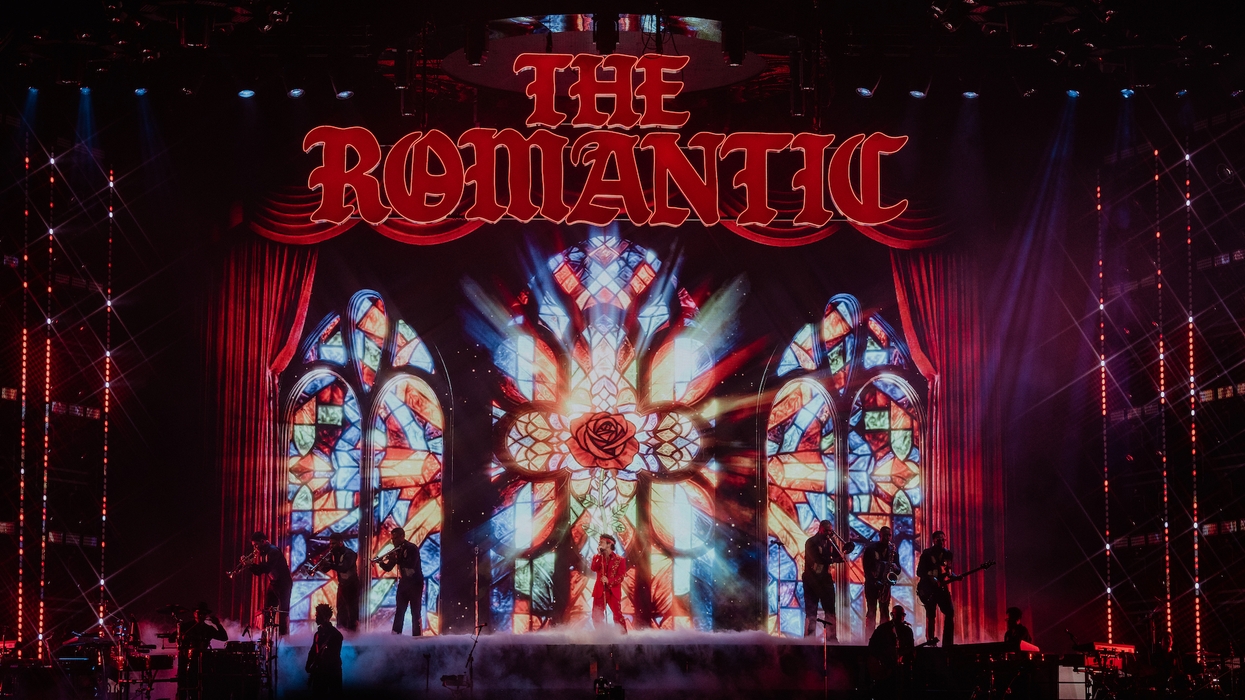
 Creative and commercial teams collaborate to develop the structure behind an immersive project
The answers vary depending on who is speaking. That variance introduces uncertainty, and at this stage, uncertainty is often enough to stop momentum.
When the economic structure is clarified - when revenue waterfalls are defined, participation is aligned, and priority of returns is established - the project becomes legible.
Investors can model outcomes. Risk can be evaluated. Decisions can be made. The underlying experience has not changed, but the project is now financeable because the structure supports it.
Capital does not move toward what is most exciting. It moves toward what is most understandable. In immersive, clarity is not a byproduct of structure. It is the reason structure matters.
In our next article, we move into production, where structure stops being theoretical and starts being tested in real time, and where any gaps in the framework become immediately visible.