TEA and AECOM Publish Global Theme Park and Museum Attendance Numbers for 2012
The 2012 TEA/AECOM Theme Index & Museum Index has been released.
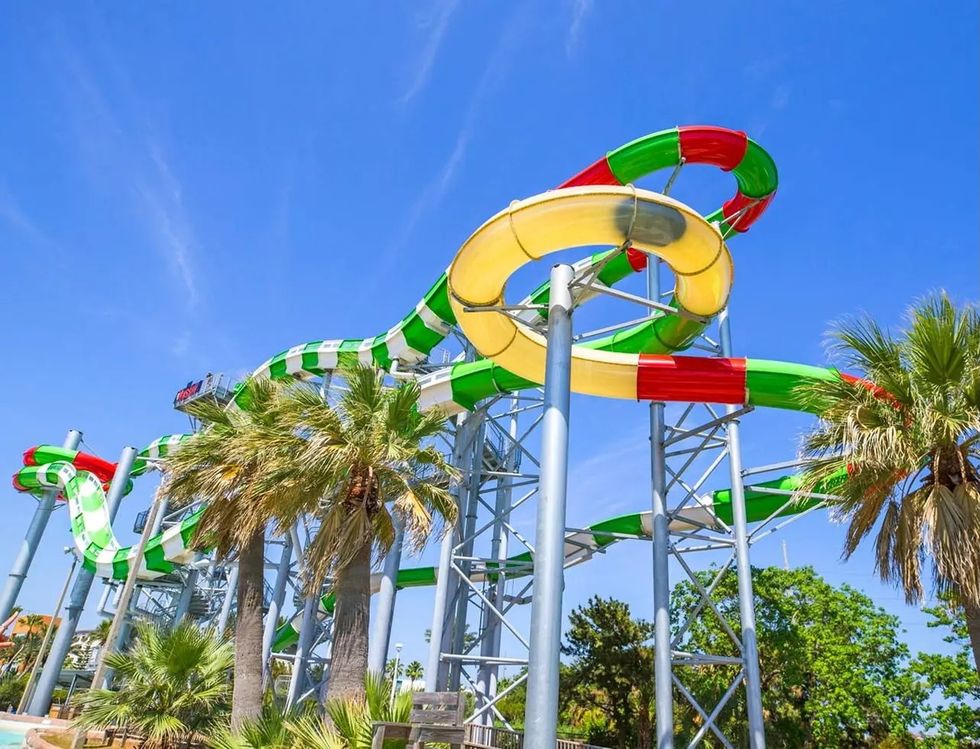
John Robinett, Senior Vice President, Economics, at AECOM, says, “The major operators in Europe, Asia and North America all had a successful year – but Asia is the really dramatic news. We forecast in last year’s Theme Index that the industry in Asia would begin to outpace the industry in North America, and the 2012 report contains the first clear sign of it: Our figures show that water park attendance totals in Asia have, for the first time, surpassed those of North America.”
Attendance figures for 2012 show:
top 25 amusement/theme parks worldwide - 5.2% growth to 205, 906, 000 visits
top 20 water parks worldwide - by 5.4% growth to 25, 005, 000 visits
The 2012 publication includes for the first time, a Museum Index section. The top 20 museums worldwide received 98, 486, 000 visits in 2012.
Combined, the above parks welcomed around 4.5 million visitors for the full year ended 31 December 2025, generating approximately $260m in net revenue.
The sale will enable Six Flags "to concentrate our capital, leadership and operational focus on the properties that we believe generate the strongest returns and offer the greatest long-term upside", said John Reilly, Six Flags' president and CEO.
"Since joining the company, I have been clear that Six Flags’ earnings power has been under-realized," he added.
"This transaction will simplify our portfolio, strengthen our balance sheet and position us to execute with greater clarity and discipline.
"By focusing our resources on the parks that we believe have the highest growth potential, we expect to drive operating leverage, expand margins and accelerate our cash flow generation."
Six Flags to streamline portfolio
EPR will partner with Enchanted Parks to operate the six US properties, and with La Ronde Operations, Inc. to manage Six Flags La Ronde in Canada.
The company will retain the right to use the Six Flags brand through the end of this year.
The transaction is expected to close by the the end of the first quarter or beginning of the second quarter of this year, subject to certain closing conditions and third-party approvals.
"Decisions like this are never taken lightly," Reilly said.
"We’re confident the parks will be in good hands with EPR and its partners, who have strong experience operating parks of this quality and scale.
"At the same time, this move allows Six Flags to concentrate on the parks that we believe offer the greatest opportunities for growth and long-term success."
Six Flags will now oversee its remaining collection of 34 parks in 23 locations across North America.
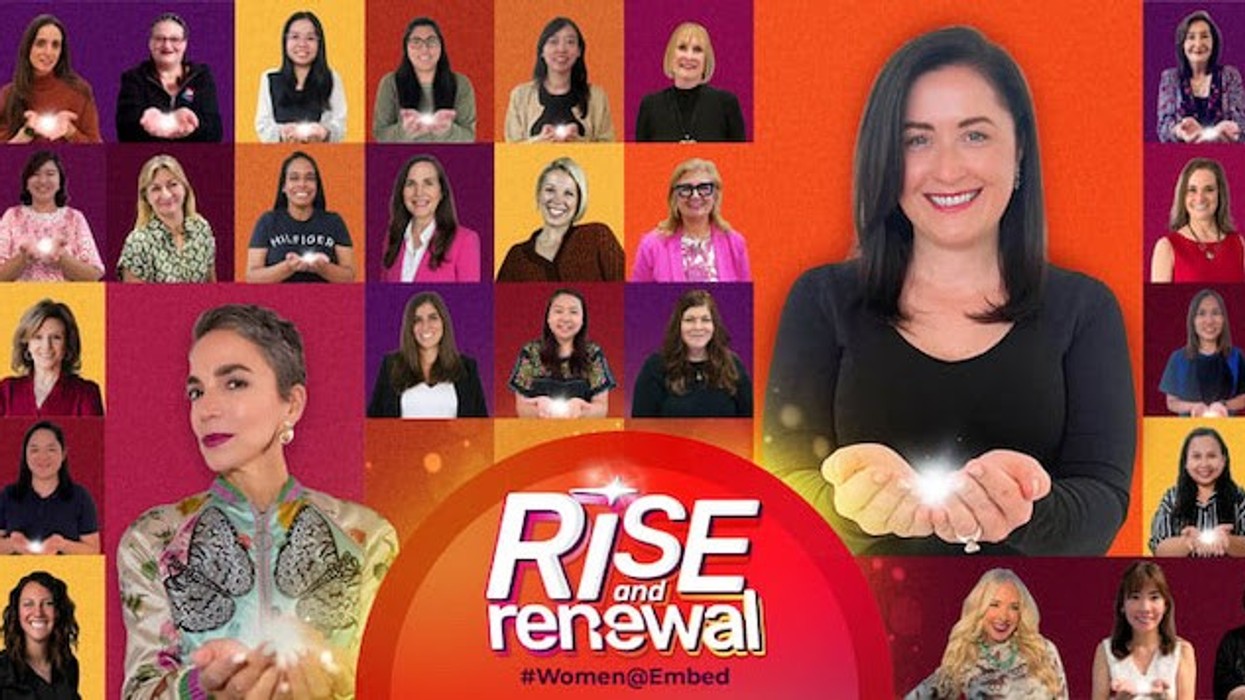
Embed, a leading worldwide supplier of point-of-sale and revenue management systems, is marking International Women’s Day and Women’s History Month with the release of Rise & Renewal: Women’s Stories of Strength.
This is a tribute to the remarkable women who are embracing their power: rising, adapting, and reshaping what’s achievable across technology, business, and beyond.
Rise & Renewal celebrates women's courage, perseverance, and leadership in turning challenges into opportunities, inspiring future generations. From innovators and entrepreneurs to creators and change-makers, these stories highlight resilience and strength.
Empowering women at every level
“At Embed, we believe in the value and power of cultural and gender diversity in our talent pool; we’re proud to be the change that other companies, both large and small, aspire to achieve," says Renee Welsh, CEO of Embed. "We believe that when women rise, industries transform and strengthen.”
“Rise & Renewal is about celebrating the women who have shaped our journey, challenged the status quo, and continue to build the future of the business of fun with courage, creativity, and conviction.”
As a leading global technology company driving the world’s most popular family entertainment centres, Embed is deeply committed to empowering women at every level of the organisation and industry.
Embed’s gender parity now stands at 66% female at the chief executive level (up from 50%), an unprecedented achievement in technology and a testament to Embed’s dedication to gender equality across all organisational levels.
Through the women@embed platform, Embed continues to champion diversity, equity, and opportunity and to celebrate women's journeys.
“Every March during Women’s History Month and on International Women’s Day, we celebrate women in tech and the business of fun. And this year is no different," says Sara Paz, CMO of Embed.
"Every woman’s journey is a story of strength, navigating life’s challenges, rising to the challenge, stepping into their power, and the renewal, transformation, and growth resulting thereof. It’s the hero’s journey.
"The Rise & Renewal series is a reminder that our strength is not just in what we build and accomplish, but in how we lift and bring others with us as we grow, which can happen directly or indirectly through the gift of our example. When it comes to celebrating, we’re equal opportunity; we celebrate everyone! ”
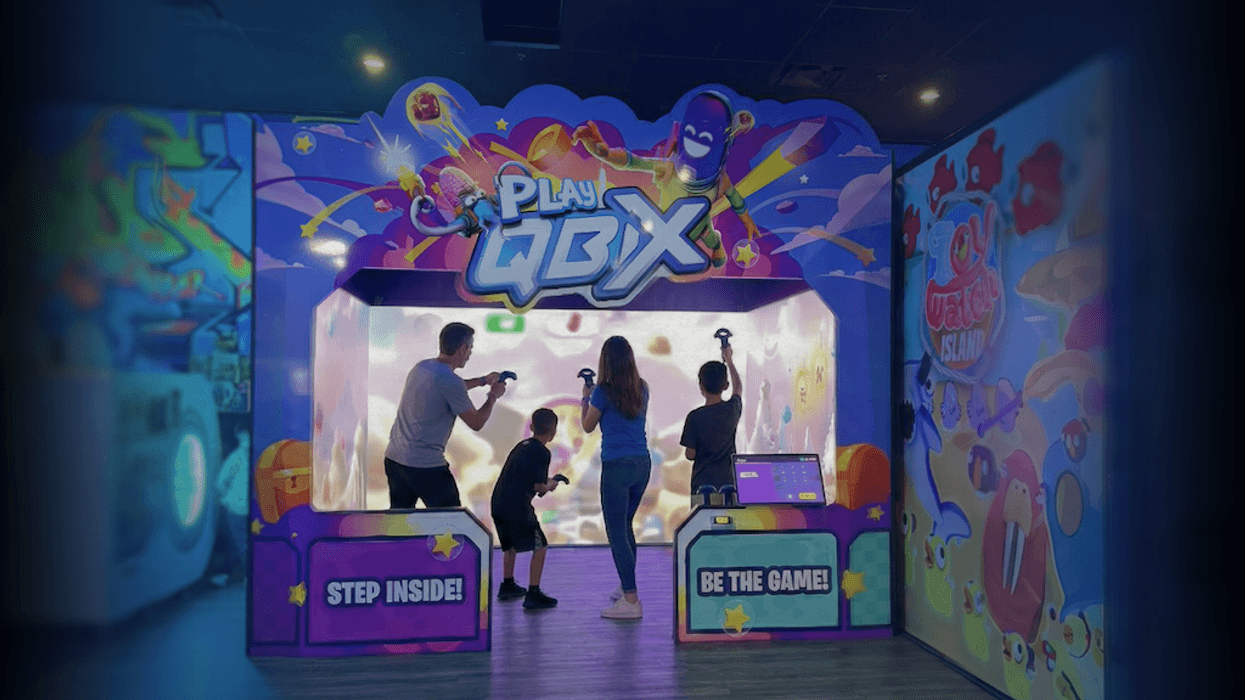
Inowize, a creative company delivering interactive experiences, presents QBIX Play, the latest version of the QBIX immersive gaming room platform, designed to appeal to younger audiences and serve as a compelling visual and experiential centrepiece in modern entertainment venues.
QBIX Play builds on QBIX's proven success to make group play more accessible, spontaneous, and flexible for operators. While QBIX has become a global leader as the high-performance Pro version for immersive group gaming, QBIX Play expands this concept.
Responding to operator demand
QBIX Play is the open-edition version of QBIX, created for younger audiences, family venues, and day-pass entertainment settings.
The attraction preserves the core gameplay of 6 players playing simultaneously, all within a compact 4 x 4 metre (13 × 13 feet) area. It features nine themed multiplayer titles.
The new edition has been developed in response to a clear operator demand: to increase session frequency, to seamlessly integrate into free-play models, and to reduce friction for younger demographics.
“QBIX Play was born from listening carefully to both operators and guests,” says Claudia Mihalache, co-founder of Inowize.
“The market doesn’t need more complexity. It needs immersive attractions that are easier to deploy, easier to access, and easier to monetize.”
QBIX Play eliminates structural obstacles and adopts an open, highly visible design to encourage spontaneous participation while ensuring high throughput per square meter.
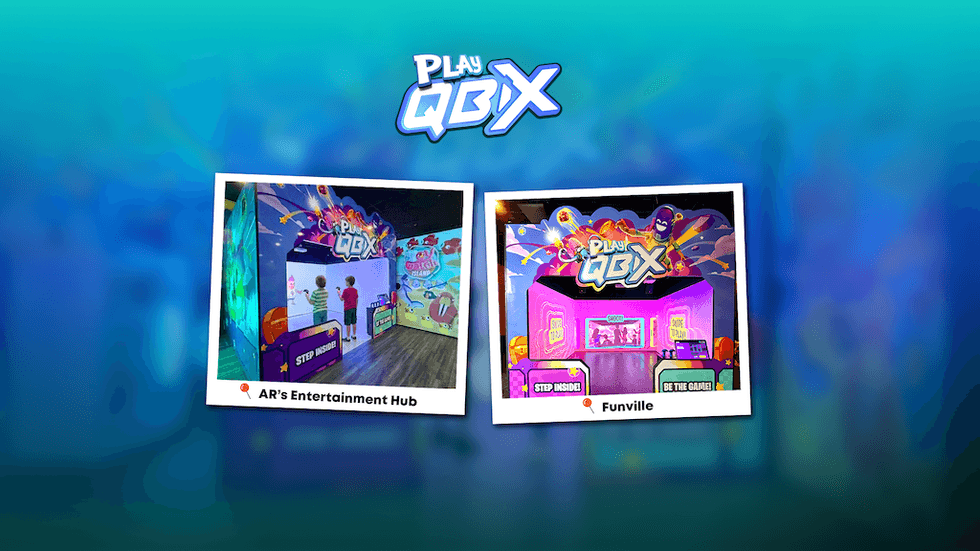
Initially unveiled as a concept at IAAPA Expo in November 2025, it was introduced as a new edition of the immersive gaming room. Due to significant industry interest, the product has now been installed in two U.S. locations: FunVille and AR's Entertainment Hub.
The team also revealed its ninth game title for QBIX, Last Defense, at IAAPA Expo 2025.
Venues can now choose between QBIX, QBIX Play, or scale with QBIX Multi-units, allowing them to build layouts that fit their traffic, space, and business model.
SSA Group has been working on a transformative approach to operations. By weaving its signature 452 Hospitality ethos, rooted in a legacy of welcome and human connection, into Scout, a new AI-driven operating system, the company demonstrates how AI can enhance rather than replace the human side of hospitality.
For nearly 60 years, SSA Group has been a staple in the cultural attractions sector, collaborating with zoos, aquariums, and museums to provide comprehensive guest services. As a family-owned business, the company has continually adapted, but its core mission remains centred on a simple, powerful concept: hospitality.
We speak with CEO Sean McNicholas and vice president of people and culture, Jason Stover, to unpack Scout's mission and learn how it can open the door to both greater efficiency and more memorable moments.
SSA reimagines the industry
Starting by looking at the bigger picture, McNicholas says: “What I love about SSA and our family business is our curiosity for continuing to reimagine the industry.
"Those are pillars of our plan. We approach 60 years as a family business in 2030, and what’s exciting to us is continuing to innovate, not just our business, but the guest experience for our clients and partners.”
Sean McNicholas and Jason Stover
This culture of curiosity is what prompted McNicholas and Stover to investigate the potential of artificial intelligence long before it became the industry buzzword it is today.
"Five or six years ago, Jason came to me as one of the early adopters of AI. We started talking about it, and the more we looked at tools like AI, we asked a very simple question: what one, two, or three areas could AI positively impact our business?"
For SSA, the goal was not to replace staff or remove the human element from the museum or zoo experience through automation. Instead, the emphasis was on liberation.
"The thing that became clear was how tools like AI could help us become more efficient with data, back-end systems, and administrative work," adds McNicholas.
"If we can be more efficient there, we can spend more time meeting guests where they need us, which is on the front line.”
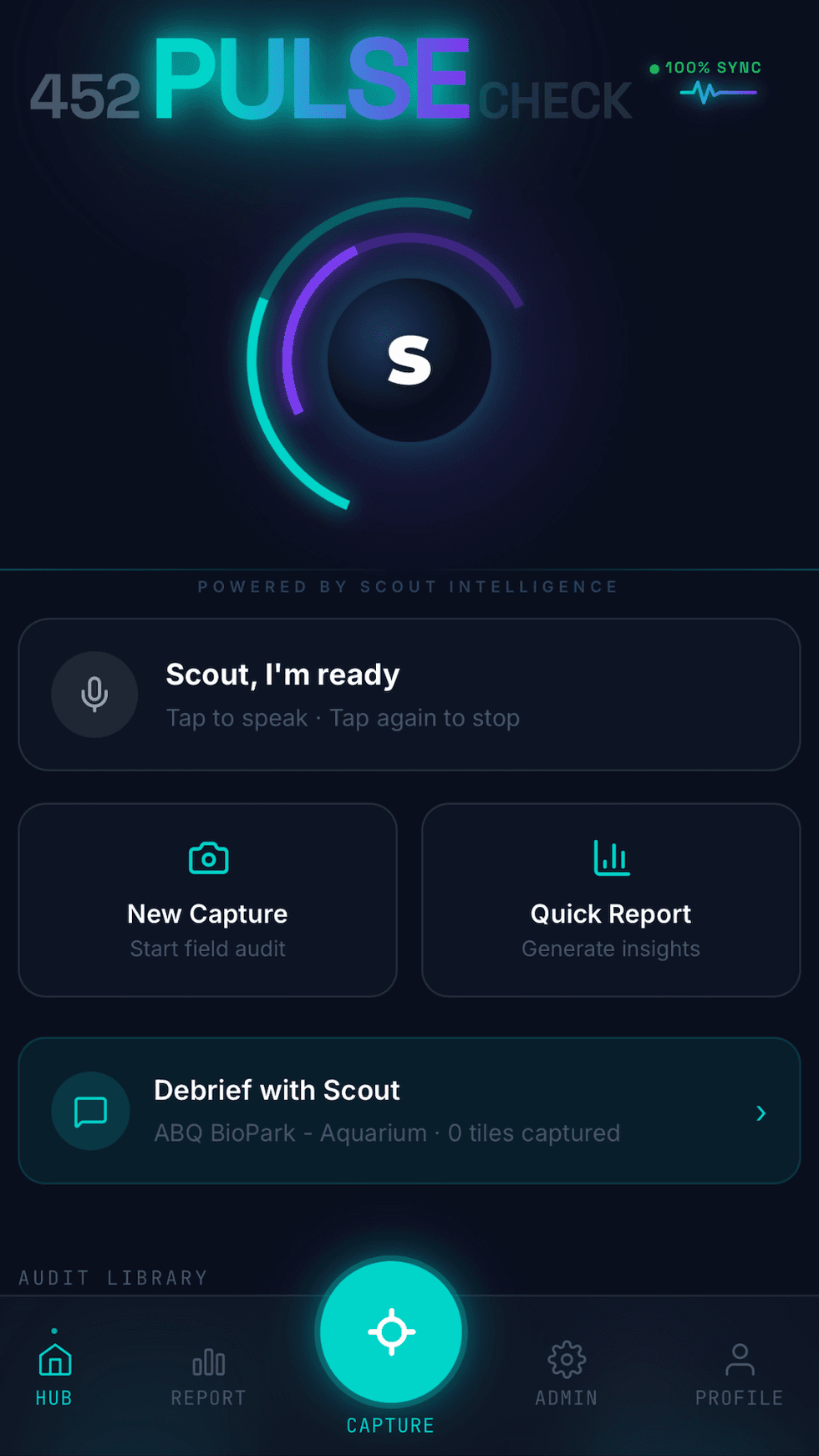
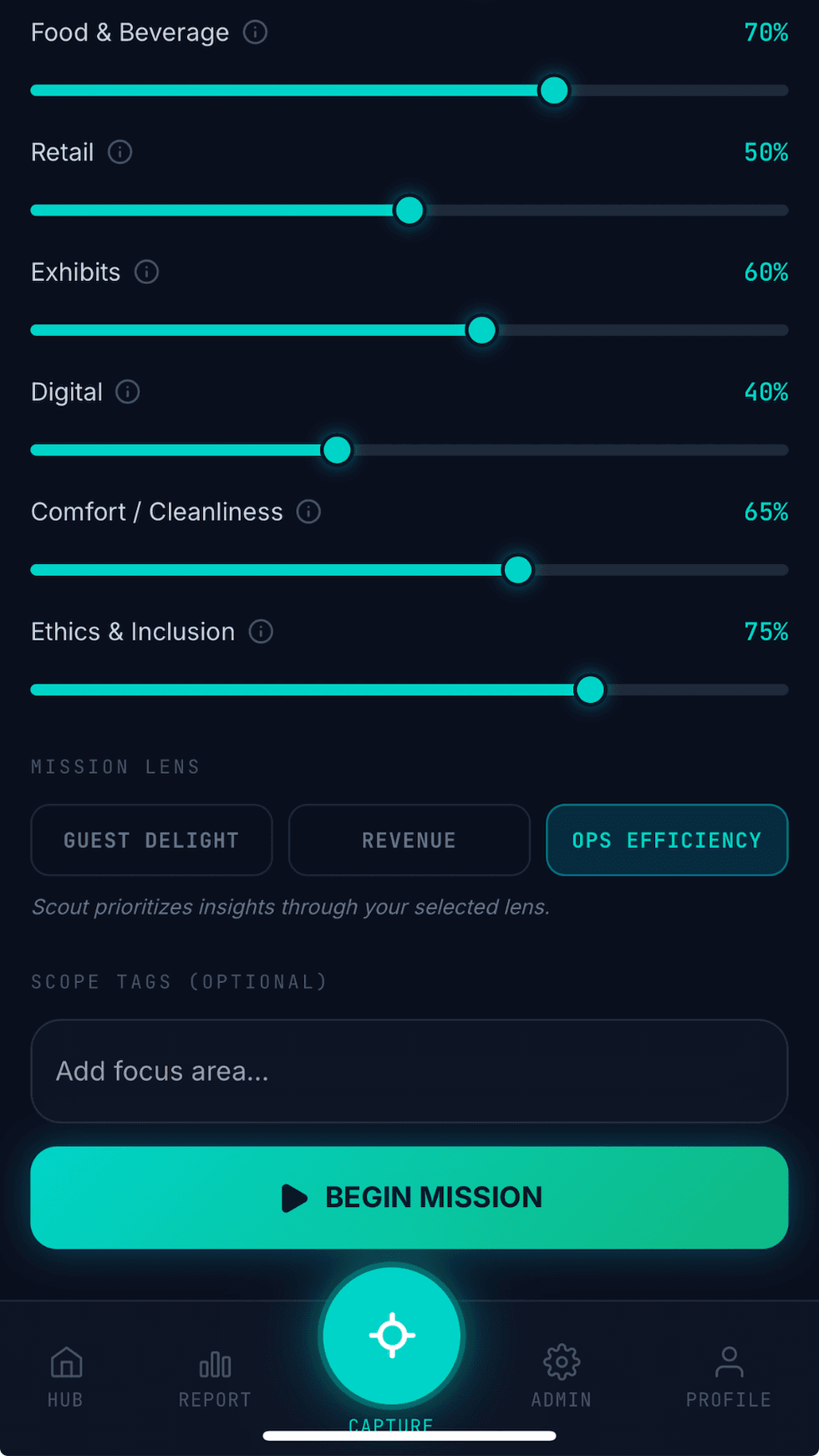
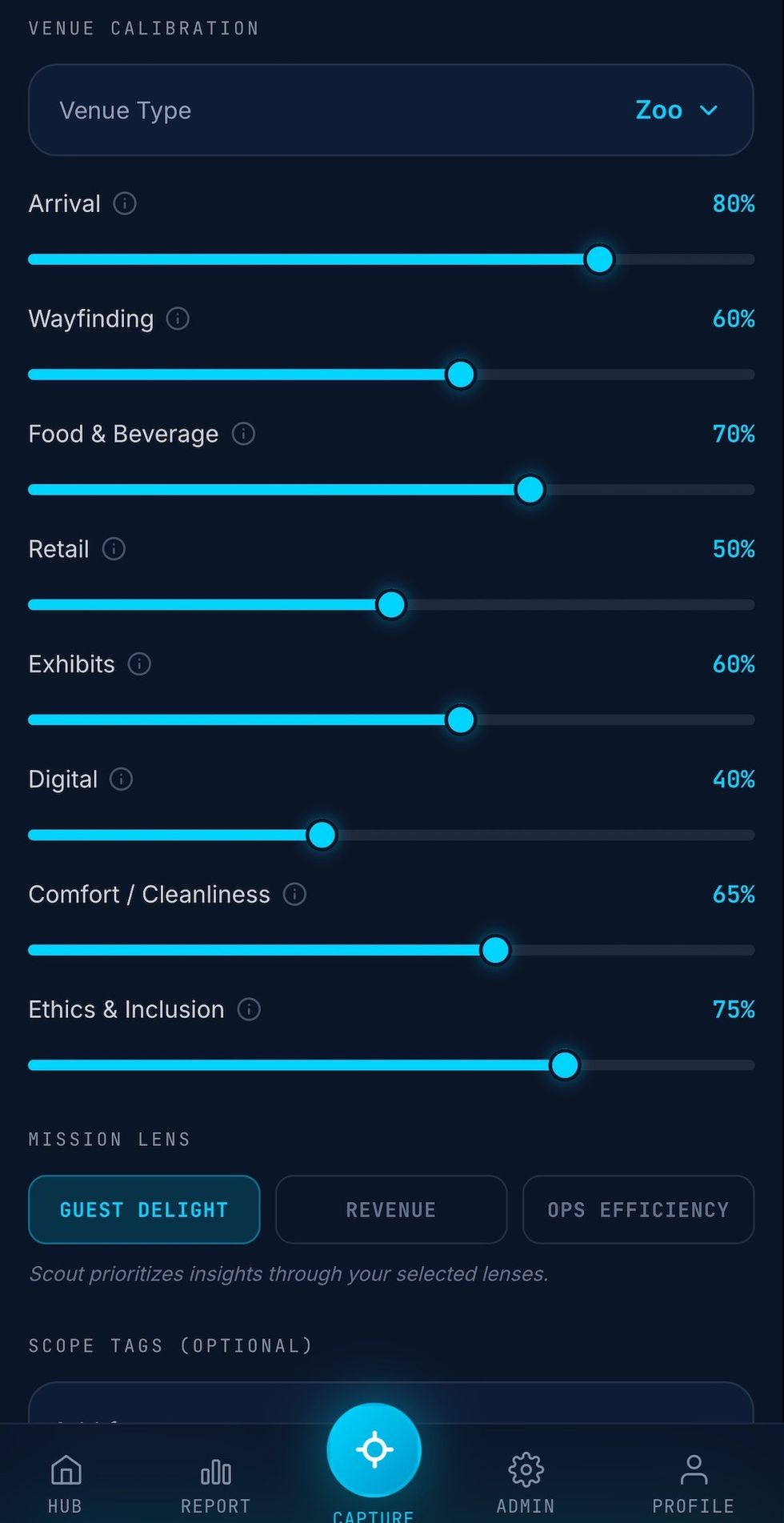
The outcome of this exploration is Scout, an AI-assisted tool and ‘unified intelligence layer’ designed specifically for cultural attractions.
Scout is positioned not as a replacement for human workers, but as a co-pilot. It is an operating system that gathers data from across the industry to provide real-time insights. Unlike general-purpose AI tools, Scout has been built for the sector's operational realities.
"AI is trending now, but it’s not new," says Stover.
"I’ve been with SSA for almost 30 years, and my journey with AI in this company has existed since day one. When I first became a manager, we were already experimenting with predictive analytics, trying to forecast attendance and staffing.
"That was AI at the time."
However, the leap to generative AI offered a new opportunity to support SSA's secret sauce: its people.
Stover employs a cinematic analogy to describe Scout’s role within the workforce:
"I compare it to Tony Stark," he says. "He’s brilliant, but he doesn’t become Iron Man until he has Jarvis. That’s what Scout is. It’s a co-pilot that takes away routine, monotonous work so our people can focus on what matters."
Real-time, useful insights
Designed to support guest-journey walkthroughs, the platform collects real-time observations and converts them into actionable insights tailored to each attraction.
The tool was created in accordance with SSA’s core belief that technology should never replace connection; it should enhance it. The idea is that data and design can collaborate to create memorable guest experiences.
This supports SSA’s wider focus on innovation, which aims to turn curiosity into meaningful change that advances partners' missions. By automating data analysis, Scout helps operators make more informed decisions about designs, platforms, and revenue strategies.
"Guest expectations are evolving faster than ever," says Stover. "Scout was built to meet this moment as a tech-forward AI tool that allows us to keep experiences deeply personal.”
The heart of the system: 452 Hospitality
Although the technology is impressive, the engine driving Scout remains entirely human. At the centre of Scout’s design is 452 Hospitality, the cultural ethos that defines SSA Group’s purpose and character.
Named after 452 Leyden Street, the Denver home where SSA’s founders first lived and practised hospitality, 452 has since become both a numeric and philosophical code for what the company stands for: a spirit of welcome, belonging, and genuine human connection.
At 452 Leyden Street, anyone could come in for a meal, a chat, or a place to rest. And that sense of genuine warmth now lives on in every SSA service encounter.
Today, 452 Hospitality reflects SSA’s ongoing dedication to creating authentic, memorable moments that uplift guests, partners, and colleagues alike.
That same spirit guides Scout’s purpose: rather than replacing people, the AI system aims to enable staff to embody 452 Hospitality more fully, freeing them from administrative burdens so they can provide the personal engagement that makes guests feel welcome and valued.
In practice, this involves a particular method for engaging with guests and monitoring operations. Scout develops a digital framework for this using the SOQ model: Observation, Opinion, and Question.
"Scout is being trained by the entire zoo, aquarium, and cultural attraction industry," Stover says. "Every conversation, every audit, every partner insight gets ingested and shapes how Scout operates.”
Within the Scout ecosystem, there are various ‘agents’ dedicated to different tasks, such as labour optimisation and inventory management. However, the ‘452 agent’ is unique.
"It has vision and voice capabilities. As you walk through operations, it analyses images and observations in real time and evaluates them against our hospitality standards. It acts as a co-pilot for auditors and operators, making observations, offering insights, and matching them with best practices and solutions.
“You might miss something as a human, but Scout won’t.”
Scout in action
The deployment of Scout is already producing tangible outcomes, progressing from theoretical ideas to solving complex on-site issues. This highlights SSA’s focus on turning insights into action by combining data, technology, and human connection.
McNicholas emphasises that the team is "continually evolving Scout by testing it across multiple attractions," noting that "every new site adds more data and sharper insights.”
Stover offers an example of Scout’s operational intelligence in action from a working session with the Detroit Zoo. The team was exploring a complex “what-if” scenario: opening a new entrance near a new exhibit while navigating compliance considerations, budget constraints, and a nearby rail track.
“Using Scout as a sandbox alongside their team, we pressure-tested the constraints, surfaced relevant regulatory considerations, explored alternative approaches like repurposed shipping containers, and generated rough-order cost ranges. It was less about committing to a final plan and more about accelerating discovery.”
“What’s exciting is that every audit surfaces a new real-world question, and we ask: Should this become a new sub-agent? That’s how Scout keeps evolving.”
Another success story comes from the Dallas Zoo, where Scout was instrumental in helping the zoo team explore their own AI journey while SSA conducted an inter-department relationship audit.
Scout is tailored to each user’s psychology
What makes Scout different from typical business AI tools is its incorporation of behavioural psychology. Acknowledging that strong operations don't happen by accident, SSA has combined leadership development with its technological roadmap.
Stover, whose background is in people and culture, insisted that if they were to create co-pilots, they had to understand the humans who would use them. So, instead of providing generic recommendations, Scout adapts its guidance to each leader's thinking and communication style.
"One of the first things we decided was that if we were going to build AI co-pilots, they needed to integrate Behavioural Essentials," Stover says. "We already use behavioural assessments that give leaders a 21-point profile, with strengths, tendencies, and blind spots. We’ve now incorporated that into Scout.”
This means that when a manager logs into Scout, the system is tailored to their specific personality profile.
"It understands how I communicate, where I might need softer language, or where I might need more structure," Stover says.
He adds that McNicholas served as the ‘guinea pig’ for this feature:
"We merged his traits and blind spots into Scout as he was working through our future roadmap. Scout isn’t just an AI tool; it understands your psychological makeup and helps cover your blind spots as you operate in your role.”
The future of the workforce
A common concern about AI is the risk of job displacement. However, SSA’s leadership firmly states that their investment in technology aims to safeguard, not eliminate, their workforce.
"As CEO, culture is my responsibility, and culture starts with values," McNicholas says. "Hospitality, human-to-human interaction, has always been our foundation. I don’t want a world of all robots and automation. I love people too much.
“That’s why Scout exists. It helps us live what we love to do: creating special moments for people.”
Stover shares this view, considering AI as a safeguard against the decline of interpersonal skills observed in other industries:
"We have to be proactive in shaping the future. Many companies will use AI purely to impact the bottom line. That’s their choice. But SSA has always been people-focused. We’re adopting AI safely and intentionally to better our people. As interpersonal skills decline elsewhere, we’re protecting them by freeing people up to reconnect.”
The efficiency gains are clear. Stover notes that tasks like scheduling, which previously took hours to analyse against weather and sales history, now happen in seconds. "That frees managers up to spend time with their team. That’s the point.
“We’re hospitality people. We want to be in front of guests, not behind a screen.”
A vision for 2030
Looking ahead, SSA has set bold goals for the next five years. As the company approaches its 60th anniversary in 2030, the vision is for a fully enabled workforce where each employee has a digital partner.
"By 2030, every person in our company will have a co-pilot that helps them be more efficient," predicts McNicholas. "We’ll also bring a unified revenue strategy to attractions, something the industry lacks.”
He also believes the metrics of success are shifting. It is no longer enough to simply count heads at the gate:
"The future metrics won’t just be attendance. They’ll be revenue, guest experience, and fulfilment," he says.
"There’s more competition than ever, and we have to be the place where guests leave thinking, 'That felt right.' To do that, our people need tools like Scout so they can spend more time creating those moments.
“That’s how we reimagine the industry.”
The future of hospitality
Summing up the benefits, COO Travis Kight says:
"AI is the future of hospitality, but not in the way most imagine. We see AI as a co-pilot, not a replacement, designed to protect the human connection that defines our industry.
“Tools like Scout allow us to turn data into real-time insights, freeing our teams from repetitive tasks so they can focus on creating unforgettable guest experiences.
"As Sean mentioned, by 2030, our vision is for every team member to have a digital partner that amplifies their strengths, covers blind spots, and helps us deliver hospitality at a level the industry has never seen.
“AI isn’t about automation. It’s about empowerment.”
As SSA Group looks towards the attractions of tomorrow, its message is clear: the path to the future is built on data, but the goal remains human connection.
By anchoring Scout in 452 Hospitality's philosophy of creating meaningful, human-centred moments, SSA isn’t just adopting AI for efficiency. It’s enhancing its ability to deliver heartfelt experiences that define its brand and shape the future of the guest experience.
"That’s the foundation of Scout," Stover says. "If a tool doesn’t protect hospitality or make us better people-facing operators, it doesn’t get built.”
Dream Garden Amusement Equipment Co., Ltd., a leading manufacturer of playground equipmentand toymaker in China, has designed and delivered a new family entertainment centre (FEC) in Hetauda, Nepal.
With this project, the company brings the multi-attraction indoor leisure concept to the rapidly expanding South Asian market and demonstrates how combined trampoline parks, soft play and arcade attractions can attract a wider customer base and increase visitor engagement.
"We are excited to support our partners in Nepal in creating a modern family entertainment center that brings together active play, digital gaming and children’s attractions," says a spokesperson from Dream Garden.
"Projects like this show how indoor entertainment concepts are expanding into new and emerging markets around the world."
Increasing demand for integrated venues
Situated near Puspalal Park in Hetauda, the venue is positioned as a new social entertainment hub for the local community.
By delivering concept planning, layout design, equipment manufacturing, and project support, Dream Garden helped the client create a contemporary indoor amusement attraction, tailored to the local market.
"Our goal is to create a new entertainment destination for families in Hetauda," says the client. "The combination of trampoline attractions, children’s play areas and arcade games will offer visitors a unique experience that has not previously been available in the city."
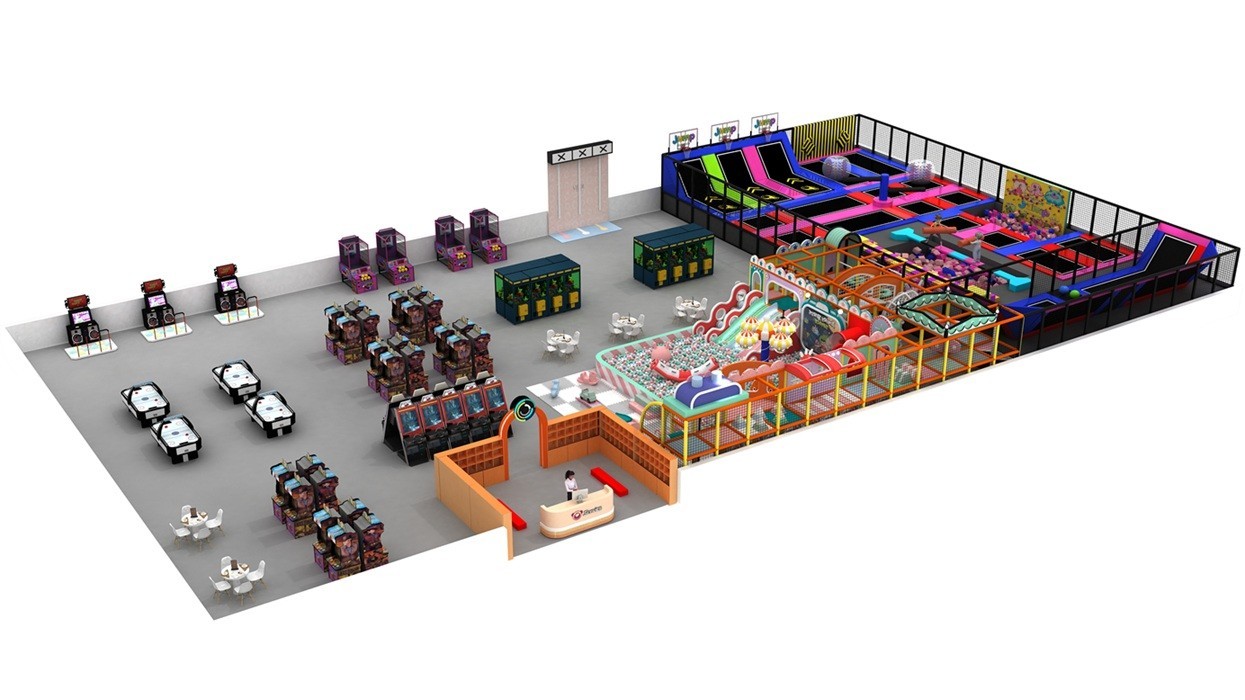
The FEC brings together several entertainment formats, creating a diverse indoor destination for children, teenagers and families.
The trampoline park features interconnected jumping zones, foam pits, and interactive play elements to enhance visitor engagement and repeat visits. This is accompanied by a colourful soft play structure with slides, ball pits and climbing activities for younger children.
In addition to the physical attractions, the FEC offers arcade games and VR experiences, creating a balance of active play and digital entertainment.
As indoor leisure continues to grow across emerging markets, this project reflects the increasing demand for integrated FECs that combine multiple attractions under one roof.
Dream Garden has over 15 years of experience designing and fabricating indoor playgrounds and trampoline parks for venues across Europe, the Middle East, South America, and Asia.
With this project in Nepal, the company marks another step in its continued global expansion.
Earlier this year, Dream Garden finalised the design and delivery of a new Happy Panda indoor entertainment centre in Osorno, Chile. The multi-zone family entertainment venue has been created for both children and adults.