Zero Latency, a global leader in VR entertainment, is marking a Halloween double anniversary: three years since launching Outbreak, its free-roam zombie survival shooter, and one year since introducing Haunted, its immersive haunted house experience.
To celebrate, the company reached out to Dr Coltan Scrivner, a research scientist who studies why people enjoy seeking out frightening experiences.
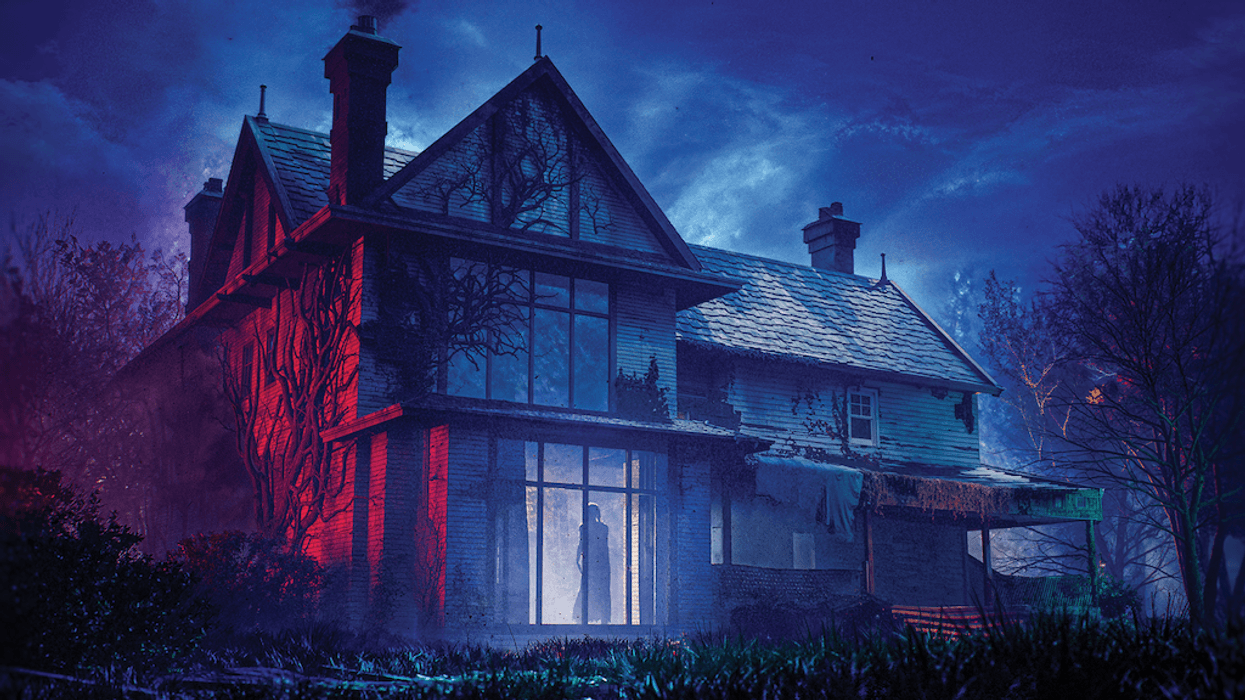
For three years, Outbreak has sent wave after wave of undead after guests at Zero Latency venues worldwide. Over the past year, Haunted has delivered a different kind of fright, with few visitors making it through the experience without a scream.
Together, the two experiences have helped make Halloween one of Zero Latency’s busiest seasons, prompting the company to explore a simple question: why do people pay to scare themselves?
Immersive VR: a new way to play with fear
Scrivner is a research scientist at Arizona State University whose work explores morbid curiosity, horror, and “recreational fear”—the blend of fear and pleasure that attracts people to haunted houses, horror movies, and survival games.
He wrote Morbidly Curious: A Scientist Explains Why We Can't Look Away, and his research has appeared in The New York Times, CNN, The Economist, NPR, and Scientific American.
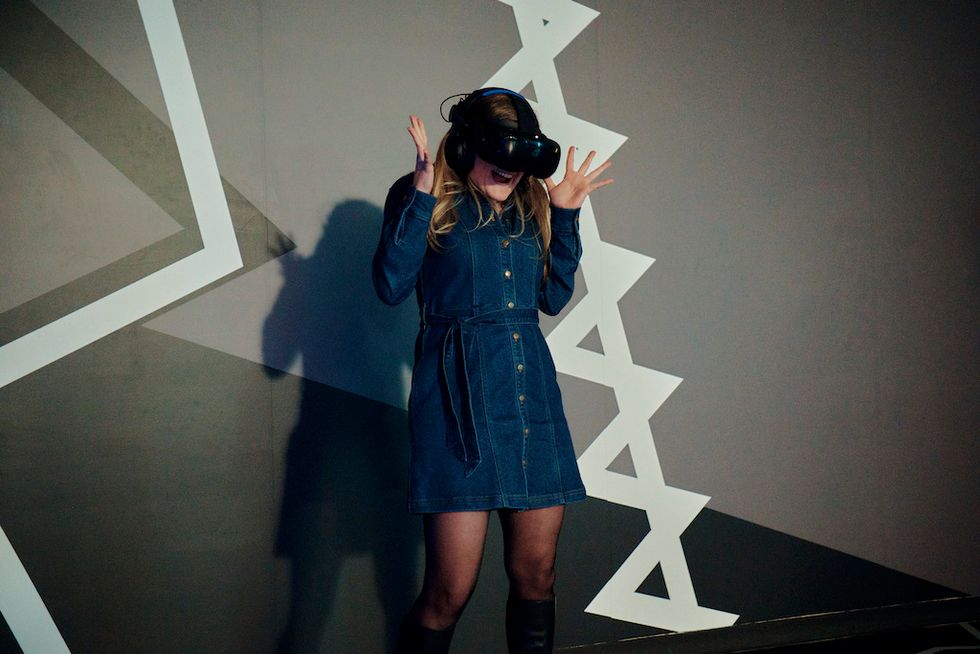 Scary experiences, like Zero Latency's Haunted, can help people regulate fear and anxiety, says Dr ScrivnerImage courtesy of Zero Latency
“Humans are built to play with the things that frighten us,” says Scrivner. “It's a great way for us to learn how to better regulate our fear and anxiety.
"One of the best ways to learn how you and your friends react in stressful situations is to simulate a stressful situation, and immersive VR is unmatched in its ability to safely invoke fear while maintaining a playful psychological frame.”
Scrivner says that's precisely what distinguishes free-roam VR from other horror formats:
“The very best scary games blur the line between fiction and reality,” he said. “Immersive VR pushes that boundary and opens up a whole new way to play with fear.
"I have never experienced a horror game as immersive as Haunted or Outbreak, both of them were scarier, and more fun, than I could have imagined.”
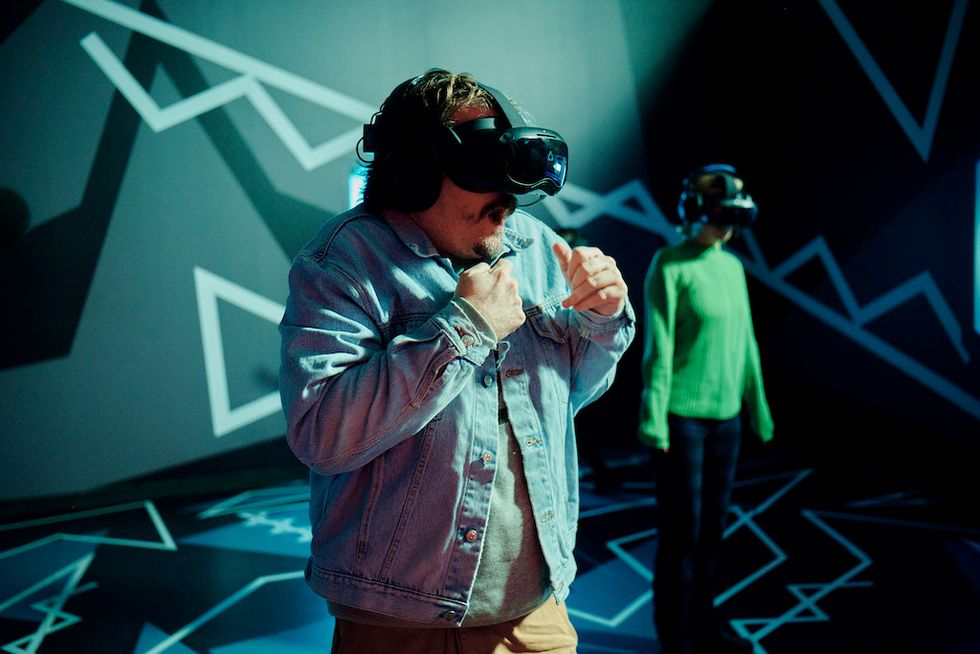 Zero Latency is celebrating a year of fear since the Haunted VR experience launchedImage courtesy of Zero Latency
Tim Ruse, CEO of Zero Latency VR, adds: “We've had over eleven years to perfect the jump scare, and it turns out you can't fake it. The science backs it up.
"If you're not leaving Outbreak with a slightly elevated heart rate, or leaving Haunted a little rattled, we haven't done our job. It's nice to finally have someone with a PhD confirm that's a good thing.”
Zero Latency has two special Halloween double-features this spooky season. Guests can experience Haunted and Undead Arena, the post-apocalyptic zombie shooter game show, or pair Outbreak with Outbreak 2: Mall Mayhem for a full hour of zombie survival.
Last month, Zero Latency announced the appointment of industry veteran Brett Bovio as senior venue success manager, heading Venue Success, the company's newly launched international support function for its venue network.