
Breeze Creative, a leading interactive product company creating innovative installations that combine technology, play, and education, is using interactive floor projection, digital games, motion-responsive walls, and hands-on digital activities to help turn zoo and aquarium visitors into active explorers.
Such interactive projection technologies bring movement, creativity, and play into the visitor experience, offering these attractions new ways to engage families while complementing animal and marine life exhibits.
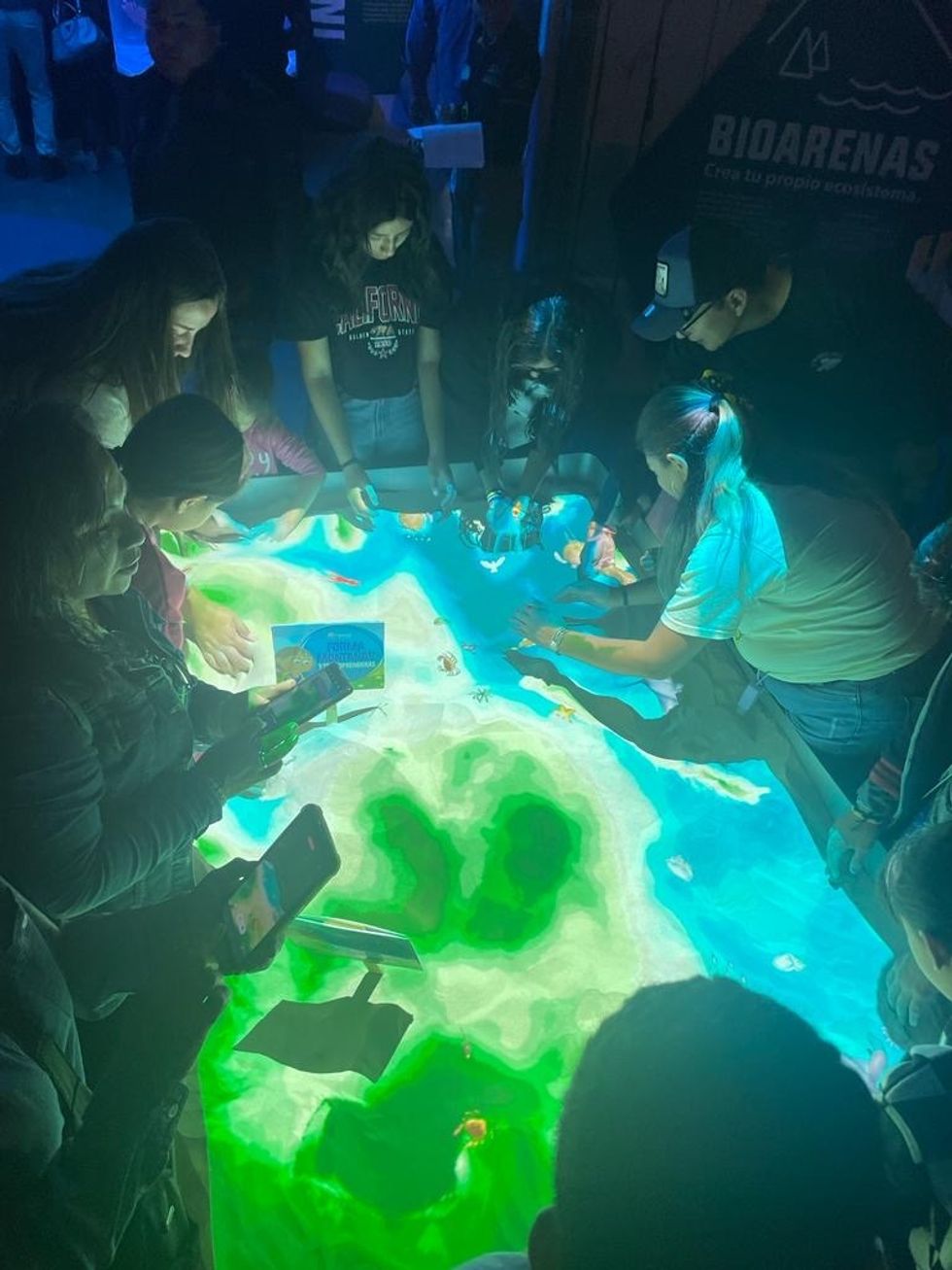
An animated sandbox for Acuario Michin, Mexico, that invites visitors to create their own ecosystem
Image courtesy of Breeze Creative
"Zoos and aquariums have a unique opportunity to connect people with the natural world," says a spokesperson from Breeze Creative.
"Whether visitors are watching sharks glide through an aquarium tunnel, observing elephants in a habitat, or discovering the diversity of marine ecosystems, these encounters can inspire curiosity and encourage a deeper interest in wildlife and conservation.
"But not every moment of a visit takes place in front of an animal exhibit. Families also spend time in educational areas, indoor activity spaces, interactive galleries, and other shared environments where opportunities for participation can enrich the experience."
In zoos and aquariums, the strongest applications connect interactive technologies to the venue's educational goals, helping make unfamiliar ideas more approachable for younger visitors by introducing natural science concepts through exploration and play.
Flexible, fun technologies
Breeze Creative's extensive portfolio of interactive hardware and software products includes several offerings that are particularly beneficial in zoo and aquarium settings.
Dynamic Floor, for example, is an interactive floor projection system that reacts to visitor movement in digital games and themed environments, and Digital Ball Wall melds physical activity with digital gameplay.
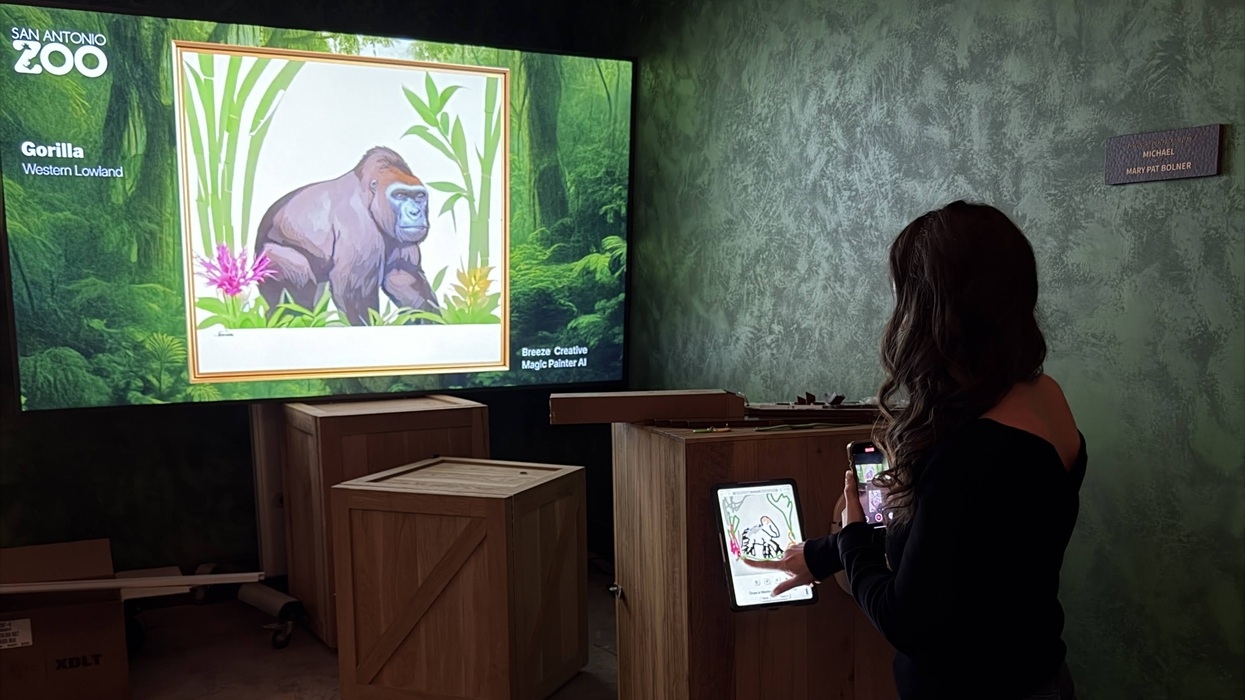
With the interactive drawing system Draw Alive, children's artwork is brought to life on a digital screen. By combining a familiar task with an unexpected digital result, this activity offers a creative way to engage younger visitors.
Additionally, Build Alive brings projection-based interaction to a tabletop format, combining physical play with digital content, while the Animated Sandbox offers hands-on exploration through a mix of physical sand, sensing technology, and projection.
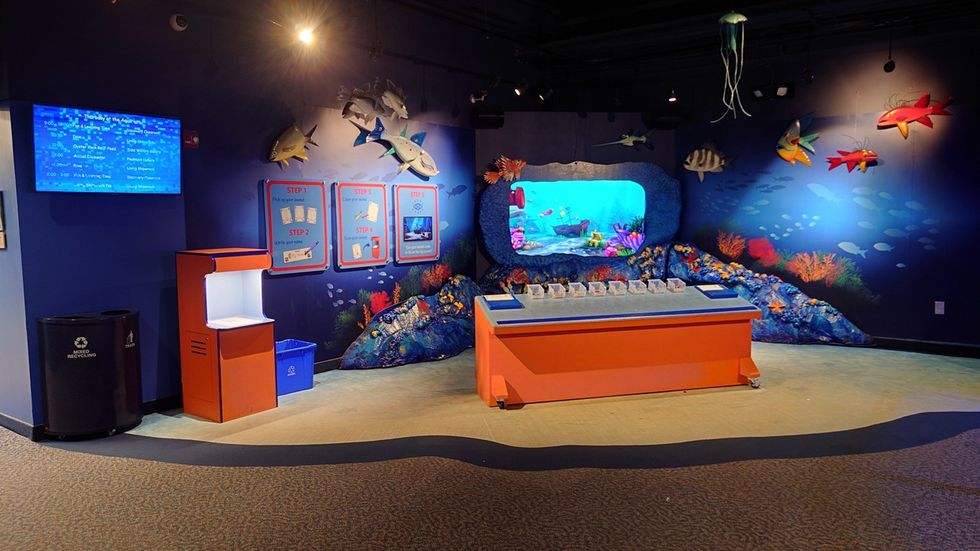
Draw Alive in the Future Waters gallery at North Carolina Aquarium
Image courtesy of Breeze Creative
The attraction's technology choice will be informed by available space and operating conditions, as well as the intended audience and activity type.
Venues should consider the intended age range, capacity, ease of use, and accessibility, as part of the wider visitor journey. A movement-based interactive floor, for instance, serves a different purpose from a creative drawing station or a collaborative tabletop activity.
Interactive projection products can also offer flexibility, with software-based content and the potential to offer multiple activities using a single system. The same space can host different activities throughout the year, with seasonal themes and rotating games to keep repeat visitors interested.
Meaningful activities
"Zoos and aquariums will continue to rely on the appeal of live animals, immersive habitats, and opportunities to learn about the natural world," says the company.
"Interactive technology offers another way to build on those experiences by introducing activities that invite visitors to move, create, and explore."
The opportunity is not simply to add more digital content, but to give guests meaningful ways to participate.
When implemented with clear goals in mind, interactive projection systems can complement conventional exhibits, support informal learning, and create shared experiences that help make a visit engaging for the entire family.
Last month, Breeze Creative shared insights into how it is looking beyond the screen to shape the next generation of visitor engagement.