
Cloward H2O, an expert in aquatic design, has shared insights into the hidden engineering behind today's aquariums, revealing how life-support systems, water-quality management, structural design, and operational resilience combine to create healthy environments for aquatic species while delivering memorable experiences for visitors.
When people visit an aquarium, they can see coral reefs thriving in the middle of a desert or a city, sharks cruising past a glass wall, or even a replica of the Amazon Basin, teeming with life. But behind that experience is a world of engineering, where water, oxygen, and structures are carefully controlled and tested.
The complexity of simulated life support systems (LSS)
Aquariums are not just water tanks—they are engineered biomes. Each habitat requires a custom-designed life-support system. Each system balances five essential factors, explains Cloward H2O:
- Temperature – Heating and chilling coils fine-tune water temperature to meet species-specific needs.
- Salinity – Saltwater tanks require delicate dosing to avoid osmotic shock.
- pH and Alkalinity – Crucial for buffering against acidification.
- Biological Filtration – Nitrifying bacteria colonies convert harmful waste into less toxic compounds.
- Redundancy – Backup pumps, power, and filtration to protect against catastrophic failure.
“You are recreating the metabolic systems of an entire oceanic region—on a concrete floor," says Corry Cloward, PE, president & principal at Cloward H2O.
"Designing an environment where the world’s most exotic creatures can thrive is a tall order, but our uniquely qualified team is always up to the task.
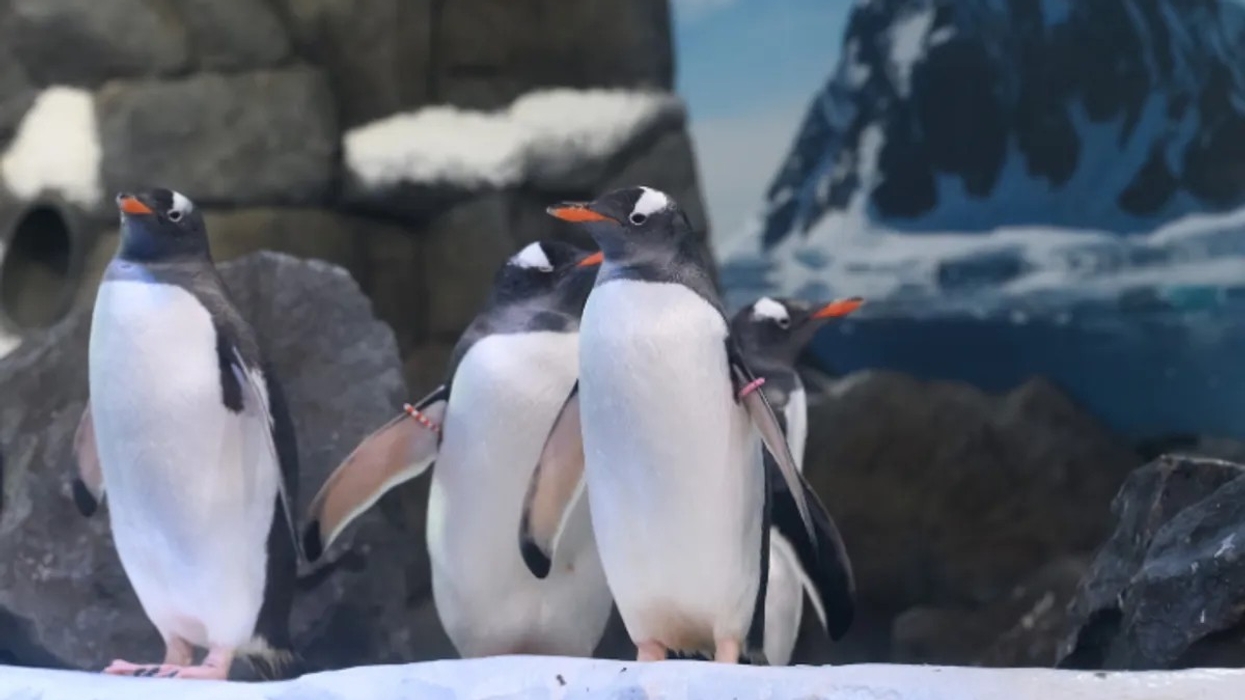
"Our engineers competently design everything from open to closed systems with freshwater or saltwater. Intimate knowledge of various system types ensures that every dolphin, hippo, fish, penguin, and flamingo is happy and healthy.”
The objective of every water feature (aquarium, stream, pond, and waterfall) is to provide visitors and guests with a meaningful and educational experience. The secondary goal is for guests not to notice the engineering and creation behind the water feature or habitat.
Each LSS can span multiple rooms, often underground, with thousands of feet of piping, pumps, filters, UV sterilisers, protein skimmers, ozone injectors, and automated monitoring systems.
Key challenges
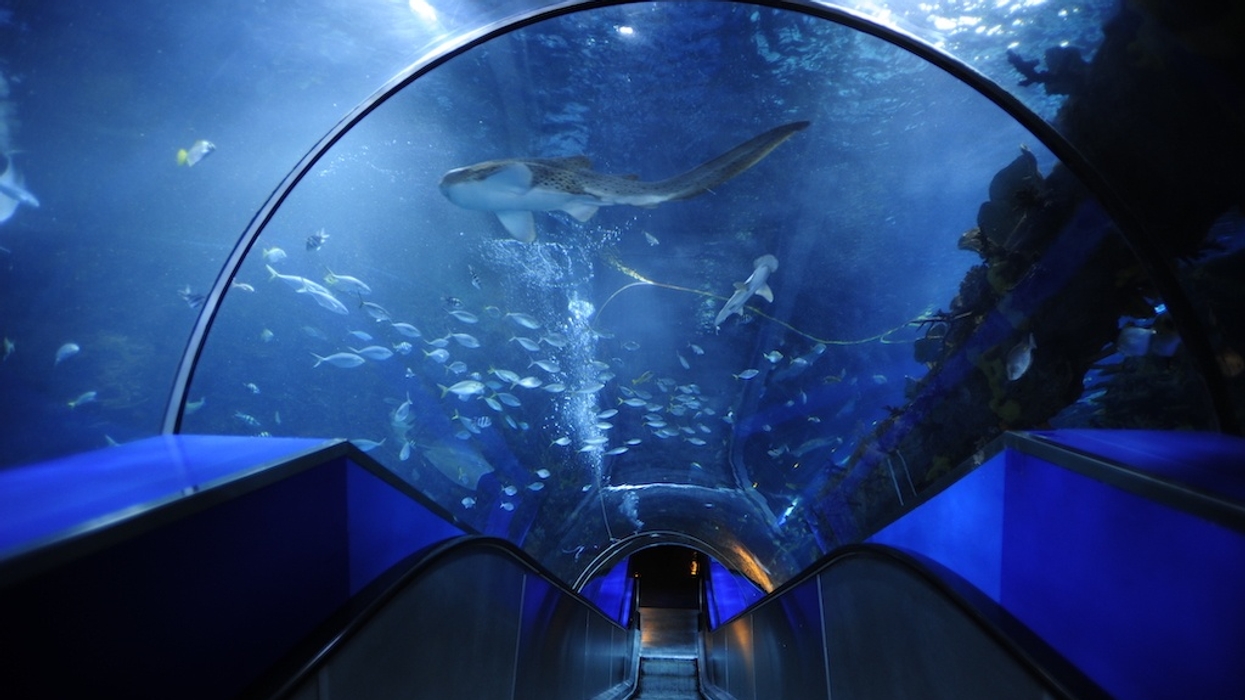
Visitors might admire a 40-foot acrylic viewing window, but the engineering team at Cloawrd H2O understands it in terms of numbers: thousands of pounds of pressure, tight tolerances, critical seals, precise joints, and a material that must remain clear for decades.
Key challenges include panel thickness, which is engineered based on depth and curvature with adjustments for creep and thermal expansion.
Stress joints, or bond lines between panels, must resist deformation under long-term loading. Additionally, facilities located in earthquake zones or on soft soil require floating slabs or isolation joints to prevent cracks and leaks.
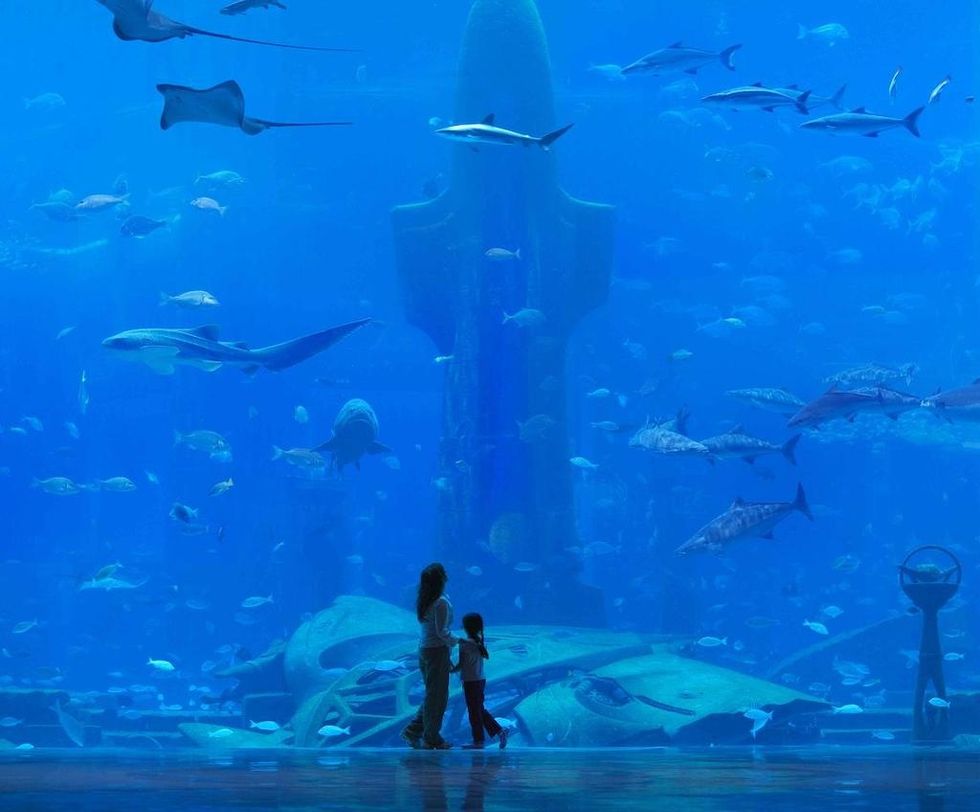 The Ambassador Lagoon located inside the Atlantis, The Palm hotel in Dubai
Aquarium water may look simple, but it is chemically complex, even volatile.
Different species have vastly different tolerances. Jellyfish require ultra-clean, low-turbulence water to thrive, while coral reefs demand conditions with low nitrates and high calcium levels.
River fish need high oxygenation and low salinity for optimal health, and octopuses, with their sensitive skin, react adversely to trace metal contaminants.
Cloward H2O works with the project aquarists, husbandry staff, and operators to ensure that the systems will be suitable LSS habitats for the planned species.
To safeguard the habitat and fish, Cloward H2O requests that all contractor equipment shop drawings be submitted to and approved by the Cloward H2O project manager before installation.
This ensures that the planning and effort invested in designing and engineering the Life Support System are not compromised by component substitutions or modifications.
See also: Engineering ethics: responsibilities, boundaries, and professional integrity
Custom infrastructure for living design
Aquariums are often installed inside existing buildings, urban landscapes, or ageing infrastructure. This makes the design process uniquely adaptive.
Considerations include piping architecture, which must avoid long dead legs and enable full clean-out without dismantling. Pump room access is also important; sometimes it is built beneath the tank or concealed behind exhibits.
Noise and vibration are critical factors, as pumps and chillers need to operate silently, especially in visitor areas where acoustics matter. Additionally, the themed environment often requires that pipes, grates, and lights be made invisible within detailed dioramas or rockwork.
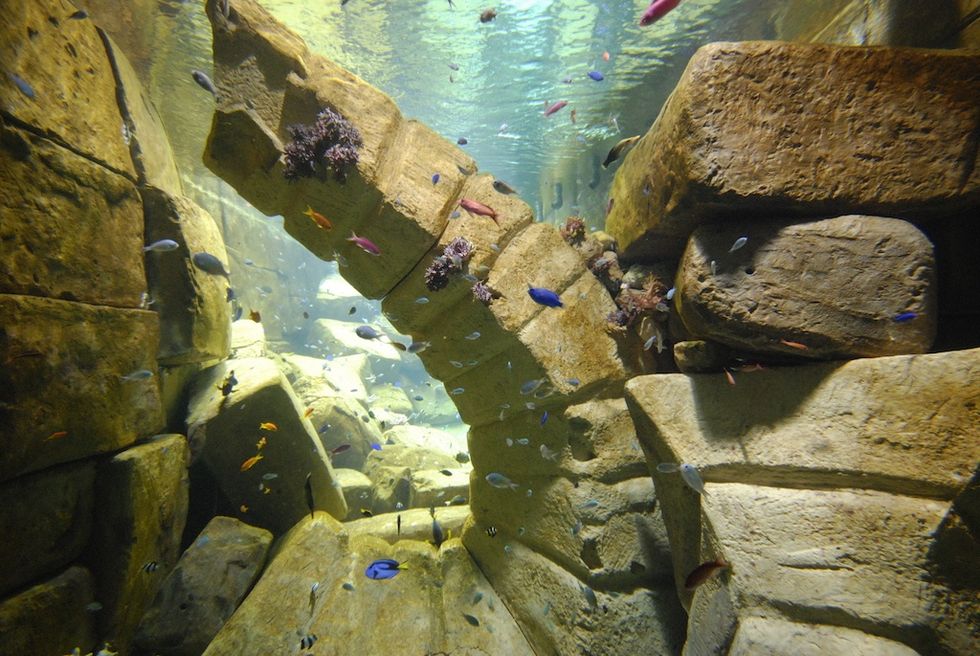 A marine exhibit designed to resemble the ruins of the lost city of Atlantis
The most crucial aspect of any aquarium system is how it responds when a problem occurs, adds Cloward H2O.
Backup generators must activate within seconds of a power outage to prevent disruption. Automated valves are in place to isolate leaks, preventing pressure loss from becoming catastrophic.
Redundant pumps ensure the system maintains circulation even if one pump fails, and environmental alarms alert staff before critical thresholds are breached, enabling swift intervention.
Before any facility opens to the public, live simulations and failure drills are conducted, including oxygen-deprivation testing, pump transitions, valve failures under load, and full-system blackouts
Cloward H2O understands that aquarium engineering is not just about steel and pipes. Every choice affects a web of interdependent species. Engineering becomes ecology, and ecology becomes experience.
“When a child presses their hand against a glass wall and sees a sea turtle glide by... they’re not seeing engineering. But that moment only exists because of it," adds Corry Cloward.
Cloward H2O also recently shared more details about the hydrodynamics of modern surf parks, explaining how engineers can use wave theory to create consistent waves for beginners, pros, and everyone in between