
For years, the indoor leisure industry has focused on a simple formula: add more attractions, increase dwell time, and create new reasons to visit. Trampoline parks expanded into ninja courses. Family entertainment centers (FECs) integrated climbing walls, arcades, laser tag, and immersive experiences.
Yet despite this continuous innovation, many venues still operate as a collection of isolated attractions rather than a unified guest experience.
The next generation of FECs and action parks will not be defined by the quantity of attractions they offer, but by how intelligently those attractions are connected.
Welcome to the era of the Connected Interactive Venue.
From isolated activities to a shared adventure
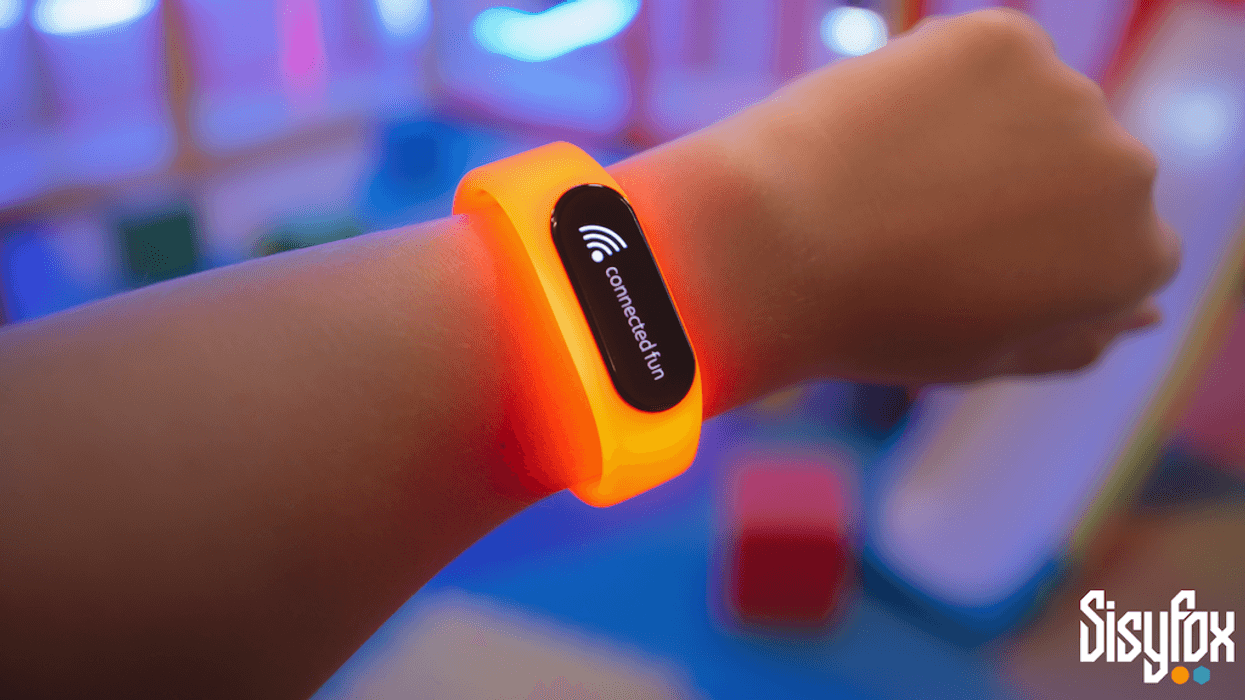
Imagine a visitor entering an indoor park and receiving a simple RFID wristband. Within seconds, a personal profile is created. Every attraction, every game station, and every interactive experience within the venue recognizes the guest instantly.
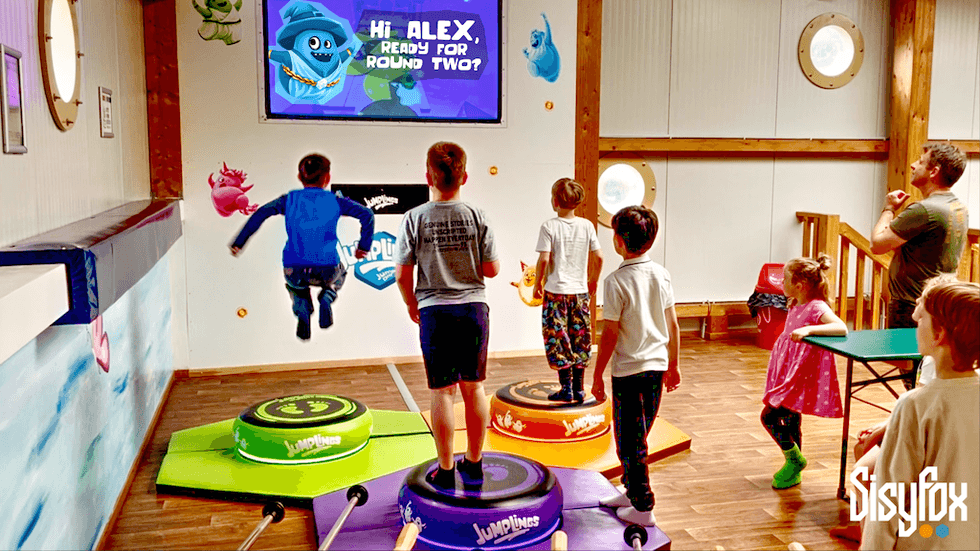 When every attraction at a venue is connected and recognises the guests, welcoming them with a personal greeting is straightforward
Instead of manually entering names for leaderboards, the guest is greeted personally: "Welcome back, Alex. Ready to beat your high score?"
Whether playing an interactive ball game, a movement-based challenge, or a competitive jumping experience, all activities contribute to a single overarching journey.
Points earned at one attraction become part of a venue-wide ranking system. Daily, weekly, and seasonal leaderboards create an ongoing competition that extends far beyond any individual game.
The result is a powerful shift in perception: visitors no longer experience disconnected attractions. They experience a connected world.
Personalization creates emotional engagement
The leisure industry has long understood the value of personalization in digital environments. Streaming services, social media platforms, and video games have spent years perfecting personalized user experiences.
Physical leisure venues are only beginning to unlock this potential.
When attractions recognize guests by name, remember achievements, and track progress over time, visitors feel acknowledged rather than processed.
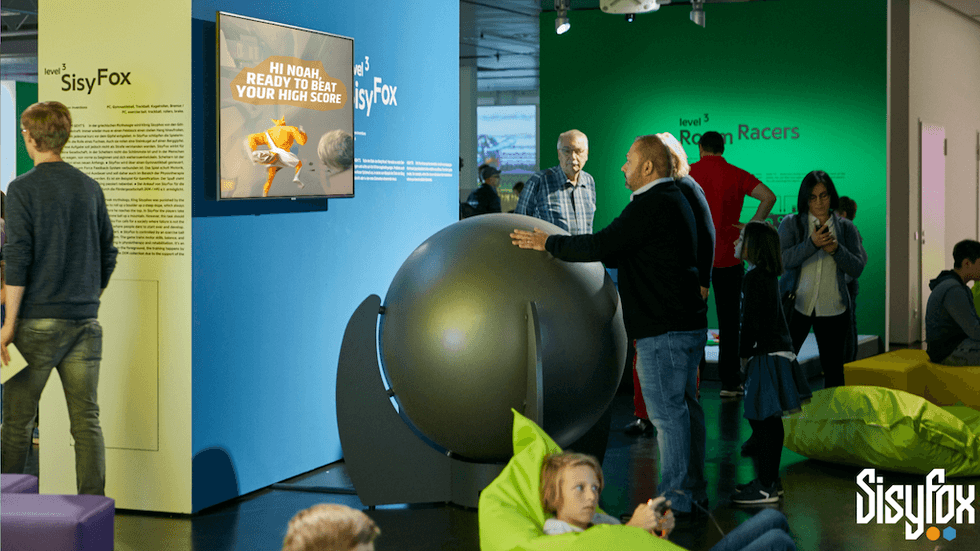 Connected Interactive Venues can recognise guests by name, remember achievements, and track progress over time
This seemingly small change creates a significant emotional impact. Guests are no longer anonymous ticket holders. They become active participants with identities, goals, and status within the venue ecosystem.
For younger generations raised with online gaming, progression systems and personal achievements are already deeply familiar behavioral drivers. Bringing these mechanics into physical leisure environments creates an immediate sense of relevance and engagement.
The power of venue-wide competition
One of the strongest motivational tools in gaming has always been competition.
Traditional attractions generate excitement during the activity itself. Connected venues extend that excitement throughout the entire visit.
Leaderboards visible across the park encourage guests to continue exploring attractions in pursuit of higher scores. Players who might otherwise leave after completing one activity are motivated to try additional experiences to climb the rankings.
More importantly, every attraction contributes toward a larger objective.
Rather than competing within a single game, visitors compete within the entire venue.
This transforms the park from a collection of attractions into a living, evolving game world.
Turning rewards into revenue drivers
The integration of account systems also opens new opportunities for operational creativity.
Daily champions could receive complimentary beverages. Weekly winners might earn discounts, merchandise, vouchers, or free admission tickets for future visits.
These rewards often represent relatively low costs for operators while generating disproportionately high engagement.
 Tickets, points, and rewards become revenue drivers in a connected venue with integrated account systems
The psychological effect is powerful. Visitors become invested in improving their performance and returning to defend or improve their ranking.
What was previously a ticketing system becomes a loyalty platform.
What was previously a one-time visit becomes an ongoing challenge.
Data-driven operations replace assumptions
Connected venues generate something equally valuable: actionable data.
Historically, attraction placement and investment decisions have often relied on observation, intuition, and anecdotal feedback. While valuable, these methods provide limited visibility into actual guest behavior.
A centralized interactive ecosystem allows operators to understand:
- Which attractions receive the highest engagement
- Which game modes are most popular
- How guests move through the venue
- Where bottlenecks occur
- Which experiences generate repeat participation
- Which areas underperform
For example, modern interactive attractions can track not only usage volume but also engagement patterns at the game level. Operators can identify which game modes consistently attract players and adapt content strategies accordingly.
As venues continue investing in technology, these insights become increasingly important for maximizing return on investment.
New business models for interactive attractions
Connected systems also enable entirely new monetization approaches.
While many venues continue to operate under traditional admission models, interactive attractions increasingly support flexible pricing structures.
Short-session gameplay, premium challenges, tournaments, seasonal competitions, and pay-per-play mechanics can coexist within a unified account system.
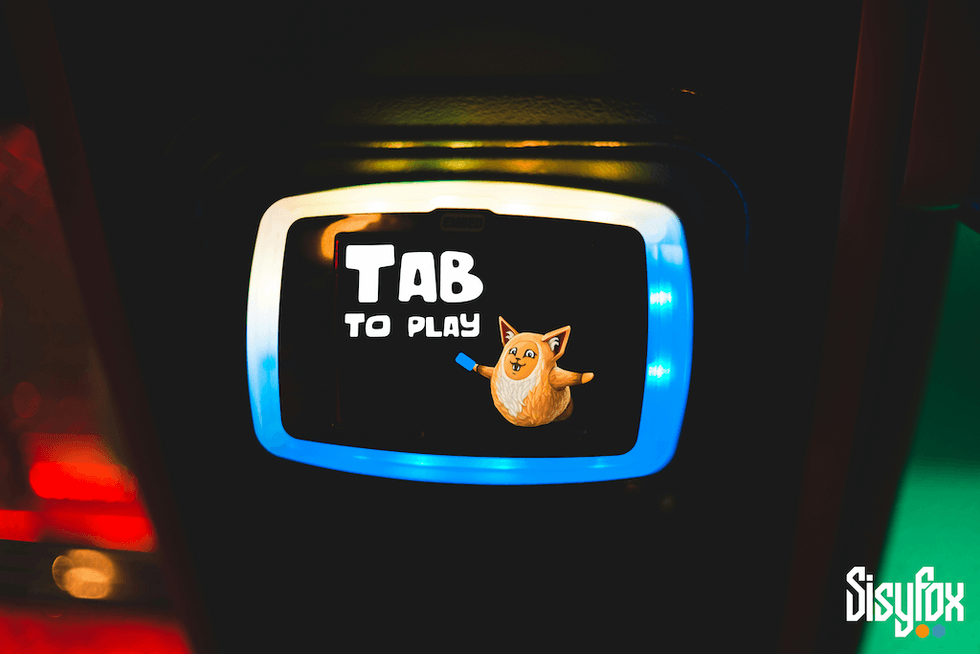 Connected Interactive Venues can also generate actionable data for operators
This creates opportunities for operators to diversify revenue streams without compromising guest experience.
The economics can be significant. High-throughput attractions designed for rapid player turnover can accommodate hundreds of participants per hour while maintaining strong engagement levels through competitive and social mechanics.
In this environment, digital infrastructure becomes just as important as physical infrastructure.
Technology that encourages movement
Perhaps the most exciting aspect of connected interactive venues is their ability to combine the engagement principles of digital gaming with the benefits of physical activity.
For decades, gaming and exercise have often been positioned as opposites.
Modern interactive attractions challenge this assumption.
By leveraging game design, progression systems, competition, rewards, and social dynamics, operators can motivate guests to move more, play longer, and engage more deeply with physical experiences.
 The most successful venues will be those that create the most connected experiences
The most successful attractions of the coming decade may not simply digitize existing activities. Instead, they will create entirely new forms of play that could not exist without the combination of technology, movement, and intelligent system integration.
Looking ahead
The leisure industry is entering a new phase of evolution.
As hardware, software, and guest expectations continue to converge, the distinction between digital and physical entertainment will become increasingly blurred.
Tomorrow's most successful venues will not be those with the largest number of attractions.
They will be the venues that create the most connected experiences.
The Connected Interactive Venue represents more than a technological upgrade. It represents a shift toward treating the entire park as a single experience platform—one where every attraction, every guest interaction, and every achievement contributes to a larger story.
For operators seeking to increase engagement, improve data visibility, strengthen guest loyalty, and unlock new revenue opportunities, that future may already be nearer than it appears.