China’s attractions market has expanded rapidly. In just over two decades, the country evolved from a young theme entertainment market into a major hub for location-based entertainment, IP-led destinations, and branded family experiences.
For Max-Matching, this offers both opportunity and responsibility.
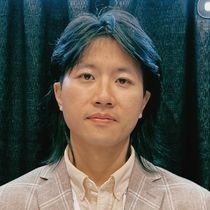
Owen Zhao, founder of Max-Matching, has watched this development unfold. Since returning to China in 2003, he has seen the country’s themed entertainment sector move from early-stage construction and sometimes disorderly expansion towards a more selective, more experience-led market.
Brand power
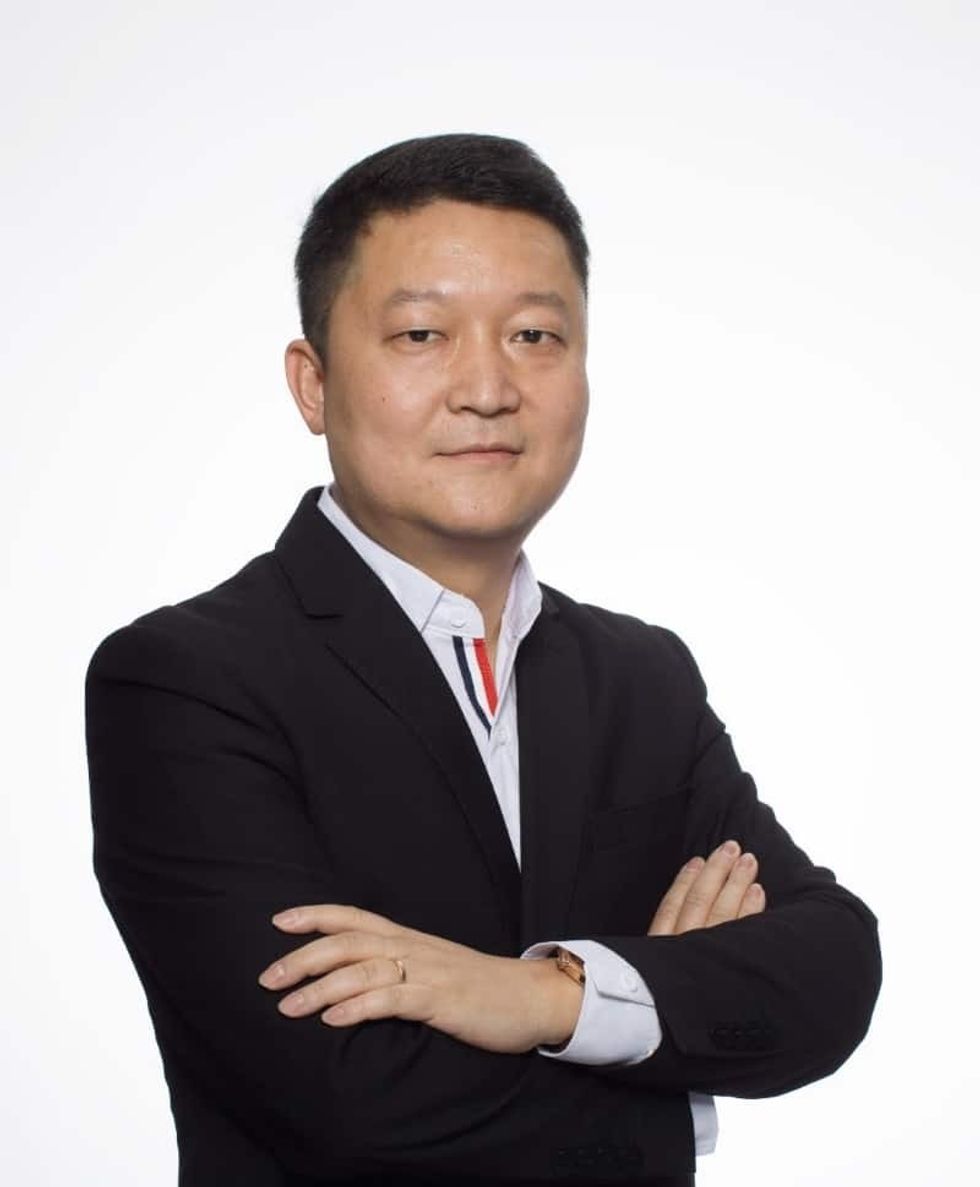
Owen Zhao, founder of Max-Matching
He argues that the most powerful projects today are those built around strong, long-term IPs with established audience recognition and sustained content ecosystems.
“China’s LBE and entertainment market has only really developed over the past 20 years,” says Zhao. Compared with mature markets where companies like Disney have developed over nearly a century, China’s sector has evolved rapidly alongside economic growth and rising consumer demand.
Before the pandemic, industry expectations suggested China could become one of the world’s largest theme entertainment markets. COVID delayed many projects, but the underlying demand remains strong.
China is now one of the world’s largest LBE markets, supported by a vast consumer base, a growing middle class and a strong appetite for new leisure formats.
Yet scale alone does not guarantee success. Zhao points out that China has also seen many large, equipment-led or infrastructure-heavy projects struggle when they lacked content, renewal and long-term consumer engagement. In contrast, the strongest destinations combine brand strength, storytelling, operational excellence, and local relevance.
This is where IP becomes central.
Not every IP is suitable for LBE
In today’s market, almost anything can be described as “IP”: films, brands, celebrities, consumer products, or digital characters. However, not all IPs are equally suited to location-based entertainment.
“From our experience, a good IP for LBE needs what we call time and space,” says Zhao.
By “time”, he means long-term audience accumulation. The IP should ideally have decades of history, reaching multiple generations of consumers. The IP owner must have continuously refreshed it through new content, new channels and ongoing brand investment.
By “space,” he refers to consumer presence across various environments, including online and offline channels like films, TV, media, social platforms, retail, merchandise, and pop-ups. This ensures the IP has sufficient recognition, emotional connection, and depth of content to sustain an LBE destination.
“Once the project opens, there must already be a strong fan base ready to come to the site and experience it physically.”
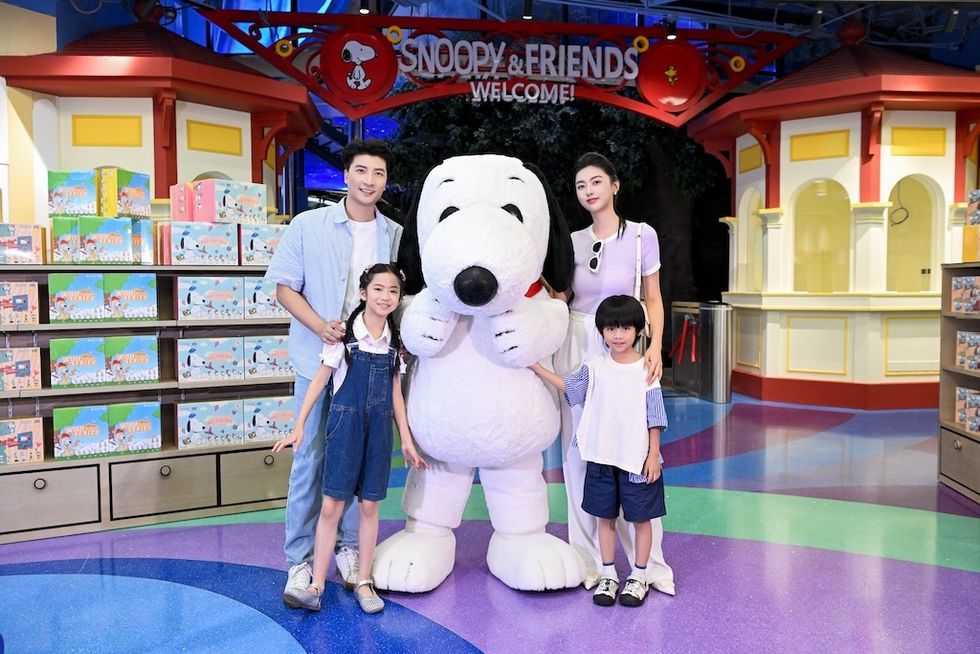
Brands with multi-generational appeal, such as Peanuts, are primed for success
Image courtesy of Max-Matching
This principle is core to Max-Matching’s strategy. The company focuses on IPs with established recognition, cross-generational relevance, and strong content ecosystems, rather than short-term popularity cycles.
This long-term view is strongly supported by its partners. As Natalie Chan, director of branded experience and partnerships at Hasbro (APAC), says: "Success in China is not just about the number of locations, but about creating high-quality, scalable experiences that build long-term brand equity."
Zhao warns that building an IP from scratch is a very different business challenge. If the market still needs to be educated before the visitor base is ready, the physical project may not survive long enough to benefit from that awareness.
Building a diversified IP ecosystem
China’s IP landscape is becoming increasingly diverse, with both domestic and internationally recognised IPs contributing to the growth of location-based entertainment.
Rather than viewing IP categories in isolation, Max-Matching focuses on how different IPs bring complementary strengths to the ecosystem.
Many long-established global and domestic IPs have built strong foundations through years of storytelling, audience engagement, and cross-platform development. These strengths help support the development of immersive physical experiences.
At the same time, China’s domestic IP ecosystem continues to expand rapidly, bringing new creativity, cultural relevance, and connections with emerging audiences to the market.
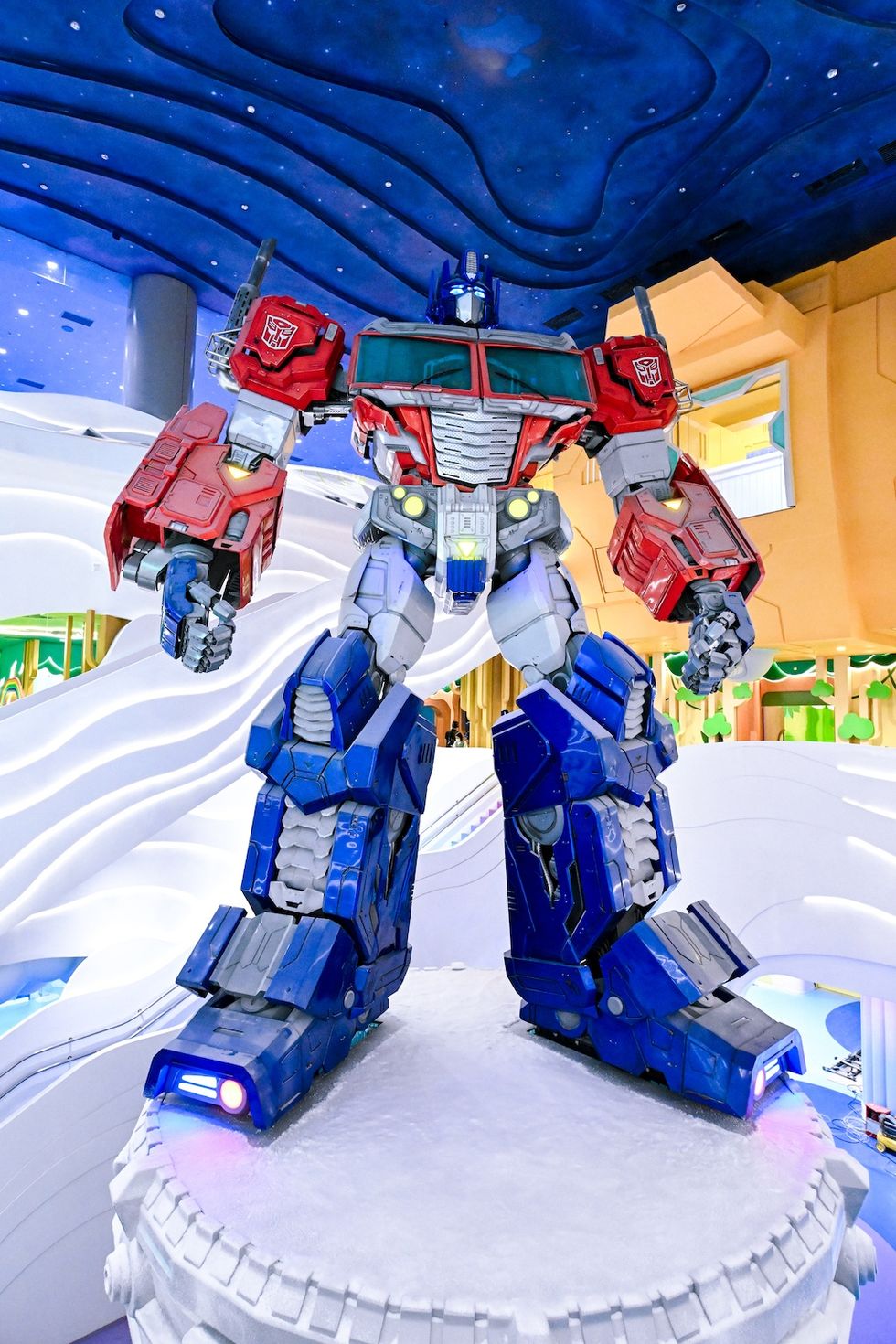
IP such as Hasbro's Transformers, seen here at Magic World, have developed strong brand recognition in China over many years
Image courtesy of Max-Matching
Zhao emphasises that the focus is not on comparison but on integration—building portfolios in which different IPs contribute to different formats, audiences, and destinations.
Max-Matching evaluates IPs by analysing global performance, local awareness, audience engagement, and relevance to specific formats. IP owners provide data, but the company also conducts independent research into consumer perception and market fit.
Longstanding brands such as Mattel (Barbie, Thomas & Friends, Hot Wheels, etc.), Hasbro (Transformers, Peppa Pig, My Little Pony, etc.) Peanuts Worldwide, WildBrain (Teletubbies, In the Night Garden), Aardman (Shaun the Sheep), Cayola, and Sesame Street have developed strong recognition in China through media, merchandise, and licensing over many years.
This recognition provides a foundation for translating IP into physical experiences.
Julie Freeland, VP of global location-based entertainment at Mattel, notes that these experiences allow fans to connect with brands “beyond products,” in ways that are interactive and shareable.
Zhao also stresses that bringing global IP into China is not about replication, but adaptation:
“It is about respecting the IP itself, the IP owner’s requirements and the story world, while adding more localised content.”
“Disciplined localisation”
This approach aligns perfectly with IP owners' strategy. Evi Sari, VP of global LBE at leading licensing agency WildBrain CPLG, which represents WildBrain's owned franchises, including Teletubbies and In the Night Garden, and the Peanuts brand on behalf of Peanuts Worldwide across APAC, calls this critical step "disciplined localisation."
She notes that a successful LBE development in Asia requires more than translation or visual adaptation: “Each market behaves differently."
Freeland agrees, pointing out that "while our brands have global appeal, the strongest experiences are those that reflect local preferences and market dynamics."
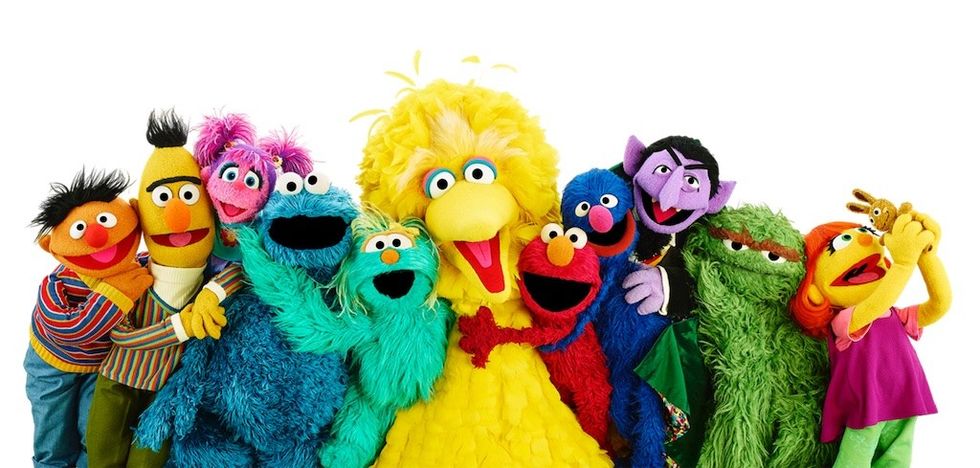
Sesame Workshop & Max-Matching previously announced plans to launch Sesame Street FECs in China
Image courtesy of Sesame Workshop
Zhao cites a Hot Wheels project in Guangdong’s Greater Bay Area that uses regional landmarks and local visuals in its racing experience. For Zhao, this is effective integration: not just superficial decoration but a way to connect a global IP to a place.
Similarly, Jonathan Linn, global head of LBE at Crayola, describes the brand’s "regionalisation" strategy, which tailors experiences to reflect the unique cultures of different Chinese regions, "drawing inspiration from China’s rich heritage and its emphasis on strong intergenerational bonds."
Zhao points to Shanghai Disney Resort and Universal Beijing Resort as successful examples of globally consistent IP frameworks that successfully integrate local cultural elements
Beyond localisation, Max-Matching also aims to use these projects to support broader capability development within China’s creative and operational talent base.
Max-Matching’s differentiating position
This is where Max-Matching sees its role as distinct from a traditional licensing intermediary or IP agent.
The company positions itself as an investor, developer, and operator of IP-based LBE destinations, combining IP rights, creative development, design, construction, operations, marketing, and long-term management.
Zhao explains that China already has strong capabilities in building IP projects. At the same time, there is a growing demand for more integrated creative development and internationally experienced operating teams
Max-Matching’s end-to-end capability is exactly what brand owners are looking for.
Chan outlines Hasbro's three essentials for a partner in China: "Execution excellence, local insight, and IP commitment," noting that "partners like Max-Matching bring global best practices and can scale innovation across formats."
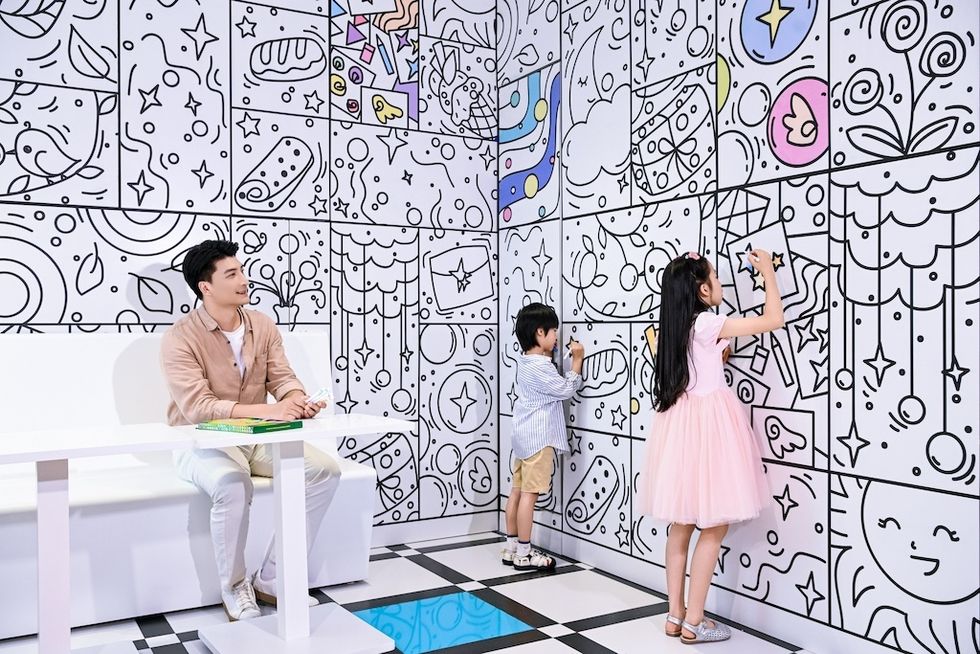
Crayola's global-first Crayola Creativity Store at Magic World
Image courtesy of Max-Matching
Furthermore, Sari highlights Max-Matching's distinct "operator mindset," praising their understanding of "how the brand works across the full guest journey, and how the format can operate day after day in a real commercial environment."
Mattel's Freeland adds that successful experiences require partners who share a commitment to "operational excellence and long-term brand stewardship," citing Max-Matching's ability to combine local expertise with iconic brands to "create connected experiences that resonate with families while remaining true to our brands."
Linn notes that for Crayola, the right partner goes "beyond execution, sharing a deep respect for Crayola’s brand integrity, aligned values, a long-term vision, and proven expertise in operating experience‑led attractions of all kinds," and that Max-Matching has consistently championed the brand's values while "raising the bar in execution."
Decades of experience
Max-Matching’s senior team has decades of experience working across domestic and international IP projects in China and Southeast Asia. However, Zhao believes the industry continues to develop deeper operational and creative capability.
“We aim to introduce new formats, learn through execution, and gradually build stronger local talent,” he says. This applies not only to operations but also to creative development and long-term IP creation.
This approach also shapes the way Max-Matching works with IP owners. The company prefers partners willing to enable meaningful localisation, share high-quality suppliers, engage international creative teams, and integrate Chinese teams into the development process.
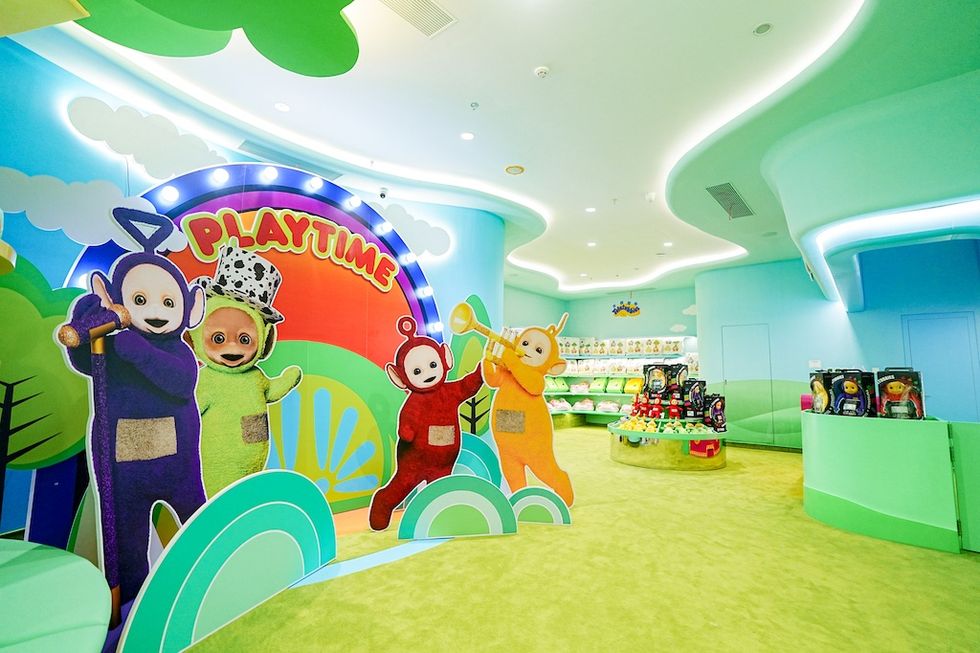
Visitors to Magic World can step inside the world of brands like Teletubbies, and enjoy themed merchandise alongside the experiences
Image courtesy of Max-Matching
The goal is to build ecosystem capability, not just import experience.
While many companies may secure individual IP rights, Max-Matching is building what Zhao describes as an IP matrix: a diversified portfolio designed to support multiple formats, regions, and audience segments.
The goal is to avoid overreliance on any single IP type and instead create a balanced system in which different IPs serve distinct roles across destinations.
The changing Chinese consumer
The rise of IP-led LBE also reflects a broader shift in Chinese consumer behaviour. In the early stages of the market, visitors were often drawn by superlatives: the fastest roller coaster, the tallest ride, the newest thrill attraction. That phase is changing, says Zhao.
“Chinese consumers are moving from equipment-led and thrill-led experiences towards immersive and interactive experiences.”
The IP partners recognise this shift as well. Chan explains that Chinese consumers "are actively seeking high-quality, IP-driven family experiences," making LBE a powerful way to turn brands into "lived experiences."
To capture this audience, Sari emphasises that operators must help IP owners move "from brand exposure to brand experience".
This means the IP must not be "treated as decoration, but translated into the full guest journey, from the arrival moment and play pattern to retail, photo opportunities, operations, service flow, content moments and reasons to revisit.”
International IP projects succeed, Zhao argues, because they are built around storytelling. At Disney or Universal, the experience begins before the attraction: music, arrival sequences, environmental design and emotional pacing all contribute to immersion.
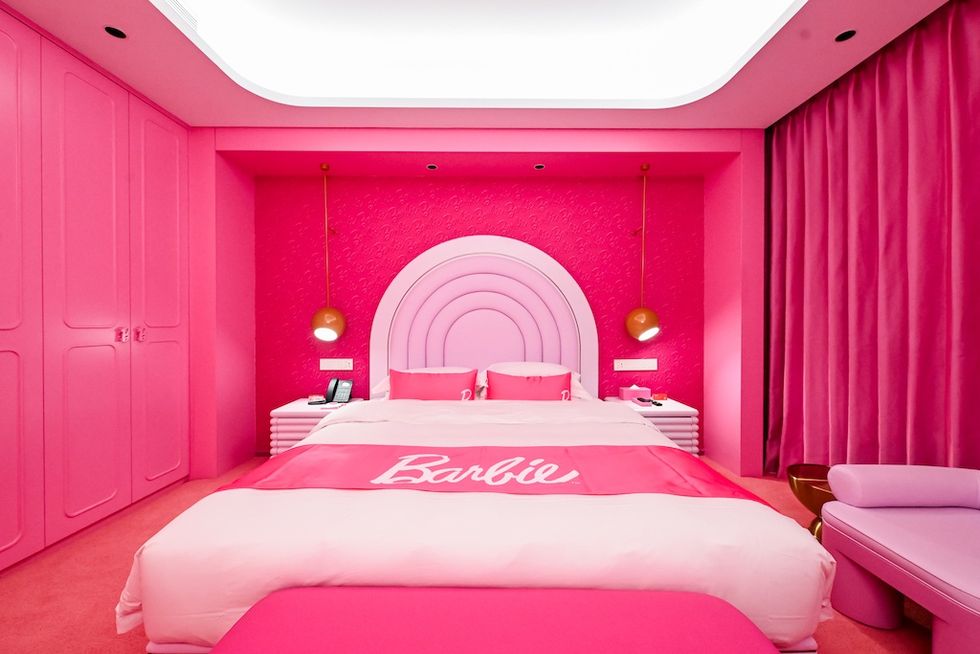
Mattel Play! Hotel extends the Magic World experience overnight with themed accommodation such as this Barbie suite
Image courtesy of Max-Matching
Increasingly, Chinese consumers expect that level of completeness.
This shift is also evident in domestic projects. Many now incorporate NPCs, live interaction, role-play, social media moments and performance-led experiences.
Visitors are no longer passive audiences. They become part of the show, the story and the content ecosystem shared on platforms such as Xiaohongshu and Douyin.
The broader consumer economy has also changed. Zhao notes that while spending patterns are changing, expectations remain high. Consumers are becoming more selective, prioritising value, quality, and experience.
“When people’s time and money are compressed, they choose the best,” he says.
In the attractions sector, many large, under-refreshed parks struggled post-pandemic, while top IP-led destinations thrived.
Zhao highlights Shanghai Disney Resort and Universal Beijing Resort as proof that high-quality, content-rich places remain in demand.
Magic World
Max-Matching focuses on creating IP clusters rather than standalone attractions.
The company’s portfolio includes global IPs from Hasbro, Mattel, Peanuts Worldwide, WildBrain, Sesame Workshop, Crayola, and Aardman.
Properties include Transformers, My Little Pony, Peppa Pig, Thomas & Friends, Hot Wheels, Barbie, Peanuts, Teletubbies, In the Night Garden, Sesame Street, and Shaun the Sheep.
The strategy combines indoor and outdoor formats.
Max-Matching targets mid-sized outdoor parks, roughly 200-500 mu, offering more efficient investment and construction than mega-resorts while maintaining destination appeal.
Unlike Disney or Universal, which support few sites in China, these mid-sized IP parks can expand across many high-potential cities.
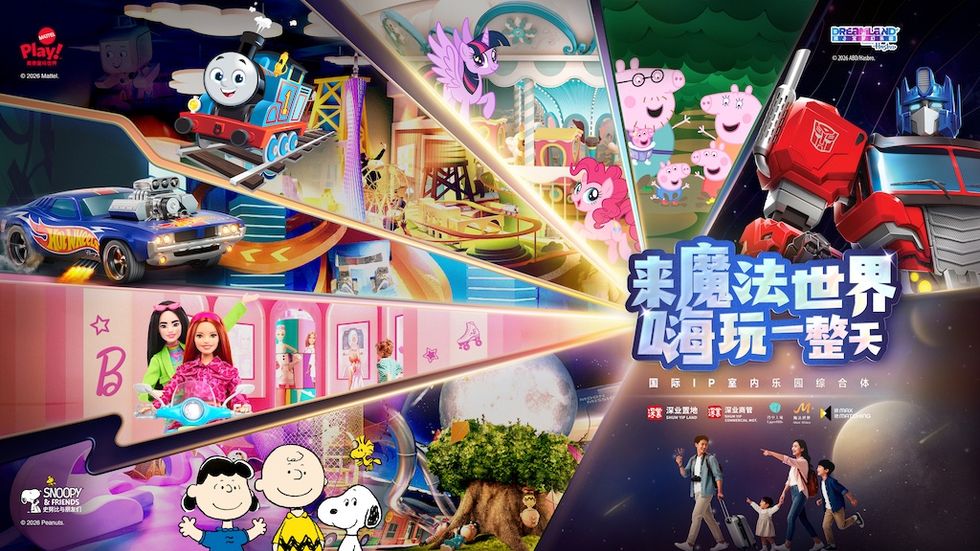
Magic World indoor theme park in Zhongshan, China features much loved brands such as Peppa Pig, Peanuts, Barbie and more
This strategy has now moved from concept to reality as Max-Matching has launched Magic World in Zhongshan, the world's first multi-IP-themed hybrid hotel and theme-attraction complex.
Located at Bayfront Upperhills on Ma’an Island at the anchor point of the Shenzhen-Zhongshan Link, the fully indoor, all-weather destination combines immersive attractions, themed retail, dining, and hotel stays under one roof.
Magic World has three family entertainment centres, three unique dining retail experiences, and 91 themed hotel rooms starring Barbie, Thomas & Friends, and Hot Wheels.
It also brings many of the world’s firsts to Zhongshan, including Mattel Play! Hotel, the world’s largest full-size Optimus Prime animatronic, the world’s first Peanuts family entertainment centre, the world’s first WildBrain Garden, and the world’s first Crayola Creativity Store.
As part of the 100,000-square-metre Bayfront Upperhills commercial street, the Magic World is positioned as a new lifestyle and tourism landmark for Zhongshan and the wider Greater Bay Area, which is within an hour of Shenzhen, Hong Kong, Macau and Zhuhai.
More projects to come
Linn shares that Crayola's global-first Crayola Creativity Store at Magic World will be followed by additional Crayola LBE openings "in vibrant cities such as Beijing and Shenzhen."
Meanwhile, Hasbro is rolling out what Chan calls a "dual-track approach," expanding via "scalable multi-IP formats like FECs, touring live shows and exhibitions for rapid growth, alongside flagship destination projects such as Peppa Pig theme parks and Hasbro Resorts."
“In the past, a major entertainment company might open one FEC every three years,” Zhao says. “For us, even the smallest project may combine three or more elements: FEC, themed dining, retail and themed hotel.”
This creates a different business model. A community FEC may serve a local catchment. A clustered IP destination can reach a city, a province, or, with sufficient network scale, a national audience.
Max-Matching has started designing or building about 10 FECs, one outdoor park, several themed F&B concepts, and hundreds of IP-themed hotel rooms over the past two years.
In the next five years, it plans to expand to around 15 Chinese cities, with nearly five outdoor parks, dozens of FEC projects, plus themed hotels, restaurants, retail stores, education centres, and other formats.
It is also exploring Southeast Asian markets, including Singapore, Indonesia, and Thailand, while primarily focusing on mainland China, Hong Kong, and Macau.
Managing regional strategy and avoiding cannibalisation
Max-Matching manages regional deployment carefully to ensure each project complements rather than competes with others. Outdoor parks typically operate at a provincial scale, while indoor FECs are designed for city-level catchments.
The goal is to build a network of differentiated destinations rather than duplicate concepts. Zhao explains that the company aims to ensure each destination offers a distinct experience.

(From left) Natalie Chan, head of live entertainment, Asia Pacific, Hasbro; Ivan Franco, vice president of export markets, China and Asia Pacific, Mattel; Able Lim, general manager, Asia Pacific, Max-Matching; Zhang Yanbin, Head of Shum Yip Group; Craig Herman, vice president of global brand experience and publishing, Peanuts; and Evi Sari, vice president of global live entertainment, WildBrain
This explains why Max-Matching requires a matrix rather than a single IP. A city may host Hasbro, Mattel, Peanuts and WildBrain-related experiences, while a nearby market may host Sesame Street and Crayola.
The target audiences may overlap, but the offers are sufficiently different to support repeat visitation and cross-selling.
Design differentiation is key. Max-Matching ensures that even when the same IP is used across cities, guest experiences differ. Zhao states the company may use different design teams in each city to create unique journeys in Beijing, Shanghai, and Shenzhen.
This needs higher initial design investment but encourages repeat visits.
A family that visits one Hasbro or Crayola destination still has a reason to visit another. Once Max-Matching’s network grows, linked tickets, regional discounts, and cross-promotions can boost second and third visits.
Adding the show layer with RWS
Another important part of Max-Matching’s strategy is integrating live entertainment, performance and theatrical storytelling.
Max-Matching and RWS Global have established a joint venture, Meishi Culture, to develop theatre entertainment, sports events, sea-based experiences and other live experience formats in China. Zhao sees live entertainment as a core component of modern LBE rather than an add-on.
The relationship began with RWS’s acquisition of JRA, one of the best-known design companies in the global themed entertainment industry. The partnership quickly expanded because both sides shared a similar view of the market.
An LBE project, Zhao argues, can't rely solely on attractive design. It must include interactive play, performance, and emotional engagement to convert visitor presence into additional spending on F&B, retail, and merchandise, as well as repeat visits.
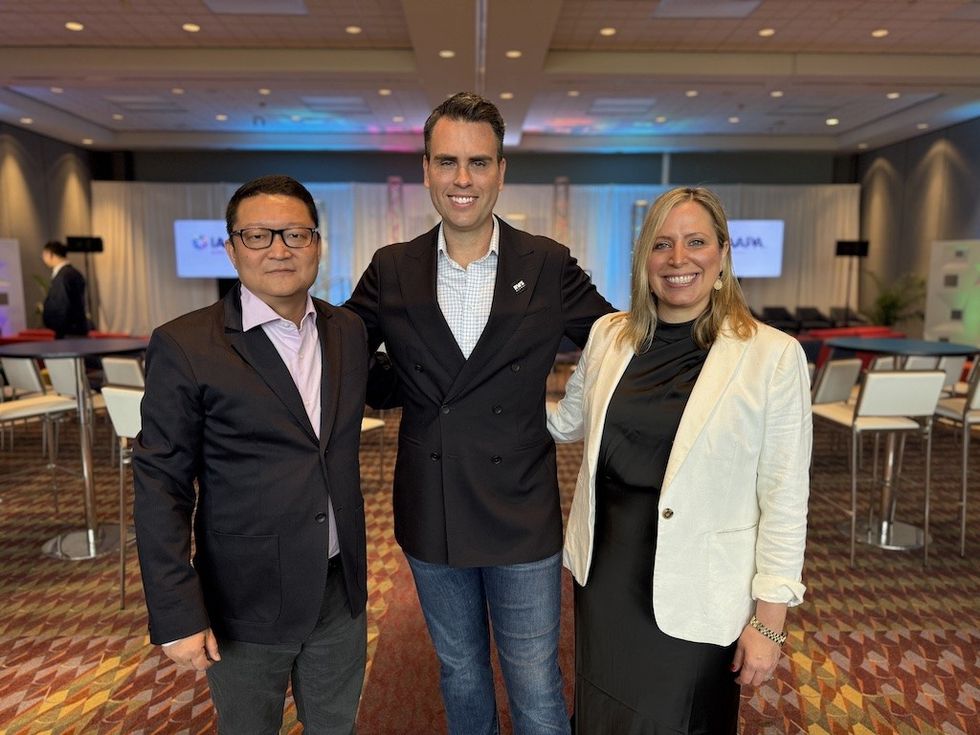
Zhao, left, with RWS Global's CEO Ryan Stana, middle, and chief growth officer Veronica Hart
Image courtesy of RWS
RWS offers expertise in design, live entertainment, major events, cruise entertainment, sports activations, and show production. These skills support Max-Matching’s goal to develop broader IP clusters and destination experiences.
In China, the two companies now collaborate on Max-Matching projects, independent IP family shows, parent-child theatre, themed cruises, outdoor park performances, events, and festivals.
For Zhao, this performance layer is becoming essential.
As Chinese consumers shift from ride-led attractions to immersive, interactive experiences, live entertainment becomes part of the product architecture. Performance can appear in theatres, restaurants, cafés, ice cream shops, retail environments or outdoor public spaces.
If the IP has sufficient content depth, it can support theatrical interpretation across many points of the visit.
“These are all new types of play and new scenes that we are developing together with RWS,” he says.
The next phase of China’s IP-led destinations
Zhao expects continued growth in mid-scale and indoor formats, particularly as developers look to activate existing commercial spaces.
IP-led experiences are increasingly being used as tools for destination renewal, tourism development, and commercial repositioning. Well-designed FEC clusters can serve as anchors for retail, hospitality, and entertainment ecosystems.
In this sense, Max-Matching isn't just about building attractions; it positions IP-led LBE as a tool for commercial regeneration, tourism, and regional growth. A successful project boosts ROI and enhances surrounding dining, retail, hotels, entertainment, and destination value.
Zhao says many landlords and developers now approach Max-Matching directly, looking for a complete development and operating solution, not just IP.
The opportunity is significant, but Zhao’s argument is disciplined. The future belongs to IPs with deep content, recognition, and localisation potential, to operators capable of managing complex portfolios, and to projects that combine storytelling, commercial logic, and long-term quality.
For Max-Matching, the goal is to build that platform in China and then extend it across Asia.
The company’s advantage lies not just in access to IPs but in its ability to organise them into a scalable, differentiated, locally responsive network.
In a market where consumers seek quality, immersion, and value, that may be decisive.
As China’s attractions industry enters its next phase, IP is no longer merely a branding tool. It is becoming an operating system for destinations. Max-Matching is betting that the winners will be those who know how to select, localise, cluster, and run it for the long term.