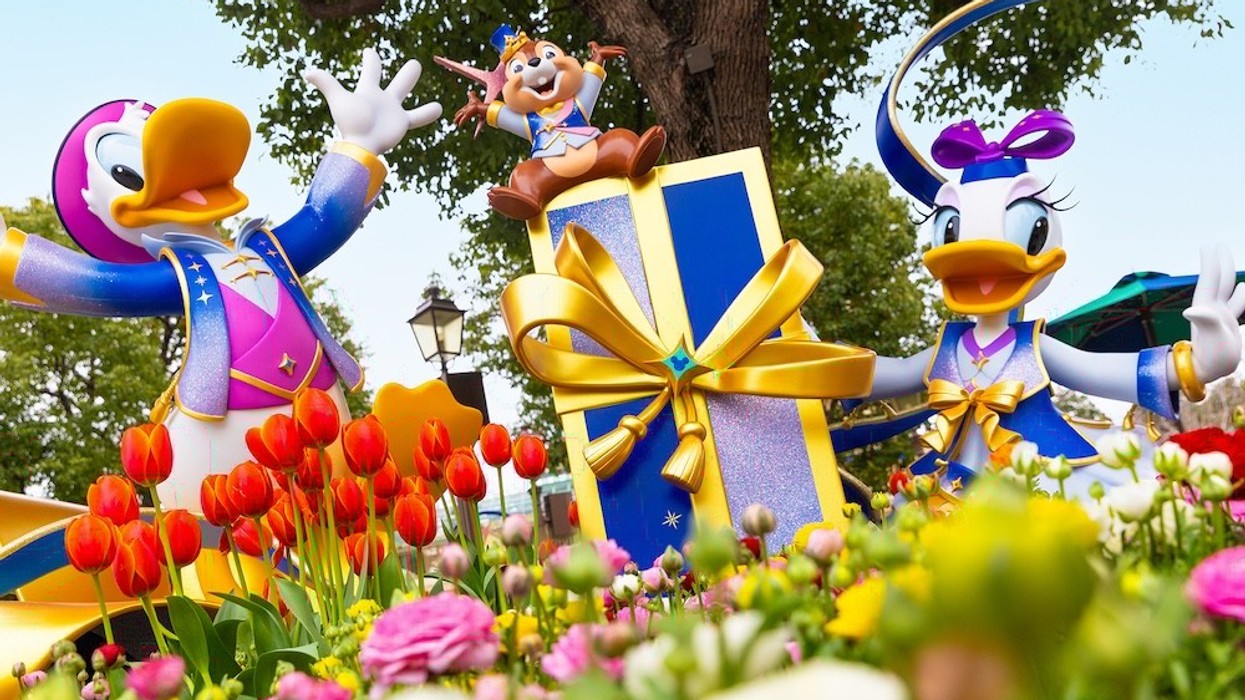

Kay Elliott, destination architect and masterplanner, has shared details of its approach to helping operators in the location-based entertainment (LBE) sector deliver more as they face pressure to raise revenue per guest, improve guest flow, increase dwell times, and demonstrate greater operational resilience, increasingly without major new CapEx.
Many destinations underperform not because of content, theming, or ambition, but because, in LBE, architecture is not just a container; it is the product. When the systems beneath the story don't align, the experience ‘leaks’ value.
This is a systemic performance gap that is notoriously difficult to diagnose through traditional design lenses, the firm says.
After more than two decades embedded inside some of the world’s most complex visitor attractions, Kay Elliott, an employee-owned practice of architects and masterplanners, has observed this pattern recur across markets, types, and regions.
Today, it is formalising that valuable experience into clearer tools and services, making it easier for operators to implement quickly.
Performance is now the differentiator
In a maturing sector, spectacle alone is no longer enough.
Destinations now need to perform across three interconnected levels: emotionally, by considering pacing, comfort, identity, and meaning; operationally, by managing flow, throughput, staffing, and resilience; and commercially, by focusing on revenue per capita and dwell time, and by reducing friction.
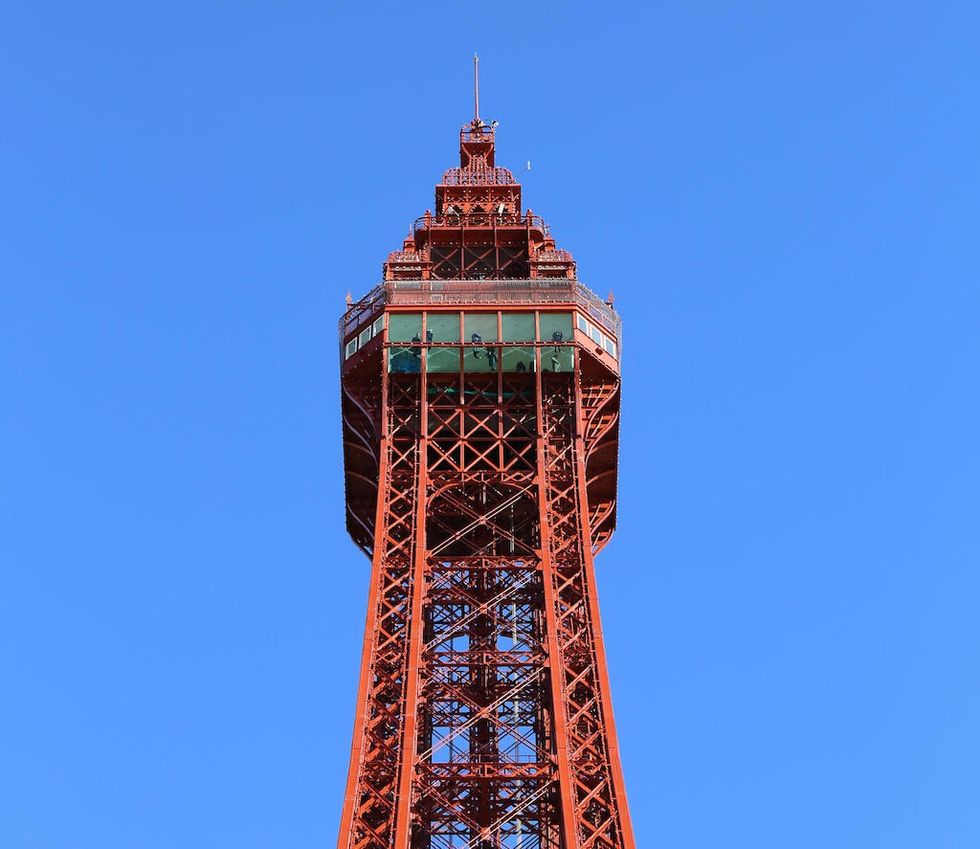
Crucially, guests don’t perceive these as separate parts. Instead, they experience destinations over time as a series of moments shaped by a highly interconnected system. Performance appears (or falters) through the interaction of space, behaviour and operations over time.
Designing that sequence intentionally requires more than creative vision. It demands a deep understanding of live operations, guest behaviour, and built-form delivery, integrated from the outset.
A perspective shaped inside live operations
For much of its history, Kay Elliott worked behind the scenes as a trusted design partner within one of the world’s most demanding attraction operator ecosystems.
This role is not that of a supplier or a detached consultant. Instead, it is about being a high-trust collaborator deeply embedded in live, revenue-critical environments.
From that perspective, the practice gained insights that few design studios see: real throughput mechanics, behavioural patterns, commercial drivers, operational constraints, multi-country variation, and long-term performance impacts, learned not from theory, but through immersion.
Over time, this operational DNA travelled with alumni partners and long-standing collaborators into a broader range of destinations from zoos and aquaria to hotels, stadia, branded IP parks, major hospitality venues, and mixed-use leisure districts.
The result is not narrow specialism, but a rare cross-sector intuition about how destinations genuinely function.
Today, that operational perspective is embedded within a multidisciplinary team skilled in IP-led storyworlds, multi-site rollouts, and narrative placemaking, covering themed attractions, aquaria, stadia, and destination hotels.
This work is routinely delivered within complex, multi-asset environments subject to some of the world’s most demanding planning, heritage, environmental, and operational constraints.
Designing whole destinations, not isolated moments
That depth of operational experience enhances the quality of early decisions. By grounding concept, layout, and sequencing choices in what has already been tested at scale in live, revenue-critical conditions, the practice helps operators avoid early-stage misjudgements that are difficult and costly to correct once a destination is in use.
Kay Elliott’s work extends well beyond overlays or narrative interventions. Collaborating with operators, creatives, and multidisciplinary teams, the practice harmonises experiential vision with the practicalities of design development and implementation.
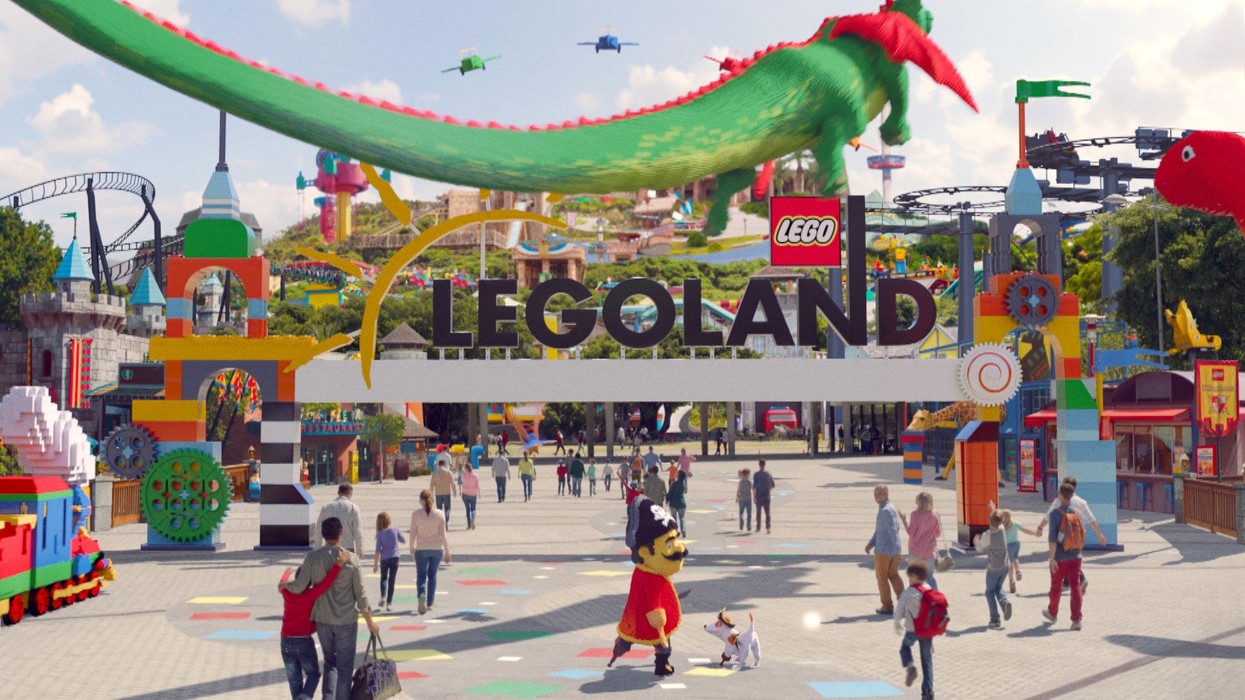
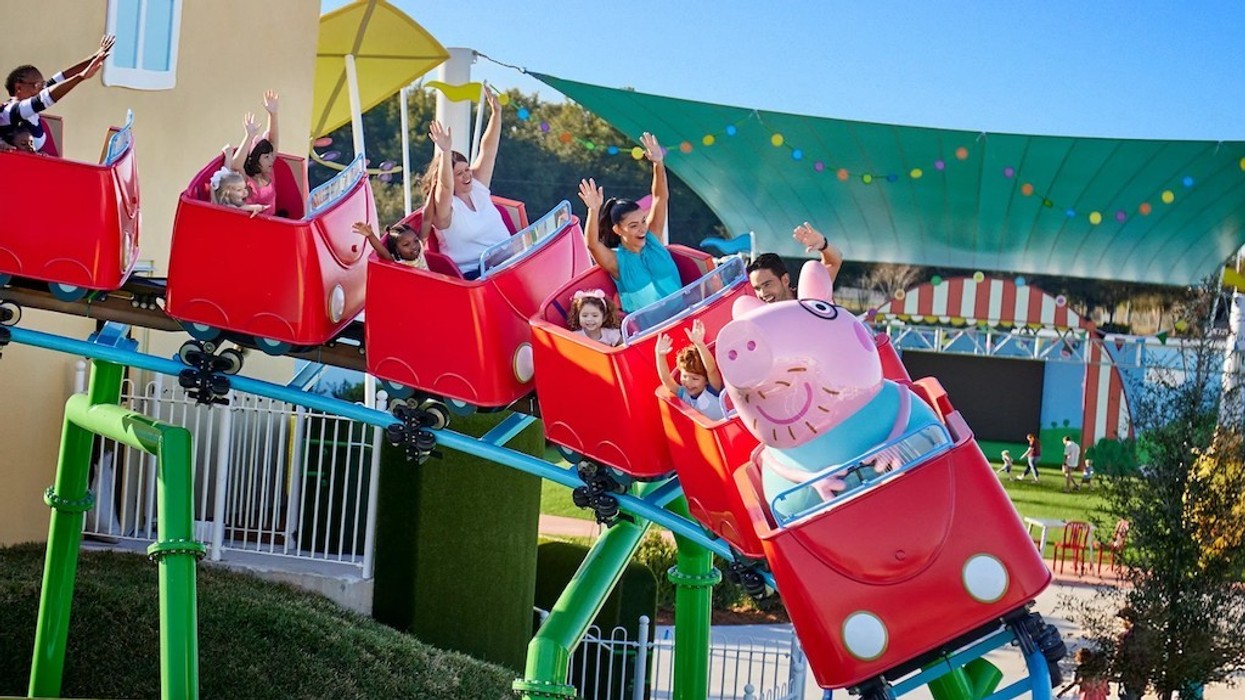
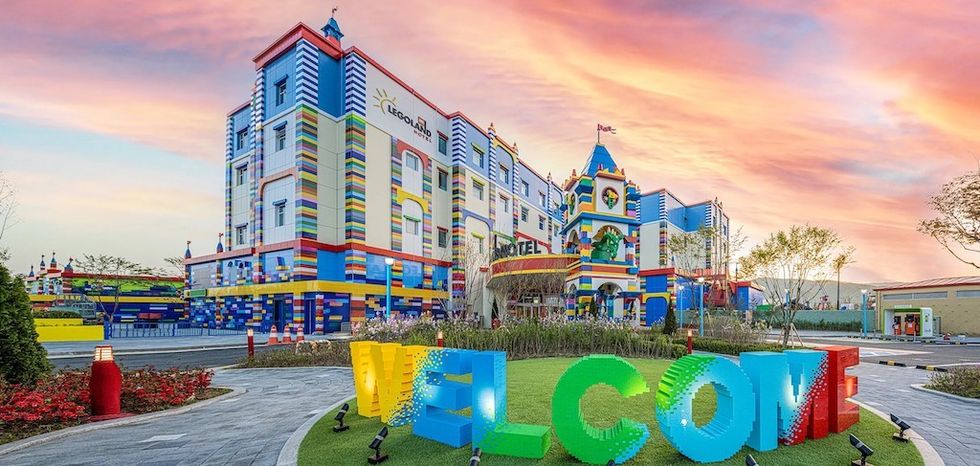
Projects encompass entire destinations, including midway attractions such as Madame Tussauds, Sea Life, Dungeons, and Lego Discovery Centres, as well as branded parks like Peppa Pig Theme Parks, resort hotels and destination hospitality venues such as Legoland Korea and Florida.
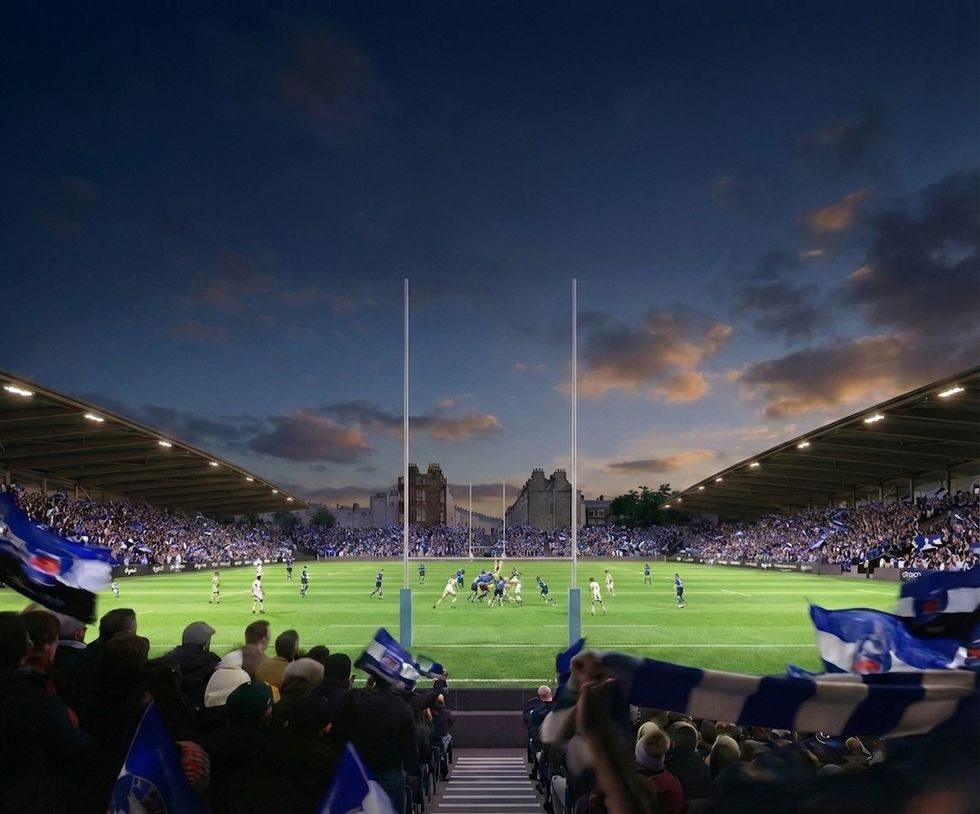
The team also work on stadia and sports venues, including Bath Rugby Stadium and Chester Racecourse. Its expertise further extends to zoo and aquarium masterplans and large-scale, mixed-use leisure districts.
See also: City-centre destinations: Stadium for Bath & the sustainable future of experience-led placemaking
Across all projects, the practice can provide the complete operational architecture: guest flow and spatial sequencing
capacity and throughput modelling, back-of-house planning, accessibility and egress, narrative pacing and placemaking, and front-of-house experience design.
Venues designed by the practice now welcome more than 70 million visitors annually, across 150+ destination projects in over 35 countries.
Nick Varney, former CEO of Merlin Entertainments, says:
“Kay Elliott have been trusted partners on some of the most complex destination projects I have been involved with, ranging from visitor attractions to sports stadiums – securing consent, shaping experience, and helping deliver destinations that perform both operationally and commercially”
Chartered accountability where it matters most
In high-flow, high-risk and highly regulated environments, from stadia and aquaria to heritage and mixed-use districts, trust depends on more than ideas. It requires life-safety, crowd and access design, regulated technical coordination, and professional indemnity-backed architectural responsibility.
Creative studios cannot carry this liability, while consultancies cannot deliver built form.
Kay Elliott integrates both, combining behavioural and systems insight with chartered architectural rigour and accountability. For operators seeking performance without operational or regulatory risk, this combination is decisive, the firm says.
Turning lived experience into repeatable advantage
Drawing on decades of operational insight, the practice is now codifying its approach into scalable methodologies designed to help operators unlock uplift within existing assets and planned expansions.
These include the Destination Flywheel, a dynamic alternative to linear master planning that aligns experience, sustainability, operations, and commercial performance within an agile, iterative model.
Also included is Guest Flow Optimisation, a capacity-led decision discipline that identifies where human time, attention, and energy are failing to convert into value. It then designs and tests low-capital-expenditure interventions to protect and rebalance capacity, improve conversion conditions, and increase revenue per capita within existing assets.
Together, these emerging tools transform intuition into actionable insights, enabling operators to make smarter decisions with greater confidence.
A long-term partner in a trust-based sector
With a legacy dating back almost 50 years, Kay Elliott became an Employee Ownership Trust in 2023. This governance structure is still rare within the destination design sector. For clients, this ensures continuity of expertise, long-term stewardship, and reinvestment into intellectual capital.
In a market rooted in trust, long cycles, and operational risk, employee ownership provides a partner that endures beyond opening day with incentives aligned with long-term performance rather than short-term gains. This governance shift supports a more open, outward-facing role for the practice.
After decades of shaping complex destinations from within, and with a new employee-ownership model, Kay Elliott is stepping forward as a deliberate sector partner in the global experience economy.
The practice exists at the crossroads of architecture, design, and systems thinking — not as separate fields, but as a unified approach to destination performance.
As the industry faces new challenges with operational pressures, changing guest expectations, and increased commercial scrutiny, the goal remains clear, says Kay Elliott: to help operators build destinations that perform — commercially, emotionally, and operationally.
Last year, Kay Elliott presented Immersive Influence, a design framework for enabling values-led, voluntary shifts in behaviour through emotionally resonant, place-based experiences.