From narrative-driven environments to invisible technology and participatory design, we speak with Charcoalblue, a leading theatre, acoustic, and experience design consultancy, to examine the forces shaping the next generation of live, immersive experiences.
What do they require from designers and operators as the sector looks towards 2026 and beyond?

Across theatre, acoustics, and experience consultancy, Charcoalblue has dedicated over twenty years to supporting the design and delivery of live and immersive projects across various industries and sizes, ranging from large-scale cruise ships and international destinations to intimate venues and civic spaces.
Projects such as Cirque du Soleil’s OVO, the Sphere, F1 Drive – London, and West End Live are just a small selection from this portfolio, but collectively they highlight broader shifts influencing how live experiences are imagined, delivered, and maintained today.
Viewed from this perspective, four forces consistently arise: narrative immersion, technology as environment, brand participation, and community connection. These themes are reshaping what audiences expect, and what designers and operators must deliver.
Why live matters more than ever
As digital content becomes more seamless, it also becomes more disposable. Algorithm-driven platforms optimise for speed, volume, and familiarity, creating a flow of easy-to-consume, forgettable experiences.
This leads to screen fatigue and emotional numbness, resulting in consistent, recognisable branding blending into ignored background noise.
In contrast, live experiences provide presence, unpredictability, and shared attention that digital channels simply can't replicate.
“When audiences are overwhelmed by constant digital input, their attention dulls, and their appetite for genuine novelty grows,” says Gary Wright, director of Charcoalblue.
“Live environments restore that sense of discovery — engaging the body, the senses, and the social brain in ways no algorithmically-curated feed can match."
"Screen fatigue is widespread. Not only do we experience this as consumers, but we also go to great lengths at Charcoalblue to monitor global audience engagement. Our research suggests that as the fight to satisfy the brain’s craving for novelty continues, physical presence becomes more important than ever.”
The power of live experience lies not only in sensory richness but also in its ability to command attention and engagement. It detaches audiences from digital distractions, fostering emotional engagement. Collective energy turns attendance into a shared cultural experience.
For operators, destinations, and brands, this has tangible economic value. Live experiences consistently encourage longer dwell times, repeat visits, and organic advocacy.
More importantly, they create memories rather than mere impressions. A powerful live moment can embed itself in personal memory, establishing long-term emotional connections that surpass campaigns or digital touchpoints.
From spectacle to storytelling: why audiences crave more
The concept of immersive experiences did not begin with digital technology. Long before the term entered mainstream language, theatre-makers and cultural practitioners were crafting environments that invited audiences to step inside a story.
What has changed is the scale, complexity, and cross-sector adoption of these ideas.
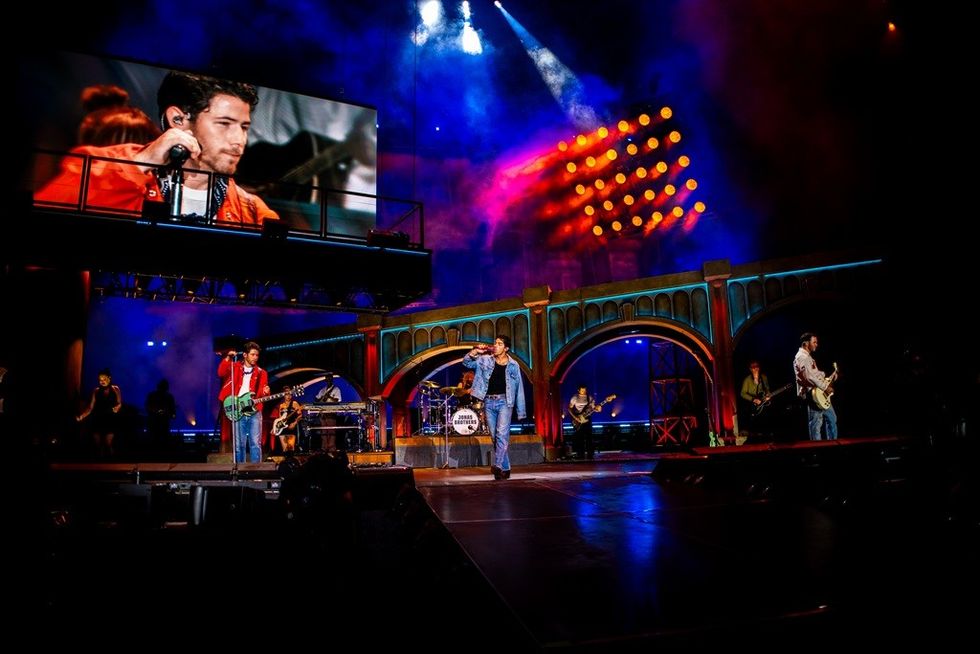
The renewed creation of Cirque du Soleil’s OVO reflects this evolution. Its reimagined scenic world prioritises clarity of storytelling and cohesion, drawing audiences into an environment that feels intentional and alive.
“Rather than relying solely on visual spectacle, the production constructs a layered sensory landscape that supports emotional continuity from start to finish,” says David Millman, associate director at Charcoalblue.
“Blending tech with the unrivalled thrill of live performance, OVO marks a new generation of performance meeting the increasingly demanding consumer needs to be entertained. A magic which captures all, across every generation and culture.”
 Cirque du Soleil's OVO
Similar principles are increasingly evident across immersive exhibitions, destination experiences, and branded environments, even where no explicit narrative is presented. In these contexts, storytelling functions less as plot and more as atmosphere, rhythm, and emotional impact.
Essentially, narrative thinking starts well before an audience enters the space.
When story is regarded as a structural framework rather than merely a decorative layer, it influences early design choices, from spatial planning and circulation to acoustic strategy and technical integration.
Theatre methods, which have long focused on audience perspective, timing, and emotional arc, are increasingly shaping how attractions and destinations are conceived.
As Charcoalblue’s team notes, this shift requires designers to think less like content creators and more like world-builders:
“In theatre, for example, story isn’t something you layer onto a finished space — it’s what determines sightlines, pacing, entrances, exits, and emotional build,” says James Oakley, senior consultant, Charcoalblue.
“The same is true for destinations and attractions: narrative isn’t content, it’s the operating system.”
This influence shows a growing realisation that successful experiences are not just made to be seen but designed to be felt.
Technology as a stage
Technology is now inseparable from live experience design, but its role has evolved. The most engaging environments are not those that visibly display technology, but those where it is integrated so smoothly that audiences respond emotionally rather than analytically.
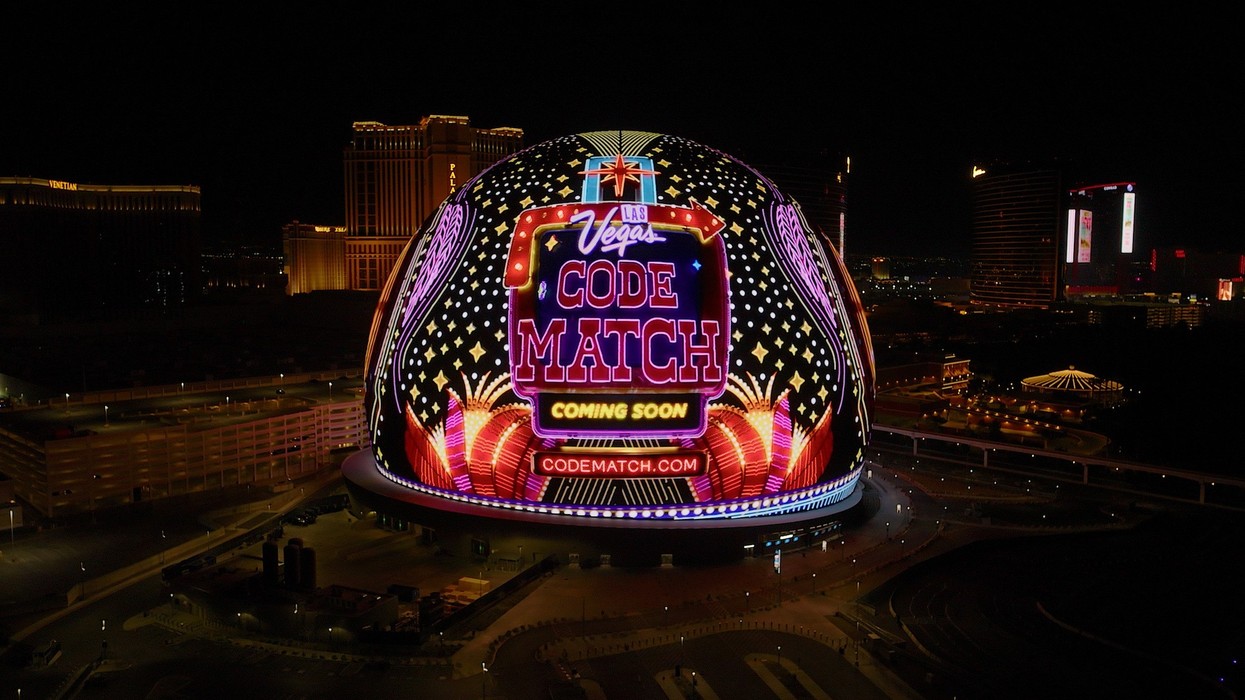
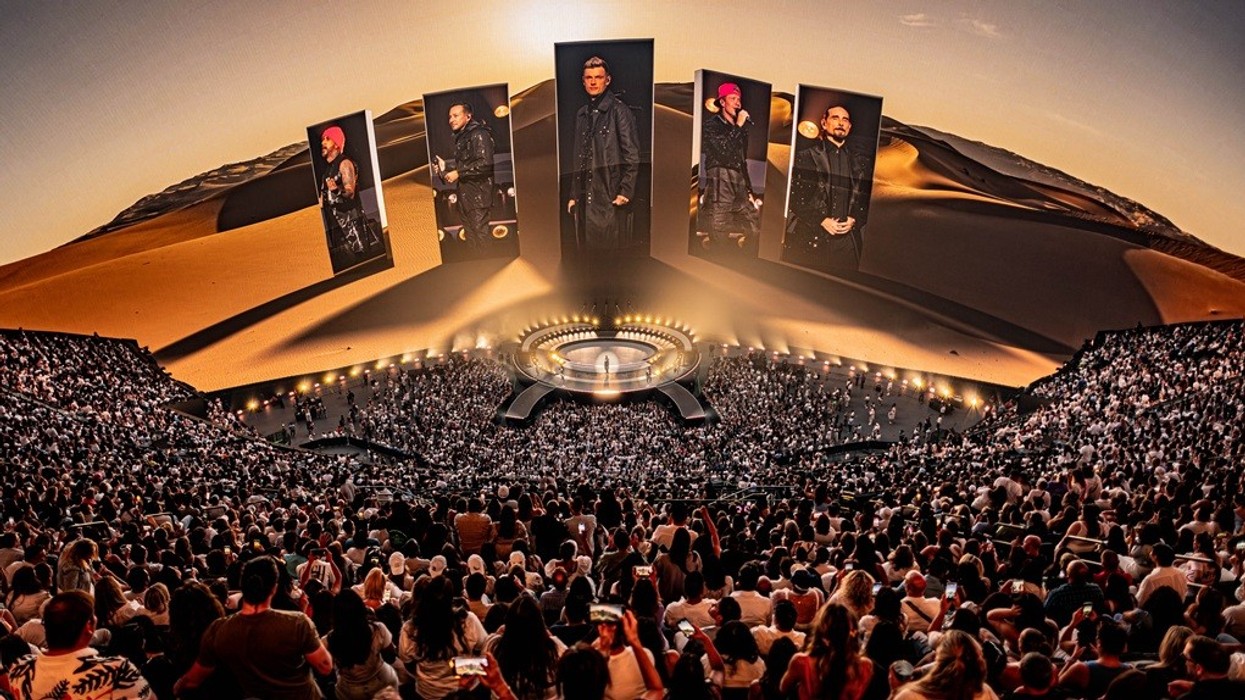
Sphere in Las Vegas is a prime example. As the audio specialist for the venue, Charcoalblue helped deliver its advanced audio playback system ahead of the inaugural U2 concert in 2023.
With highly localised sound, haptic seating, and a fully responsive digital environment, the venue showcases how technology can be integrated into the architecture itself.
 Sphere, Las Vegas
For Charcoalblue’s experience and acoustics teams, the ambition is integration rather than display. Experience design has evolved from showing technology to embedding it:
“Where once the goal was bigger, brighter, louder spectacle, the real ambition today is cohesion — creating environments where audio, visuals, lighting, and interaction operate as one responsive system rather than a series of impressive but disconnected moments,” says Millman.
Today, the sector is shifting towards systems thinking, integrating audio, visual, lighting, and interactive technologies into responsive ecosystems.
“Sound interacts with architecture; visuals respond to movement; lighting enhances emotional rhythm. Together, they all make environments adaptive and lively rather than static,” adds Wright.
Electroacoustic enhancement systems and spatial audio are increasingly important. They let designers shape sound to improve intimacy, clarity, or scale without physical changes.
Adaptive soundscapes respond to occupancy, performance, or audience movement, supporting narrative and maintaining consistent acoustics. When well integrated, these technologies are imperceptible but crucial to the experience.
Designing technology to disappear is more complex than making it visible. Invisible technology requires early integration, cross-disciplinary teamwork, and an understanding of human perception. It must function perfectly across various applications while remaining adaptable over time.
When successful, its value lies in the feelings it evokes: immersion, connection, and emotional impact. Innovation is then judged by these feelings, not visibility.
“When sound, image, and environment are designed as a unified system, technology recedes into the background,” says Millman.
“What remains is feeling: scale, intimacy, tension, release. This is where innovation has its greatest impact.”
Brands as experience creators
Brands are no longer content to occupy space in live environments; they are increasingly responsible for creating them themselves. This shift marks a move away from promotion toward participation.
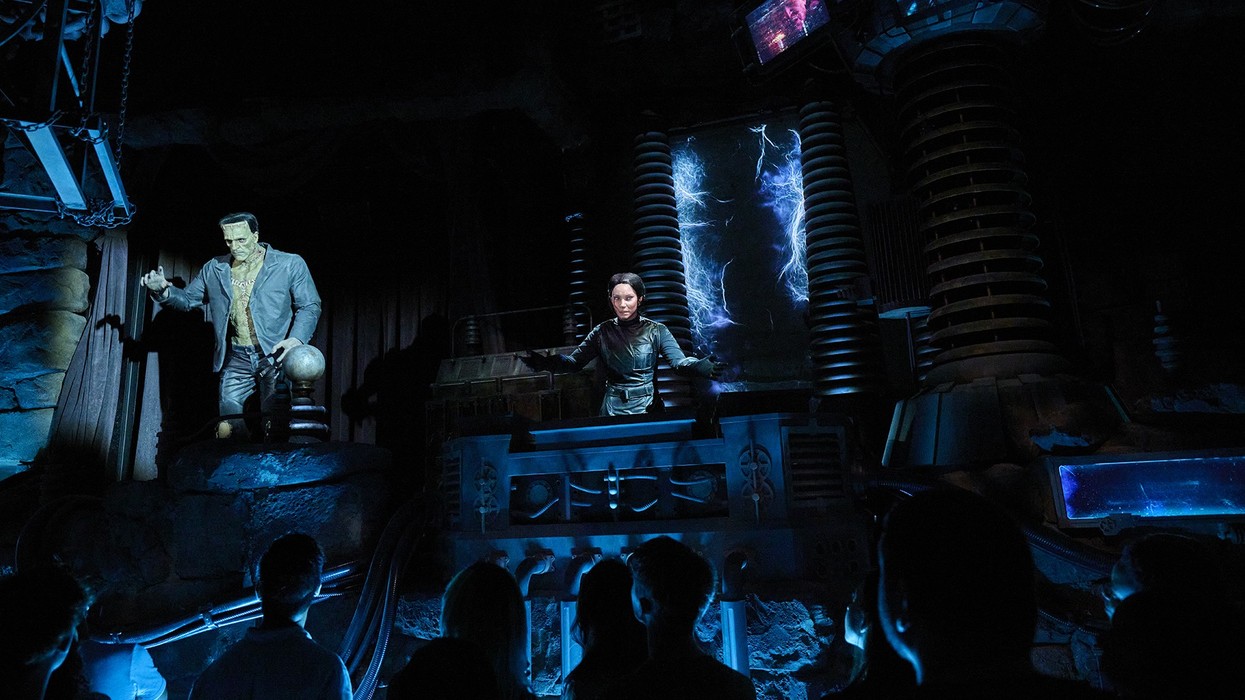
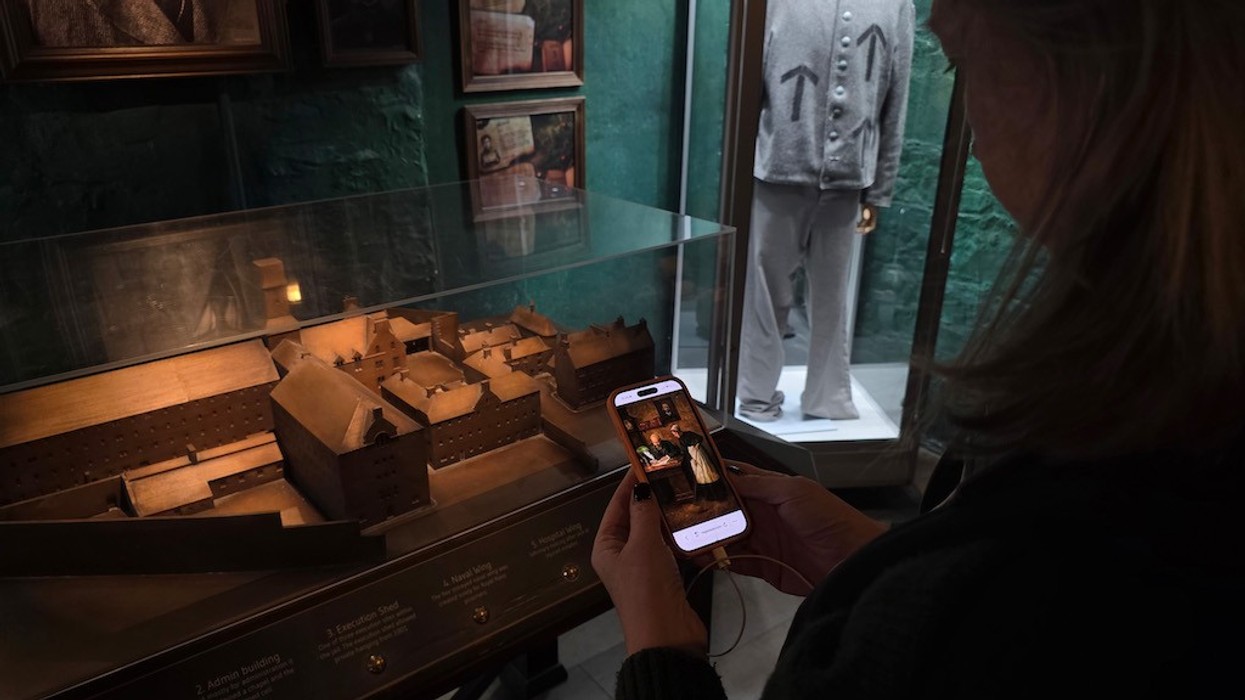
F1 Drive – London, located within Tottenham Hotspur Stadium, illustrates this transformation.
Supported by Charcoalblue’s Experience team from early concept through delivery, and developed in collaboration with partners including Electrosonic, Squint/Opera, Smart Monkeys Inc., and Journey, the attraction brings a global sport to life as a fully participatory experience.
F1 Drive – London
A multi-level track, virtual race engineer, real-time data overlays, and responsive lighting place visitors at the centre of the experience.
“Rather than explaining Formula 1, the environment allows audiences to inhabit it,” says Wright.
“The brand invites consumers closer than ever before, into a high-octane thrill ride which turns a moment into a memory. An emotional connection formed through direct involvement, resulting in deep-rooted impact.”
For brands operating in the live space, this approach has become fundamental. Participation builds belonging, and belonging builds loyalty.
Community at the heart of live experiences
As digital culture continues to fragment attention and interaction, live events remain some of the most powerful ways to foster shared identity.
The most successful experiences today are those that prioritise collective presence; moments where audiences feel part of something greater than themselves.
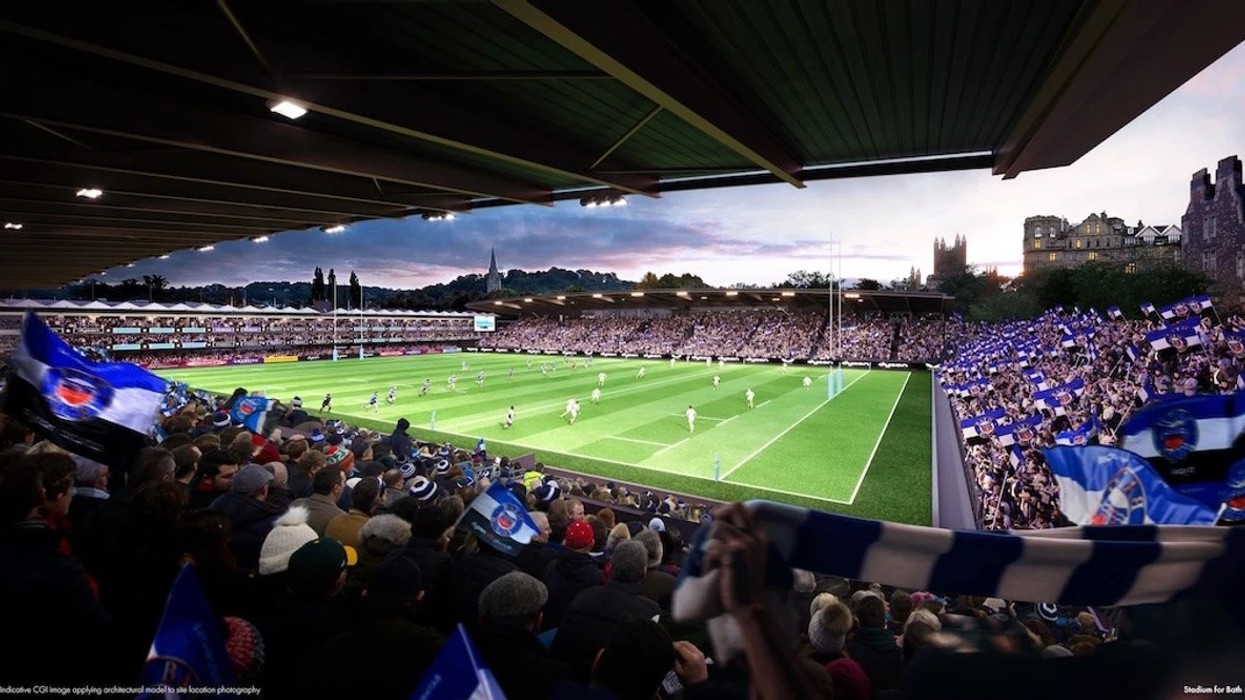
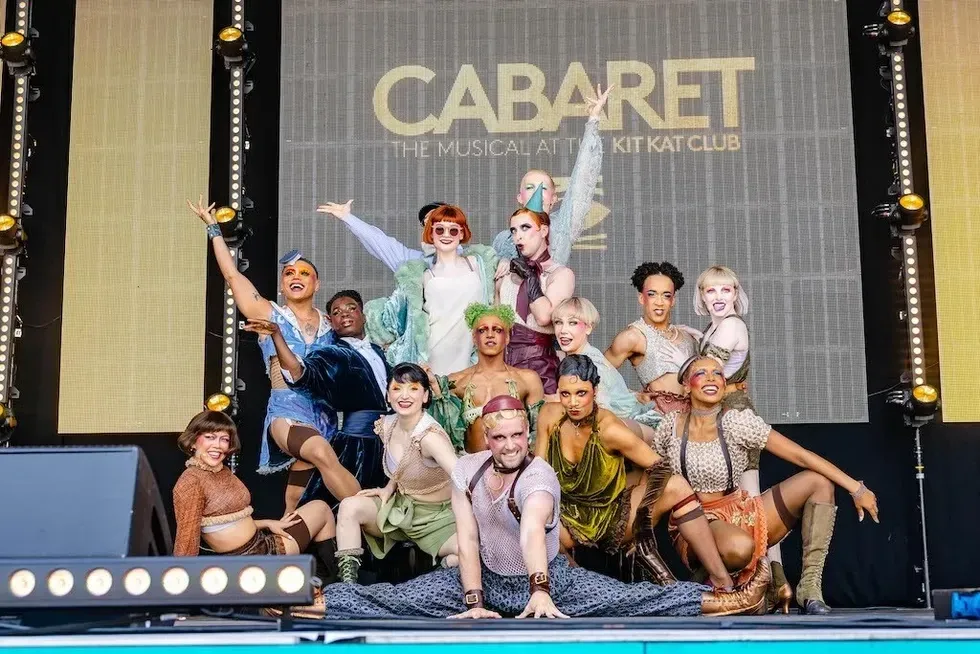
West End Live demonstrates this at scale. Each year, the free public event transforms central London into a shared celebration of performance and creativity, welcoming vast, multi-generational audiences into one of the UK’s most complex public spaces.
As project manager for West End Live, Charcoalblue supports the delivery of an event that must operate at a significant scale while remaining open, accessible, and safe.
 West End Live
Tens of thousands of people move through the site across a single weekend, requiring careful orchestration of crowd flow, sightlines, sound coverage, and live broadcast infrastructure, all within the constraints of a busy city centre that continues to function around it.
“The project demands constant real-time decision-making,” says Oakley. “Crowd density, audience behaviour, weather conditions, and performance schedules are monitored continuously, allowing the event to adapt dynamically to audience needs without disrupting the rhythm or energy of the programme.
“This responsiveness is essential to maintaining both safety and enjoyment at scale.”
Environmental responsibility is also embedded into the event’s delivery. Temporary infrastructure, power use, waste management, and transport logistics are considered holistically, with an increasing focus on reducing environmental impact while sustaining production quality.
Accessibility remains central, ensuring the experience is genuinely inclusive rather than merely symbolic.
The success of West End Live lies not simply in its size, but in its sensitivity to audience behaviour, urban context, and cultural significance.
“It demonstrates that large-scale live events can be both logistically robust and emotionally resonant, creating moments of collective joy without losing sight of responsibility or care,” adds Oakley
The foundations of successful live and immersive experiences
Live experiences are no longer defined solely by spectacle, technology, or scale: they are increasingly judged by the depth of connection they foster.
Narrative immersion, integrated technology, participatory design, and community engagement now form the foundations of successful live environments.
For operators, destinations, and brands, the task is to craft experiences that are emotionally compelling, operationally robust, and culturally significant.
Flexibility, longevity, and audience engagement are no longer optional; they are vital for maintaining influence in an increasingly crowded attention economy.
 F1 Drive – London
“Charcoalblue has always existed to innovate. We are experts in pushing the boundaries of what live experience can be,” says Wright.
“We are not interested in fleeting trends which quickly plateau, but long-lasting impact which stretches above and beyond novelty in new, exciting, but most importantly enduring, ways.”
In a world dominated by digital content, the live moment holds a distinct power. It builds trust, creates memories, and shapes collective identity, generating lasting value that goes well beyond a single event or visit.
Looking ahead, success will belong to those who adopt these principles early, incorporate them throughout design and delivery, and regard every live experience as both a cultural and strategic asset.












 Cirque du Soleil's OVO
 Sphere, Las Vegas
 F1 Drive – London
 West End Live
 F1 Drive – London