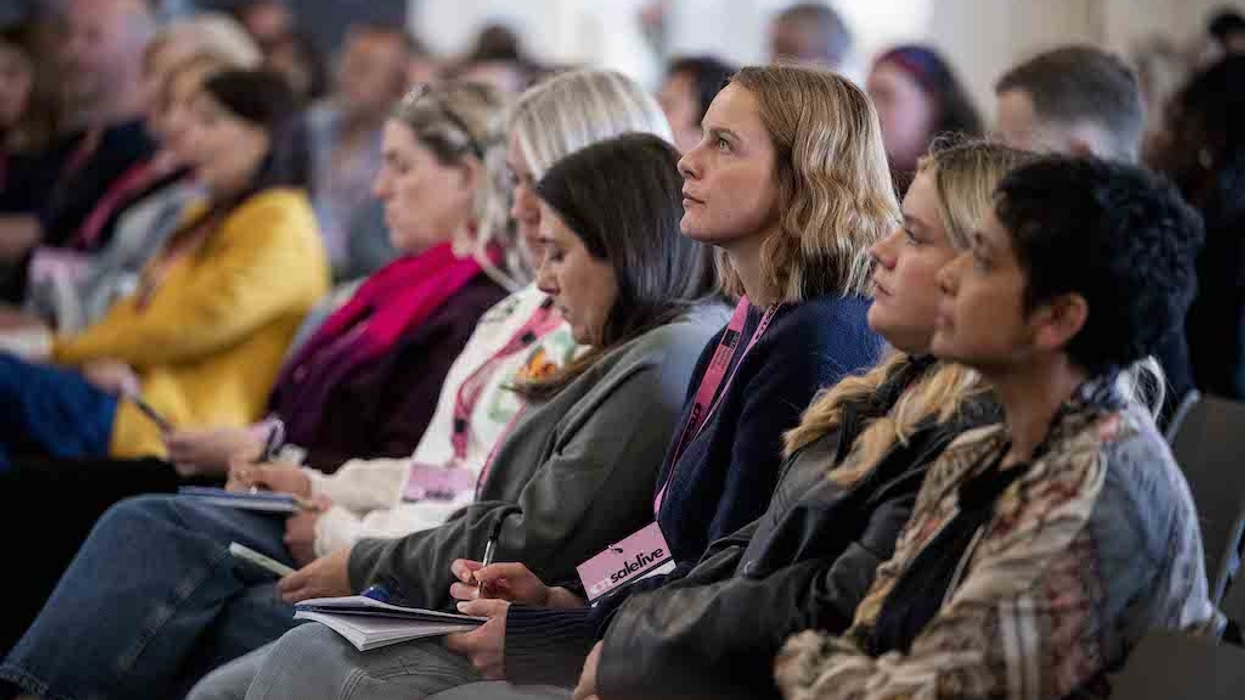
This year’s On Sale Live conference brought together marketeers across the immersive industry to discuss trends and challenges, with a mission. How can we sell more tickets, engage with our audiences, and deliver excellent customer service?
After an intro by On Sale Group’s Dawn Farrow, the day included a series of panels covering topics from utilising fandoms and AEO best practice to marketing the ‘invisible’ nature of immersive experiences.
Here are our 3 key takeaways:
1. AI summaries and influencing trusted sources of media
AEO (answer engine optimisation) is becoming increasingly king, and as such, attractions’ marketing strategy needs to shift to focus less on ranking links (traditional SEO) and more on enabling AI tools to confidently reference their sites.
Dan Titmuss, senior consultant in AI and organic search at Capacity Interactive, suggested that an attraction should review structured FAQs, schema markup, and accessible website content to easily provide answers for visitors who are using LLMs to find information about the attraction.
One easy win Titmuss shared was to do digital spring cleaning. Make sure your attraction info is correct across various online platforms, including Yelp, as LLMs will still pull from it and could confuse visitors.
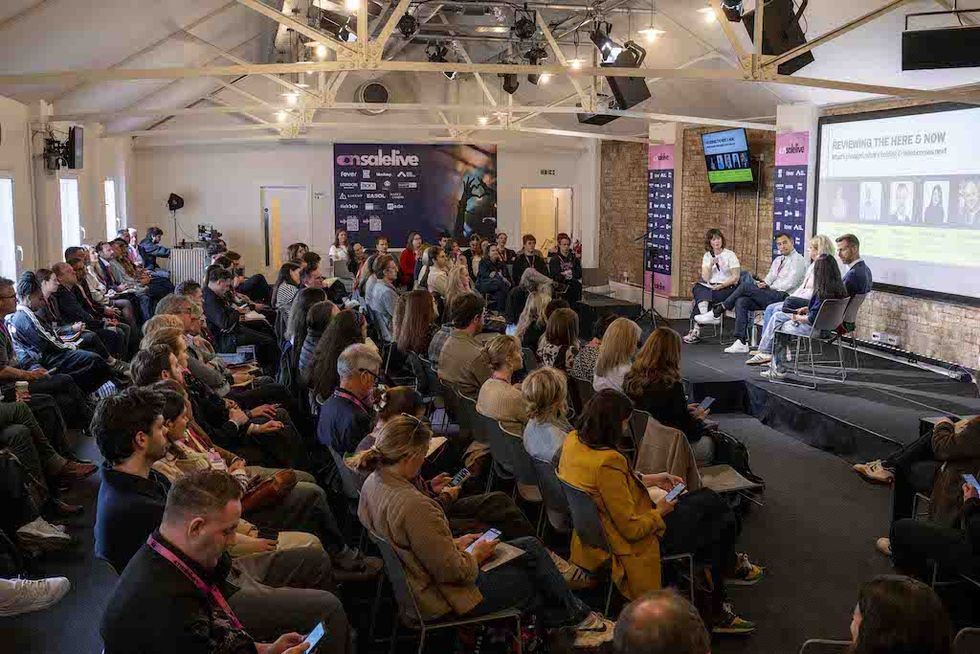 A full house during on of several educational panel discussions at On Sale Live 2026Image credit On Sale Live
There was also a strong warning: if your reviews and sentiment are poor, AI summaries may stop users from ever reaching your website in the first place.
Speakers also stressed the importance of trusted media sources in the AI era, as LLMs increasingly rely on high-authority publications when surfacing information to users.
Reflecting this shift, blooloop was recently named by Muck Rack as a Top 10 UK news publication for AI visibility, with news editor Bea Mitchell ranking among the world’s most-cited journalists in AI summaries.
2. Booking behaviour is splitting in two
A second trend was the collapse of the “middle booker”. Now, audiences are either booking very early, sometimes six months out, or leaving it until the last minute.
“Booking patterns are changing,” said Jon Warren, commercial director, Buyagift/Redletter Days. “We used to get 10% of bookings on the week of, now that is up to 30%.”
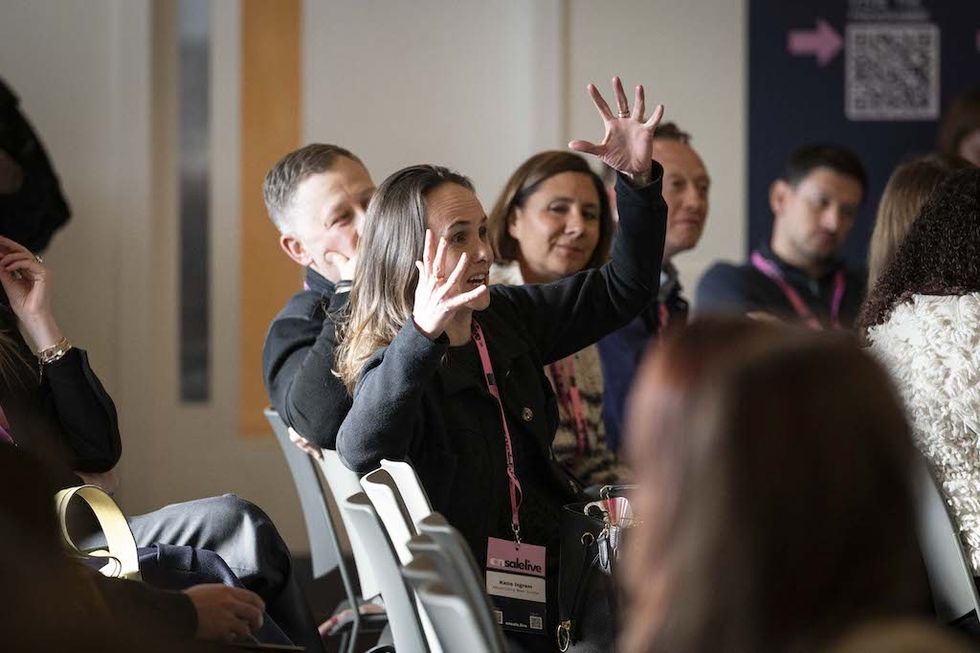 The conference topics sparked lively discussion throughout the day at On Sale Live 2026Image credit On Sale Live
This is challenging for marketers who don’t see a return on their spend until much later in the season.
However, the longer planning window also presents an opportunity to increase per-visitor spend on upsells and bundles. Guests may be willing to spend more on the day, or perhaps forget what they spent 6 months ago.
“People book centred around celebrations, the spend is higher but with fewer bookings,” said Warren.
3. The smartest marketers are focusing on the right audience, not everyone
Another consistent theme was precision over mass appeal. Several speakers pushed back against the idea that every campaign needs universal reach.
Instead, the emphasis is shifting toward finding highly aligned audiences with strong repeat potential, such as within fandoms, niche interests and experience-led communities.
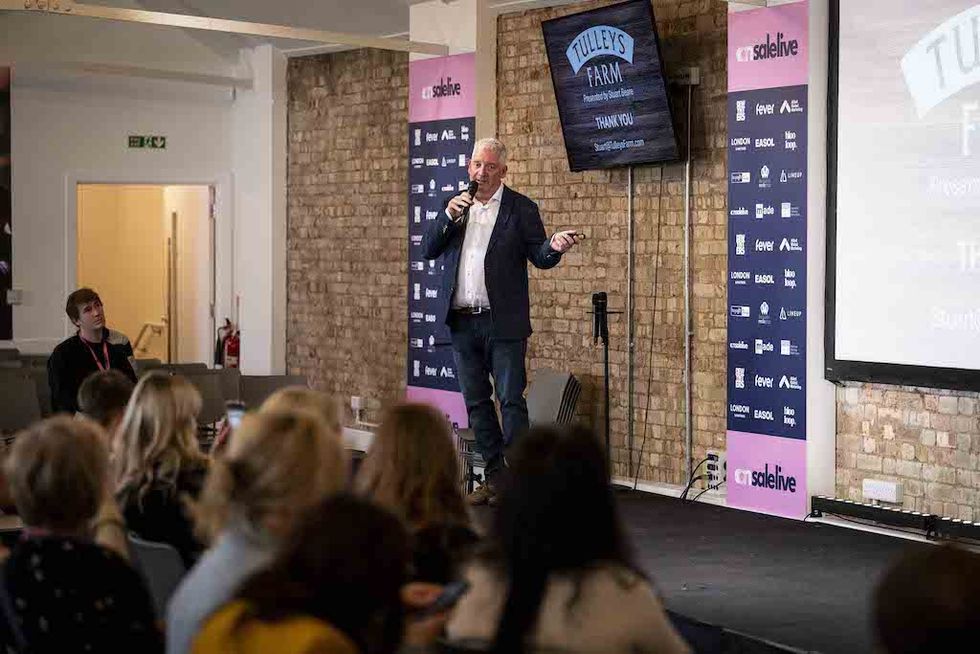 Stuart Beare shared some of the key lessons that Tulley's has learned when it comes to running seasonal eventsImage credit On Sale Live
This difference in product offering is something Tulley’s Farm does very well.
Tulley’s Farm is a family-run farm and entertainment destination in West Sussex that has had great success with its Shocktober Fest, the largest scare event in Europe, and other offerings such as Escape Rooms and Tulip Festivals.
Stuart Beare, owner of Tulley’s, spoke at the event on their strategy for the varied seasonal events. According to Beare, Tully’s original Pumpkin Festival began in the nineties, but really took off as the Harry Potter books fandom swept the UK, and suddenly everyone wanted to celebrate Halloween.
Since the farm has grown to show several festival-scale events a year.
On Sale Live 2026 will return in 2027 for another edition; dates to be announced.