
For centuries, the world’s most important cultural institutions have stood as guardians of collective memory. Our palaces, museums, cathedrals, and historic parks inspire awe; their collections preserve, protect and promote identity.
Their role has remained largely unchanged over the decades. What has changed is how audiences engage with them.
We are living through a structural shift in cultural consumption. Today’s audiences expect frictionless access, digital discovery, emotional resonance, and shareable moments. They move seamlessly between physical and digital worlds, and they increasingly seek experiences that are participatory rather than observational.
For heritage institutions, the challenge is not reinvention; it is connection.
Technology is the bridge.
From preservation to participation
Across the globe, historic spaces are seeing record-breaking attendance.
From national parks in North America to botanical gardens in major metropolitan centres and UNESCO-listed estates in the UK, such as Kew Gardens, cultural institutions are discovering that technology amplifies heritage.
In Spain, Patrimonio Nacional surpassed seven million annual visitors for the second consecutive year in 2025. This milestone reflects not only the enduring relevance of historic sites but also the ways in which modern digital infrastructure is managing demand and enabling access at scale.
In addition to these fixed cultural locations, institutions are using technology to travel across markets in touring formats.
Tutankhamun: The Immersive Exhibition and Ramses and the Pharaohs' Gold: The Exhibition have travelled from Tokyo to London to San Francisco, transporting audiences back in time using a combination of projection, VR technology and original artefacts.
These touring exhibitions are logistical, technological and commercial marvels that bring new life to cultural IPs for young and old alike.
 Tutankhamun: The Immersive Exhibition is endorsed and supported by the Grand Egyptian Museum in Cairo and created in collaboration with Egyptologists and historians Image courtesy of Mance Communications
Digital ticketing systems, forecasting tools, dynamic capacity management, and data-driven audience insights help organisations balance preservation with accessibility. The result is a total transformation of experience for the audience
The experience economy meets historic buildings
Over the past decade, the live entertainment sector has matured into what is now widely referred to as the experience economy. Consumers, and particularly younger generations, consistently prioritise experiences over material goods.
Younger audiences are not abandoning heritage; they are, in fact, rediscovering it through new lenses.
Cultural landmarks are responding to this increase in demand by playing host to carefully curated live content - building emotional connection while preserving architectural integrity.
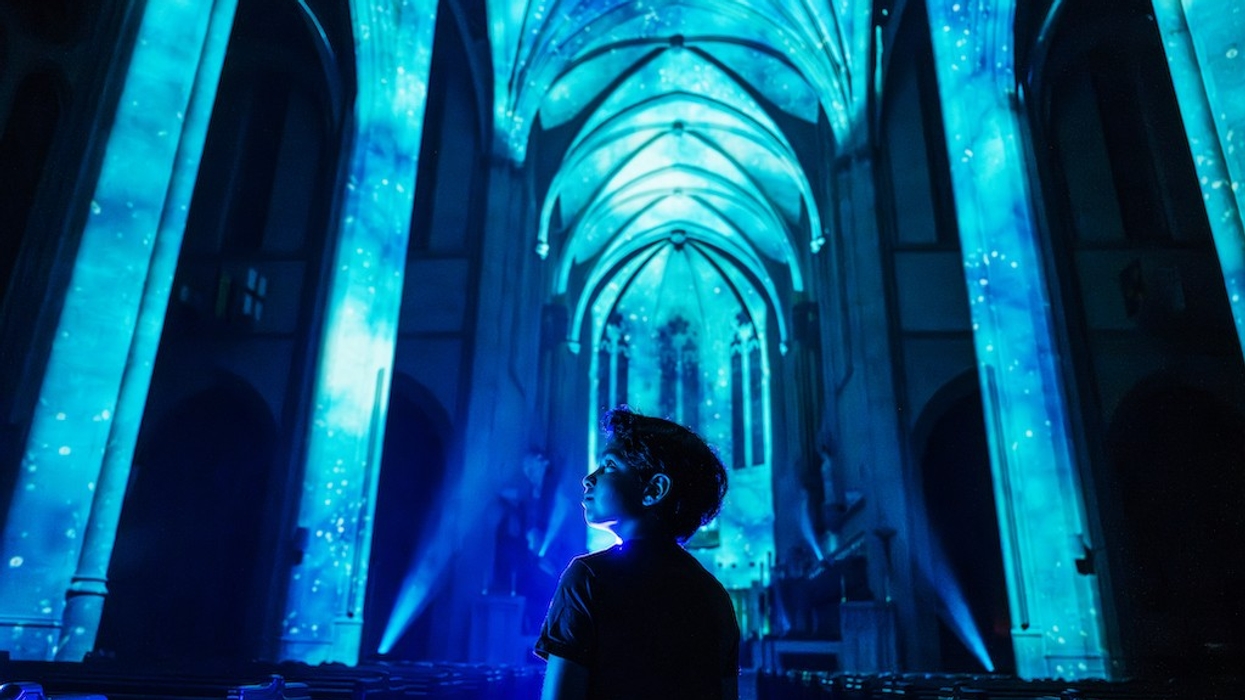
At Aura at Grace Cathedral in San Francisco and Light Cycles at Bosque de Chapultepec in Mexico City, new audiences are getting to experience these historic spaces through innovative experiences, masterfully created by renowned studio Moment Factory.
Data as cultural infrastructure
For institutions with high volumes of visitors, digital infrastructure is key.
Advanced ticketing systems enable timed entry, multilingual purchasing, individualised pricing strategies, integrated access control, and real-time capacity optimisation.
Beyond operational efficiencies, these systems provide insights into where audiences are from, what drives conversion, and how programming impacts return visits. This represents a shift from reactive management to proactive strategy.
Platforms operating at a global scale, such as Fever, are increasingly acting as connective tissue between supply and demand.
Fever’s model demonstrates how technology can extend the reach of historic institutions beyond traditional channels and attract international travellers, younger demographics, and first-time cultural visitors.
Fever’s collaboration with Patrimonio Nacional in Spain is a great example of this shift.
By providing the technological backbone for digital ticketing and access control across multiple royal sites, the partnership supports efficient visitor flow while expanding discoverability.
The result is higher attendance and higher revenues driven by a seamless and inclusive visitor journey.
A global audience for local heritage
The consequence of these changes is a new model for heritage engagement, one that combines preservation with participation, local identity with global reach.
Historic venues are no longer isolated within their geography. Through digital distribution, global marketing networks, and data intelligence, they are positioned within a worldwide ecosystem of cultural discovery.
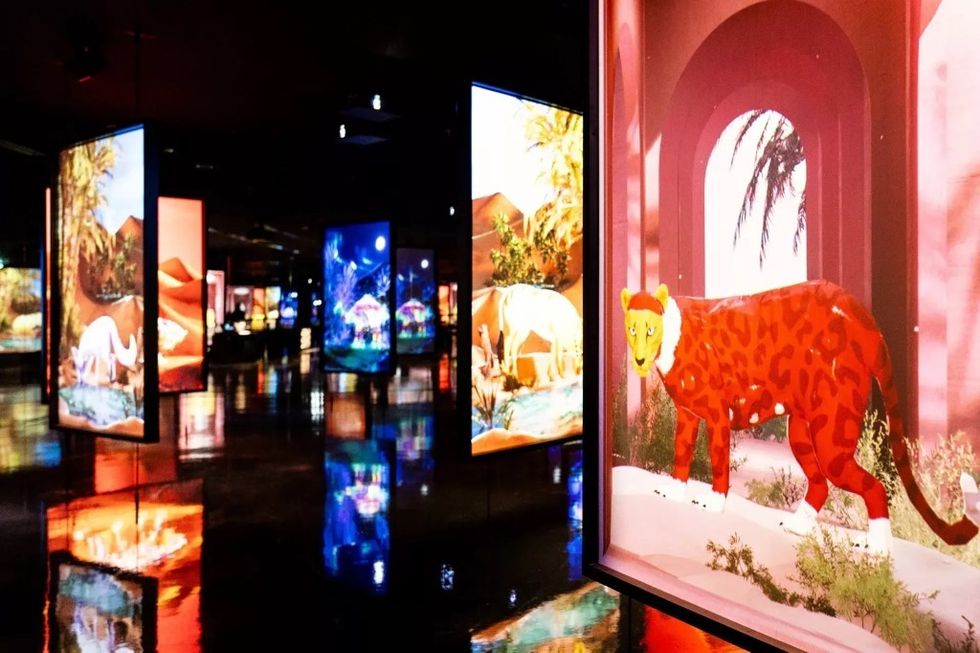 Arte Museum Dubai is one of a new kind of heritage attractions that use tech to attract a wider audience
This is particularly significant for emerging markets and regions investing heavily in cultural tourism.
As cities across Latin America, the Middle East, and Asia-Pacific modernise their heritage infrastructure, scalable technology platforms provide a pathway to attract international audiences without compromising institutional autonomy or mission.
Arte Museum in Dubai, The Defense Collective in Singapore, and The Museum of Narratives in Japan are leading the charge here.
The question is no longer whether technology belongs in heritage spaces. It is how intelligently it can be deployed.
When used responsibly and respectfully, technology becomes invisible — a facilitator of access, a steward of sustainability, and a driver of long-term engagement.
Reframing the role of technology in culture
The most successful examples of this shift share a common philosophy: technology is not the headline. Culture is.
Digital infrastructure ensures that a cathedral can host contemplative audiovisual programming while responsibly managing visitor flow.
It allows a royal palace to accommodate millions annually without sacrificing operational integrity. It enables a botanical garden to extend dwell time and year-round engagement through carefully designed light installations.
The space remains the protagonist. Technology ensures that more people can encounter it — meaningfully, sustainably, and at scale.
As global demand for live experiences continues to accelerate, cultural institutions face a defining opportunity.
By embracing intelligent digital infrastructure, authenticity, and audience-centric programming, they can expand access, strengthen economic resilience, and deepen emotional connection.
Heritage and culture have always evolved alongside society. The institutions that embrace intelligent digital infrastructure today will define how future generations access, value, and sustain culture tomorrow.