
It’s become abundantly clear that, with the European climate heating at more than double the global average rate, there will be challenges to the way we live our lives across the whole continent.
Here in the UK, we have seen a series of heatwaves since June, and most of us will be aware that the UK is on course for its warmest summer on record. July was provisionally the sunniest ever recorded in the UK, and also the driest on record for England and Wales, and the second-warmest July nationally.
Whilst August has eventually seen traditional weather patterns start to reassert themselves, the first weeks of this month have followed suit.
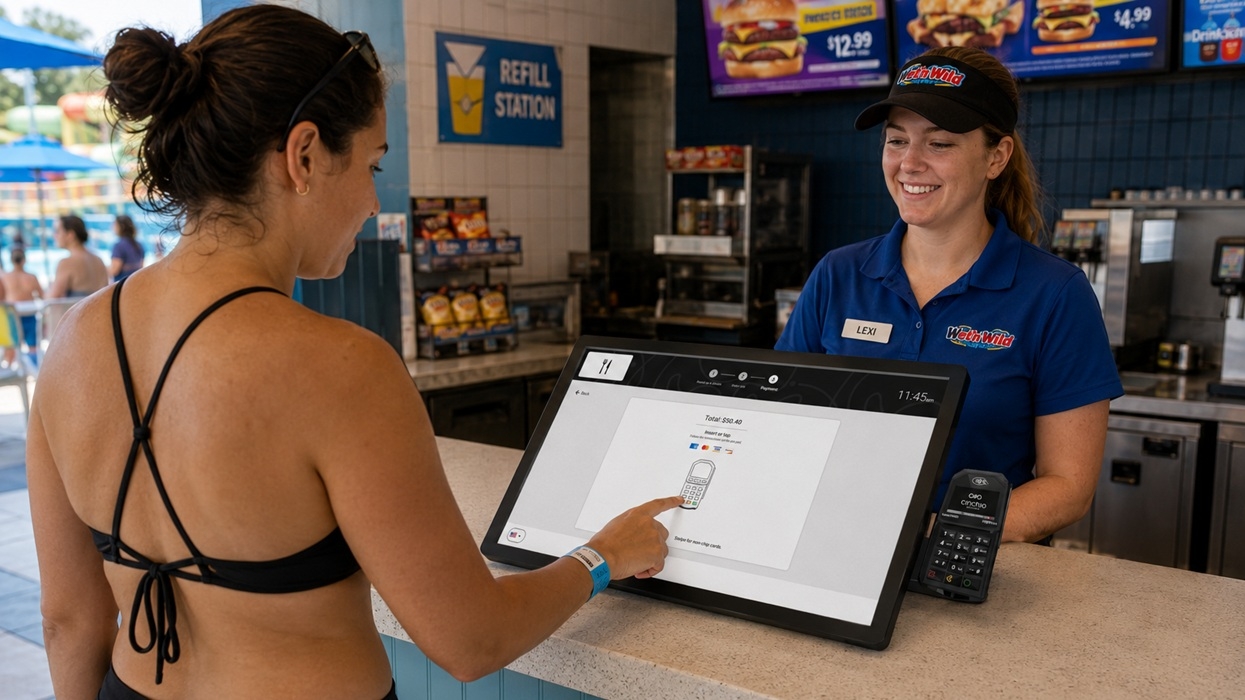
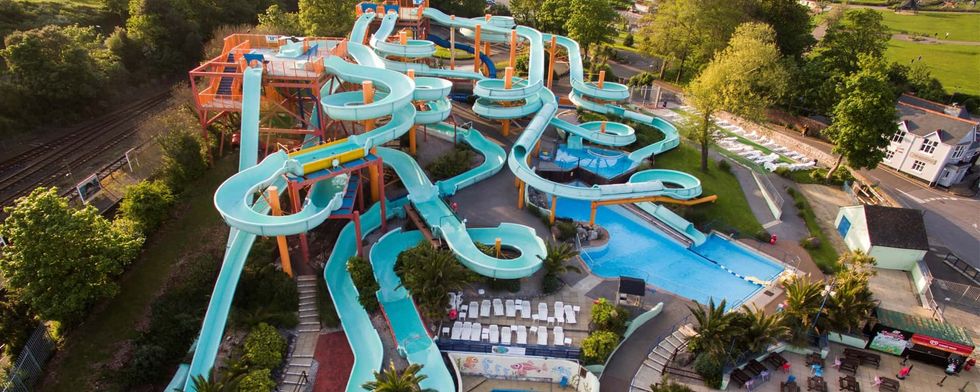 Water parks like Splashdown Quaywest in Devon, the UK's largest outdoor water park, are better positioned for periods of extreme heat Image courtesy of Splashdown Quaywest
As we approach the end of August, it’s timely to reflect on how visits to UK visitor attractions have responded to the extreme summer weather. How has that impacted the visitor attraction sector?
The Association for Cultural Enterprises Commercial Performance Barometer has provided clear sector-wide evidence of a negative impact in June, reporting that, on average, admissions were 5% below June 2025 and year-to-date visits were 3% down.
They also reported significant regional variations, with heat-struck London, the Southeast and the Midlands experiencing approximately 10% declines in cultural admissions during June, substantially worse than Scotland and northern England where numbers held up better.
This strongly suggests that extreme heat itself was suppressing discretionary day visits.
What happened next?
Heatwave winners and losers
Evidence from the market shows that the relationship between sunshine and visitor numbers is complicated, and that the traditional assumption that "good weather in the UK equals good visitor numbers" does not hold up in practice.
As a veteran of operating indoor attractions, I would be quick to agree with that! Instead, the heatwaves of 2026 have produced a polarised market.
Firstly, and unsurprisingly, the principal beneficiaries have been water-based attractions such as lidos like Tinside Lido in Plymouth, outdoor waterparks and swimming venues like Cliff Lakes in Staffordshire; attractions where cooling off is itself part of the experience.
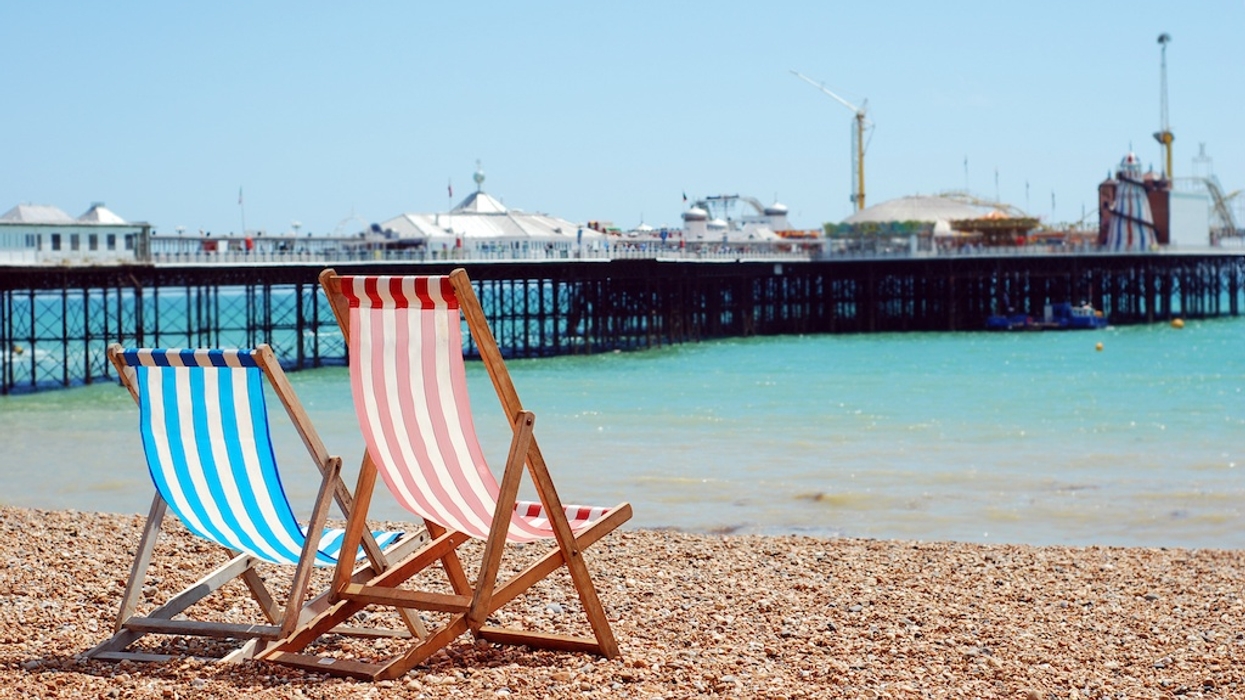
These attractions, and some seaside destinations and their attractions, are better positioned and have benefited from the weather.
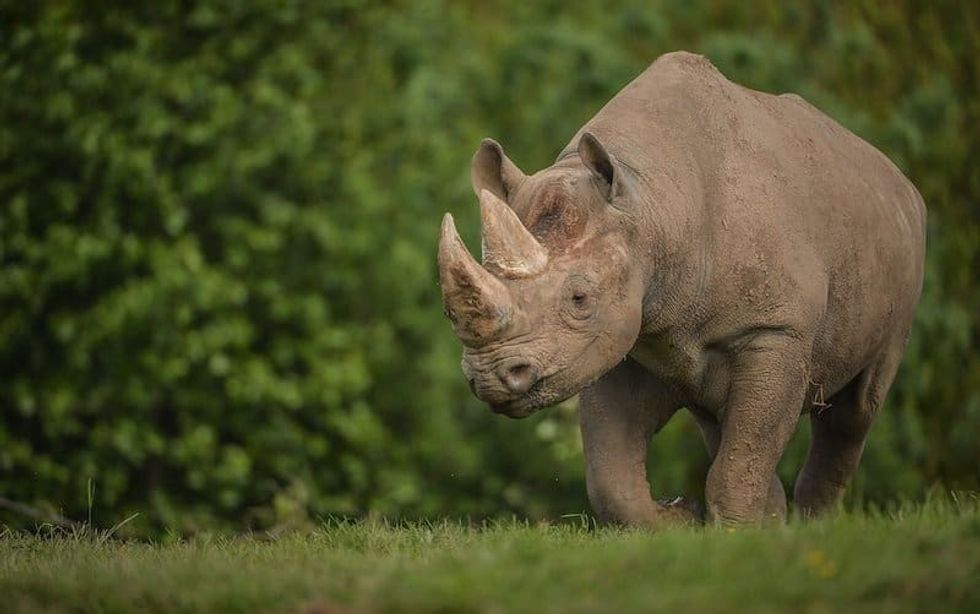 Mainly outdoor attractions, like Chester Zoo, are popular on sunny days, but can see a drop in visitors when it's uncomfortably hot Image courtesy of Chester Zoo
By contrast, the biggest losers in 2026 have been attractions that require people to spend several hours outside without the visitor experience offering significant cooling, water or shade.
Zoos, gardens, heritage estates and outdoor museums are particularly vulnerable once temperatures move beyond the low-to-mid 20s.
Research associated with Chester Zoo indicates that attendance generally increases as temperatures rise, but only up to an optimum of approximately 21°C. Beyond that point, the appeal of spending several hours outdoors declines.
The zoo has also highlighted the impact of adverse weather forecasts on attendance, and Yorkshire Wildlife Park has similarly reported that this factor can reduce visitor numbers by up to 30%.
Beating the heat indoors
Between these extremes are indoor attractions. They can be more resilient, particularly if they offer a cooled environment and visitors can choose to head indoors to escape the heat.
However, the evidence suggests that, overall, simply being indoors is not sufficient to generate additional demand. The Museums Association reported that 55% of museum-sector professionals surveyed said visitor numbers fall when it is hot outside.
Sector evidence suggests that many people simply decide not to make a trip at all when temperatures become excessive.
Some attractions with compelling, time-sensitive programming have nevertheless bucked the trend.
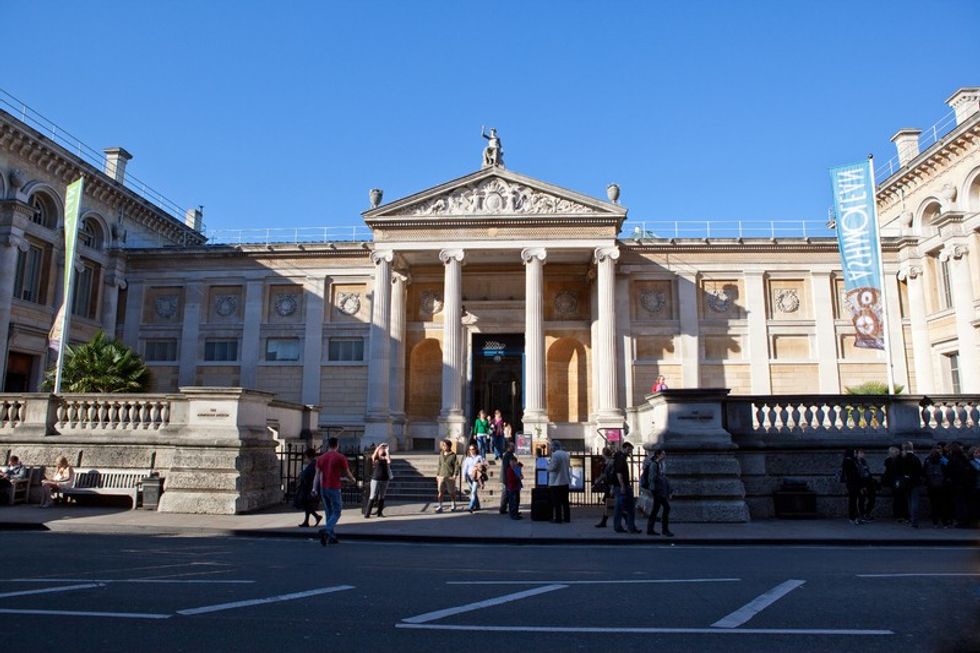 The Ashmolean has reported good visitor numbers this summer, with popular exhibitions and an escape from the heat Image courtesy of The Ashmolean
The Ashmolean, Somerset House and National Museum Cardiff have all reported positive performance which is associated with them staging popular new exhibitions or installations.
The most successful indoor attractions in 2026 have combined comfortable environments with a compelling reason to visit, particularly temporary exhibitions and immersive programming.
What about the future?
The future opportunity is not simply to build attractions that are "all-weather". It is rather to build attractions that are "all-climate".
That means designing the visitor journey around heat, shade, water, and cooling, offering flexible hours, compelling programming and weather-responsive operations.
For new visitor-attraction projects, climate resilience should increasingly be treated as a core component of the business model and feasibility case, rather than as a facilities-management issue to be addressed after the concept has been designed.
Whilst UK operators should look to parts of the world where this kind of summer heat is normal to gain some insight into how to be more resilient, they should be careful about drawing direct conclusions from tourist visitation and behaviour patterns in countries where the culture and lifestyle are already well adapted to these conditions.
It may take a run of years of extreme summer temperatures for behaviours and preferences to change and adapt in the same way in the UK, if indeed they do.
Meanwhile, we can no doubt look forward to the autumn storms and floods!