
Many attraction operators are paying IP holders for access to their characters, stories and assets, with the hope of drawing in big crowds, differentiating themselves from competitors and monetising their offer.
Whether it’s Disney, Bluey or Minecraft, we continue to see significant growth in traditional IP, with guests flocking to spend their time (and money!) with their favourite characters and immerse themselves in worlds they love from TV, films and gaming.
But these aren’t the only brands people love.
Consumer brands are now turning to experiences to connect with their customers
The line between what is thought of as ‘traditional IP’ and other consumer brands (for example, Coca-Cola, Cheetos, or Ikea) is blurring every day. Customers are choosing to buy them, use them, wear clothing emblazoned with their logos and even ‘experience’ them.
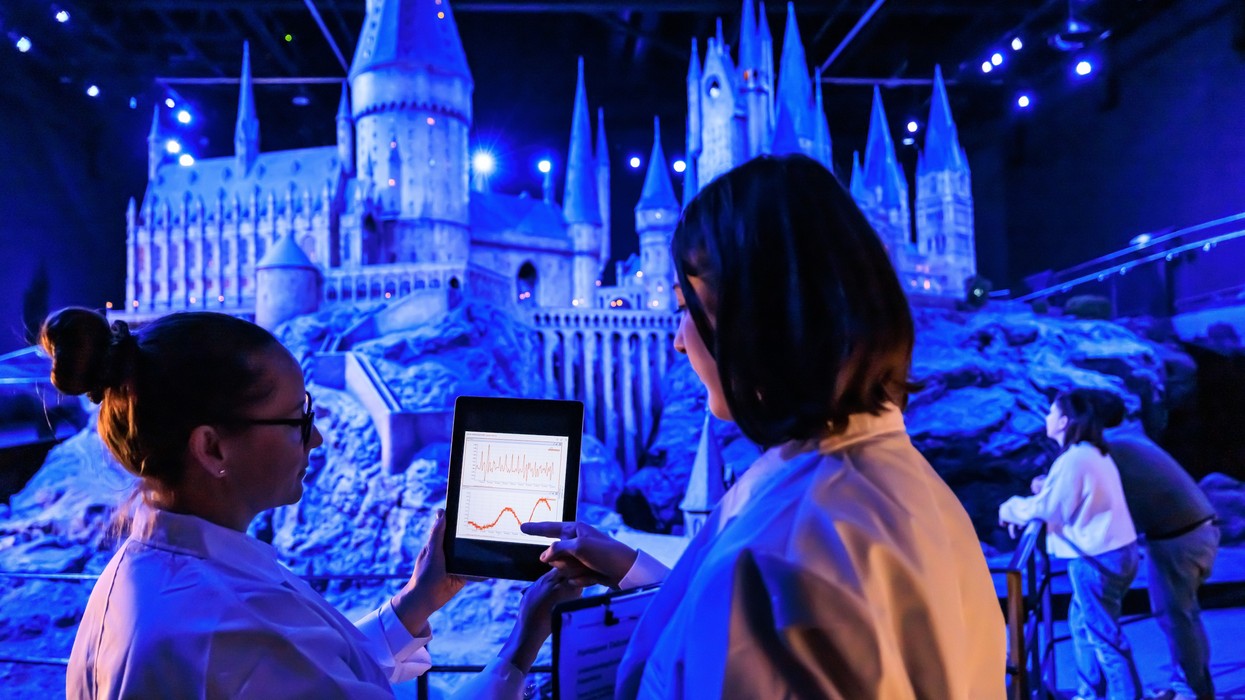
Would a trip to Dublin be complete without the Guinness Storehouse, Edinburgh without the Jonnie Walker Experience – or maybe even a trip to the Volvo Museum in Gothenburg floats your boat?
Every brand has evolving and different challenges. Whether that’s government regulation restricting how they can advertise, or cutting through an ever-fragmented and cluttered media landscape.
So, more than ever, brands also need to think about how to connect differently with their customers (and potential customers). They need to strengthen their brand to win spend, stay relevant and be loved. Enter the attractions sector.
An opportunity for the attractions industry
Whilst ‘brand homes’ (like the Guinness Storehouse) are one way for brands to create a destination, there is also an opportunity for them to show up uniquely and effectively as part of the guest journey at other attractions.
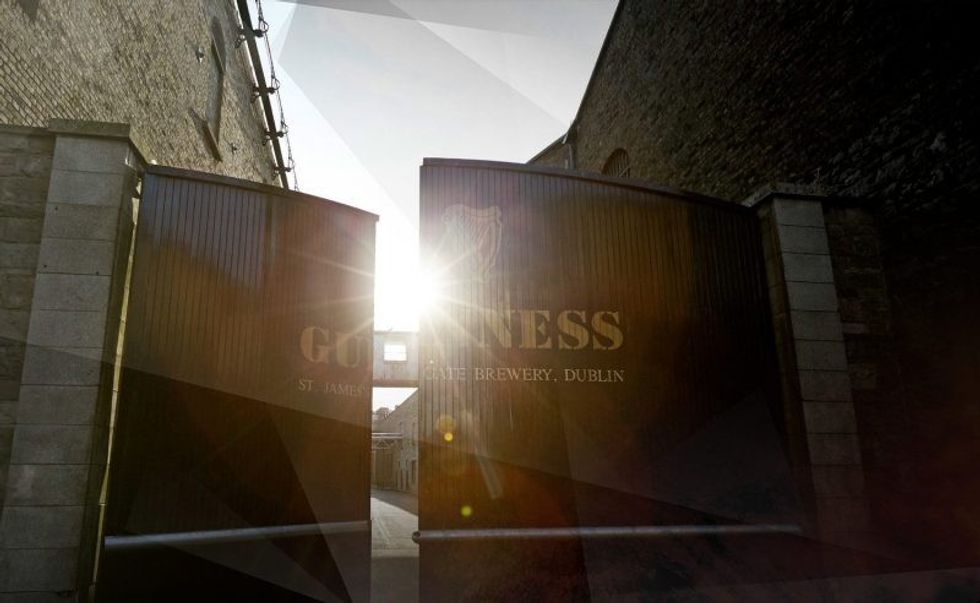 Guinness Storehouse
With a clear brand partnership strategy, attraction operators can develop solutions that unlock value for their attraction, the brand and, importantly, the guest (getting it right for guests turbo-charges the whole value model).
Brand partnerships can, amongst other things, unlock investment, generate revenue, expand access to audiences, help save costs, and drive awareness.
Brand and attraction partnerships aren’t a new concept
Disney and Coca-Cola have been long-standing partners since way before Disneyland opened in California in 1955.
To highlight a few milestones - Coca-Cola sponsored Disney TV specials, financed and provided drinks for the opening of Disneyland, and authentically integrated into F&B and attraction design at Disney Parks.
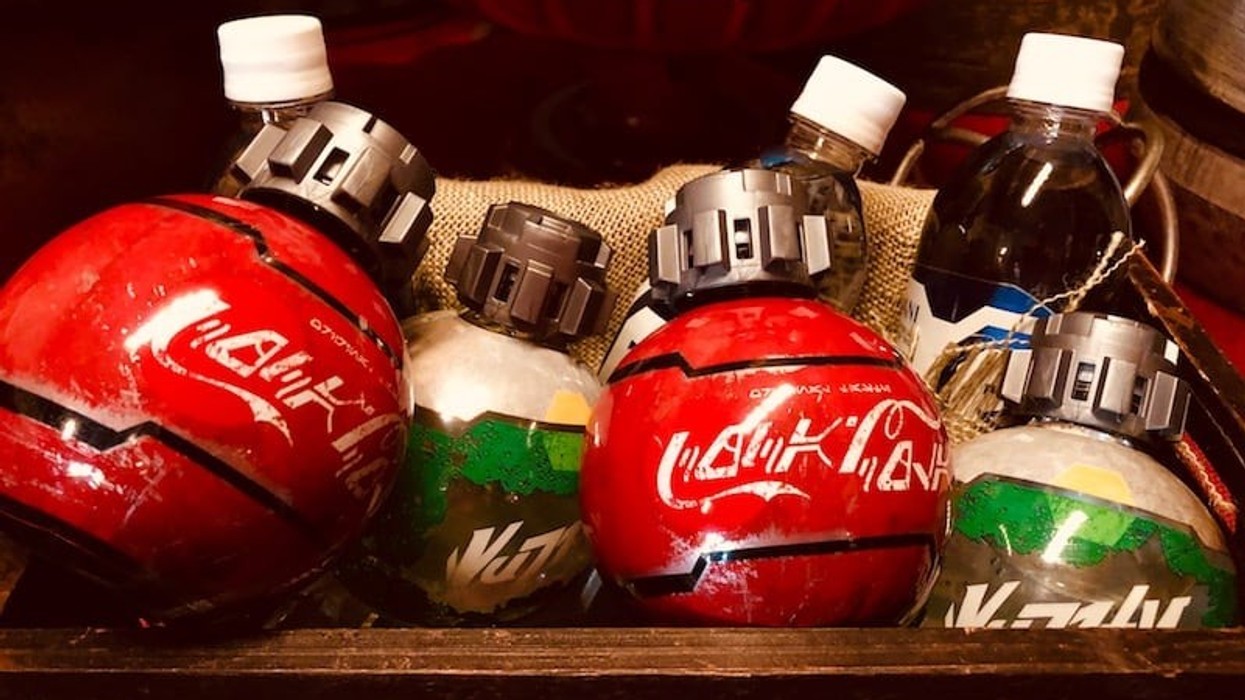
It also collaborated to develop custom-designed bottles for Star Wars: Galaxy’s Edge, and partnered on multiple ‘on-pack’ campaigns to drive product sales, awareness and affinity for Disney Parks.
This list isn’t even scratching the surface, but highlights that value can be created when brand and attraction ecosystems combine effectively.
It doesn’t need to be complex – but it needs to be authentic (and guest-focused)
When the Big One opened at Blackpool Pleasure Beach as the World’s Tallest Roller Coaster in 1994, the naming rights were granted to Pepsi Max.
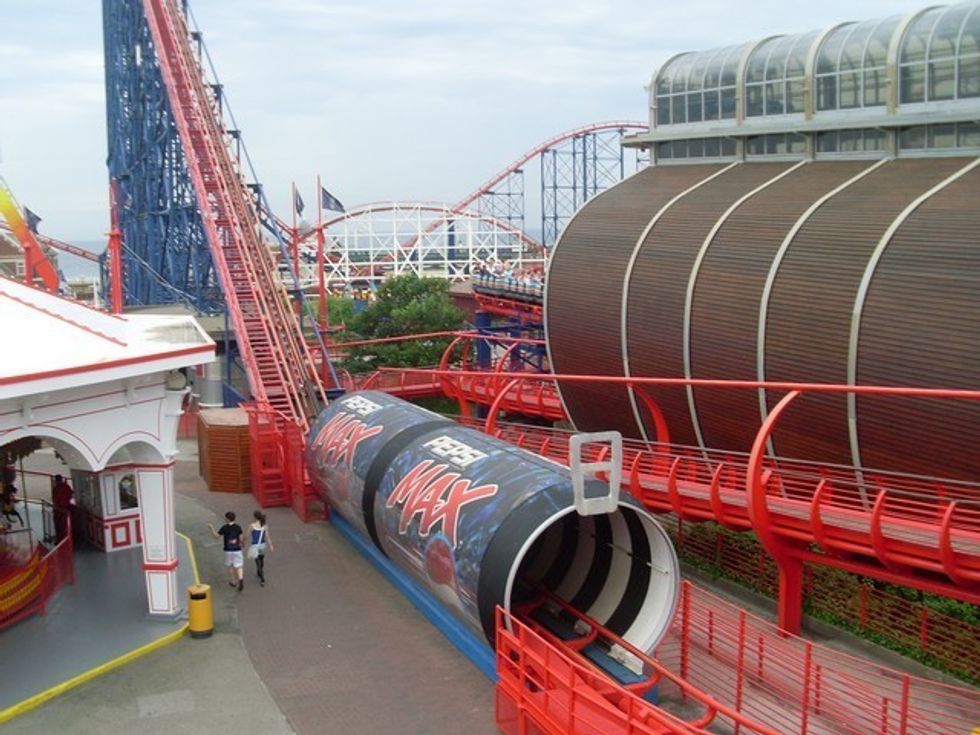 Image credit Stephen Sweeney, CC BY-SA 2.0, via Wikimedia Commons
There was a brand fit - aligning Pepsi Max with its target demographic through a high-visibility, accessible adrenaline-seeking activity. The coaster's name, colour and marketing all featured the cola drink – and guests travelled through 2 Pepsi Max-branded cans before making the 235ft climb out towards the seafront.
And best of all for Pepsi, the ride's name was shortened by most to ‘the Pepsi Max’ and is commonly known as this over 30 years later, long after the deal ended!
This sort of blunt execution is definitely not right for every attraction. Many others have dabbled but faced guest backlash or failed to achieve the desired results.
But it worked for Blackpool. As a traditional seaside amusement park, theming was limited, and guests were generally accepting of corporate branding across the wider Blackpool resort. The deal provided significant investment to make the project a reality.
It’s not all about soft drinks. Starling Bank has partnered with the National Trust in the UK for several years, sharing a mission to ‘improve access to outdoor play and nature’.
Balancing both ESG-based and commercial objectives, Starling has supported the delivery of nature workshops for kids, sponsored ‘Summer of Fun’ events and also offered free passes and kids' meals as a benefit to families who have children’s accounts with the bank.
Multi-faceted partnerships like this can unlock multiple value streams for both the brand and the attraction (and conservation charity in the case of the National Trust).
Partnerships can come in many different shapes and sizes – based on the aims of both organisations
These examples are only scratching the surface.
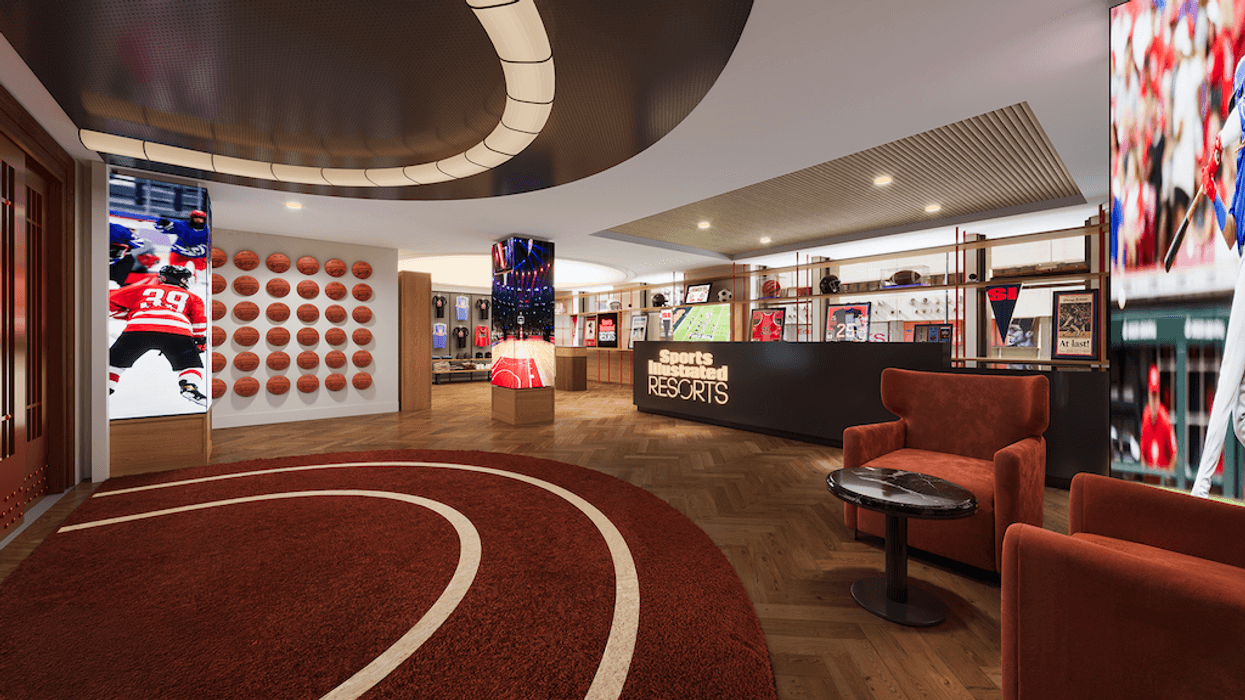
There are great examples in the market from the very tactical to the well-integrated and strategic – from on-pack promotion collaborations to themed hotel rooms, attraction ‘takeovers’ and media and CRM partnerships.
A tailored approach to find commercially sustainable value
The best examples are not just sponsorship or media deals (which can still be effective), but those in which operators have a really clear understanding of how their assets can add value for partners – leveraging both parties' broader ecosystems and audiences.
It’s also important to consider that not all sectors are equal.
As an example, sports event sponsorship is already a huge industry. It plays very differently from many other leisure attractions, though, which may have highly targeted audiences, uncluttered environments, unique locations, and expertise in experience creation and delivery.
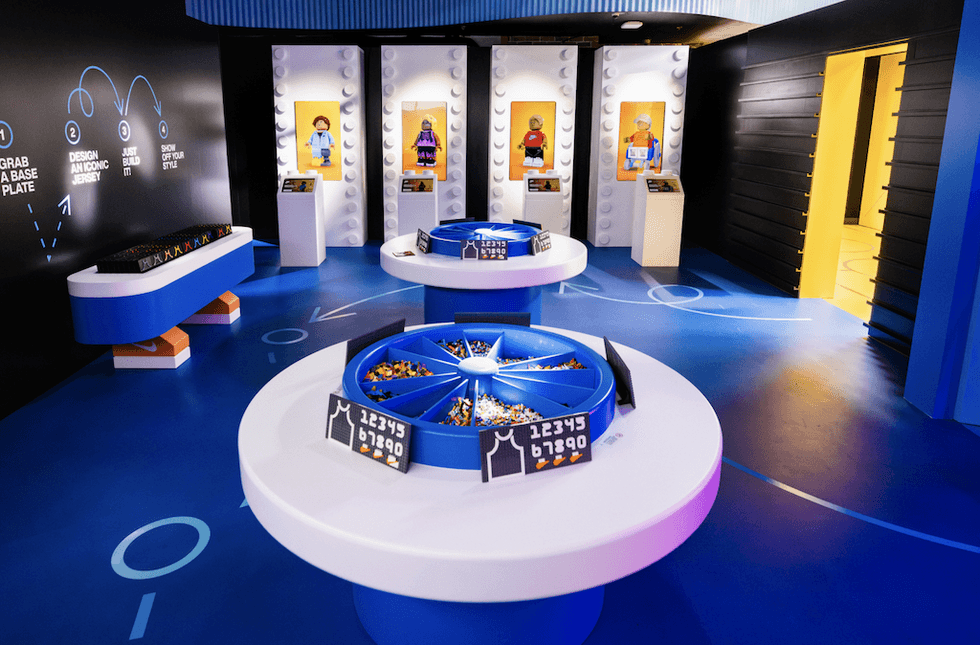 © LEGOLAND California Resort
Some of the same principles may apply across different sectors. But to deliver a partnership in a commercially sustainable way (with impact), it requires some bespoke and tailored consideration (for you and the brand).
It is a bigger-than-ever opportunity – start with your objectives and understanding the value you can create
Brand partnerships can unlock many streams of value, including income, investment, awareness, brand affinity or equity. And your business will likely be able to offer lots of unique value to brand partners, too.
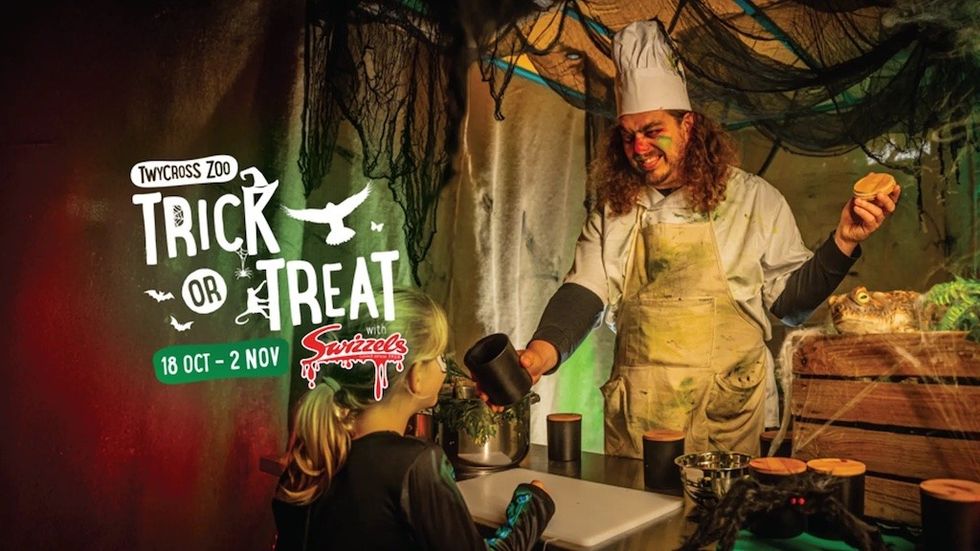 Image credit Twycross Zoo
Over the past few years, we’ve worked alongside a number of attraction operators to help them unlock a wide range of benefits, develop tailored strategies, and negotiate powerful brand relationships.
In our experience, as you start to consider the role that brand partnerships could play for your organisation, some good start-point questions may be:
- What value do you want to unlock?
- What is unique about your business/attraction (s)?
- Why would a brand want to partner?
- Who would good brands be?
- How do you get to them?
Whether you start with tactical opportunities or take a more considered, strategic approach, the golden rule is to find ways to create unique value for your guests in a way that is authentic to your experience.
Doing this will help you build great partnerships, and unlock, enable and enhance your offer.