As more people seek to connect with places and stories through immersive experiences, the themed entertainment and immersive experience industries are seeing growing interest in more engaging, interactive storytelling.
DreamLab Immersive is one company driving that evolution. Led by industry veteran John Miceli, the studio brings together creative storytelling, media design and production, interactivity and emerging technologies to deliver memorable guest experiences.
Having served as co-founder and president of Soundelux Florida in the 1990s, and later as founder and president of Technomedia Solutions throughout the 2000s, Miceli has worked on projects ranging from blockbuster feature films to world-renowned theme park attractions.
After successfully building the media and integration businesses, Miceli started DE-ZYN Studios in 2019 to reconnect with his creative roots. In 2025, the company rebranded as DreamLab Immersive to better reflect its broader mission, global presence, and focus on innovation.
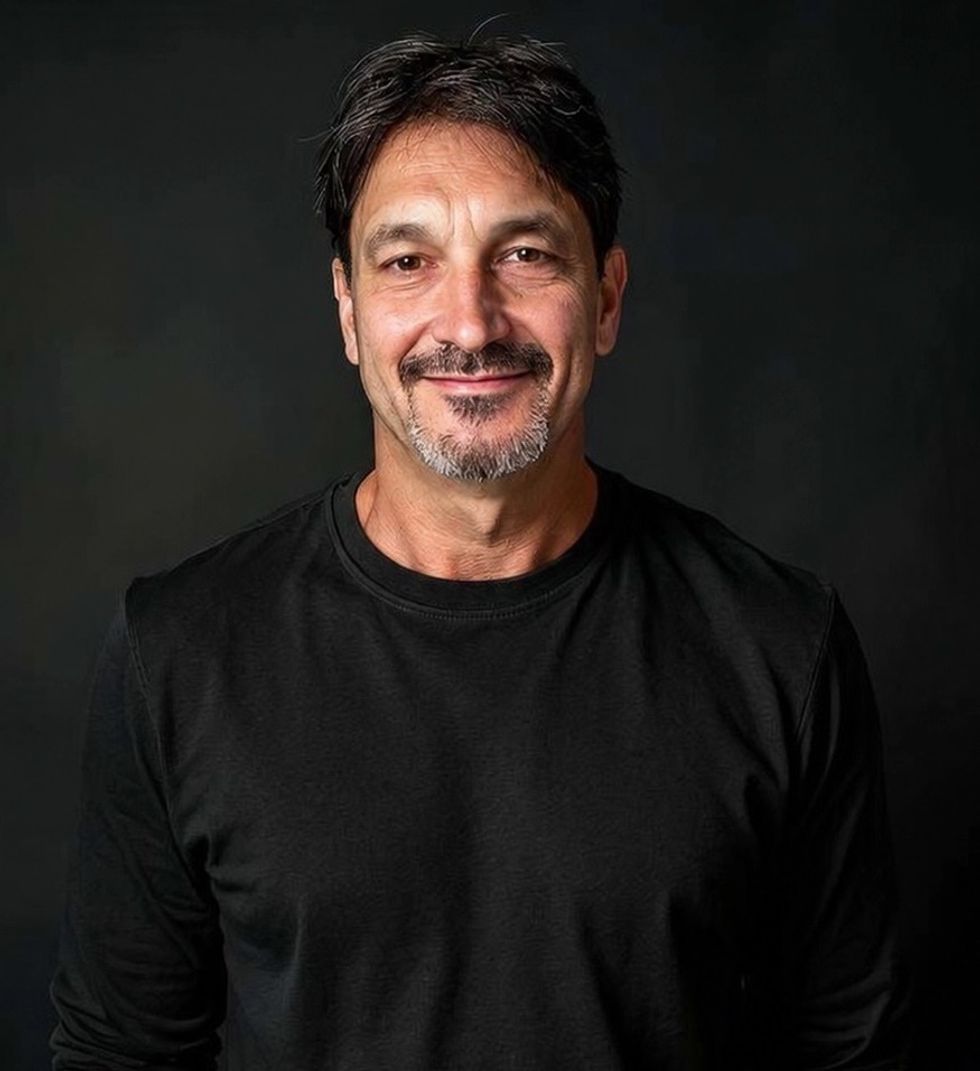
John Miceli, DreamLab Immersive's co-founder, executive creative director & AI architect
More than a conventional AV vendor or standard systems integrator, DreamLab operates as a collaborative studio for high-level immersive experiences.
In designing visual experiences, the company weaves together imagination, technology design, storytelling, engineering, specialist interactivity, projection, and unique LED technologies to make physical environments more emotional, memorable, and alive.
We speak to Miceli about the company's journey, its collaborative approach to project delivery, and how it is using innovation, including AI, to bring ambitious ideas to life.
Creativity and problem solving
Miceli's path into themed entertainment began with a visit to Orlando in the late 1980s. Having worked as a music producer, he was captivated by the scale, storytelling, and immersive power of attractions at Disney and the emerging Universal Studios Florida.
"It just inspired me," he says. "I felt like this was something so far beyond anything I had ever done. I knew that's where I wanted to be."
That inspiration led to early work on Universal Studios Florida and the start of a career spanning more than three decades in immersive media, technology and experience design.
Over the years, Miceli's work expanded well beyond theme parks to include museums, hospitality, retail, resorts, cultural destinations and civic spaces.
Working across such diverse sectors taught him that successful experiences are never one-size-fits-all.
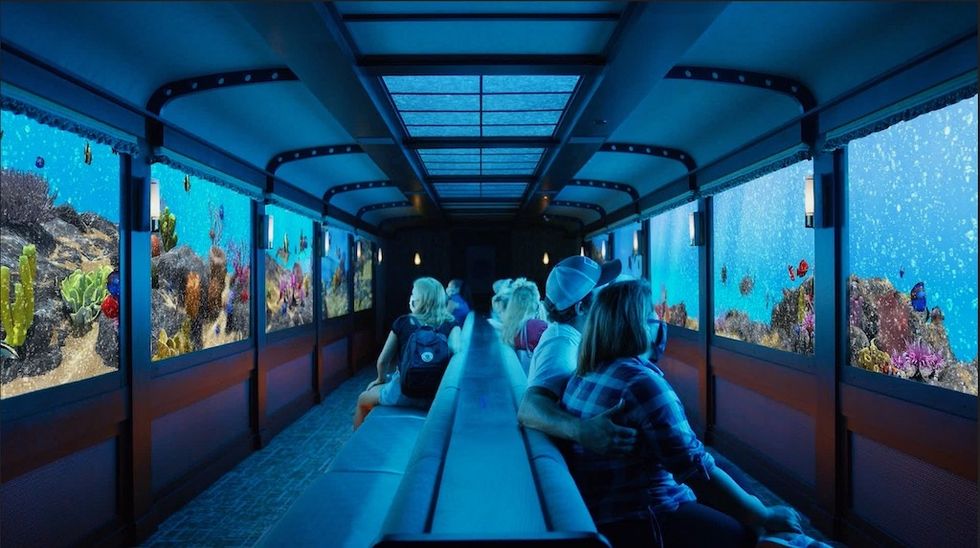
St. Louis Aquarium at Union Station features immersive, media-based exhibits, including one that simulates a train ride through an aquatic environment
Image courtesy of DreamLab Immersive
"Listening is 90% of it," he says. "You're there to solve problems, elevate ideas and refine vision to a complete resolution that's right for the project and what the client is looking for."
That philosophy continues to guide DreamLab Immersive today, as the company applies its experience across a growing range of markets.
The evolution to DreamLab Immersive
The launch of DE-ZYN Studios in 2019 and its rebranding as DreamLab Immersive in 2025 show a change in Miceli’s business approach.
After serving in leadership positions at large companies—Soundelux, with about 350 employees, and Technomedia, with more than 150 staff—Miceli was ready to return to a more creative role.
"My real passion has always been creative media…music, sound design, art," he says. "And technology has always been a tool for how we can execute that in an effective way.”
The shift away from Technomedia's corporate structure allowed his new team to take on projects where they could act as the turnkey creative force, rather than a technical contractor on the sidelines.
Projects like the Grand Hall Experience at the Union Station Hotel in St. Louis and the St. Louis Aquarium enabled DreamLab to deliver turnkey experiences, handling media, technology, and core concepts in close collaboration with clients and architectural partners.
"We were the heart of it, which was a unique experience for us, and we love having that ability to dream, develop and innovate on that level," Miceli says. "That's why this is who we are, because that's what we love the most.”

The 2025 rebrand to DreamLab Immersive clarified the company’s mission and signalled a broader ambition to the market. The term "Immersive" remains central to its philosophy.
As Miceli puts it, "We're very much about immersing people in experiences and opportunities… these worlds that take them to places that elevate their emotions."
Meanwhile, the "DreamLab" portion of the name reflects the team’s operational reality:
"We've always been dreamers, and when we create, we throw a lot of things at the wall, and we look at that as our dream process," he explains. "And we are working like a lab, because we've embraced AI, we have embraced technology...but we're doing it more purposefully.”
The rebrand offered an opportunity to realign internal philosophies, ensuring that the whole team and their future efforts were synchronised with this new direction.
Collaboration is key
DreamLab operates on a model of deep, high-level collaboration. Miceli and his co-founders opted to build a tight-knit core team and to partner externally with trusted AV firms and creative specialists when a project demands it.
This model frees Miceli from administrative tasks, allowing him to focus on creative development, technological innovation, and listening to his team and clients.
This core team is anchored by two critical industry figures: Nathaniel Ruhlman, founder and chief art director, and Phil Berard, founder and chief innovation officer.
 DreamLab Immersive co-founders L to R: Phil Berard, John Miceli, and Nathaniel Ruhlman
Ruhlman brings a profound visual language to the studio, having founded Dorian Orange, an experimental media company that executed groundbreaking work for Obscura Digital (now part of MSG and the Sphere).
"He has an incredible sense of art, and a great team player," Miceli says of Ruhlman. "I love the way he thinks, I love the way we work together, and the level of what I've learned from him.”
Berard, in contrast, brings a high level of technical discipline, with decades of experience from Technomedia in systems innovation, programming, and media playback. For DreamLab’s ambitious concepts to function reliably in the real world, Berard’s expertise is non-negotiable.
"Phil was, by leaps and bounds, our best technologist at Technomedia," Miceli says. "There is nobody I've ever worked with that can solve any and every problem technically, no matter where it is, and on what platform, and not only that, but can think technology product-wise to create things that solve problems.”
A thoughtful approach to AI
One notable feature of DreamLab Immersive’s current approach is its careful, well-informed use of Artificial Intelligence.
While many companies in the creative field view AI with either unbounded enthusiasm or a certain level of anxiety, Miceli has approached the AI revolution the same way he approached early AV schematics: by becoming an expert in the core systems.
"I've always been a sponge, and I've always learned from people around me or things I've been involved in," Miceli explains. Recognising the disruptive potential of AI early on, he did not want to integrate these tools into his workflow blindly.
"When we decided to really dig into what it can do before doing anything with it, I wanted to understand its origin. I wanted to understand the challenges, dangers, opportunities, and structure. I wanted to understand everything I could about it.”
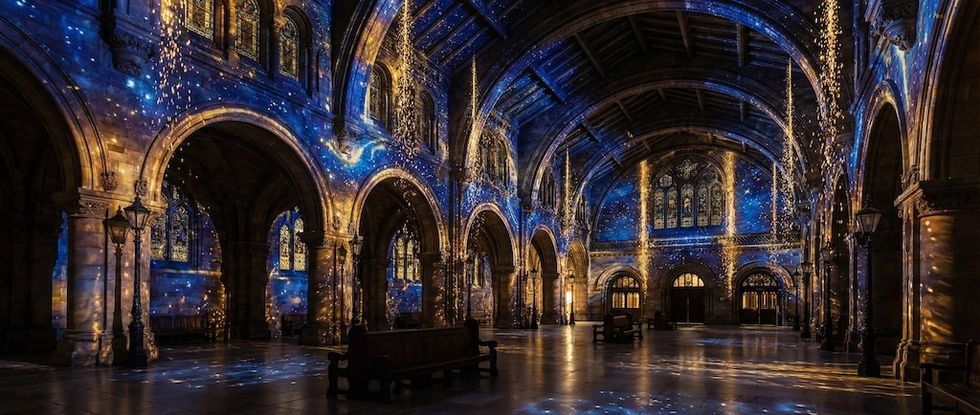
DreamLab Immersive can use large-scale projection mapping and media design to transform architectural spaces into immersive storytelling environments
Image courtesy of DreamLab Immersive
To achieve this, Miceli dedicated nearly two years to rigorous academic study, completing three major programmes at prominent institutions: the University of Miami Chief AI Officer Certification, the Harvard Agentic AI Program, and MIT’s Leadership in Agentic AI Business Transformation.
This academic journey helped to form a fundamental company philosophy about artificial intelligence: people are still the most important thing.
Artificial intelligence as a tool
DreamLab views AI as a tool to increase output and support human creativity, not to replace artists, storytellers, or human judgement.
"Human capital is critical in everything today and into tomorrow, and that means that you have to build a system where human knowledge, creativity, and innovation are tied with AI," Miceli says.
"You cannot lean on AI today or tomorrow, or any time, to be your solution. The bottom line is, AI will always build on what it's been taught. It can't go beyond that. It's not like art, where it can go beyond those points and go into something that's never been created before...
"And that's where humans are going to keep pushing in whatever areas they're in to elevate what's possible, as we've done for hundreds of years."
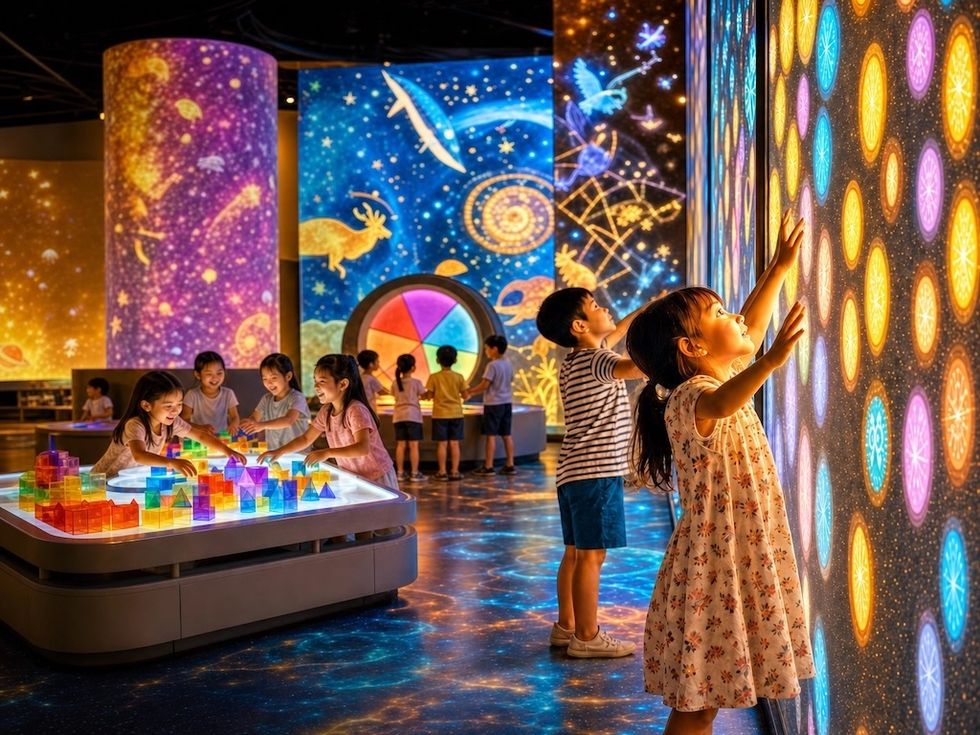
AI helps the DreamLab Immersive team refine ideas, supporting the creative process rather than replacing it
Image courtesy of DreamLab Immersive
"A simple example of this marriage is building a workflow that can take hand-drawn concepts into fully rendered 2D artworks so our team can refine ideas while exploring various creative concepts.
"The magic is in understanding where it adds value and supports the creative process, not replaces it.”
His thorough training also taught him to respect safety and ethics when using generative systems. "You've got to be careful, you've got to control things, and you've got to build based on reliable solutions, even building custom-tailored generative AI models based on your own companies’ assets."
Despite the need for caution, Miceli also feels very excited about the technological shift, saying that the dawn of the AI era feels incredibly familiar and comparing the current technological landscape to his earliest days in the industry:
"When we started, the only companies that were doing exactly what we were doing with technology and media in-house were really Disney, or maybe Landmark Entertainment... It was such a fertile opportunity for us to build and grow. I felt, when I started digging into this and training, that this was that kind of opportunity.
“If you understand it, if you embrace it, if you're respectful about it, then you really can achieve things in ways you never dreamed possible before.”
Immersive and engaging projects
This unique blend of human-driven creativity, deep technical integration, and AI-supported workflow is now being deployed across an impressive array of high-profile projects.
DreamLab’s portfolio showcases its ability to transform spaces across an expanding range of markets, proving that highly immersive, themed-entertainment-level media is no longer confined to traditional theme parks.
A good example is the Grand Hall Experience at the Union Station Hotel in St. Louis. DreamLab used the historic train station's large ceiling as a projection screen, turning a static landmark into an eye-catching, media-filled spot for visitors to enjoy.
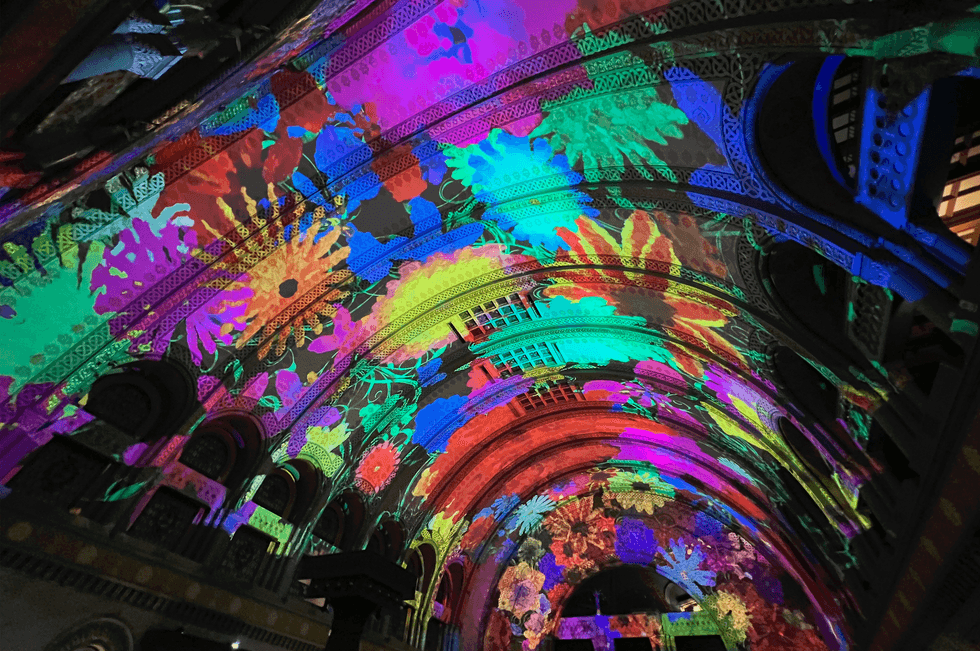
DreamLab regularly updates content and media systems for Lodging Hospitality Management, helping the Grand Hall Experience stay current
Image courtesy of DreamLab ImmersiveIn the cultural and educational sector, DreamLab’s ongoing relationship with the Museum of the Bible underscores its commitment to long-term client support.
Rather than simply installing a system and walking away, DreamLab undertakes regular content refreshes and media system updates, showing that modern immersive environments require continuous evolution to stay relevant.
Similarly, the company’s work at the St. Louis Aquarium demonstrates its expertise in family, educational, and attraction environments.
Here, immersive media is deployed strategically to support learning, manage guest flow, and encourage repeat visits, proving that technology can serve a highly functional, educational purpose while remaining deeply entertaining.
Looking to public and civic spaces, DreamLab’s involvement in the Jacksonville at Night Experience represents the cutting edge of large-scale, outdoor destination placemaking.
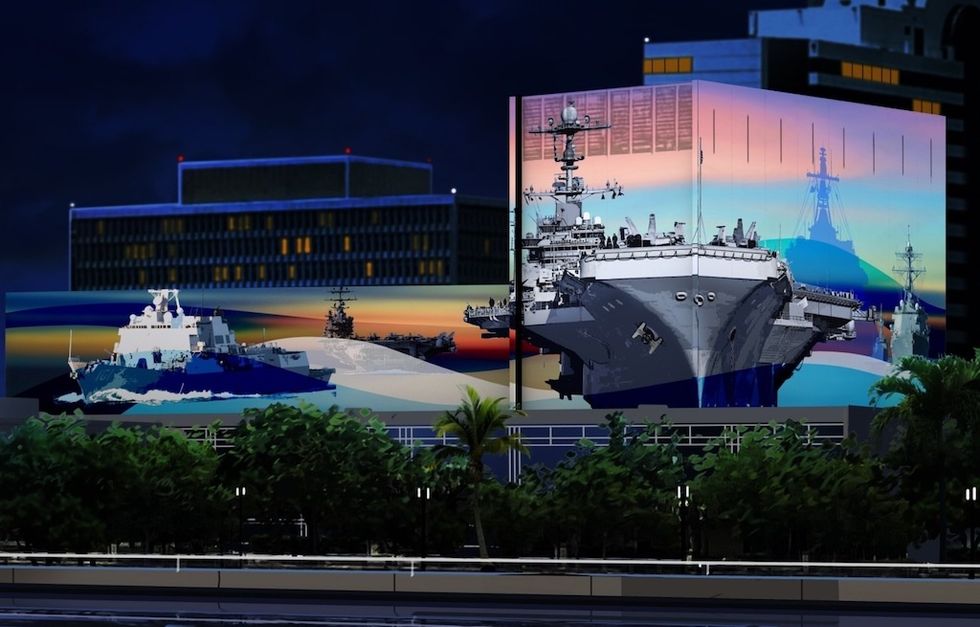
DreamLab’s role in the Jacksonville at Night Experience exemplifies leading innovation in large-scale outdoor destination placemaking
Image courtesy of DreamLab
Through large-scale nighttime media, projection, and show programming, DreamLab is helping cities use environmental storytelling to fundamentally alter how citizens and tourists interact with urban environments after dark.
In all of these projects, DreamLab plays a critical role by providing the media-based experiential layer, specialised interactive thinking, technical expertise, and engineering direction that turn ambitious architectural ideas into living, breathing, reliable public attractions.
DreamLab and the future of immersive
After more than three decades in the industry, Miceli’s focus remains firmly on what comes next.
"I never think about legacy," he says. "My sights are always set on the light ahead, the future. What's tomorrow? I wake up every day thinking about what's new today. What are we going to do?”
That mindset is fuelled by what he sees as an unprecedented period of opportunity for immersive experiences.
Pointing to projects such as Universal's Epic Universe, Miceli believes the industry is only beginning to explore what is possible when architecture, storytelling, media, ride systems and emerging technologies are combined.
"How they took architecture, design, art, media, animatronics, ride systems…and they really have just scraped the surface on that level when you start looking at the technology that's available," he says.
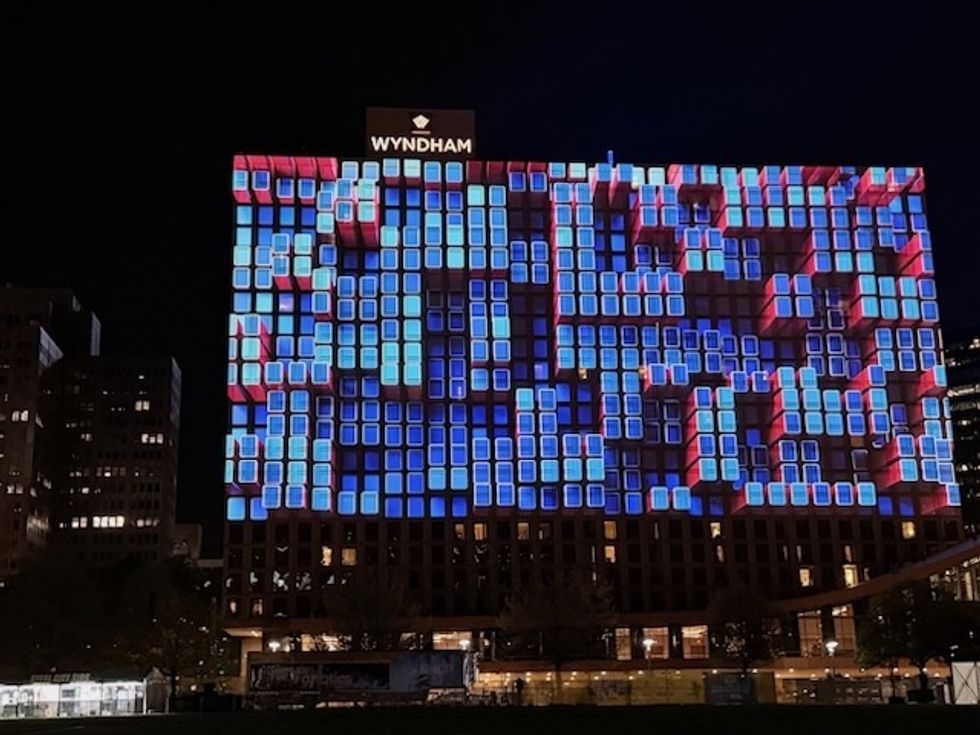
Immersive media experience created for a recent major sports activation in Pittsburgh
Image courtesy of DreamLab Immersive
For Miceli, the excitement extends beyond headline-grabbing mega-projects. He is equally encouraged by the growing diversity of immersive experiences being created around the world, particularly smaller projects that are helping to expand the industry's reach and creative potential.
"What I was most impressed about [the Thea Awards] this year was how they were respecting so many smaller projects around the world, and connecting with what was really meaningful," he says.
That sense of possibility continues to shape DreamLab Immersive.
As new technologies emerge, including AI-powered experiential tools, Miceli views the relationship between imagination and technology as a two-way process: creative ambition drives innovation, while new technologies open the door to entirely new forms of living storytelling.