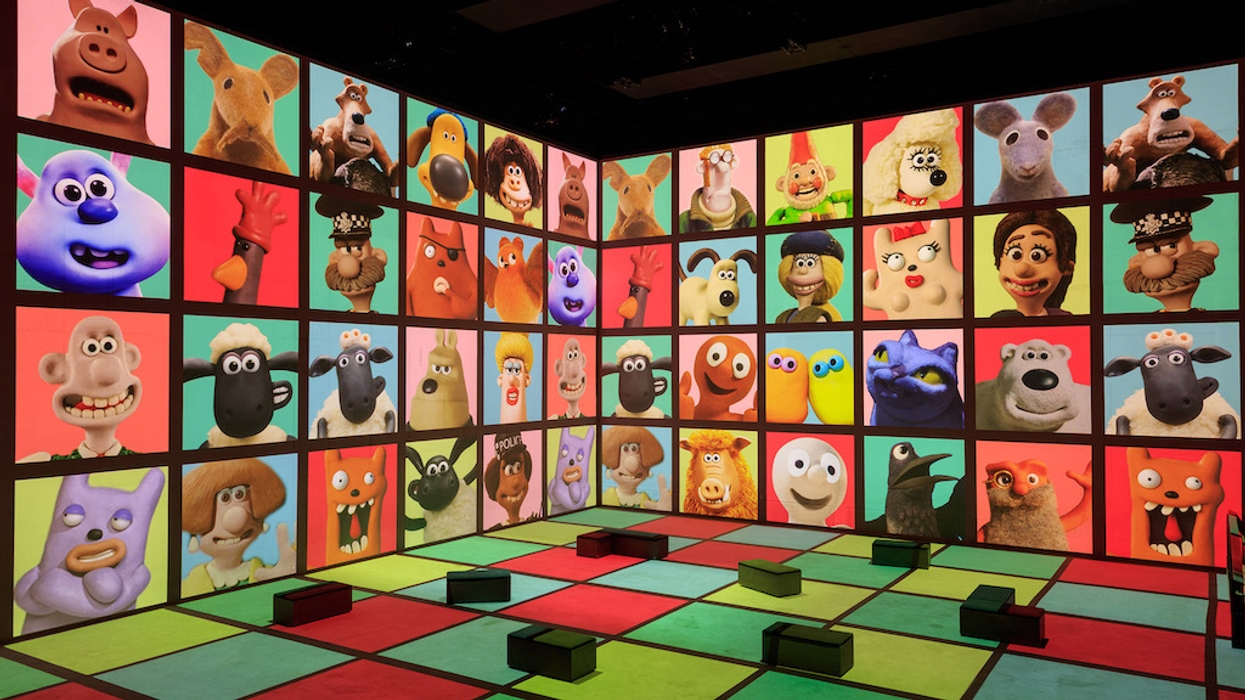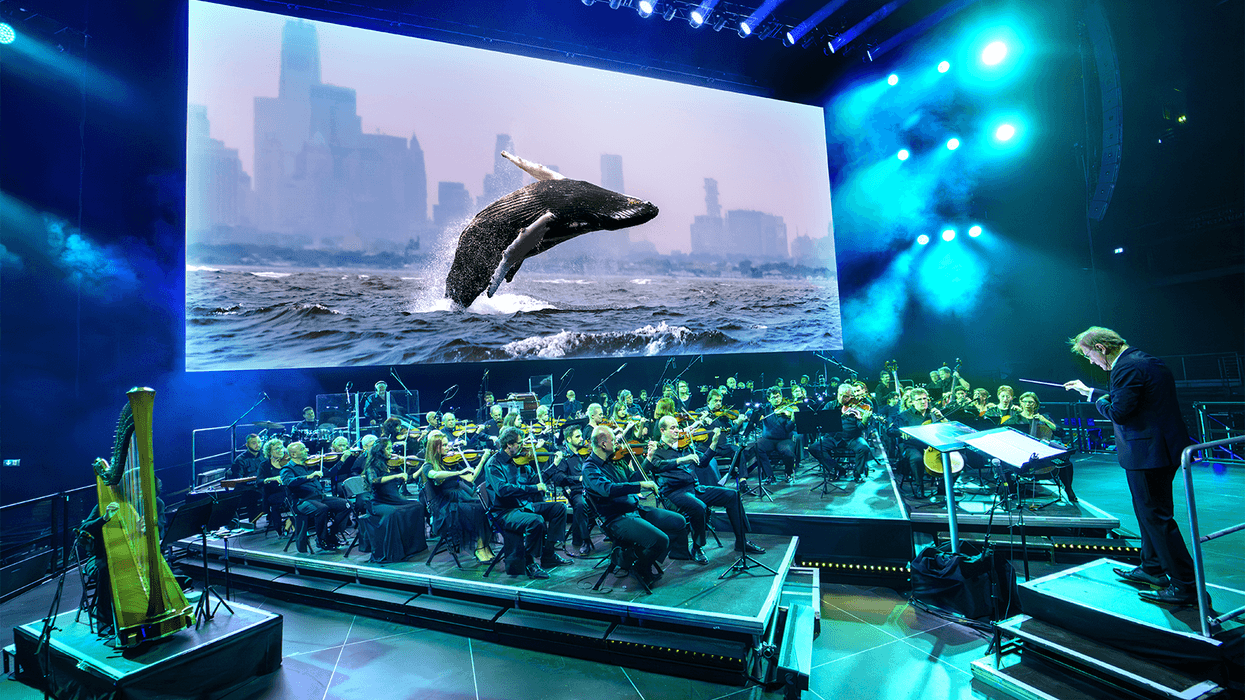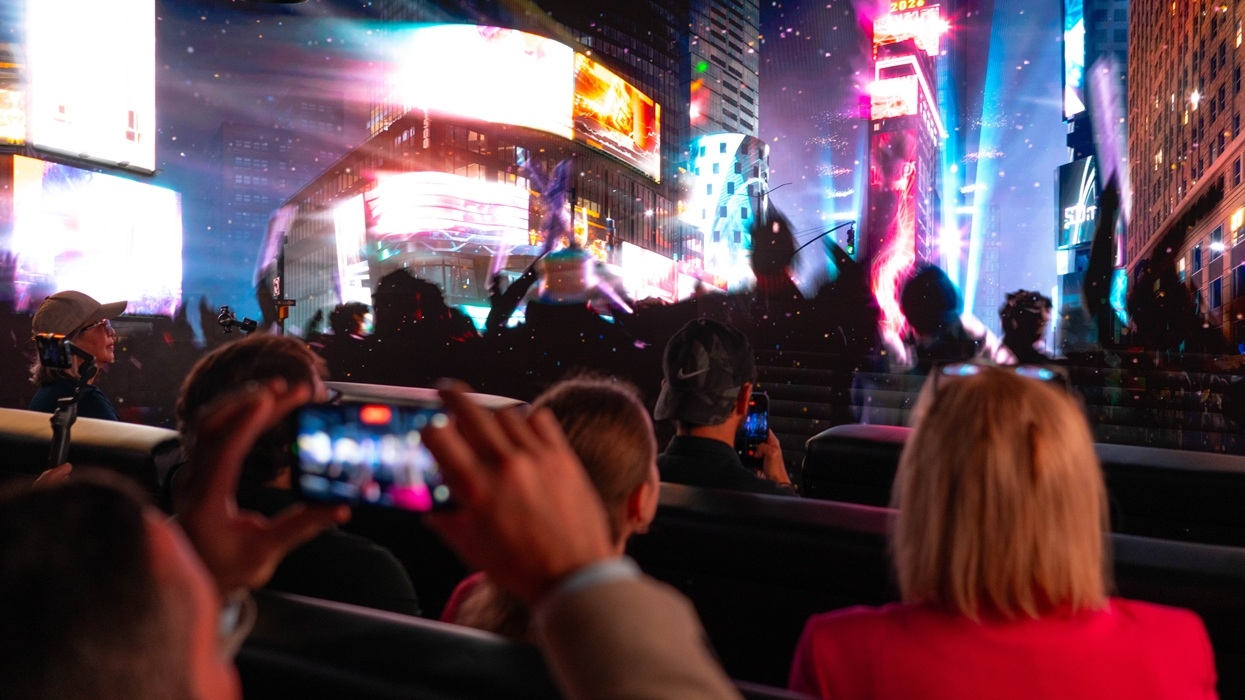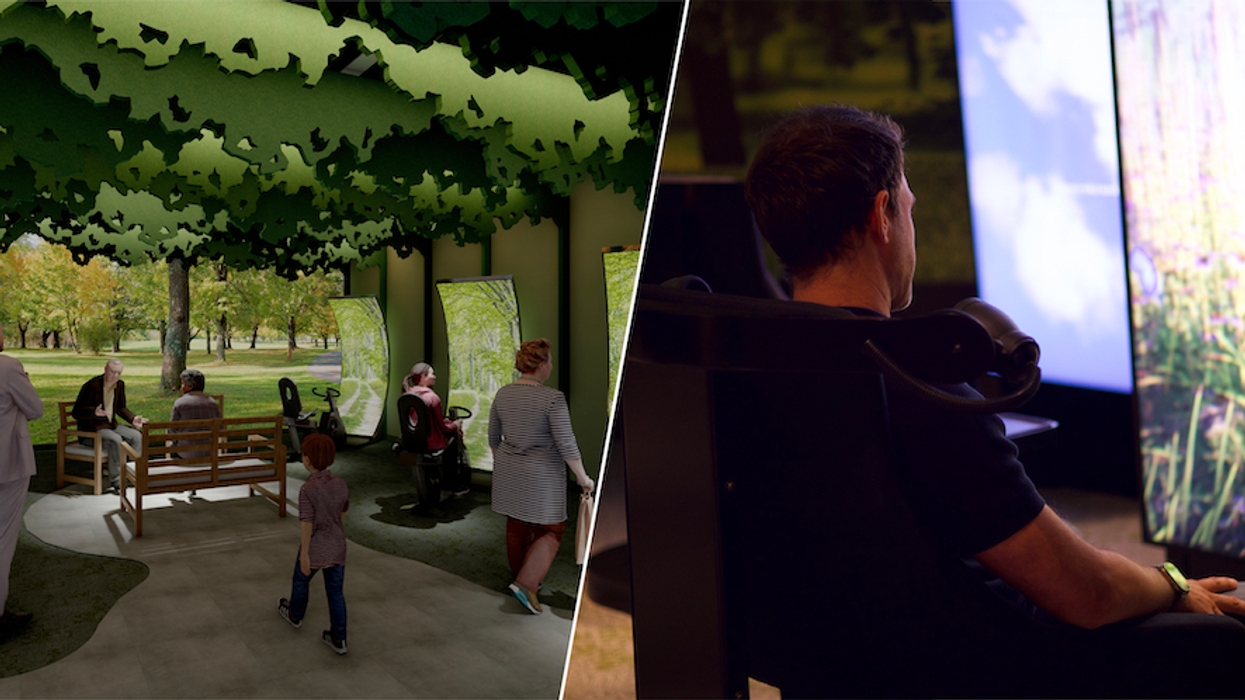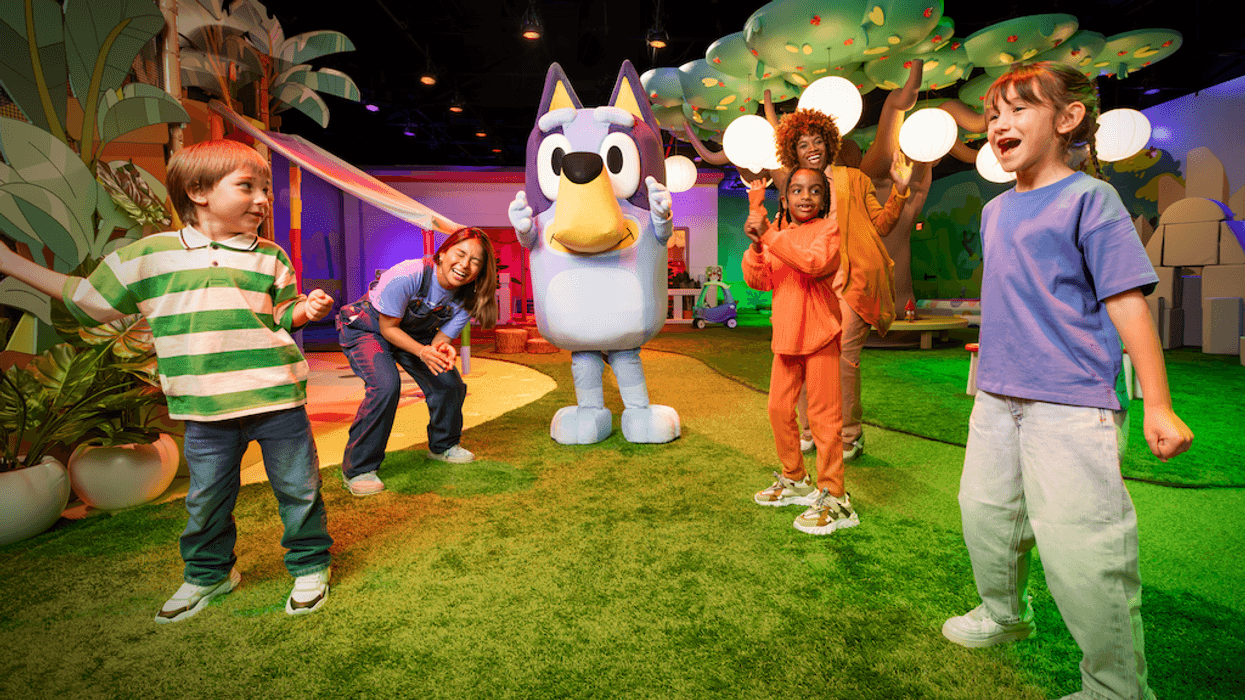

Intellectual property has become one of the driving forces behind modern immersive entertainment.
From themed attractions and touring exhibitions to branded environments and location-based experiences, audiences increasingly seek experiences connected to the stories, characters, and worlds they already know and love.
But designing with established IP involves far more than simply incorporating recognizable characters or visuals into a space.
Successful IP-based experiences require careful collaboration among creative teams, licensors, operators, and stakeholders — all while maintaining authenticity, protecting brand integrity, and meeting fans' high expectations.
The process introduces unique creative, operational, and approval-related challenges. Navigating stakeholder alignment, understanding franchise lore, managing approvals, and balancing fan service with accessibility all play a critical role in the success of the final experience.
This article outlines 10 key principles that can help teams create a more efficient and effective process when working with IP holders, while ensuring the final experience feels authentic, engaging, and meaningful for audiences.
1. Truly know the IP
This may sound obvious, but it’s remarkable how often creative teams begin designing before they fully understand the property they’re working with.
Before the first client meeting, teams should fully immerse themselves in the source material — films, television episodes, books, comics, games, shorts, soundtracks, artwork, and more.
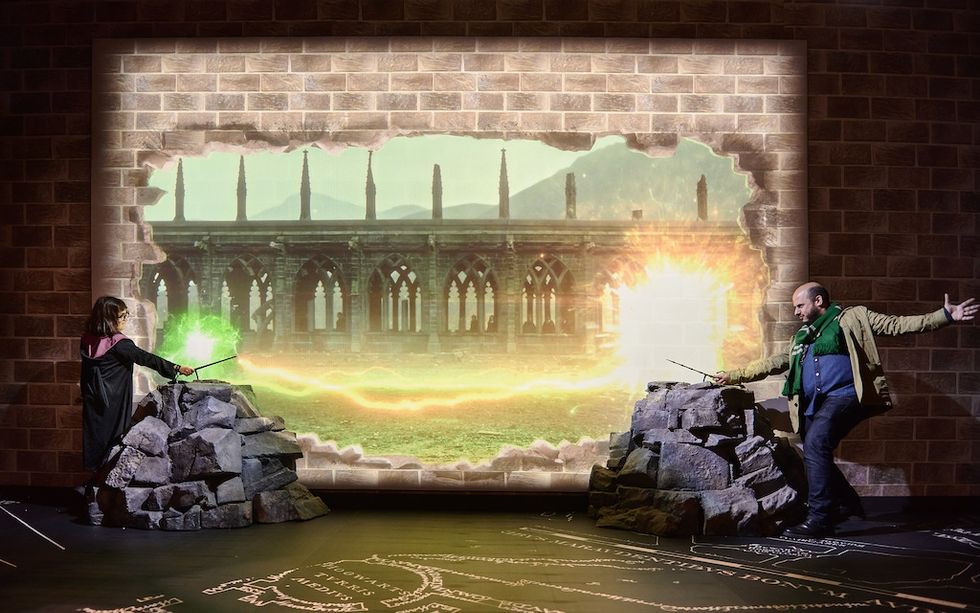 Successful IP experiences, like Harry Potter: The Exhibition, fully understand the property they are working withImage courtesy of Imagine
The goal is not simply familiarity, but fluency.
That depth of understanding becomes critical once creative conversations begin. Strong preparation builds trust with the IP holder and allows brainstorming sessions to start at a much higher creative level, rather than spending valuable time correcting misunderstandings or filling knowledge gaps.
2. Confirm which version of the IP you can use
One of the earliest — and most important — questions is determining which version of the IP is licensed for use.
A single franchise may span comics, films, streaming series, games, animation, publishing, and merchandise, each with distinct visual interpretations and ownership structures.
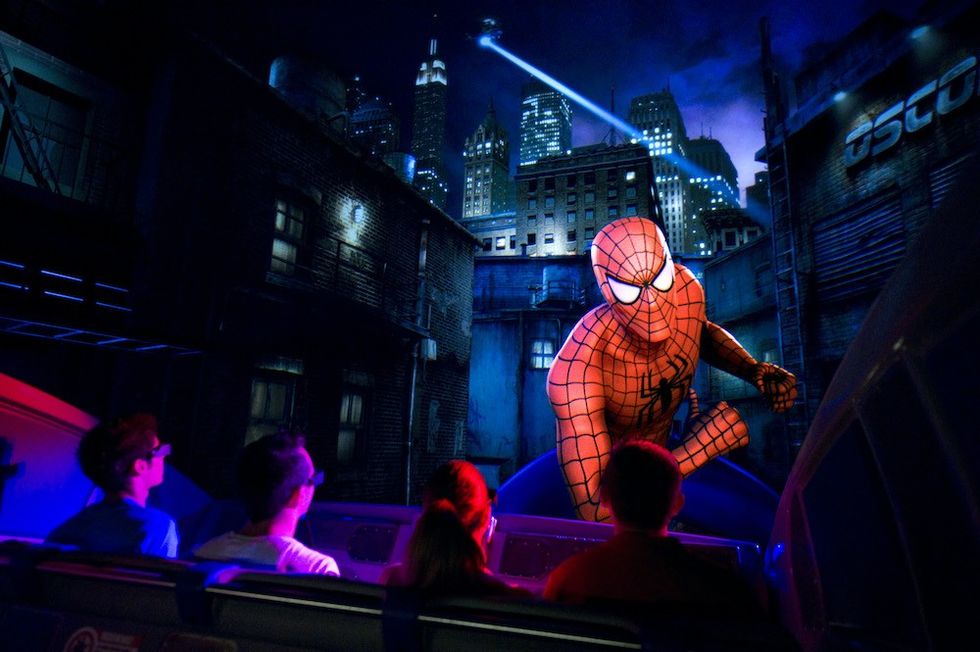 The Amazing Adventures of Spider-Man at Universal Orlando uses an IP that can be found across comics, films, TV shows, animation, and more Image courtesy of Universal
Creative teams need clarity on exactly which character designs, environments, logos, costumes, music, and story elements are approved before design begins. Failing to establish this early can create major delays later in the process.
Even iconic characters can vary dramatically depending on the era or medium in question, so alignment up front is critical.
3. Understand what assets already exist
Once the approved version of the IP is defined, it’s important to ask the client what production assets are already available.
Existing graphic files, 3D models, media clips, audio assets, animation rigs, scenic references, or style guides can dramatically reduce production timelines and costs, while new artwork will require additional reviews, revisions, and approvals to ensure it remains authentic to the property’s world and visual language.
That leads directly into the next principle.
4. Understand the approval process and timing
Creative teams naturally want to move quickly. But IP-based projects often involve complex approval structures with multiple layers of stakeholders.
In many cases, the attraction operator, licensing agency, brand management team, creative studio, and original creators may all participate in approvals.
 The Friends Experience: The One in London - with a much-loved IP such as this, there are many approvals to go through in order to protect the brand's integrity Image courtesy of Immerse LDN
As a result, even relatively small creative decisions — from scenic elements and scripts to media sequences and marketing imagery — may require multiple rounds of review.
Understanding this process early is essential for building realistic schedules.
The most successful teams don’t treat approvals as obstacles. They treat them as part of the collaborative process required to protect the brand's integrity.
5. Align stakeholders early and often
IP projects rarely have a single decision-maker.
Creative teams frequently navigate input from operators, licensors, producers, marketing teams, legal departments, and franchise creators — all of whom may have different priorities and perspectives.
One of the biggest mistakes teams make is moving too far into design before stakeholder alignment is achieved. Misalignment early in the process almost always results in expensive redesigns later.
Regular reviews, transparent communication, and early buy-in are essential to maintaining momentum and avoiding unnecessary rework.
6. Don’t reinvent the lore
Creatives naturally want to bring their own ideas and interpretations to a project. But with established IP, the existing lore is usually the reason audiences care about the property in the first place.
If a franchise has developed a passionate fan base large enough to support an attraction, then there is almost certainly enough existing story material to draw from without inventing entirely new mythology.
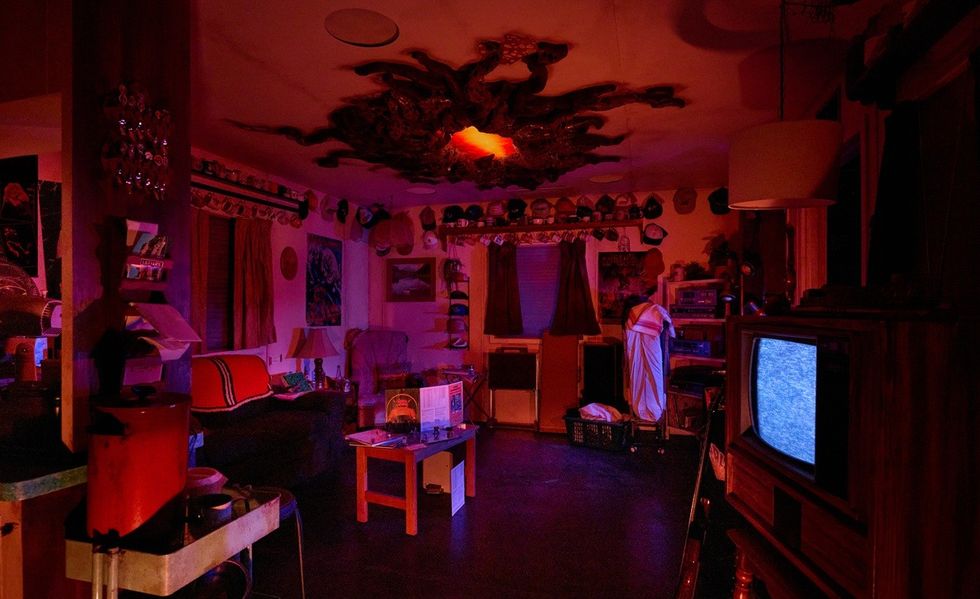 Stranger Things: Face the Dark Experience at Netflix House Dallas shows how successful immersive IP experiences act as a natural extension of the worldImage courtesy of Netflix
The goal is not to replace or redefine the source material, but to expand upon it in ways that feel authentic to the established world and its characters.
The strongest IP-based experiences feel less like outside reinterpretations and more like natural extensions of the stories audiences already connect with emotionally.
Guests want experiences that feel like they truly belong within the worlds they already know and love.
7. Design for both casual and super fans
The best IP-based experiences work on multiple levels. Existing fans expect deeper layers of authenticity, references, and discovery, while casual guests should still enjoy the attraction even if they aren’t deeply familiar with the franchise.
This balance is often achieved through environmental storytelling, hidden details, callbacks, and easter eggs that reward longtime fans without alienating broader audiences.
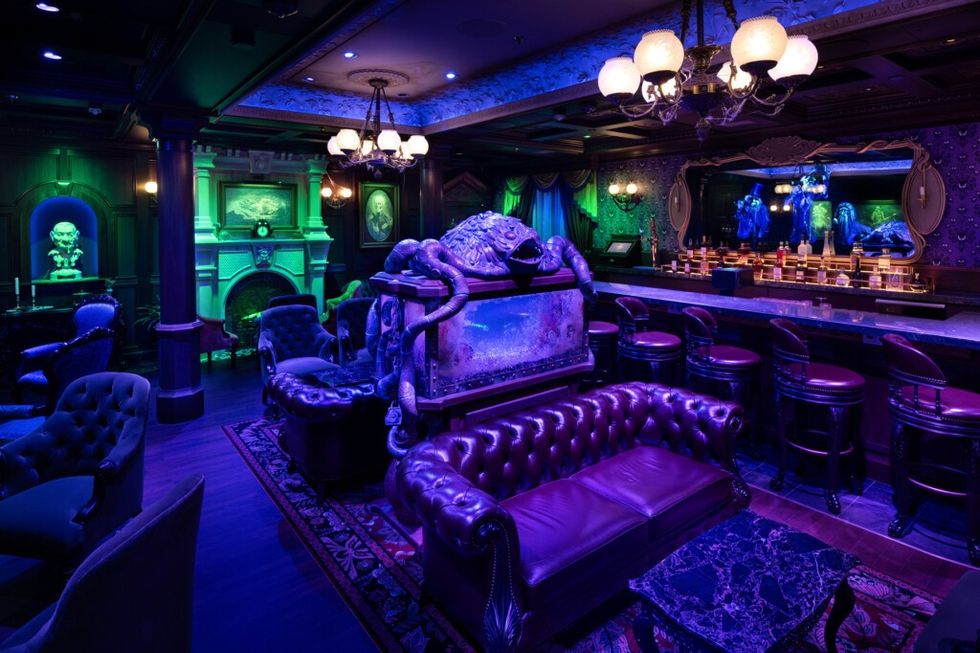 Disney Treasure's Haunted Mansion Parlor has plenty of Easter eggs for die-hard fans, but still appeals to the casual guest too Image courtesy of Disney
When done well, these layered experiences increase repeat visitation and strengthen emotional engagement.
8. Be meticulous about details
Fans notice everything.
A single inaccurate prop, costume detail, graphic, or line of dialogue can break immersion instantly, especially for passionate fan communities who know the material intimately.
Attention to detail is one of the defining characteristics of successful immersive design. Achieving that level of precision requires close collaboration between designers, fabricators, art directors, and IP stakeholders throughout production to ensure every element remains consistent with the established world.
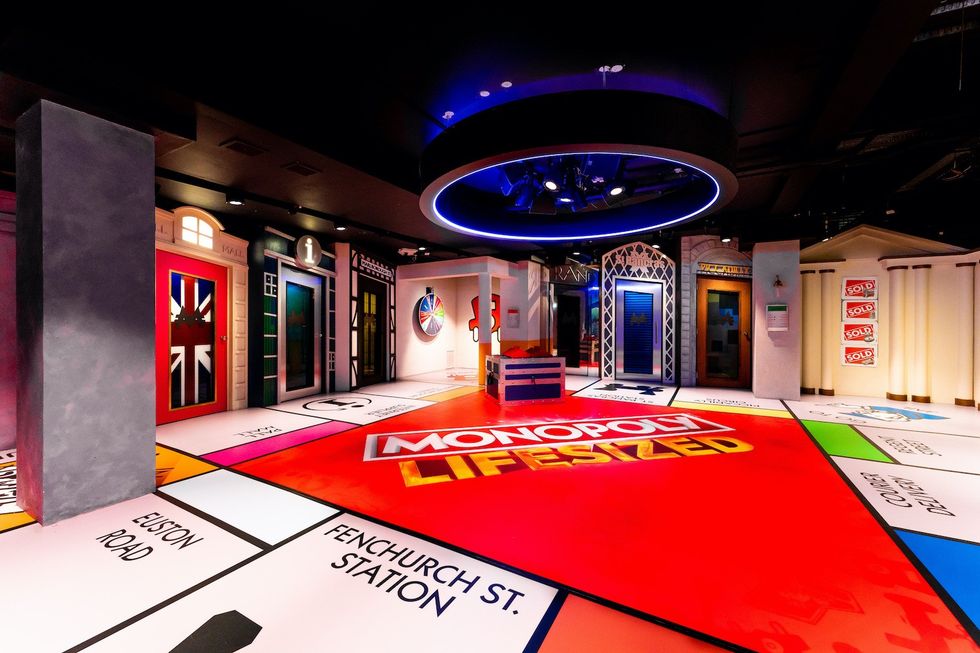 Attention to detail is crucial when it coes to the success of IP-based immersive experiences, such as Monopoly Lifesized Image courtesy of Path Entertainment Group
Often, it’s the smallest details such as environmental textures, background audio, signage, lighting, or subtle story references that make an experience feel believable and emotionally authentic.
When every element feels intentional and true to the IP, guests stop feeling like observers and begin to feel fully immersed within the world itself.
9. Allow guests to become part of the story
Modern audiences increasingly expect agency within immersive experiences.
They don’t just want to observe the world — they want to participate in it.
Interactive moments, personalized outcomes, role-play opportunities, skill-based activities, and environmental interaction all help transform guests from spectators into active participants.
The more guests feel their actions influence the experience, the stronger the emotional connection becomes.
Whether guests are completing challenges, learning skills associated with the franchise, earning points, interacting with characters, or taking part in narrative moments, these experiences create a stronger sense of ownership and personal investment within the story world.
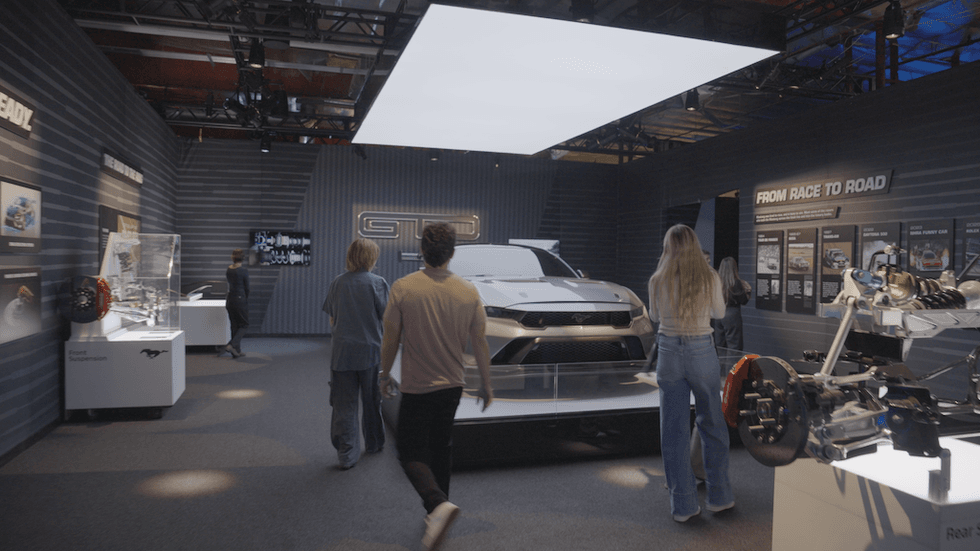 American Icon: A Mustang Immersive Experience is designed to enhance visitors' emotional connection to the brandImage courtesy of Imagine
When designed effectively, participation turns an experience from something guests simply watch into something they actively remember being part of long after they leave.
10. Plan for change
Finally, successful IP experiences should be designed with flexibility in mind.
Entertainment franchises constantly evolve through sequels, spin-offs, new characters, seasonal content, and shifting audience expectations. An attraction that feels current at launch can quickly become dated if it does not evolve alongside the franchise itself.
Experiences that incorporate adaptable media, flexible scenic infrastructure, modular storytelling, or rotating programming are far better positioned to remain relevant over time.
Designing with future updates in mind can also reduce long-term operational costs by making it easier to refresh content without requiring a complete redesign or rebuild.
Planning for change from the beginning allows attractions to grow alongside the IP while giving operators new opportunities to drive repeat visitation, seasonal engagement, and renewed audience interest.
The most successful experiences are not static installations. They are platforms capable of evolving as the franchise continues to expand.
The future of IP experiences
As audiences continue seeking more immersive and emotionally connected forms of entertainment, IP-based experiences will only become more influential across themed entertainment, exhibitions, retail, hospitality, and live events.
But successful IP design involves far more than simply placing recognizable characters or brands into a physical space. The most compelling experiences are those that capture the tone, emotion, and authenticity that audiences already feel connected to.
Achieving that level of authenticity requires deep respect for the source material, close collaboration between stakeholders, and a consistent focus on storytelling, detail, and guest engagement throughout every phase of development.
It also requires balancing creative ambition with the operational realities of approvals, evolving franchise expectations, and long-term flexibility.
By following these 10 principles, creative teams can create experiences that not only resonate more deeply with audiences but also foster more effective, collaborative, and efficient working relationships with IP holders throughout the development process.