During the Innovation in Storytelling session at blooloop’s 2026 Festival of Innovation, an expert panel included speakers from the Kennedy Space Center Visitor Complex, Merlin Entertainments, Blue Telescope, and EPIC Entertainment Group.
Sponsored by Blue Telescope, a media and design studio that creates interactive and narrative experiences, the session focused on bringing main-character energy and innovation to storytelling.
The panel featured Judith Zissman, executive creative director at Blue Telescope; Steve Sheldon, co-founder and managing partner of EPIC Entertainment Group; Rosie Brailsford, creative director at Merlin Entertainments; and Therrin Protze, chief operating officer at Kennedy Space Center Visitor Complex.
Innovation in storytelling: meet the panel
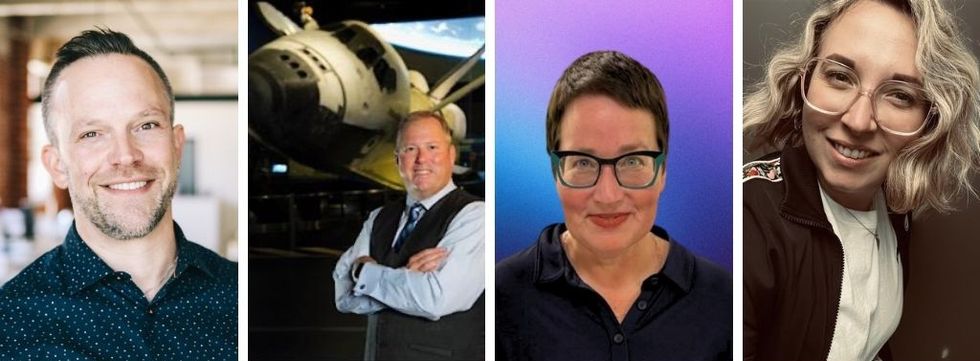
Judith Zissman is executive creative director at Blue Telescope, leading teams of designers and technologists to create digital interactives that tell compelling stories and foster human connection. Clients include the Sloan History Gallery, Kennedy Space Center, and the Smithsonian’s National Air & Space Museum.
Steve Sheldon, with over 20 years of industry experience, is an award-winning event and entertainment producer and co-founder/manager of EPIC Entertainment Group, a producer of themed entertainment, live events, and immersive environments.
Rosie Brailsford, a creative director at Merlin Entertainments and a key member of Merlin Magic Making, oversees creative vision for Legoland parks and other global sites. She guides projects from concept to installation, focusing on guest-centric design, inclusive storytelling, and collaboration with various teams.
Therrin Protze is chief operating officer at the Kennedy Space Center Visitor Complex, operated by Delaware North. Appointed in 2014, Protze manages Delaware North’s Visitor Complex, a role the company has carried out on behalf of NASA since 1995. The site, located near Orlando, is a major destination for space tourism.
"Storytelling is so vital for us"
"At the heart of all we all do is storytelling. Some of us are working with IP, some of us are working with big concepts," said Zissman, introducing the storytelling session.
The session opened with an exploration of how Merlin places storytelling at the centre of its experiences, with Legoland parks drawing on a mix of Lego intellectual property (IP) and external brand partnerships.
"We have this huge array of stories that we can pull from, from homegrown IPs to those from Lego and other partners," Brailsford said.
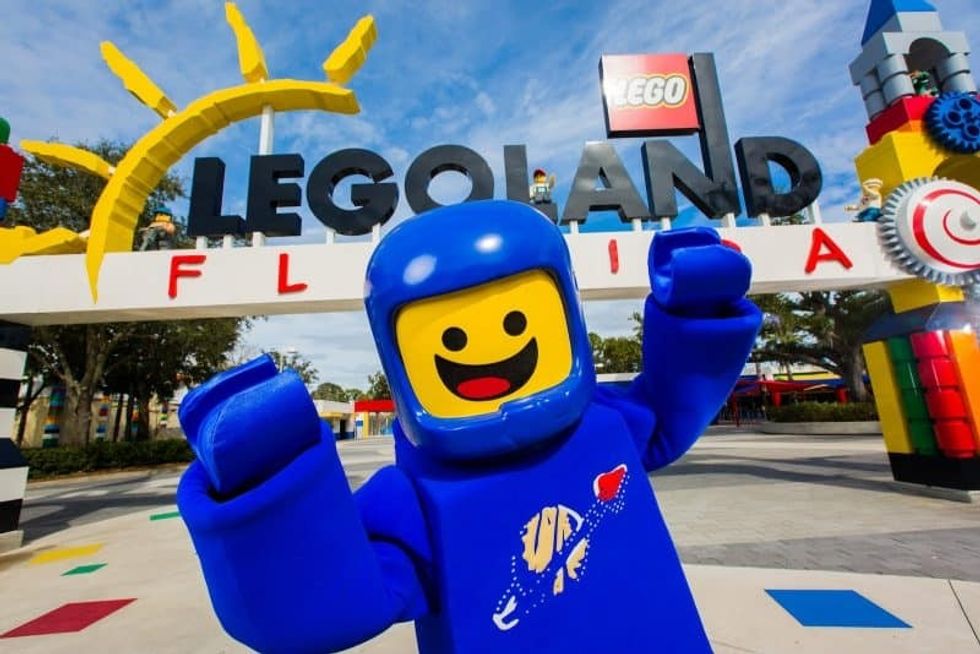
She added: "Storytelling is so vital for us and how children learn and play and develop. Yes, they do this with the toy sets, but when we bring that to life in the park in a very unique way for them, it's something they can do on a scale that they can't do at home."
"We find storytelling is used so much throughout how we craft our experiences and how children play, both how they play now and how we're expecting them to play in the future, because that just keeps changing."
Sheldon said the Halloween industry is one of his favourites, from a storytelling perspective. Unlike working with existing IP, his role involves creating "unique, customised IP" tailored specifically for each experience, he said.
Discovering unique stories
"That, to me, is one of the most fun opportunities to dive in and create a story from the ground up, and then immerse guests in the story and allow them to become a part of that," he said.
"They're not being told the story, they're discovering and experiencing the story and walking away hopefully with a unique experience. Something that we have really leaned into is the idea that in the live event space, you have multiple different audiences that are looking for different levels of engagement."
He said he aims to create stories that work on multiple levels, offering a “surface-level experience” for those who simply want to enjoy them, while also providing a more "meaningful experience" for audiences looking for "deeper levels of engagement".
On how this affects his work at the Kennedy Space Center, Protze said that guests no longer want to read traditional signage, adding: "They don't want to read the story. They want to be the story."
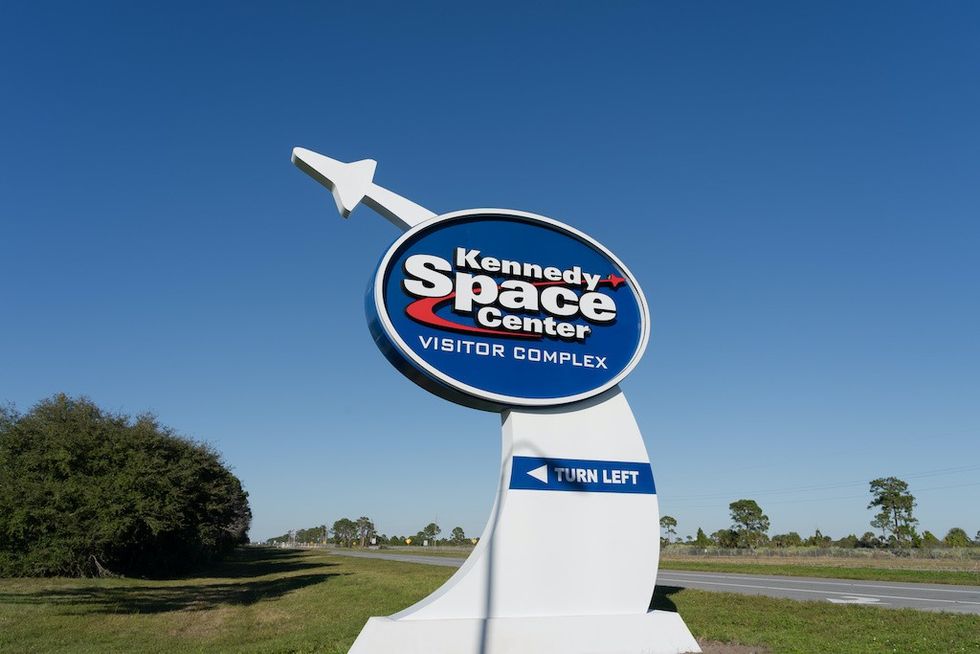
He said the focus is on immersion, explaining that their approach has shifted to "creating memorable space experiences one guest at a time."
Protze said the museum tells stories to make guests feel part of the action.
From going on a space journey as an astronaut, leaving Earth, to becoming a botanist for NASA, Protze said he hopes visitors "walk away with a good feeling that they were part of the story and got to see things that they would not normally see".
"Creating memorable space experiences one guest at a time"
To immerse visitors in the story, Protze said the Kennedy Space Center uses a range of interactive experiences.
The attraction focuses on families and education, while also prioritising "fun", pointing to a recent Benson Boone concert in the Rocket Garden aimed at attracting a "hip, younger kind of crowd".
Primarily, these visitors are coming to see the centre for a concert experience, rather than as an attraction.
"Hopefully, that gets them to want to see everything else. So that's how we look at our storytelling; how to be different, dynamic and immersive," he said.
Building on the theme of space travel, Brailsford highlighted Legoland’s Galacticoaster, which recently opened at both Legoland California and Legoland Florida.
The indoor family coaster is themed around iconic Lego space sets from the 1970s, which she said is one of the ways the parks aim to tap into nostalgia.
Nostalgia as narrative
"They have a nostalgia," she said. "They have that deep fan love that we try to bring into our stories."
Describing her aim to ensure visitors are not "passive", Brailsford said the current guest trend is towards creating an “interactive” storyline that gives guests "a sense of agency" and allows them to be part of the story.
Touching on its location near Walt Disney World, Universal Orlando, and Legoland Florida, Protze acknowledged the challenge of encouraging visitors to choose a more educational attraction, such as the Kennedy Space Centre.
"How do you make it dynamic enough where they learn something, yet they're just having so much fun?"
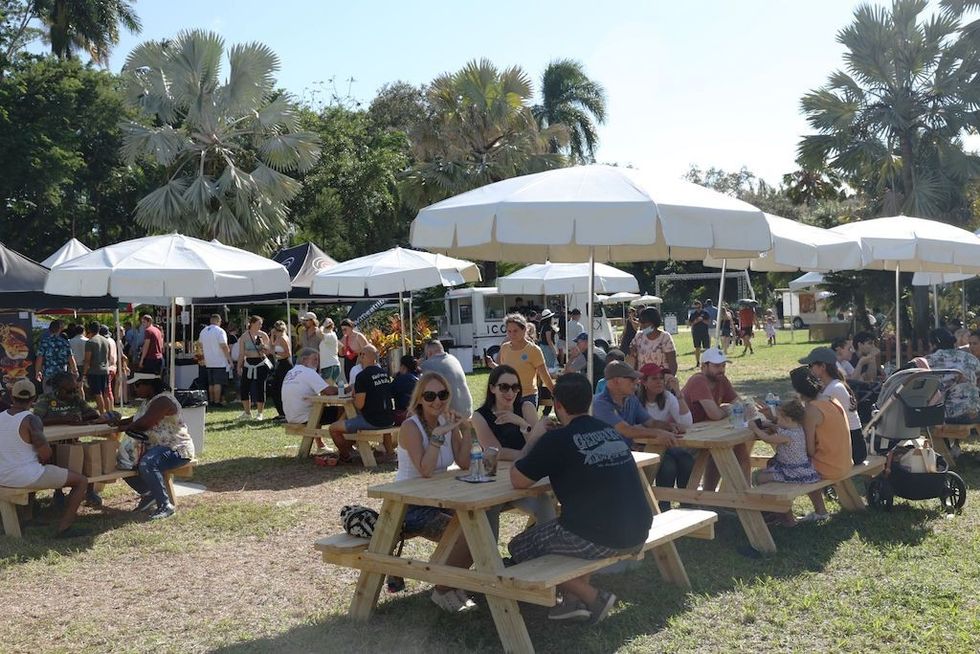
"One of our clients is a botanical garden, Fairchild Tropical Botanic Garden in Miami, in Florida. So we work very closely with the education department," said Sheldon.
"We actually have a partnership with NASA, and it's one of the things that we focus on there, as well as helping to deliver the message that the education department is trying to deliver."
"Not everyone – and especially younger guests – is interested in learning about the flora and the fauna and the history of the 90-acre garden. It's about creating experiences that are educating people in an entertaining way, so that they don't feel like they're being educated."
Zissman asked how personalisation and customisation are used to provide guests with that "main character energy". Utilising personalisation to put guests at the heart of the experience, Brailsford said the new Galacticoaster allows visitors to go through a mission briefing, during which they can customise their own spacecraft.
Personalisation and customisation
"It is a kind of timed experience, and there are 625 potential options that you can customise. So you'd have to go on the ride essentially every day for around two years to do all of the variables of that," she said.
She said the ethos of a Legoland theme park is to put children, especially those aged 2 to 12, at the centre of the adventure, making them "the main character, the main player, in their adventure in the park".
"It is such a bedrock that we always come back to whenever we're designing an attraction, whether that is a coaster or a hands-on brick play experience, it's always about what they can do and create and take away from it," she said.
Protze described how the Kennedy Space Center enhances its exhibits with creativity, highlighting one of its stargazer installations in which parents and children step on a pressure-activated LED floor to create constellations.
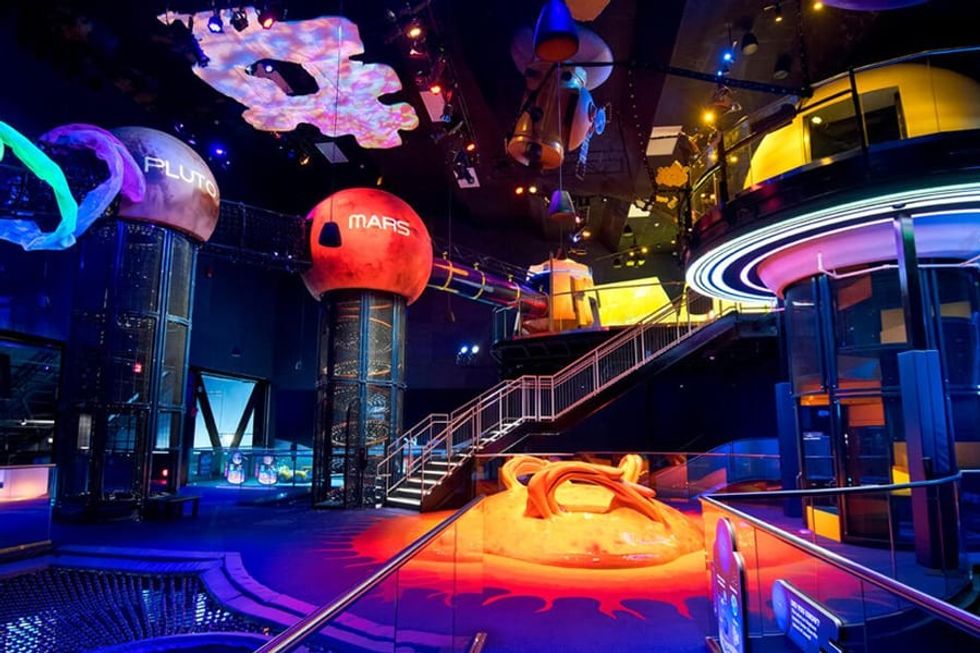
"Watching the parents interact with the kids to build this constellation is something very rewarding," he said.
On the subject of personalisation, Sheldon said he recently worked on the opening party for the Hotel Del Coronado in Coronado, California, following a $600 million renovation of the resort property.
As part of "a day of activations and a very interactive, story-driven event", guests were involved in a scent-making experience at the end of the night, where they used fragrances inspired by the local area and the hotel’s history.
Designing for a changing audience
Zissman went on to ask the panel how they approach the emotional cadence of a guest’s day, noting that it extends beyond a single ride to an entire visit or stay, and questioning how they sustain engagement and immersion over that broader experience.
Brailsford said: "The story starts from when you come into the hotel or when you come into the park, and the way our staff would engage, but it is very much a pacing, from ride to ride in the queue line."
She added: "I think it is a journey throughout the day, whether you're doing a linear experience or multiple choice; a choose-your-own-adventure vibe."
The power of play
On how they factor in "pacing" at Legoland, Brailsford said: "We find our playscapes to be incredibly popular because kids just want to burn off steam. If they've been standing in a queue line for an hour, that's really important.
"They can go and run around them for 20 minutes before going and standing in another gentle queue, or we're looking at play and wait systems so that they don't necessarily have to queue because there's a play area there.
"So it is a balance, because we know the more rides, the better the guest day out, the more attractions we have, just the better the guest day out is for them."
"We've played with in-queue lines in particular, adding anything from food and beverage experiences like bars for Halloween," added Sheldon.
Adding performances to the queue experience, including magicians and comedians, keeps people "engaged and not thinking about the fact that they're standing in a two-hour queue", said Sheldon.
Discussing the "challenging" task of engaging visitors in queue lines, Protze said one of the new attractions allows visitors to choose an avatar in the queue that features their actual face and is then used on the ride."
On juggling different kinds of visitors, he added: "For those folks who don't want to see the pre-show, you can walk this way and go see the space shuttle, and for those who do, then they walk down the simple line, but we give them options, and I think that's important."
Crafting experiences
Asked about the biggest challenges they face in the industry, Brailsford said that mobile devices and streaming platforms are a major factor, as they keep people's attention at home.
"It's the competition for attention at home, especially in a global macro environment that is challenging for so many people. When you only have a limited share of wallet that you're vying for, it's incredibly hard to then pull the thread to get people to come to your park."
She added that parks face the challenge of evolving guest expectations in a changing world, including the growing role of technology and the increasing importance of IP in marketing and new developments.
She also spoke about how these worlds could be brought to life in a way that does justice to fans, and whether the aim is to expand existing stories or immerse guests in entirely new ones to explore.
"I'd say those are kind of some of our key challenges for us within the Merlin and Legoland estate today," she said.
Protze added that dwell time, patience, and rising expectations are ongoing challenges. Guests want to feel immersed in space, but the experience has to balance realism with comfort.
"Those are some of the challenges that we're trying to dive into. So we don't sound like a lecture-type seminar, that we actually do let them be part of the story, but not too long a story, because they'll get bored and walk away."
"We have some exhibits we've done with origami that come to life digitally," Zissman said. "It helps when people use their hands, and not just in an experience that feels like PowerPoint, but letting technology support the experience versus dominate the experience."
Tech that supports the experience
Explaining how Zissman's Blue Telescope created NASA's satellite wall, Protze said guests can walk up to a screen, launch a satellite, watch it leave Earth, and then use their bodies to interact with it, triggering Easter eggs and other surprises.
He said the interactive experience has been "super popular" and is the key to keeping guests engaged.
Moving on to temporary attractions and seasonal pop-ups, Sheldon said: "I would say the unique challenge to those events is keeping the technology at a level that is still engaging, just from a cost perspective."
"It’s a whole different ballgame" when creating temporary or short-term attractions, he said, noting the challenge of building a sustainable model that uses engaging technology in a financially and operationally sustainable way, while also managing ongoing maintenance.
Blending physical and digital worlds
Quizzed on what the future of storytelling looks like, Brailsford used the word "phygital" to highlight a new trend that combines the physical and digital world. She said: "I definitely see that as part of the trends that we are building out within our park."
She added: "People turn up for the story. Whether they are here for the basic story or want all the deep layers, they're here for immersion and a day out. It's how we're now using the ever-changing landscape of technology to deliver that in a way you just can't do at home."
"Technology enhances, but we must start with the story, which is generally our approach with the future-focused thinking."
"What we're seeing is people really wanting to find that right mix of the physical environment and what that looks like and feels like, smells like, sounds like, plus the technology that should be appropriate and engaging," said Sheldon.
Technology, he said, should be appropriate to the story while supporting the experience, and adding a layer of human interaction.
"Some of the projects that we're working on for early 2026 that we're not able to talk a lot about right now are really focused on that," he said, revealing the firm is combining authentic entertainment, music, food, and cultural elements to develop some fully immersive festival experiences.
The future of storytelling
Protze shared during the session that the Kennedy Space Center Visitor Complex is "working on something that’s going to be bigger than anything we’ve ever done", set to open in "probably late 2027".
"I can’t talk about it," he said, but revealed "it’s going to be terrifying" and that it will build to a "big thrill adrenaline kick at the end", followed by "some after story moments".
Ending on the concept of "future storytelling", he said: "That's what we're trying to get: how do you get them talking all the way home in the car about what they learn? But also, they had fun doing it. I think that is the key to success."
It was a fitting note to end on, with Zissman confident that the future of storytelling is in capable hands, shaped by the dynamic, passionate, and guest-focused contributions of those involved.