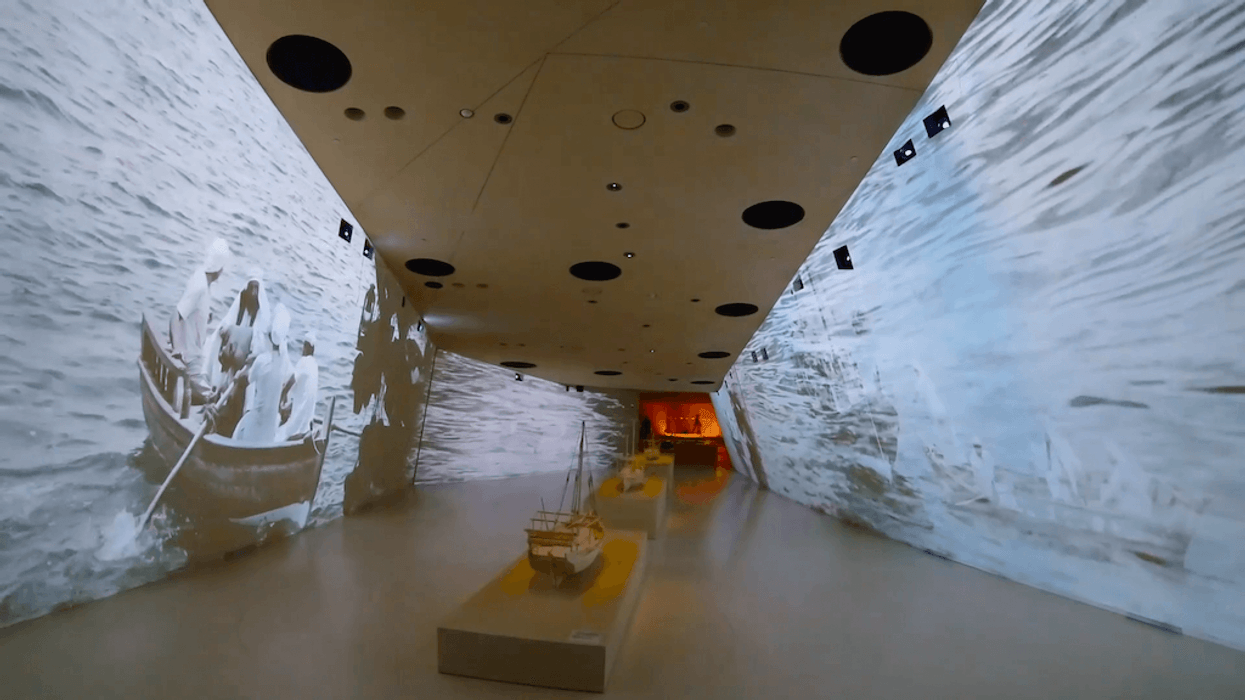

PICO, a developer of cutting-edge virtual reality (VR) and mixed reality (MR) headsets, was chosen by iDISCOVR, the studio behind IMMERSIA, to support the move of Echo of the Universe, its multiplayer free-roaming LBVR experience, from PCVR to a fully standalone architecture.
In Echo of the Universe, visitors journey from Earth to the Moon and Mars, then venture beyond the Solar System to discover distant planetary systems, nebulae, star formation, black holes, and the search for extraterrestrial life.
The experience is centred on an adventure story featuring NPCs and was developed with input from approximately 30 artists, scientists, and specialists.
The experience was originally developed for PCVR and later ported to a fully standalone architecture using PICO 4 Ultra Enterprise headsets and iDISCOVR's iFLOW operational platform.
The deployment involved over 50 PICO 4 Ultra Enterprise headsets across various locations, including Lyon, Saint-Etienne, and Bordeaux. Visitor flow reached approximately 50 visitors per hour, depending on the venue’s configuration and schedule.
During the initial six-month validation phase, the total audience amounted to around 20,000 individuals.
The operating model comprised venues managed by iDISCOVR as well as partner locations. The users ranged from families, school groups, and tourists to companies, science and culture enthusiasts, and first-time VR users.
The task
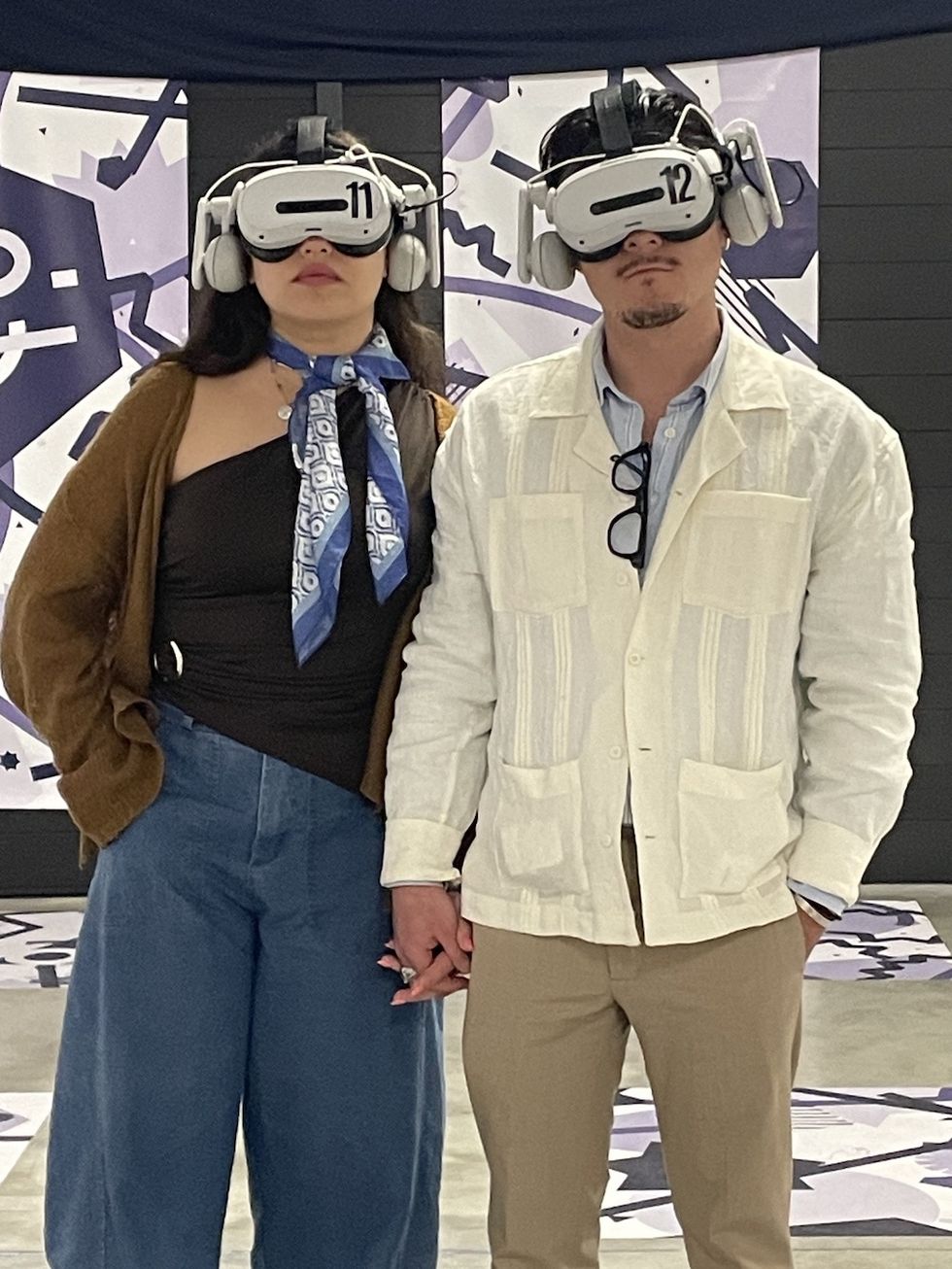
Echo of the Universe VR uses PICO 4 Ultra Enterprise headsets and iDISCOVR's iFLOW operational platform
Image courtesy of iDISCOVR
The main challenge was to move Echo of the Universe from PCVR to standalone without making the experience feel visually downgraded. The project needed to remove the operational complexity of one gaming PC per headset, reduce cabling and setup time, and make the model easier to reproduce in new venues.
The main objectives included preserving the visual quality and fluidity of the original PCVR version, attracting approximately 50 visitors per hour with minimal friction, and ensuring headsets remained continuously available between sessions.
Additionally, the goal was to reduce the technical infrastructure and staff time required for each venue, while creating a repeatable setup suitable for franchises, museums, science centres, and international partners.
Over the years, major challenges include the heavy infrastructure and long installation times for PCVR, maintaining stable visual performance on standalone hardware, managing batteries, headset rotation, and visitor flow during busy sessions.
Providing first-time VR users with a quick, clear image without lengthy headset or IPD adjustments has been difficult. Managing multiple headsets without disrupting entire groups when one needs attention is another challenge.
Key priorities for overcoming these issues are improving efficiency, reducing costs, increasing engagement, enhancing learning outcomes, scaling operations, improving user accessibility, justifying costs, and ensuring sustained engagement through updates.
PICO XR addresses challenges
"Among the enterprise standalone headsets we tested, PICO 4 Ultra Enterprise was the only one that fully met our expectations for visual quality, image clarity and fluidity," says iDISCOVR.
" After the port, we did not see recurring negative feedback from visitors about the visual quality compared with the former PCVR setup.
"The headset is integrated with iFLOW, our operational platform, which manages headset assignment, visitor progression, launches, battery status, device monitoring and targeted restarts."
This lets the team manage a continuous visitor flow without needing one PC per user.
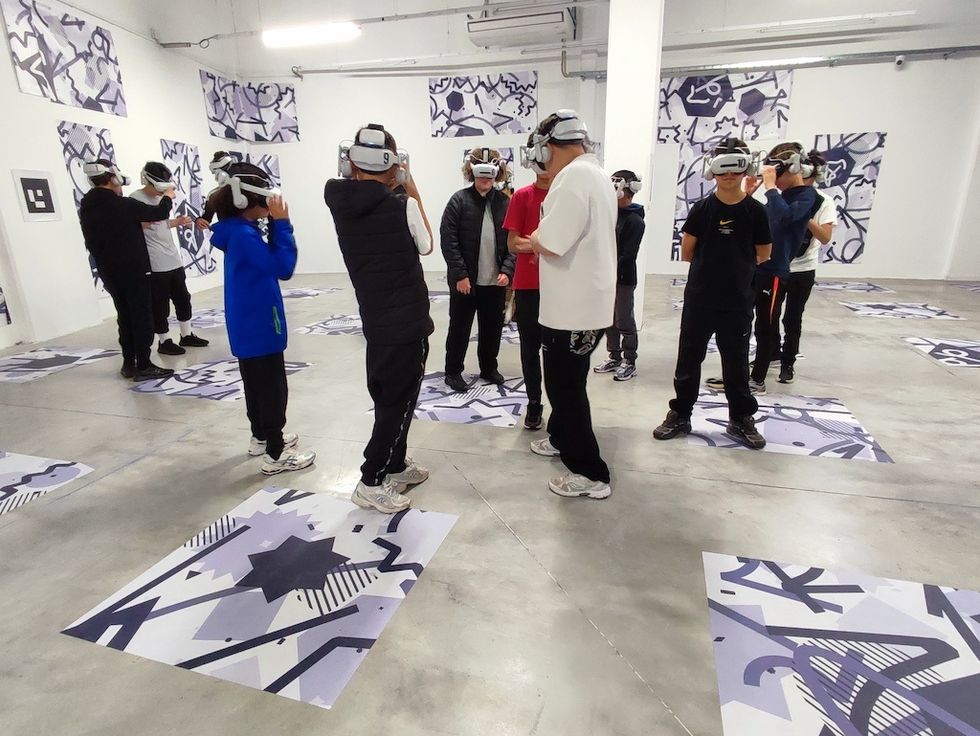
PICO's headsets helped iDISCOVR solve operational challenges when moving Echo of the Universe from PCVR to a fully standalone architecture
Image courtesy of iDISCOVR
The standout features of the PICO XR include its standalone graphical performance, which offers a visually convincing and smooth experience that appeals to the public. Its pancake lenses deliver a clear image for most visitors without the need for precise IPD adjustments.
The swappable batteries allow quick replacements between users, eliminating charging downtime. Designed for enterprise use, the headset supports repeatable, high-throughput experiences in location-based entertainment environments.
Plus, its comfort and ease of onboarding make it especially suitable for families, children, and first-time VR users.
"The standalone setup is much easier to deploy than the previous PCVR configuration," adds iDISCOVR.
"There are fewer computers, cables and potential failure points. Battery swapping is quick, and iFLOW allows the team to see the status of each headset and restart a single device without stopping the rest of the group.
"This has reduced friction for both operators and visitors."
A positive experience
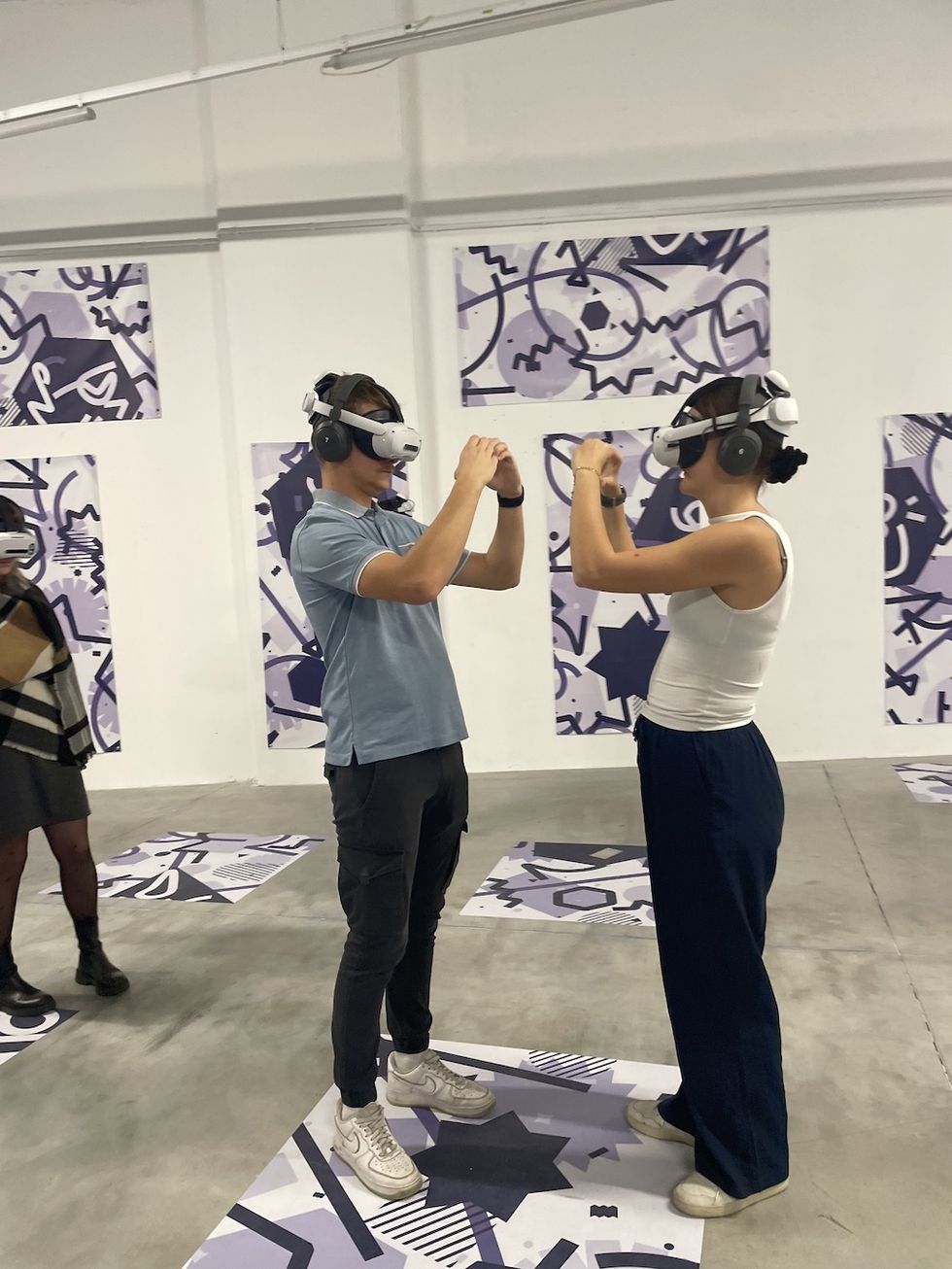
Visitor feedback from Echo of the Universe VR was overwhelmingly positive
Image courtesy of iDISCOVR
The project raised approximately €200,000 in ticket revenue during that validation phase and received an average public rating of around 4.9/5 across iDISCOVR's main review channels.
Visitor comments include: "An incredible experience. Having hardly ever tried VR before, I was amazed by how realistic it felt! A real journey... An absolute must-try!" and "An excellent experience! I have rarely seen anything so smooth and realistic. I truly recommend it to everyone!"
"PICO is now our preferred headset for current and upcoming IMMERSIA deployments," says the firm.
"We are expanding IMMERSIA through directly operated venues, franchises, museums, science centres and international licensing partners. The next deployments are being designed around PICO hardware and the standalone version of Echo of the Universe.
Beyond hardware, distribution is the main area where iDISCOVR believes PICO could help, and the firm adds it is interested in introductions to LBE operators, museums, science centres and cultural venues, including opportunities with PICO's team and network in China.
iDISCOVR has received around €500,000 in grants and public support and is now beginning to validate its direct ticketing model, with approximately €200,000 in revenue generated during its initial validation phase.
Several recognised scientific and cultural institutions, including Cap Sciences Bordeaux and La Rotonde at Mines Saint-Étienne, have also signed licensing agreements with iDISCOVR.
The company is currently actively raising funds and meeting investors to accelerate the deployment of IMMERSIA, iFLOW and its catalogue of immersive experiences.
Last month, PICO shared that it is partnering with STYLY in a long-term, ongoing relationship across nearly all of its location-based experience projects as the spatial layer platform evolves into a global LBE distribution platform.
STYLY selected the PICO 4 Ultra Enterprise for its ease of use and operational reliability.