
Integrated resorts have emerged as one of the most effective models for tourism and leisure development, bringing together accommodations, attractions, retail-dining-entertainment (RDE), and other leisure experiences within a single destination.
Unlike traditional hotels or standalone attractions, integrated resorts are designed to encourage guests to stay longer, spend more, and engage with multiple experiences during a single visit.
For developers, the model's appeal lies in its ability to diversify revenue streams and build a more resilient business.
Hotels benefit from the visitation generated by attractions, while attractions benefit from the captive audience provided by overnight guests.
Retail, food and beverage, and entertainment offerings further strengthen the ecosystem, creating synergies that increase both guest satisfaction and commercial performance.
For destinations and governments, integrated resorts can serve as powerful tourism catalysts, attracting domestic and international visitors, creating employment opportunities, and driving broader economic development.
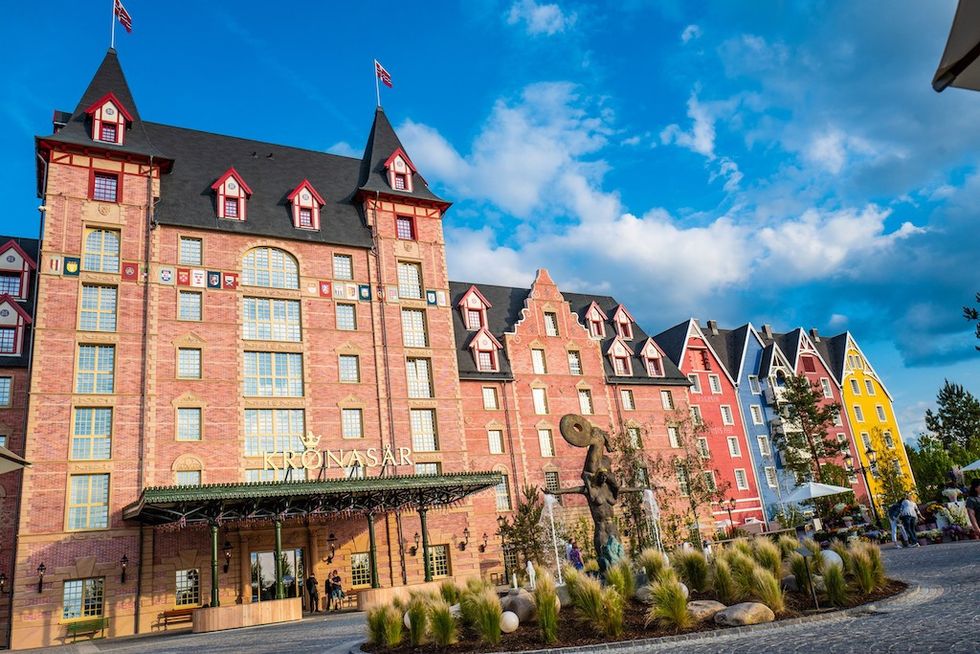 Krønasår Hotel at Europa-Park, an example of an operator adding accomodation to encoourage multi-day visits
As competition for tourism spending continues to intensify, destinations increasingly rely on integrated resorts to differentiate themselves and give visitors compelling reasons to commit to multi-day stays.
While the end goal is often the same, the path to becoming an integrated resort can vary significantly. Some destinations begin as hotels and gradually add major attractions to transform into multi-day resorts. Others are built around a flagship attraction and subsequently develop accommodation and supporting amenities.
The most ambitious projects are conceived as fully integrated destinations from the outset, with every component planned as part of a comprehensive master plan.
In all cases, attraction designers, leisure strategists, and feasibility consultants play a critical role in guiding development.
Through market analysis, master planning, and phased growth strategies, these specialists help developers identify the right mix of experiences, align investment with demand, and create destinations that can evolve successfully over time.
The result is a diverse range of integrated resort models that demonstrate how hospitality, entertainment, and attractions can work together to create world-class destinations.
Hotel first: resort development through attraction expansion
Many integrated resorts begin life as traditional hotel or resort developments.
As market demand grows and operators seek to increase length of stay and visitation, major attractions are added over time. These additions go beyond standard resort amenities and become destination drivers in their own right.
This approach allows developers to establish an initial revenue base through accommodations before making larger investments in attractions and entertainment.
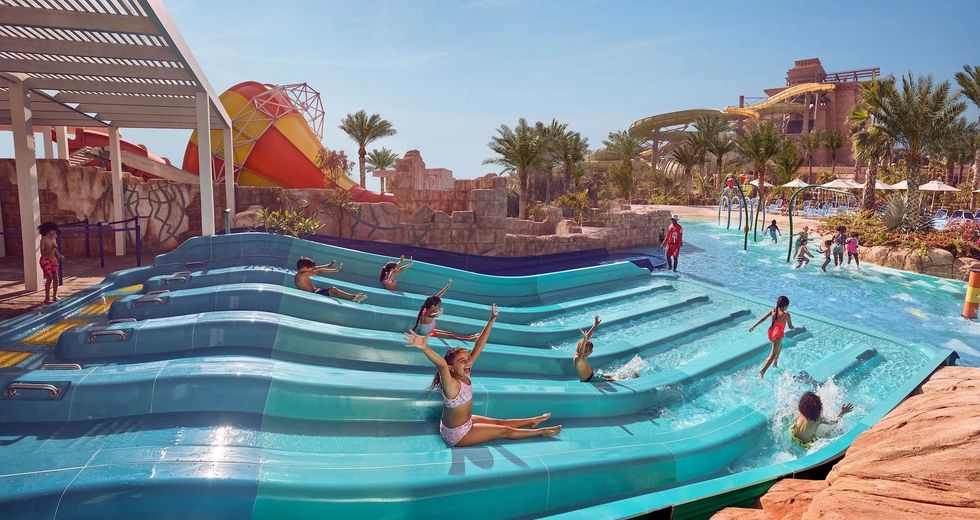 Aquaventure at Atlantis the Palm in Dubai has been expanded to add to the resort's appeal Image courtesy of Aquaventure
Atlantis Dubai represents one of the world's most recognizable examples of a hotel-led integrated resort.
The destination initially combined luxury accommodations with a water park offering, but over time evolved significantly through the expansion of Aquaventure, the addition of a major aquarium experience (Lost World Dubai), and a broad portfolio of family entertainment facilities, including extensive children's programs and activities.
Today, the attractions are as important to the resort's success as the hotels themselves.
Attractions first: building resorts around anchor experiences
A second development pathway begins with a major attraction.
In these projects, a theme park, water park, or signature entertainment venue serves as the primary catalyst for visitation. Hotels and resort components are introduced later to increase guest dwell time, capture additional spending, and strengthen the business case.
This strategy is particularly common in destination tourism markets where a flagship attraction generates substantial visitor demand before overnight accommodations become essential.
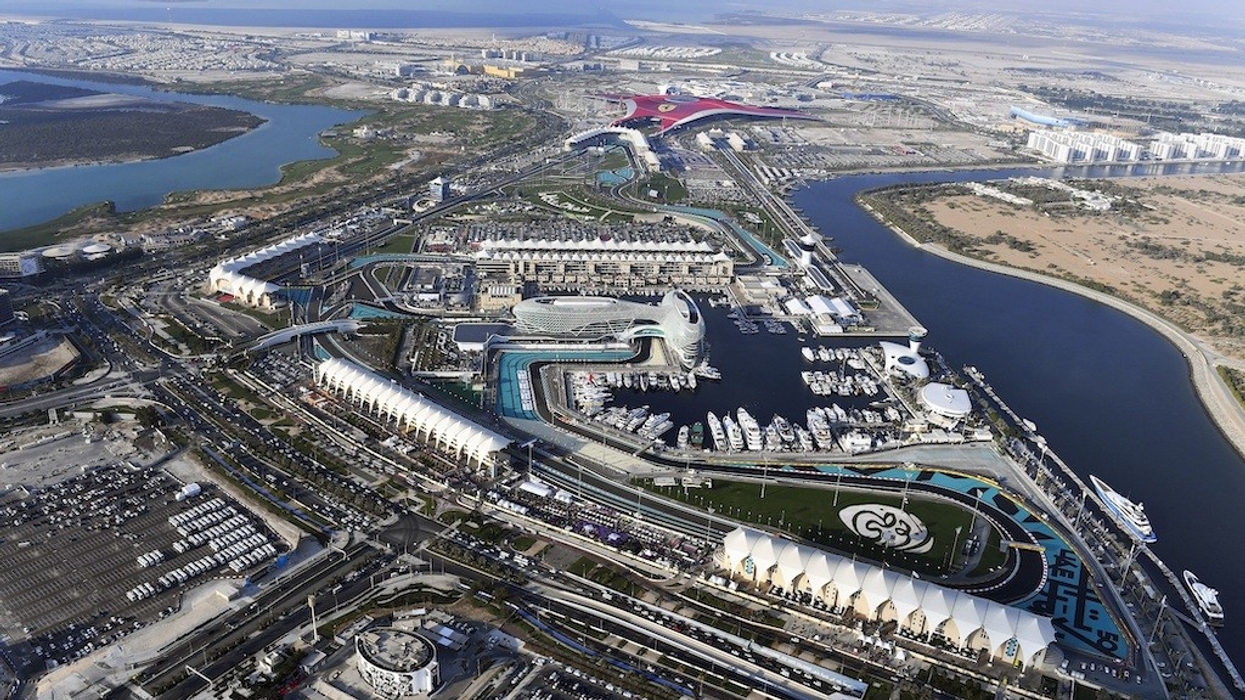
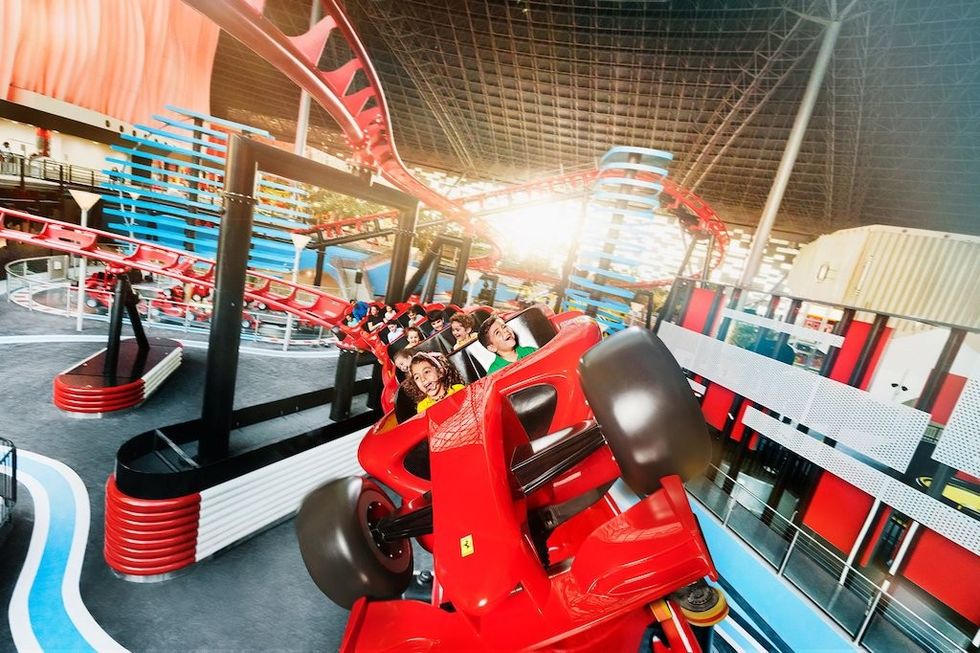 The area around Ferrari World Abu Dhabi has been further developed, with more attractions and several hotels
Ferrari World in Abu Dhabi was initially conceived as a destination theme park attraction. As visitation increased, the surrounding Yas Island tourism district expanded to include a major water park (Yas Waterworld), a second theme park (Warner Bros. World), and multiple hotels.
Together, these developments created a fully integrated leisure destination capable of supporting both domestic and international tourism.
See also: The economics of accommodation at attractions
Fully master planned: integration from the beginning
Some of the most sophisticated integrated resorts are conceived through a comprehensive master-planning process from the outset. Rather than planning and adding attractions or accommodations incrementally over a longer period, developers define the complete destination vision before construction begins.
In these projects, hotels, attractions, retail, entertainment, transportation systems, and public spaces are designed as interconnected components that collectively support visitation, spending, and long-term growth.
This approach requires extensive market analysis, visitor forecasting, operational planning, and phased development strategies, often led by specialist attraction design and feasibility consulting teams.
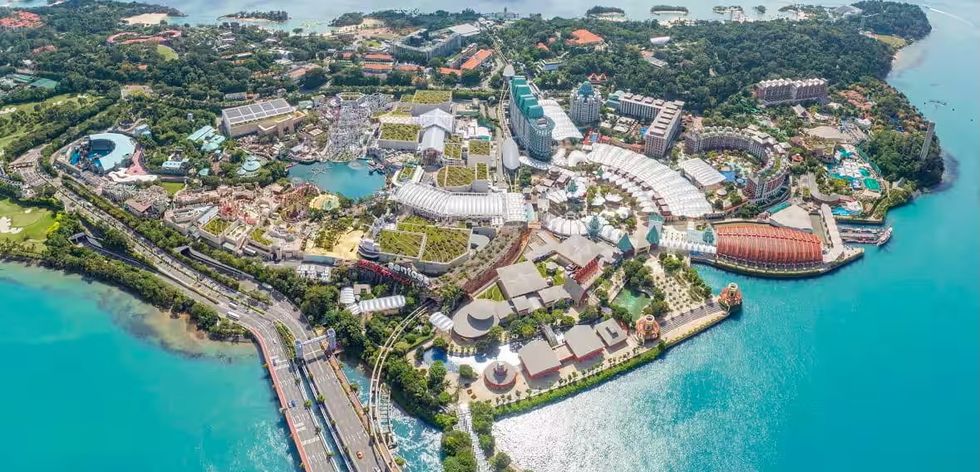 Resorts World Sentosa was planned as an integrated resort from the start
Resorts World Sentosa is one of the most successful examples of a fully master-planned integrated resort.
Developed across 49 hectares, the destination combines Universal Studios Singapore, marine life attractions (Singapore Oceanarium, Dolphin Island), three hotels, retail and dining districts, and entertainment experiences.
Because integration was considered from the earliest stages of planning, each component complements the others, resulting in a seamless guest experience and a destination capable of attracting both regional and international visitors.
There's no single formula
There is no single formula for creating a successful integrated resort.
Some destinations evolve from hotels into attraction-rich resorts. Others begin with a powerful attraction and subsequently introduce accommodations to support longer stays. Increasingly, however, leading developments are being conceived as fully integrated destinations from the very beginning.
Regardless of the pathway, the common factor is strategic planning.
Attraction designers, planners, and feasibility consultants help developers identify demand, establish the right mix of experiences, and create phased growth strategies that maximize both guest value and commercial performance.
As competition for tourism spending continues to intensify, integrated resorts will remain one of the industry's most effective models for creating compelling, multi-day destination experiences.