Guide-ID, the audio tour specialist, is celebrating the success of its partner, Art Zoo Museum in Amsterdam, which has been named one of TIME Magazine’s World’s Greatest Places of 2026.
The museum opened in 2025 and invites visitors to slow down, look closely and see the animal world from a different viewpoint.
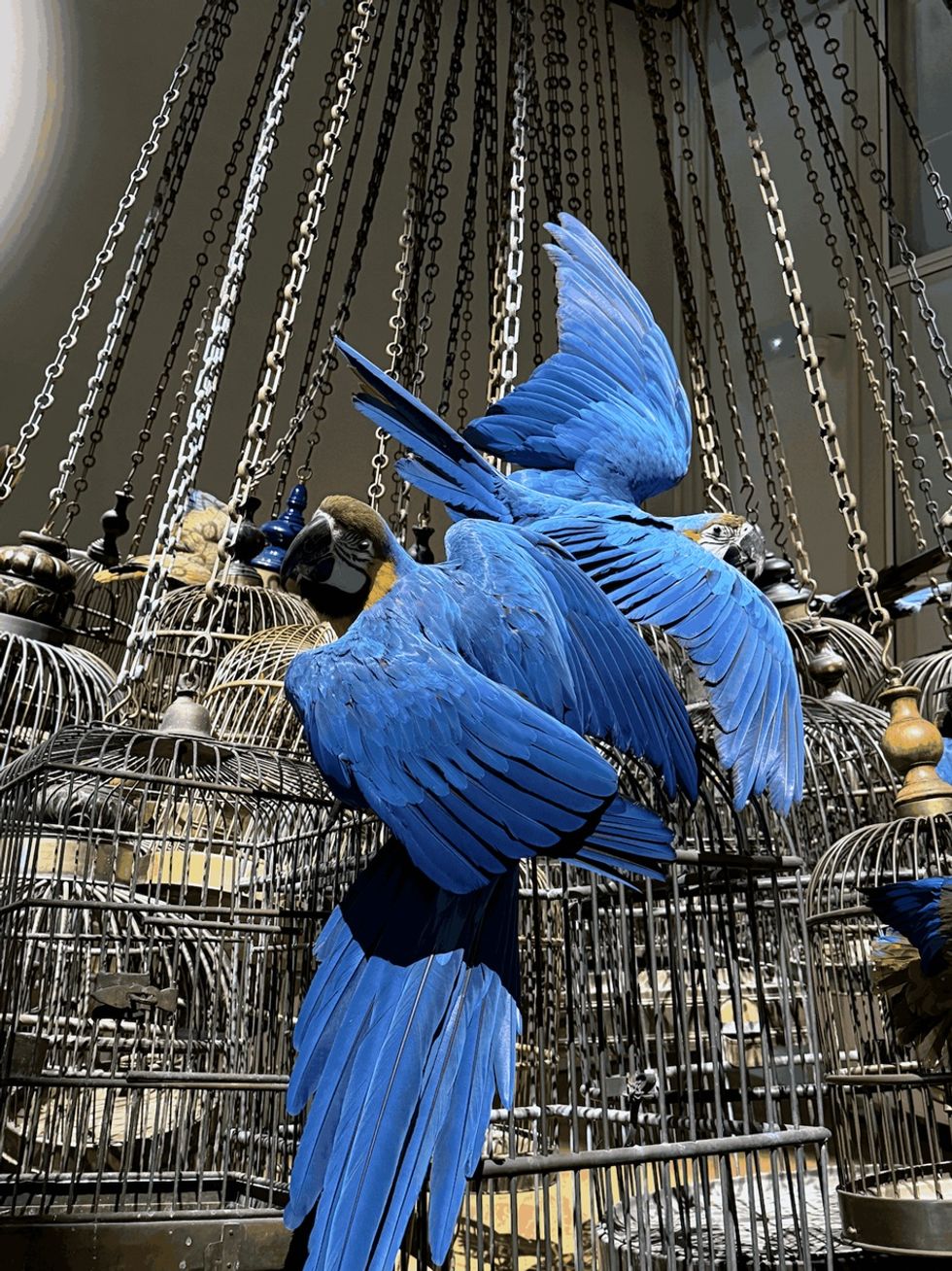
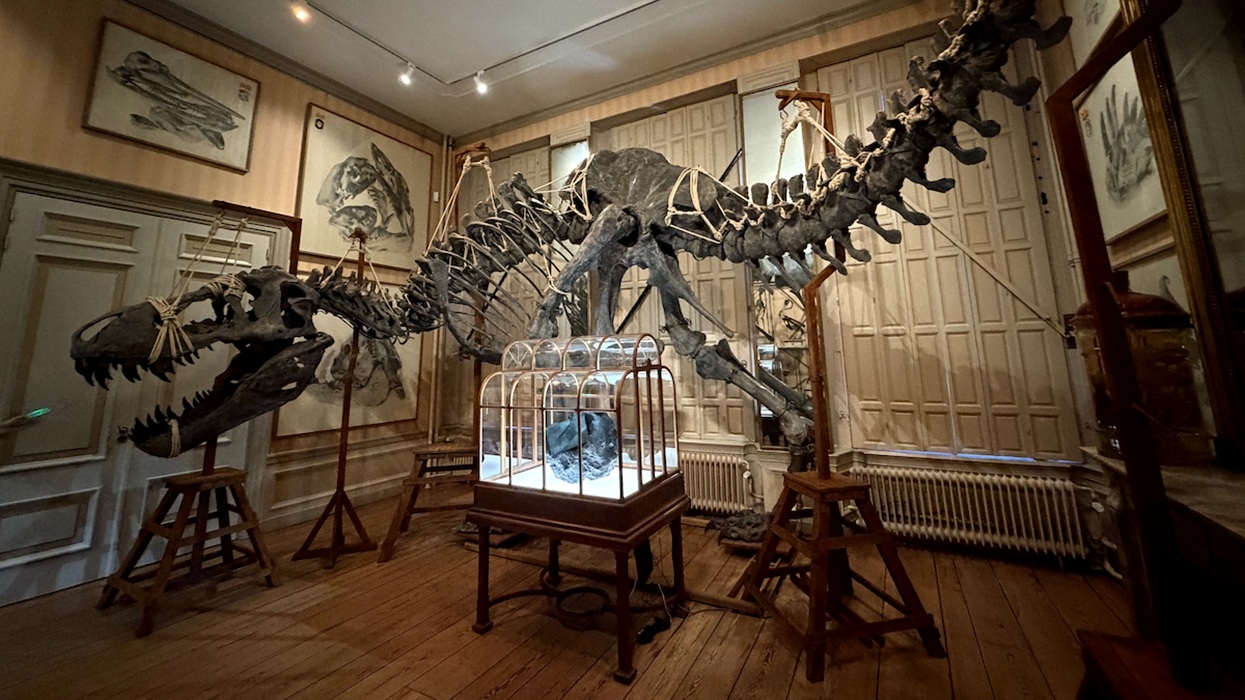
Art Zoo Museum features works from the acclaimed Dutch art studio, Darwin, Sinke & Van Tongeren
Image courtesy of Guide-ID
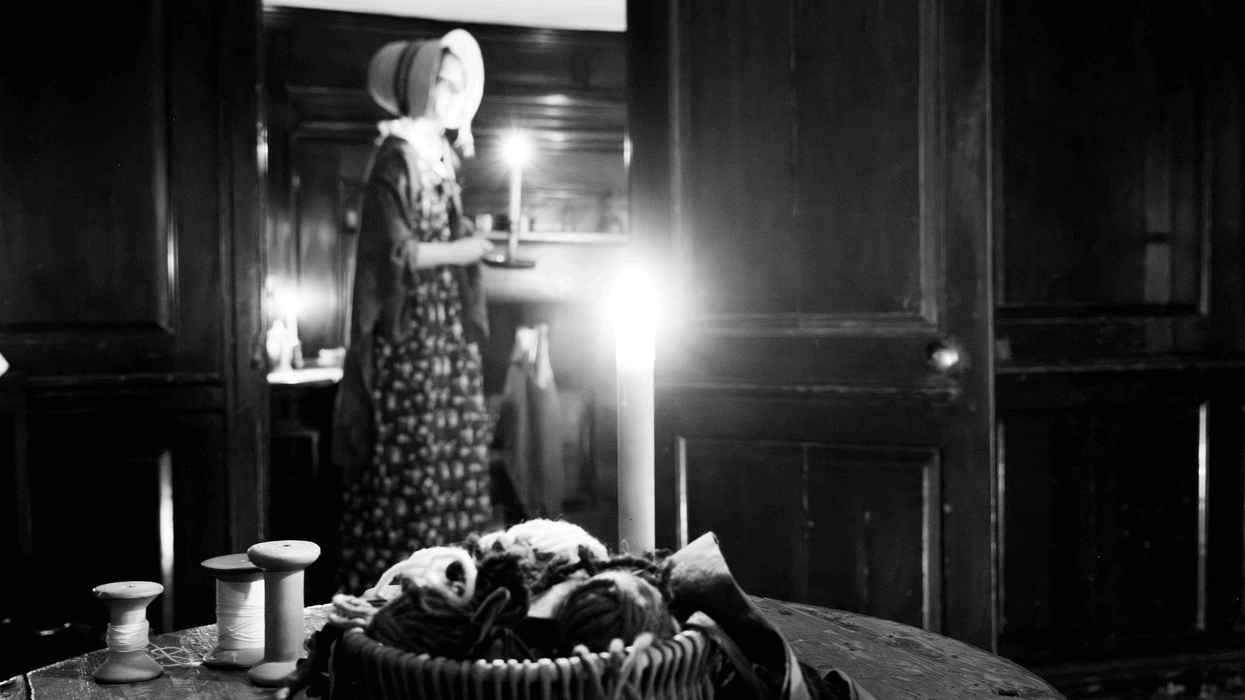
Throughout the museum's 17th-century canal house, guests can see works from the contemporary taxidermy art studio Darwin, Sinke & Van Tongeren, featuring hundreds of animals arranged in dramatic compositions.
By combining nature, art, history and immersive storytelling, the experience aims to capture visitors’ attention and encourage a deeper connection and sense of presence.
This focus has also informed the museum's audio guide, developed by Guide-ID, which uses a screen-free approach to help visitors stay focused on the objects, stories, and spaces around them.
"At Guide-ID, we believe the best technology is the technology that disappears; our goal is not to place another screen between visitors and the experience, but to help them become more present within it using a screen-free museum audio guide," says a spokesperson from the company.
"Creating an experience that feels effortless, immersive, and memorable, where visitors leave not only with a deeper understanding of what they have seen, but with a feeling they carry with them long after the visit ends. Remembering the stories, emotions, and moments of wonder."
Emotional, immersive storytelling
From the outset, audio was considered a vital part of the visitor experience. Art Zoo Museum wanted to share stories and context while maintaining the historic building's visual atmosphere, instead of filling these spaces with information panels.
Guide-ID’s approach to visitor attention, that technology should support the experience, not distract from it, aligns closely with this goal.
When guests need to look at another screen, their attention can be diverted from the objects, architecture, and stories in front of them. A screen-free audio approach keeps guests’ eyes on the exhibit, and their ears on the story.
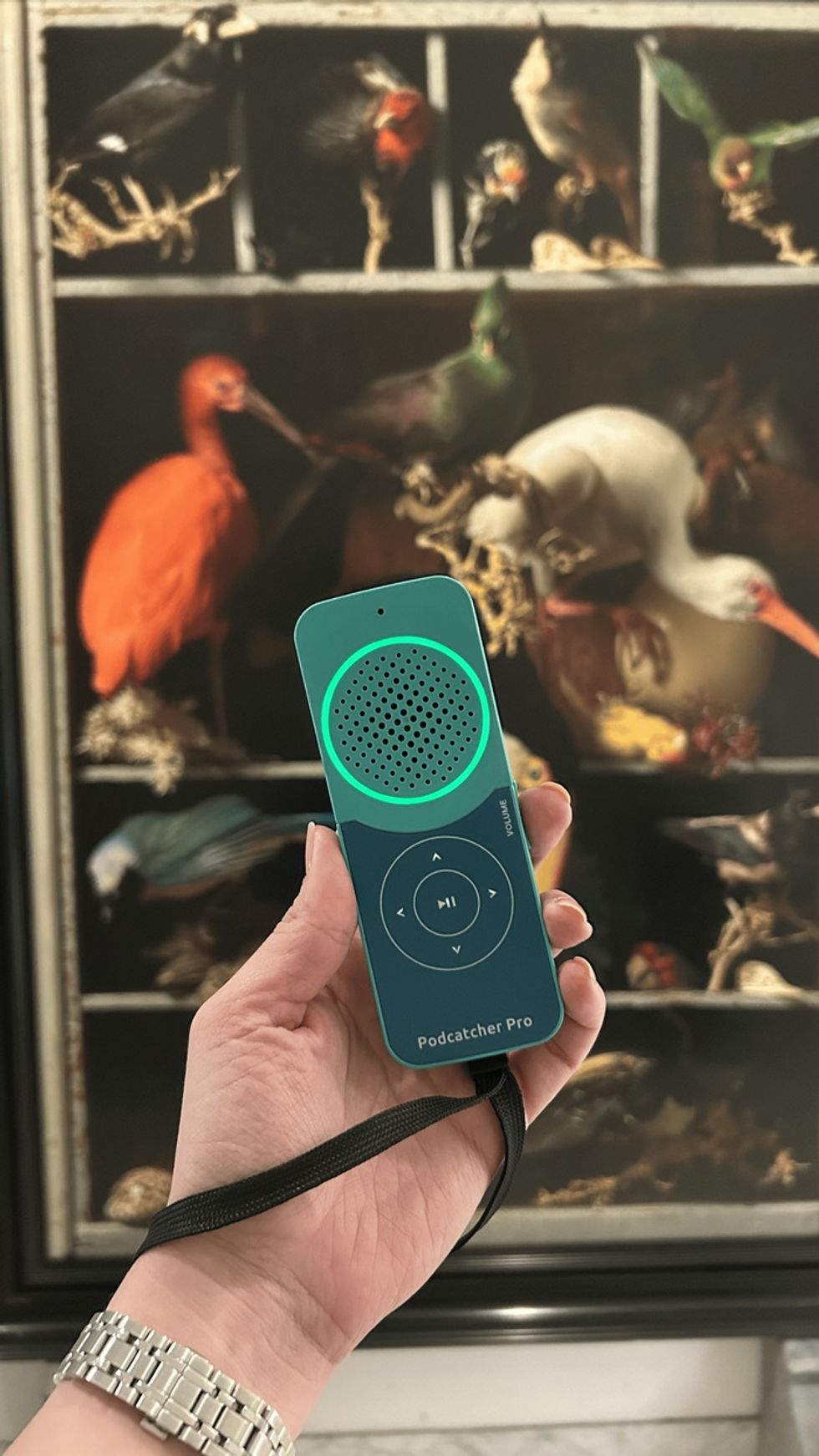
Guide-ID’s Podcatcher Pro adds an emotional, immersive layer without visual distractions
Image courtesy of Guide-ID
Guide-ID’s Podcatcher Pro adds an audio layer without adding visual distractions. Guests can pick up the dedicated device and start the tour without downloading an app, scanning QR codes, or using their phones. The technology is deliberately simple so it blends into the experience.
At Art Zoo Museum, this means guests can hear stories, narration, and animal sounds while looking at the animals and artworks. Rather than sharing facts, the audio directs attention, encourages guests to notice details, and helps them imagine the exhibits coming to life.
This short, engaging storytelling is designed for visitors of all ages and stands in contrast to conventional, information-heavy approaches.
Furthermore, the museum can understand and improve its approach to visitor attention using Guide-ID’s Tour Editor Platform. This allows Art Zoo Museum to use listening data to learn how visitors interact with the tour and the languages they use most often.
By combining this with conversations and guest feedback, the attraction can continuously refine the experience.
Guide-ID's partnership with Art Zoo Museum demonstrates how the best technology disappears. Instead of asking visitors to look at a device, the audio guide adds a layer of storytelling that lets them stay present with the physical experience.
The result is a space where nature, art, architecture, and storytelling combine with screen-free technology to create a deeply meaningful visit that captures attention, encourages reflection, and stays with guests long after they leave.
Earlier this year, Guide-ID shared insights into the continued popularity of dedicated, screen-free audio guides, noting a strong visitor preference for dedicated audio guide devices over BYOD solutions.