The iconic Liverpool Football Club (LFC) is recognised worldwide by both football fans and the wider public alike.
And this fame extends to the club’s home stadium, Anfield.
Since the club’s formation in 1892, this stadium has witnessed the team’s triumphs and tribulations and evolved to accommodate growing numbers of spectators.
Key developments have included the landmark expansion of the main stand and the recent redevelopment of the Anfield Road stand.
With this continual evolution, the stadium’s total capacity is now more than 61,000 spectators.
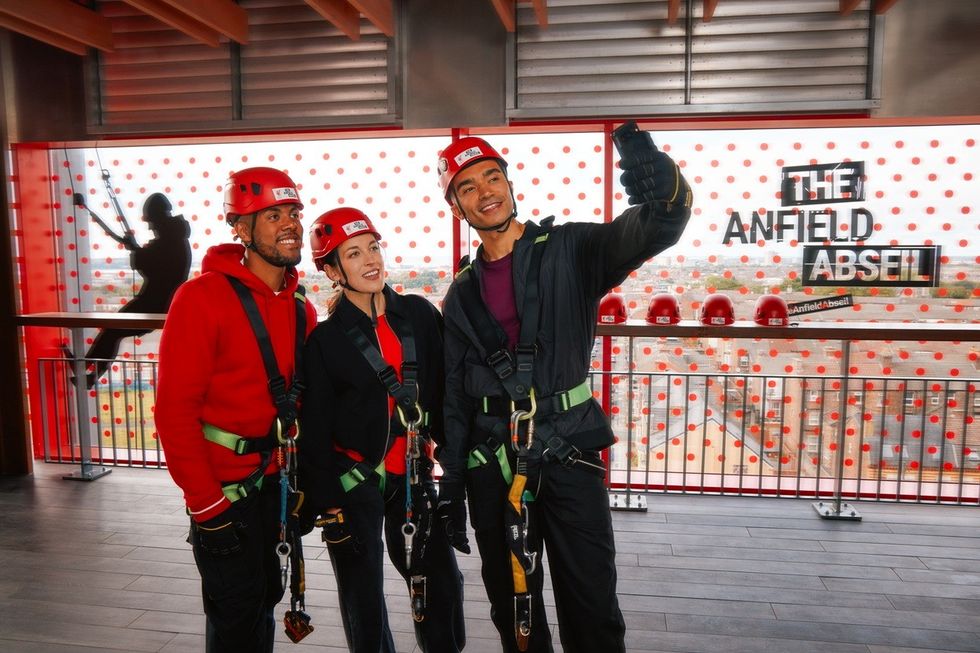
And this extensive space enables LFC to deliver a wide range of tours and experiences, which include the Anfield Abseil, Lunch with Legends, a dedicated museum, and more.
These experiences allow the club to nurture new revenue streams, build reputation, and extend the use of its extraordinary spaces, taking the stadium from a match-day venue to a year-round attraction.
And as more and more sports stadiums become attraction-focused outside of the sports events, we speak to Tom Cassidy, the club’s director of tourism, about the strategic evolution of the club’s visitor experiences.
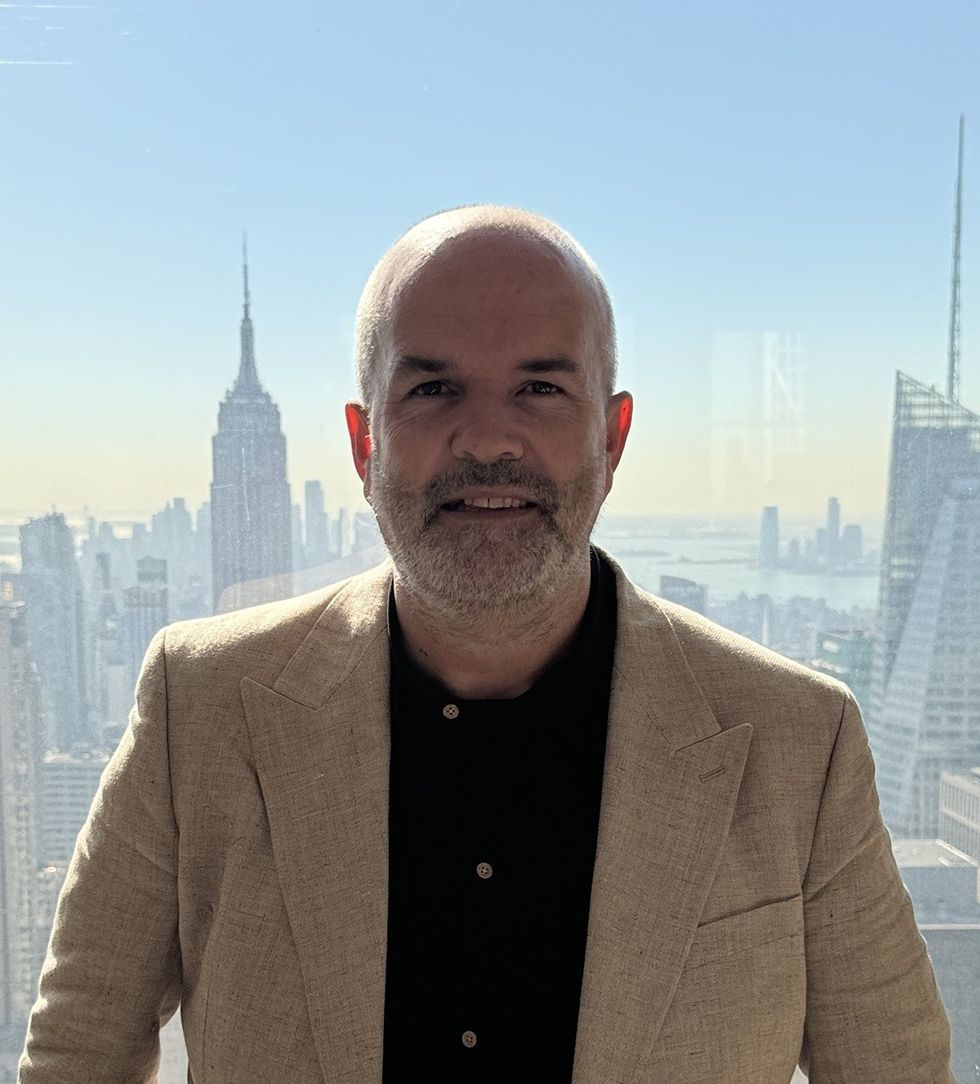
Tom Cassidy
Sustainable growth
In 2009, Cassidy was tasked with commercialising Liverpool Football Club’s tourism offer. Since then, the club has expanded, and its ambition as an organisation and a destination has evolved.
Cassidy seeks to balance the vision of the wider club, reputation, and synergy with key stakeholders, such as Liverpool City Region. However, his focus remains on delivering sustainable growth and enhancing the fan and visitor experience.
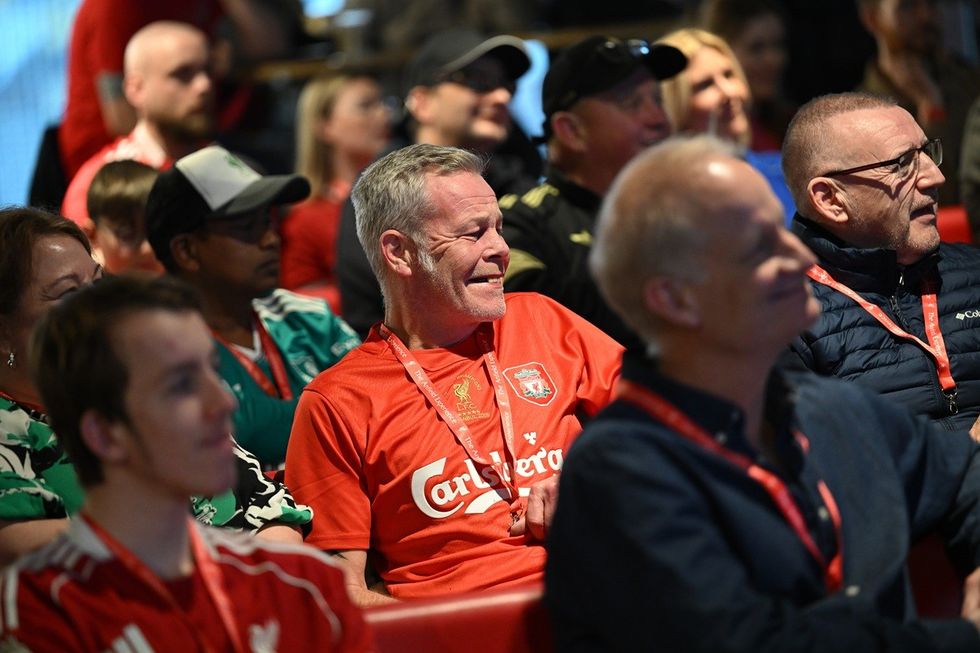
“It's being innovative in what we deliver. It's giving people a reason to visit and, importantly, a reason to come back. Like many areas of business, recommendation is key. We want people to go away and tell their friends and family about it.”
“We are a commercial business,” he says. “We've got to keep driving numbers in, and that comes via a few different strands.
And experience-led travel is a quickly growing market. Recent research from both Visit Britain and Arival has highlighted an increase in travellers attending sports-related and music events.
“We are a 365-day-a-year venue, but maybe with 25 to 30 events/games a season in there as well. So, it's really important that what we look at drives visitors year-round,” says Cassidy.
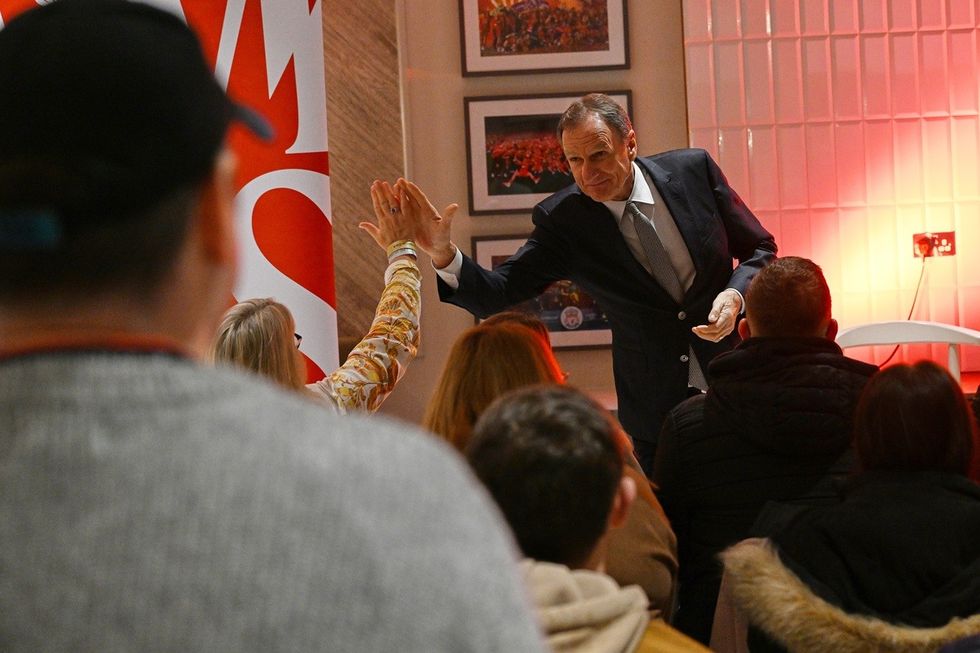
Of course, this appeal is rooted in the Club’s powerful identity.
“The Premier League is huge globally. There's a huge appetite for what we do, and it's growing in some markets as well.
“All that brings that interest and reason to visit. For us, it is about then linking that into the event strategy.”
No. 1 attraction in the Liverpool City Region
“We are one of the world’s largest football clubs. We have a duty to deliver best-in-class for our fans and visitors, which aligns with the wider club.
“We've got a big story to tell, we need to bring to life the history of Liverpool Football Club, and it's got to be factual and compliant.”
While football is the central focus of all of the Club’s activities, the visitor plays an important supporting role.
For fans, a trip to Anfield is an extraordinary occasion, and might be a once-in-a-lifetime experience. The challenge, Cassidy says, is to bring in those visitors who aren’t existing LFC fans.
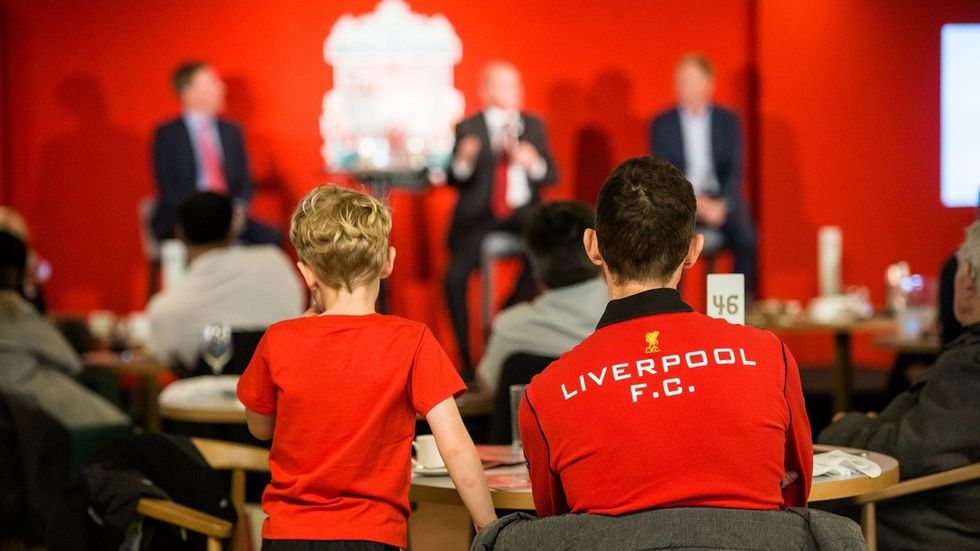
In this, he seeks to position the offer as entertainment rather than simply a fan experience.
“We try to position ourselves as the number one attraction in the Liverpool City Region.
“Whether they're groups, or individual travellers, or partners of people who were a bit reluctant to come, visitors go away, and they tell us and all the review sites just what a great experience they had at Liverpool Football Club.
“I take a lot of satisfaction in that.”
Modular experience structure
The events programme aims to make the most of the stadium outside match days. Anfield offers world-class facilities with a capacity of more than 61,000 spectators, and the commercial strand of the business seeks to optimise income from this resource.
The continually evolving offer centres on stadium tours. Recently, these have been reshaped with a more deliverable, modular structure.
Rather than offering separate experiences, tour visitors can add bolt-ons such as Q&As or lunch with the club’s legends, customising their experience.
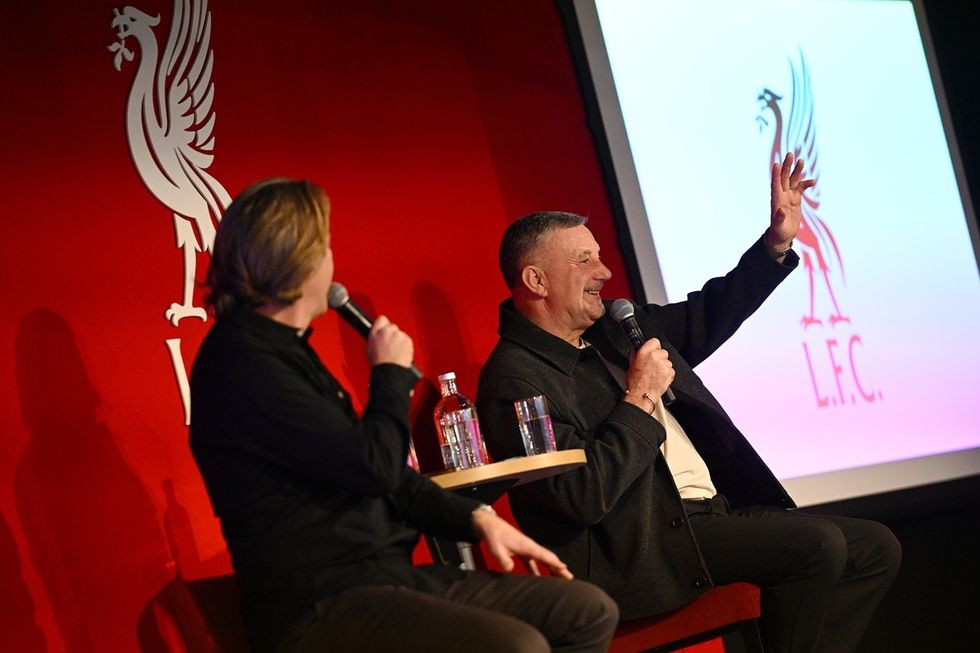
“We're opening it out more, making it affordable,” says Cassidy.
“It's accessible now. So when people come for their stadium tour, which will always be the core product, they now have the option to choose their day.”
This new approach also offers flexibility to segment different markets as the offer evolves.
For example, the new structure shifts the lunch element from a formal sit-down meal to a vibrant street-food experience, appealing to a slightly younger demographic.
“It’s going to be more demand-led. We see trends in the sector about what 18- to 25-year-olds are doing. And looking at our visitor profile, we are always evolving.”
Hybrid tour model
While the ambition is big, it is tempered by the demands of the working stadium.
“We have to get that balance right between our peak days, which are around match days; we can't just go for numbers,” says Cassidy.
Tours are delivered using two models. At quieter times, they are all led by guides and can accommodate up to 50 people.
However, once the venue reaches its anticipated capacity, it switches to a hybrid model. Visitors can move freely around the venue and engage with 12 or 13 guides as they explore.
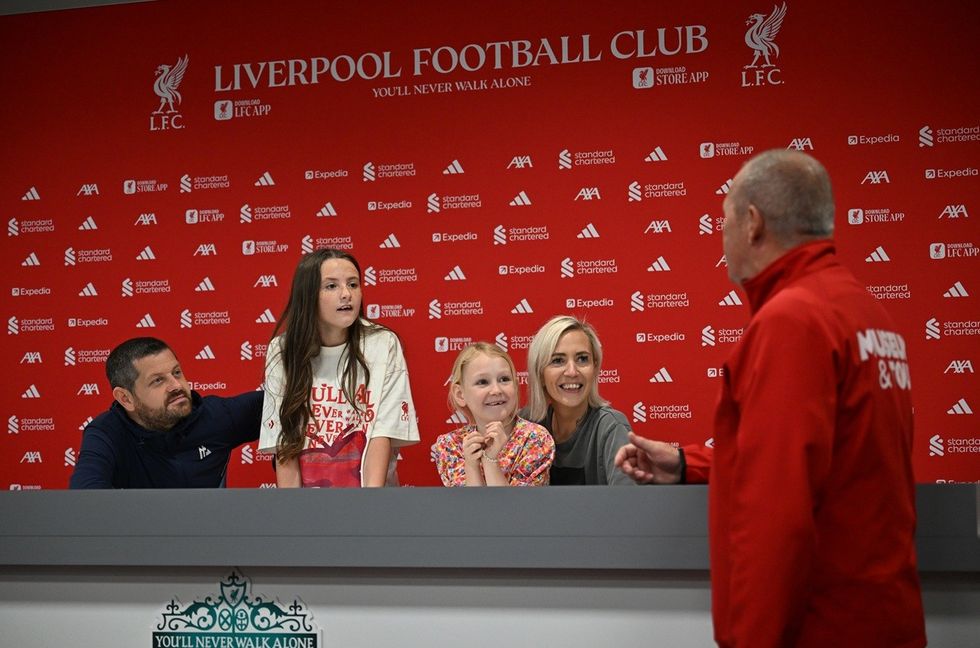
“We can get higher numbers in. On a typical working day, we can get up to 4,000 people through. These are big numbers,” says Cassidy.
“And it's important that we do this in the right way, we're not rushing people through. This model means people can choose what they want.
“If people want to find out more along the whole tour route, they can. If people want to rush through and just take some photos, we cater for that.”
Atmosphere and ambience
By carefully managing capacity, the team can ensure a high-quality visitor experience. And to manage visitor flow, the experience can include more space for storytelling.
This, Cassidy says, means that visitors are less likely to bottleneck around the tour’s highlights, like the players' dressing room, the tunnel or the dugout.
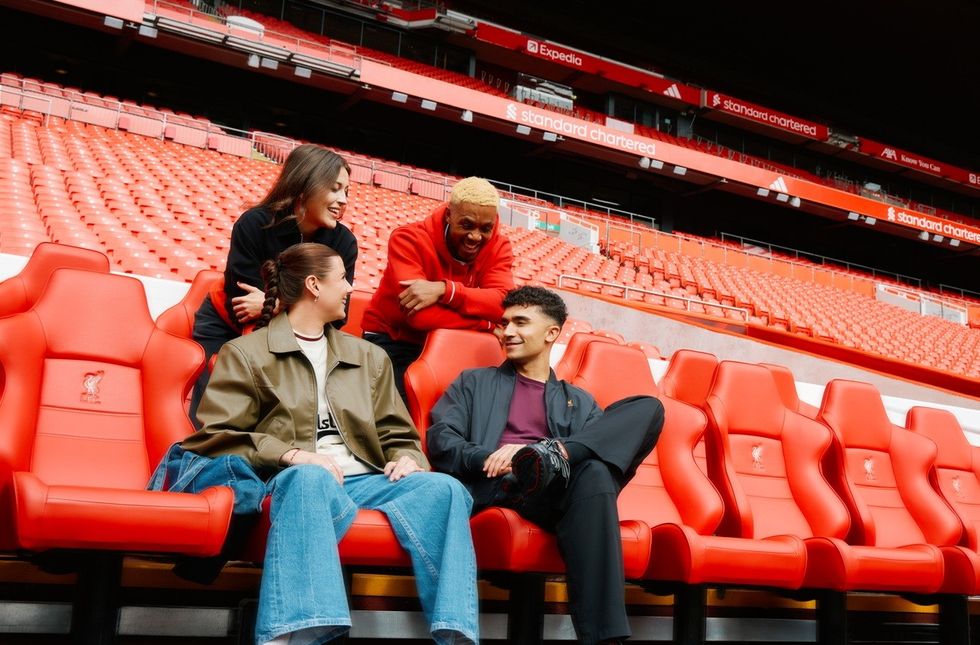
“Around match days, we do a lot of storytelling in the concourse areas, transforming them from match day into what people see on our tour,” he says.
“And that takes a lot to set up. Whilst we try to make things as easy as possible for the staff, there's no magic wand to go from match day to setting up for the many thousands of visitors.”
Whether visiting directly after a match or during a quieter period, every visitor experiences the same quality of the visit.
This means that the cleanup after a match needs to be quick, and the setup needs to support a speedy turnaround.
Likewise, the attraction needs to evoke the excitement and warmth of a match day in the off-season. Visitors on a cold and rainy November day should be offered a comparable experience.
“It's so important that we capture that atmosphere and ambience, and the real special things that only we can do here.”
You’ll Never Walk Alone
The tour route takes visitors to the level-six concourse, where the story begins on floor-to-ceiling screens.
“It’s really high impact, and our captain comes on screen and tells everyone to follow him in. The screen lifts up, and they walk through, and that's the first time that they see the pitch.
“For me, that's the best view of the stadium.”
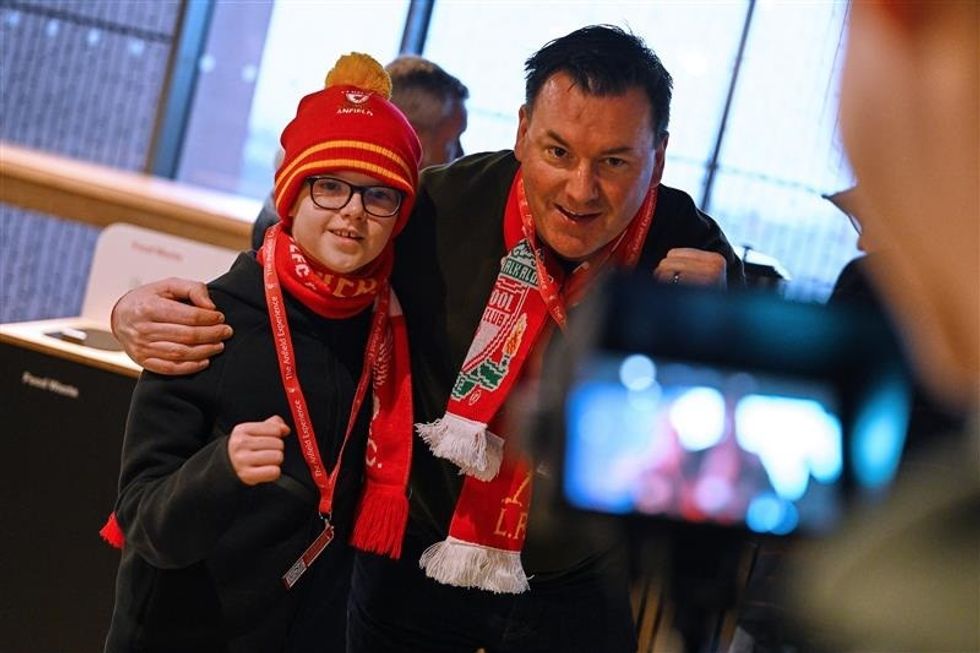
Visitors then use multimedia devices to view 360-degree footage of a recent game, and hear the crowd singing the club anthem, ‘You’ll Never Walk Alone”.
“If it's people's only visit to Liverpool Football Club, we have to give them a feeling for what it's like. We try to build the excitement where we can.
“We have the wow factor.”
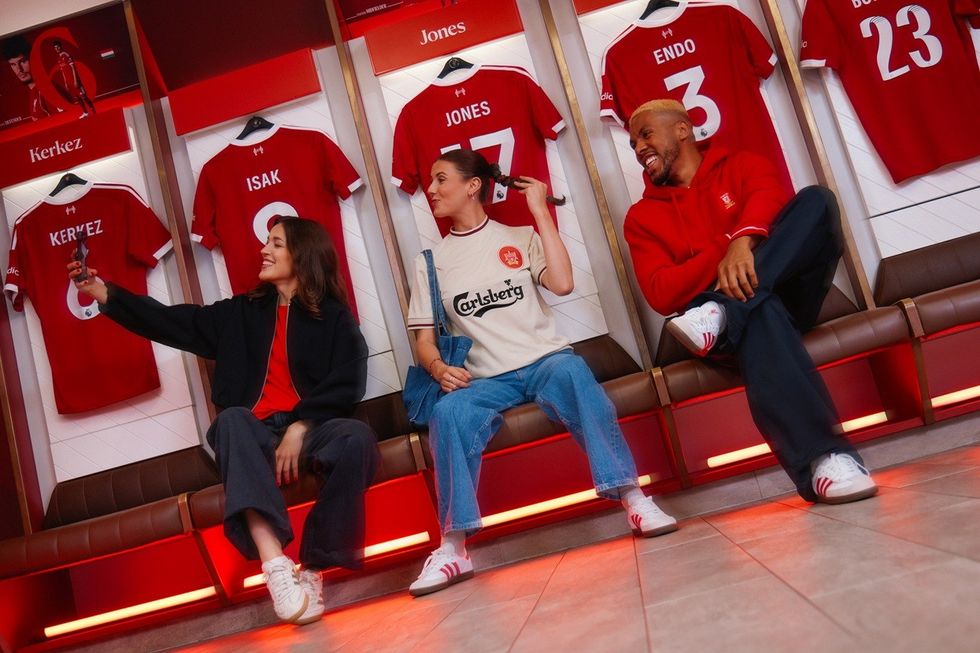
The tour includes up to an hour of storytelling, culminating in a visit to the dressing rooms and a walk through the tunnel.
“It's about making the storytelling relevant. It's about making sure we nod to the past, celebrate the present, and look to the future.
“If we're looking at the younger generations, for example, we need to educate, but it's really important that we entertain.
“We're a tourist attraction based at a football club. Entertainment has to be the key.”
Scripted versus personal
These stories are told by the tour guides and through multimedia devices, which also offer multilingual support.
“We work on a script for our tours, but that's got to be balanced with the personality and anecdotes of the guides.”
“We try to get the right balance between what the individual can or can’t bring, and vice versa for the tech-driven storytelling. That constantly evolves.”
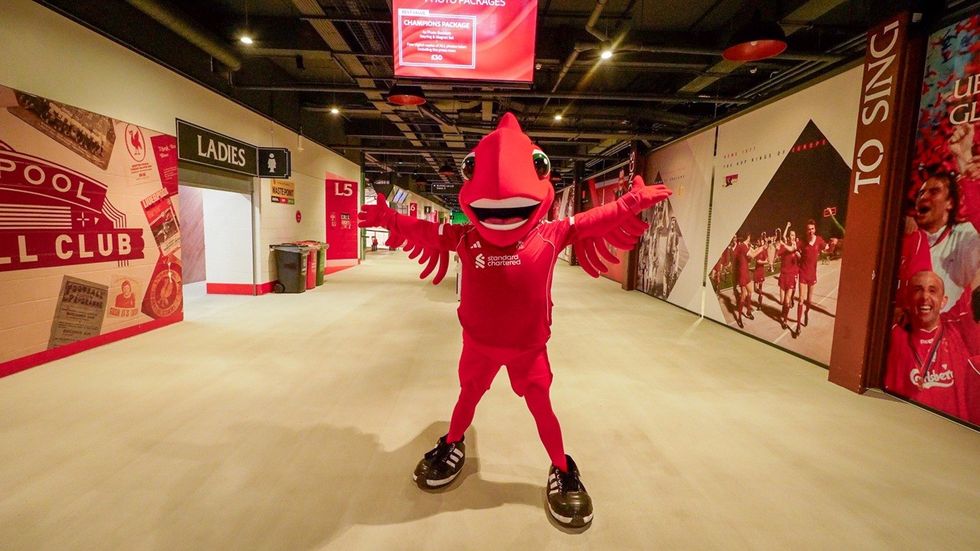
This tour needs to tread a fine line, accurate for the superfans, fun for families, and accessible for first-time visitors.
“Some people want to come and reminisce, and some people want to come in and almost be the guide,” adds Cassidy.
“Locally, lots of people will come and visit when they've got friends and family coming over, and they may know as much as our guides. Everybody likes to feel it's their club - ultimately, it's their club.”
“And the great thing with a football club is that the story is always being written. Players come, players go, we have success on the pitch, and there are key moments in the stadium.
“So, for us, everything needs to keep on moving forward.”
Tech-driven exhibits
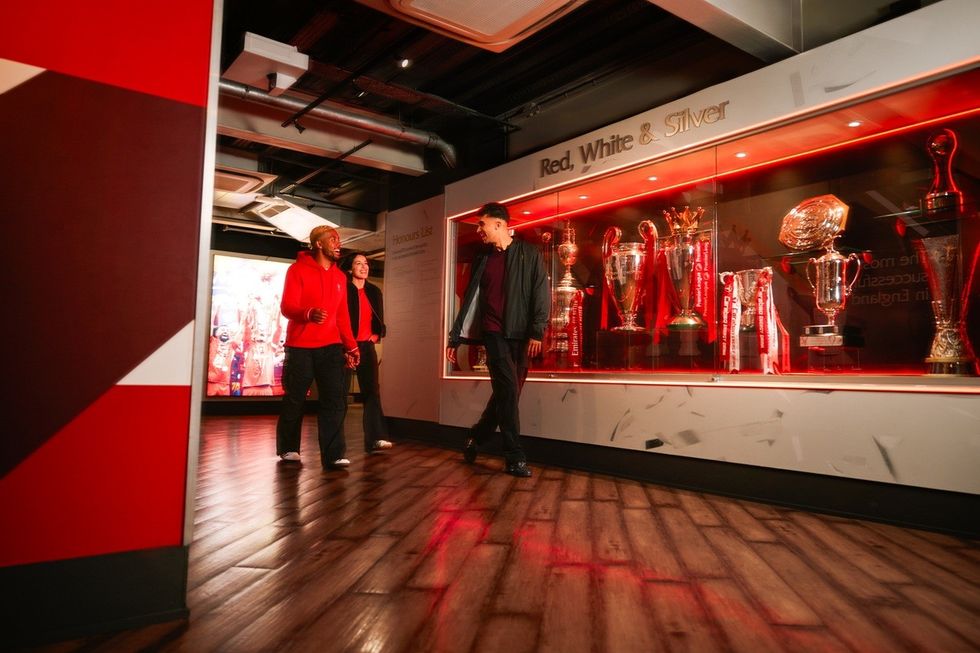
Another key element of the visitor offer is the Liverpool Football Club museum, which is open daily.
“It's important that as the story of the club evolves, we're evolving the offer in addition to giving people a reason to visit.
“Technology is driving a lot of what we're doing at the moment. So, the museum is still in the same space, but we’ve updated the story, we added in some new content and features.”
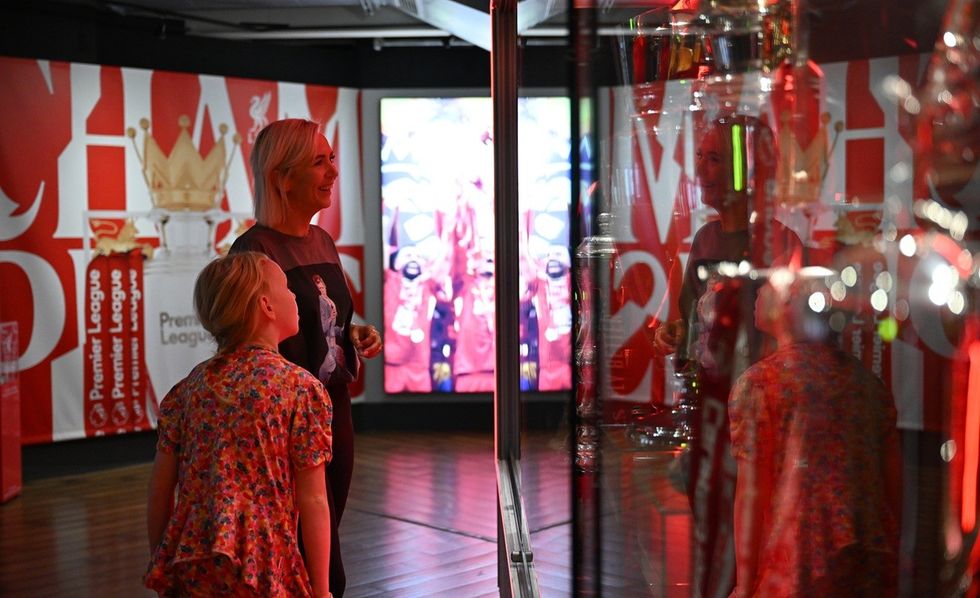
Recent additions to the exhibits have included holograms and projection mapping, spatial audio, media players, and discovery screens, all of which add depth to the experience.
“With the evolution of the new storytelling, it really has given us a chance to embrace where technology is at.
“Using AI, we have an exhibit in the museum at the moment with a large number of selected program covers, iconic moments from the club's past. And they've just been static. But using AI, we can plan some movement.
“AI is driving a lot of what we're doing.”
Innovation led
Innovation is crucial to developing the tourism offer, and the team invests significant time visiting venues across the attractions sector to identify new innovations and best practices, and to benchmark.
“When we benchmark, it's not necessarily about the venue,” says Cassidy. “It's about who is delivering best-in-class family or best-in-class tech, who has got the best visitor welcome, who is best for groups, experience products, or unique dining.
“Benchmarking is going to be so important, but not just the broad benchmarking; it's each of those elements. Who's doing the best, where can we learn, and then using the innovation hub.”
The club also benchmarks its own activities by reviewing feedback.
“We pay a lot of attention to the reviews that we get directly. And on many of the third-party sites we sell on, you can review and leave feedback.
“One of the good things with AI at the moment is that you can gather if there are any trends in specific feedback. It's up to us to make sure we're managing it, listening to it, and reacting to it as well.”
“Innovation can come via a whole host of areas,” says Cassidy. “We're really taking this seriously.”
Liverpool as a leading tourist destination
The club recently joined ALVA, the Association of Leading Visitor Attractions.
“We are there to learn and hopefully to input as well. It's really important that we are good and key stakeholders, curious and learning, but also looking at the areas that we may lead on.”
LFC also works with UKinbound and ETOA (the European Tourism Association), and is active in professional bodies across the City Region.
For the Liverpool City Region, this commitment reflects the club’s position within a rapidly growing tourism offer.
“The breadth of offer in Liverpool is getting stronger and stronger, and that collective offer only helps,” says Cassidy. “Many new places have opened up, and everyone else is having to raise their game.”
Liverpool has been voted the UK’s best city for food by Time Out, and one of the country’s friendliest cities by Condé Nast. In 2024, it was crowned the UK’s best large city break destination by Which.
Must-see destination
And LFC is cementing its position within this burgeoning landscape. Last year, it won best large visitor attraction in the Liverpool City Region and bronze at the Visit England awards for the large visitor attraction.
“There's real interest there, and our scores across all the review sites reinforce that we are a must-see attraction for people to come and interact with and see whilst they're here.
“That was always the aspiration, to make us the number one attraction in the city region,” says Cassidy.
“We're charged with making people's dreams and bringing joy across the wider visitor economy sector, and that covers a lot of breadth.
“There are lots of challenges still, within both Liverpool Football Club and the Liverpool City region.
“But challenges and all, it's a really exciting time to be working within the sector.”