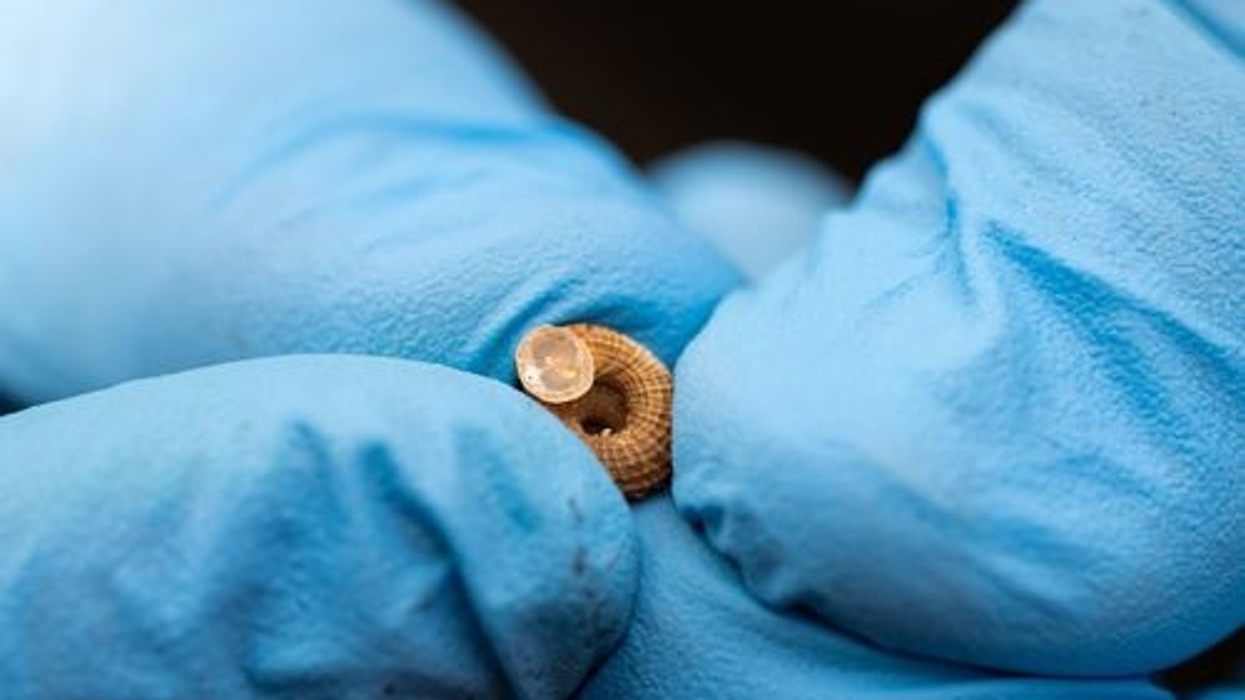

Chester Zoo has returned hundreds of endangered snails to the wild as part of a conservation effort to save the tiny molluscs.
The snails have been reintroduced to Bugio Island in the Madeiran archipelago, a small uninhabited island in the North Atlantic Ocean, following a zoo breeding programme that helped bring four species back from the brink of extinction.
Alongside experts at ZooParc de Beauval in France, Chester Zoo was asked by the government in Madeira to step in to help.
A handful of snails from the last known wild population were carefully transported to each zoo to help prevent their extinction.
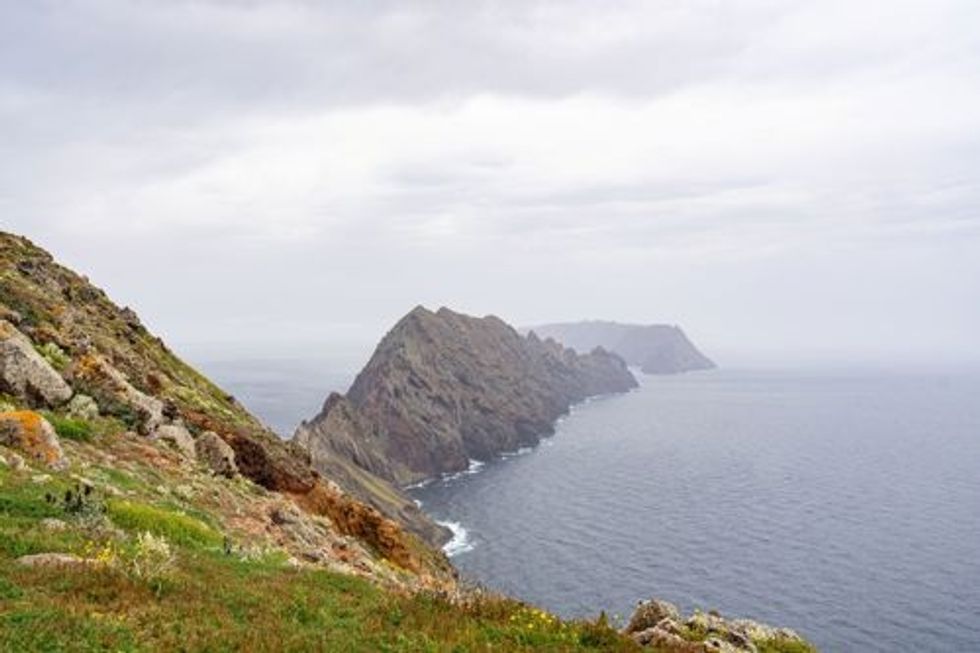 Chester Zoo has returned endangered snails to Bugio Island, a small uninhabited island in the Madeiran archipelago
Among them were 21 Geomitra coronula snails, believed to be the last of their species, which were found beneath a single rock.
More than 300 descendants bred at Chester Zoo have now been released into the wild, along with 270 Discula lyelliana bred by conservation specialists in France.
Speaking about the rescue, Tamas Papp, assistant team manager for invertebrates at Chester Zoo, said that four snail populations were nearly wiped out by the time they were called, so "it had to be a rapid rescue mission".
He added: “By the time the Madeira government contacted us for help, one of the species, Geomitra coronula, was so close to extinction that its entire global population could fit inside a single petri dish.
"We knew we had one shot to save them. If we missed this chance, that was it – they were gone."
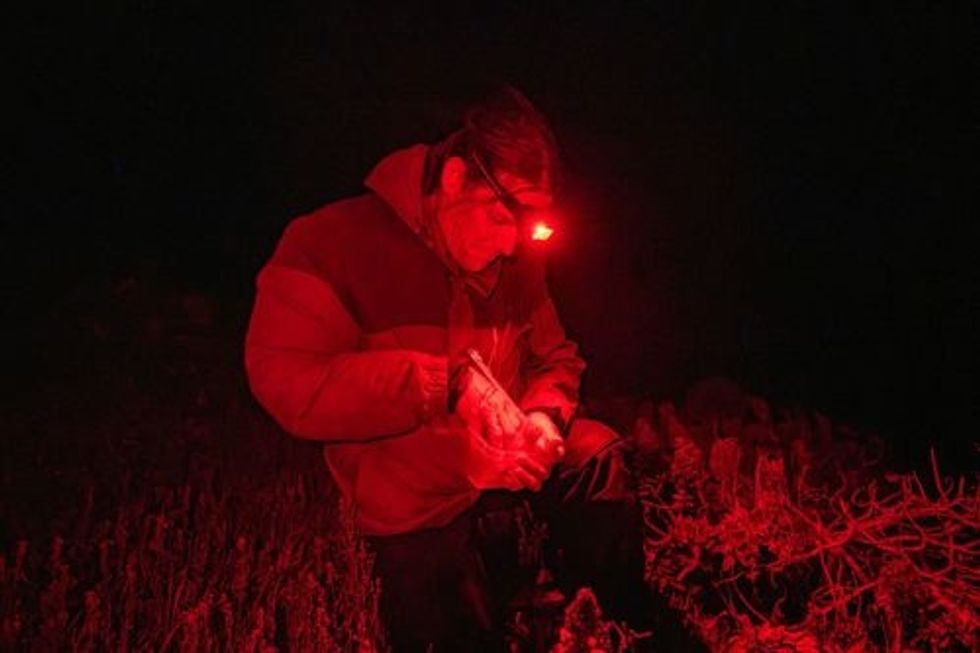 Chester Zoo’s Tamas Papp, assistant team manager for invertebrates, led a successful snail return operation to Bugio Island
Led by Papp, the team worked at night using red-spectrum torches to find suitable rock crevices for the snails, while protecting the islands’ light-sensitive seabirds.
Madeiran government conservation teams prepared the site for the release by removing invasive species and restoring the island’s habitat, helping to protect vulnerable seabirds.
Dinarte Teixeira, a conservationist at the Institute of Forests and Nature Conservation, led the rescue mission, selected the release sites on Bugio and Deserta Grande, and is monitoring the snail population.
Snails saved from extinction
Teixeira said: "The Desertas islands are the only place in the world where these precious snails can be found.
"For 100 years we thought they’d gone forever, but thanks to this team effort, these reintroductions are proving successful. We will keep monitoring the snails as they settle back into the wild."
The released snails measure just 8mm, but play an important role in ecosystems by eating vegetation and enriching the soil. Conservationists hope their recovery will help restore fragile island habitats.
Images courtesy of Chester Zoo