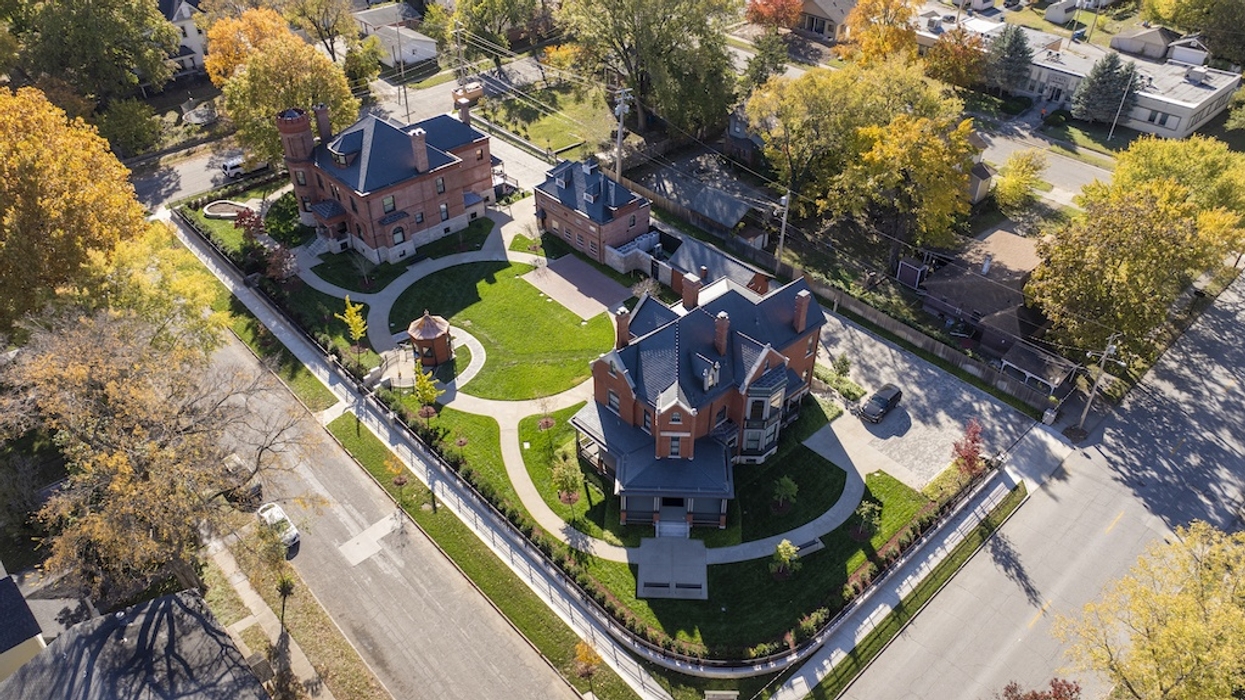
With design by PGAV, a global leader in the planning and design of unique destinations, the restored homes of Charles and Wilhelmina Schifferdecker and Edward and Margaretha Zelleken are now open.
The houses offer visitors a richly detailed experience that highlights Victorian-era life and celebrates the lasting legacy of Joplin’s immigrant founders.
The Schifferdecker and Zelleken families established roots in Joplin, Missouri, and left a profound impact on the region. Their homes, now meticulously restored, serve as enduring symbols of that history, characterised by resilience, adaptability, and opportunity.
Experiencing history
Rather than presenting history as something to observe, PGAV approached the project as something to experience.
“The narratives of the Schifferdecker and Zelleken families unfold in parallel,” says Ethan Sandburg, PGAV project designer. “Together, they reveal two distinct domestic worlds shaped by shared ambition, offering a broader, often overlooked view of the immigrant experience.”
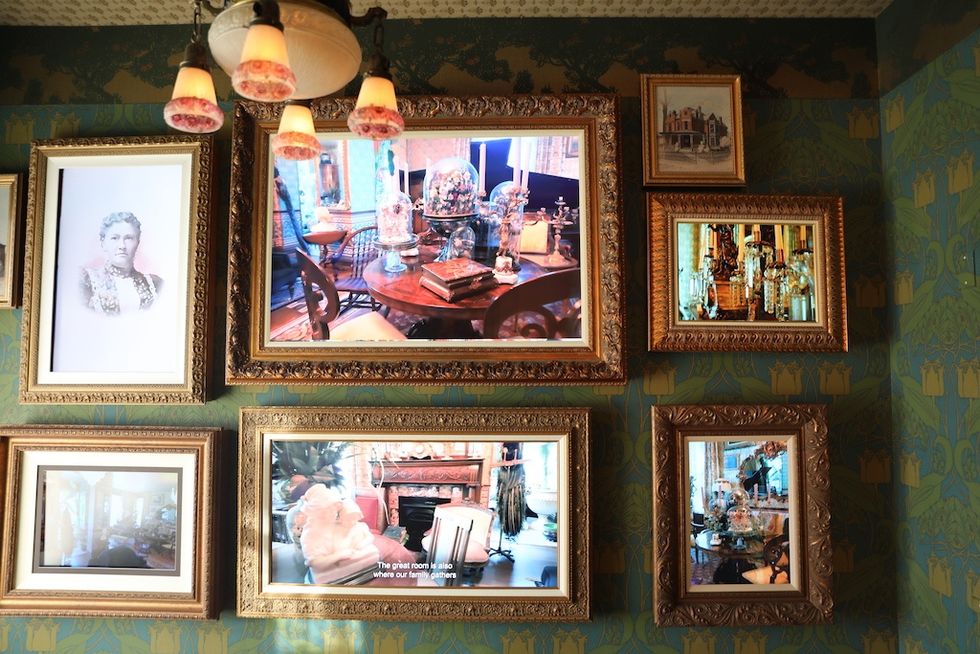
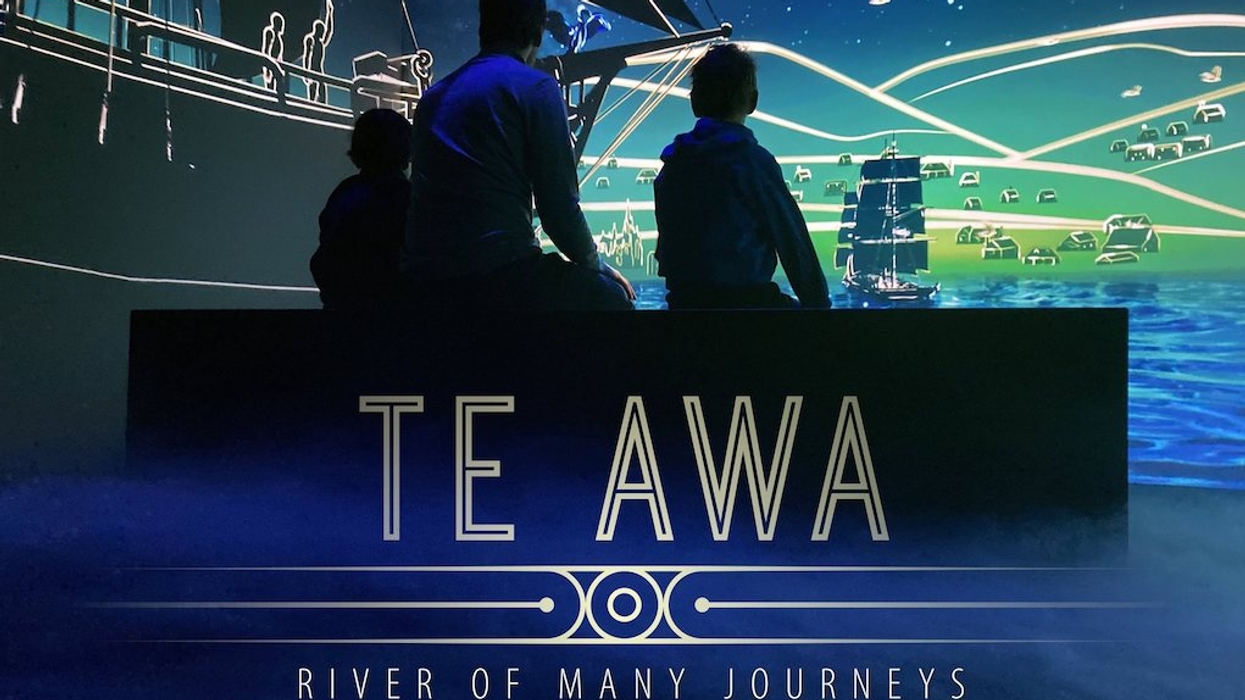
Using integrated projection, sound, and lighting, the homes act as storytellers. Technology is discreetly embedded within the historic fabric, maintaining authenticity while fostering a richer, more immersive experience for guests as they explore the stories behind families' migrations from Germany to the American Midwest.
Two complementary audio tours further enhance the experience. The Architectural Tour explores the rhythms of daily life within the homes, while the Restoration Tour details the precise craftsmanship required for preservation.
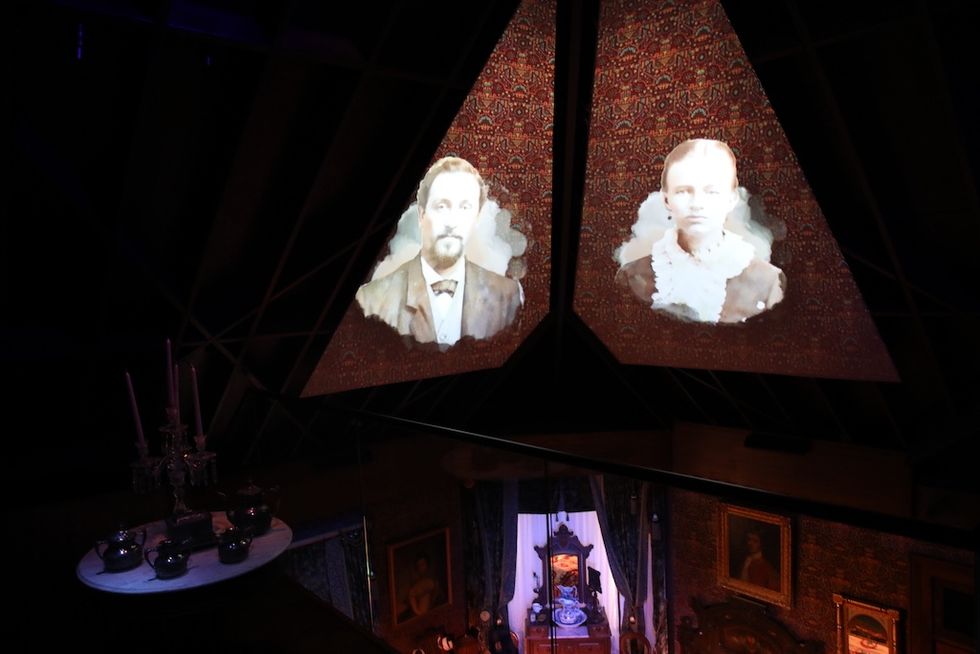
Throughout, archival images, personal artefacts, and family descendants' stories connect the experience to real lives and lived moments.
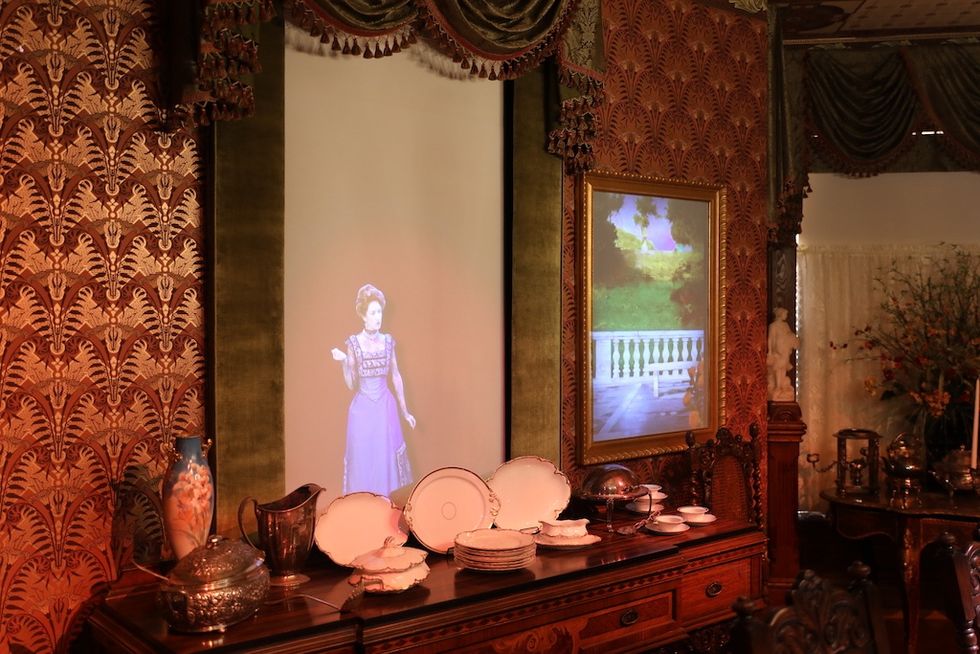
At crucial moments, the story unfolds through immersive media scenes that vividly depict important chapters in Joplin’s history. Using theatrical lighting, spatial audio, and an original score, visitors are immersed in moments that influenced not just the families’ destinies but also the community’s overall path.
A new model
Delivering this level of storytelling in historic structures demanded a careful balance of creativity and restraint. PGAV collaborated closely with historians and preservation specialists to ensure that every detail maintained the integrity of the homes while enhancing the modern visitor experience.
This creates a new approach for historic house museums, making preservation more dynamic, personal, and memorable.
“These homes move beyond static interpretation,” Sandburg adds. “They demonstrate how thoughtful design can turn history into an experience that truly resonates with modern audiences.”
Brad Belk, principal historian and house site director, says:
“The first few weeks of the Joplin Historical Neighborhoods Museum have been a tremendous success. We’ve welcomed a steady stream of guests who clearly enjoyed their guided tours and time exploring the museum.
“Throughout the museum, guests expressed awe at the attention to detail in the restoration work – from the intricate woodwork and period wallpaper to the carefully chosen décor. Many were equally impressed by the depth and unique presentation of the history.
"They left with a deeper appreciation for Joplin’s early years and the stories they told.”
Earlier this month, PGAV revealed the results of its latest research study, Voice of the Visitor: International. The report examines how travellers select destinations, experience attractions, and choose where to spend their time and money.