
Engaging with arts and visiting museums may slow the pace of biological ageing, a new study by University College London (UCL) researchers suggests.
The study, published in the journal Innovation in Aging, proposes that people who engaged in singing, painting, or visiting a gallery or museum have a younger biological age, as suggested by changes to DNA.
Researchers compared participants' arts engagement with chemical changes to DNA that influence biological ageing without altering the genetic code.
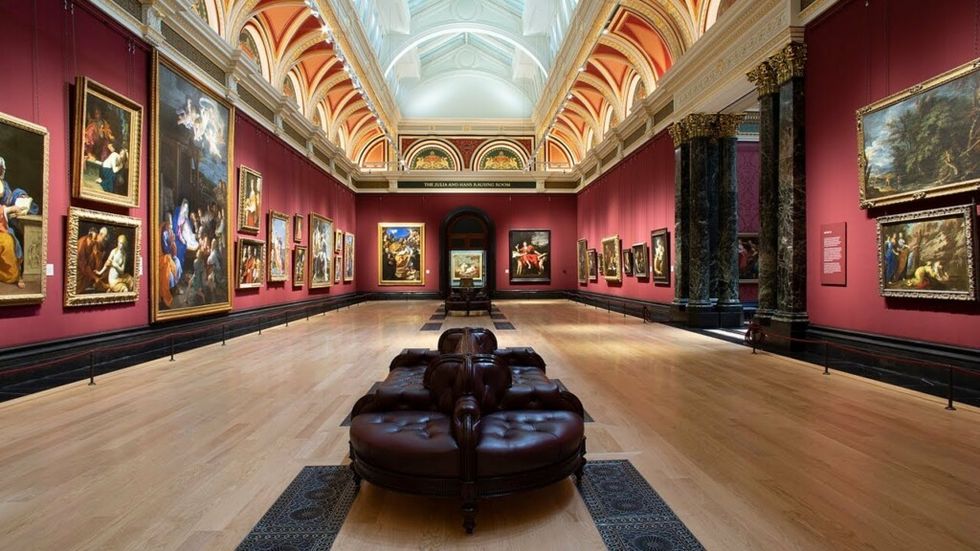 National Gallery
The results of the study are based on survey response and blood test data from 3,556 adults taking part in the UK Household Longitudinal Study, with these blood samples analysed to estimate biological age and pace of ageing using epigenetic clocks.
The study found that people who did an arts activity at least once a week seemed to age 4 percent more slowly than those who rarely engaged with arts, making the effects comparable to exercise.
Lead author Professor Daisy Fancourt, head of the social biobehavioural research group at UCL, said: "These results demonstrate the health impact of the arts at a biological level. They provide evidence for arts and cultural engagement to be recognised as a health-promoting behaviour in a similar way to exercise.
"Our study also suggests that engaging in a variety of arts activities may be helpful. This may be because each activity has different ‘ingredients’ that help health, such as physical, cognitive, emotional or social stimulation."
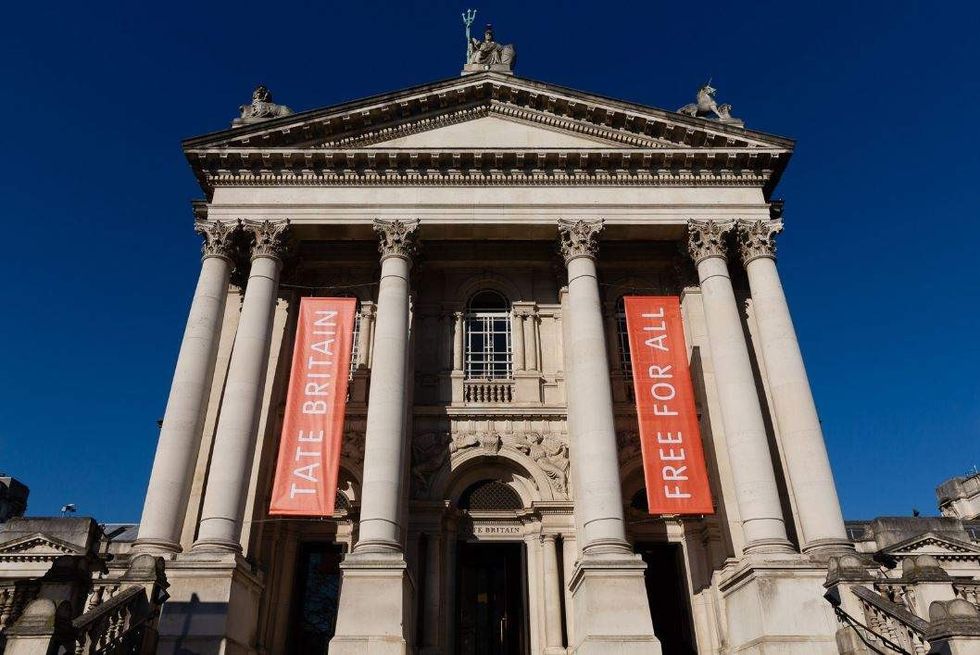 Tate Britain
Senior author and UCL academic Dr Feifei Bu said: “Our study provides the first evidence that arts and cultural engagement is linked to a slower pace of biological ageing.
"This builds on a growing body of evidence about the health impact of the arts, with arts activities being shown to reduce stress, lower inflammation and improve cardiovascular disease risk, just as exercise is known to do.”