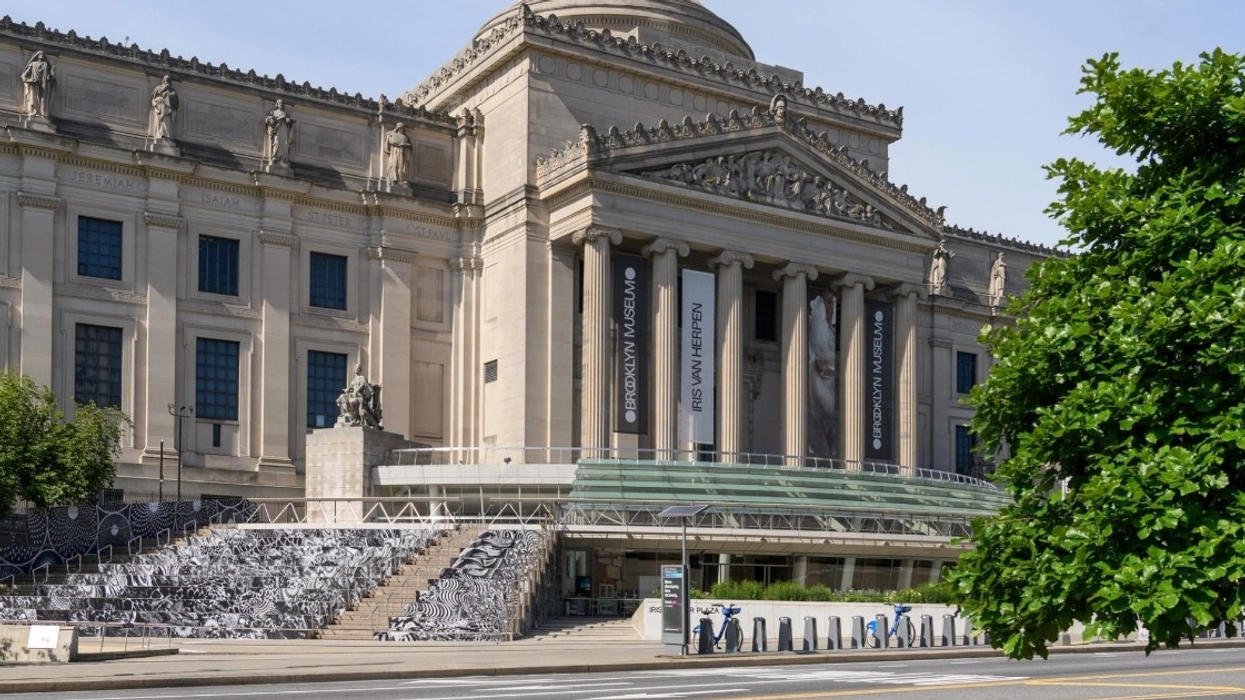

The Brooklyn Museum in New York has launched a $48 million deep energy retrofit project to ensure a more sustainable future for its 19th-century building.
Funded by the Department of Citywide Administrative Services (DCAS) and delivered in partnership with the New York Power Authority (NYPA), the project is expected to be completed in mid-2027.
The Brooklyn Museum announced the new measures as part of a comprehensive energy-efficiency plan that will integrate renewable energy and lower the museum's fuel consumption.
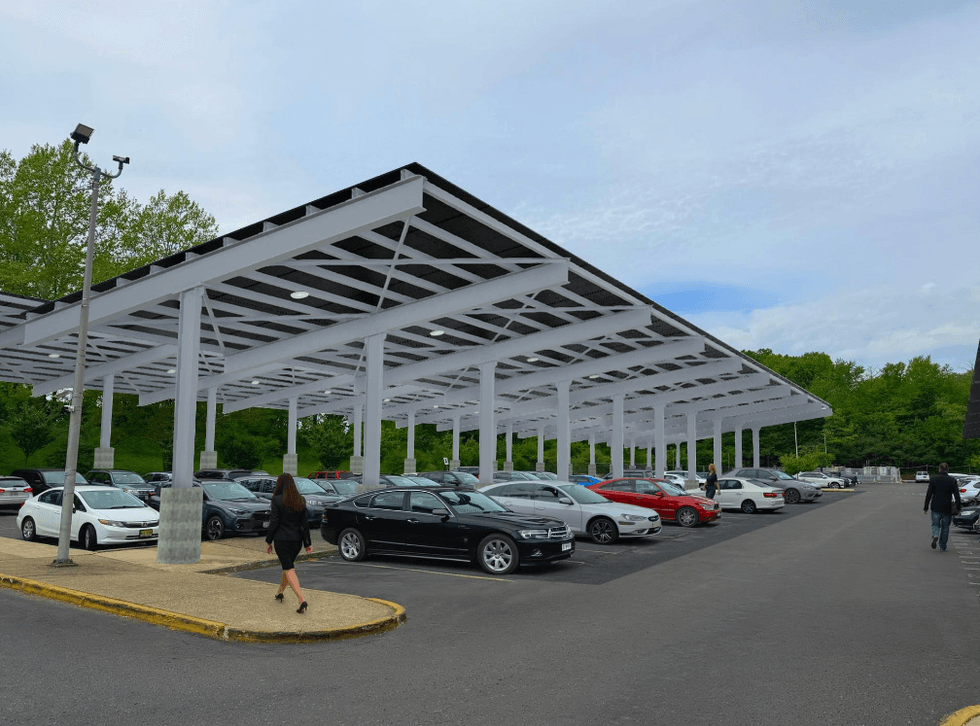 Rendering of the upcoming solar array over the Brooklyn Museum's existing carport in New York City. Ramboll
The upgrades include a new solar array, an advanced building management system, HVAC improvements, and the replacement of the ageing steam-heating plant with a high-efficiency hot-water system to reduce fuel consumption.
The new features will help equip the museum with sustainable solutions to meet current and future energy needs.
"We’re thrilled to partner with DCAS and the New York Power Authority on this transformative project, which greatly advances the museum's green energy commitments and represents a major investment in the Brooklyn Museum’s future," said Anne Pasternak, director of the Brooklyn Museum.
"Renewable energy systems will reduce our environmental footprint and ensure our historic building can continue to serve as a vibrant, sustainable space for art and community for generations to come."
Per a press release, the museum anticipates that the upgrades will reduce greenhouse gas emissions by approximately 3,300 metric tonnes, the equivalent of removing 725 vehicles from the road.
Clean energy year-round
The planned solar carport outside the museum's 19th-century building at the 200 Eastern Parkway site will generate clean energy year-round, provide shaded parking, and enable real-time monitoring of energy production and usage.
"This administration is putting every square inch of this city to work in our green transition," said New York City deputy mayor for operations Julia Kerson.
"The $48m energy efficiency project at Brooklyn Museum will transform a century-old building into a modern example of our sustainable future.
"By reducing emissions and improving efficiency, this project is good for our environment, good for our health, and good for our city and all who call it home."