
From on-demand personalization to fan-driven worlds and live, human-led storytelling, experiential design is evolving in step with changing audience expectations.
Today’s museums and attractions must compete not only with each other but also with the curated, interactive experiences that shape everyday life.
This piece examines the key trends influencing the next generation of attractions and what experience creators need to do to stay relevant, resonant, and sustainable in a rapidly changing landscape.
1. Custom convenience and personalization
Custom convenience is a major trend, but what does personalization look like in the next generation of attractions and museums?
We live in a world of custom convenience, where audiences expect content, products, and experiences to be available when they want, how they want, and tailored to their individual preferences. All of these services are curating our lives, one algorithm at a time.
The same expectations that drive our home lives are now driving what our guests expect when they walk through the doors of our museums and attractions, and the next generation of attractions and museums will need to cater to this “on-demand” culture.
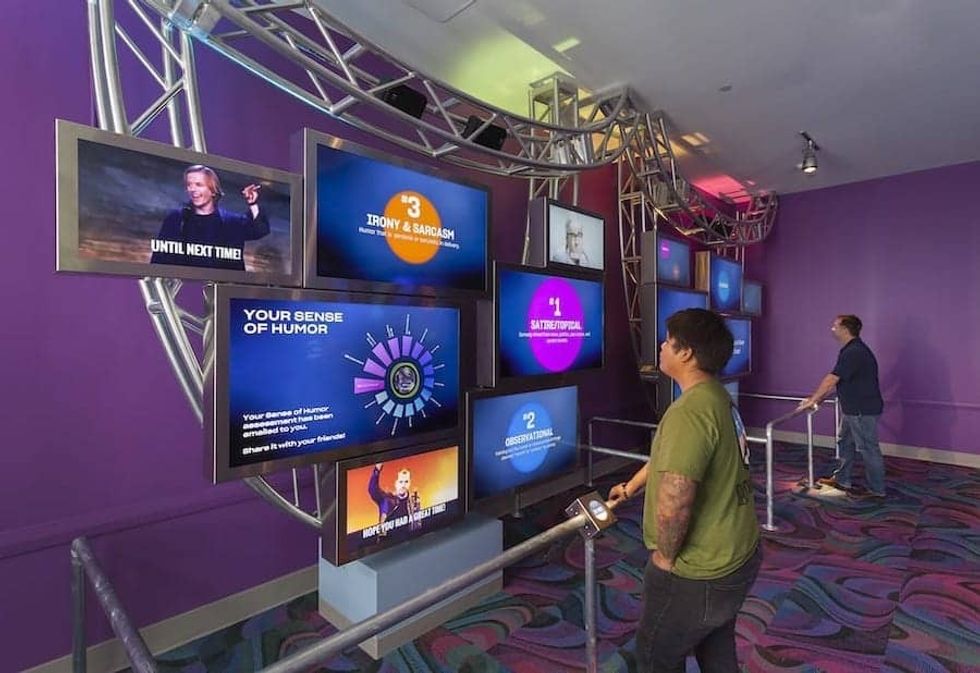 The National Comedy Center
Personalization can manifest itself in a variety of ways. It can cater to each audience member’s specific interests, such as at the National Comedy Center, or it can make them a part of the experience, like at the College Football Hall of Fame.
It can also provide visitors with a personalized takeaway, for example, View Boston's digital itinerary builder.
We can expect that future attractions and museums will use a variety of evolving techniques and advanced technologies, from AI to facial recognition to emotion detection, to provide guests with experiences that are even more personalized – before, during and after their visit.
2. IP and fan-driven experiences
Fan-driven worlds and experiential brand extensions are becoming more common. Today’s audiences have access to more content than ever before, which means the IPs that rise above the noise are even more valuable in the attractions industry.
At the same time, IP holders are under constant pressure to maximize the value of their brands by developing new revenue streams. As a result, both IP holders and experience creators are increasingly motivated to collaborate to find new, innovative ways for audiences to step into the stories, characters, and worlds they love.
While permanent attractions will always remain a powerful format for bringing these worlds to life with scale and depth, we’re seeing rapid growth in experiences that can be developed and brought to market more quickly and regionally.
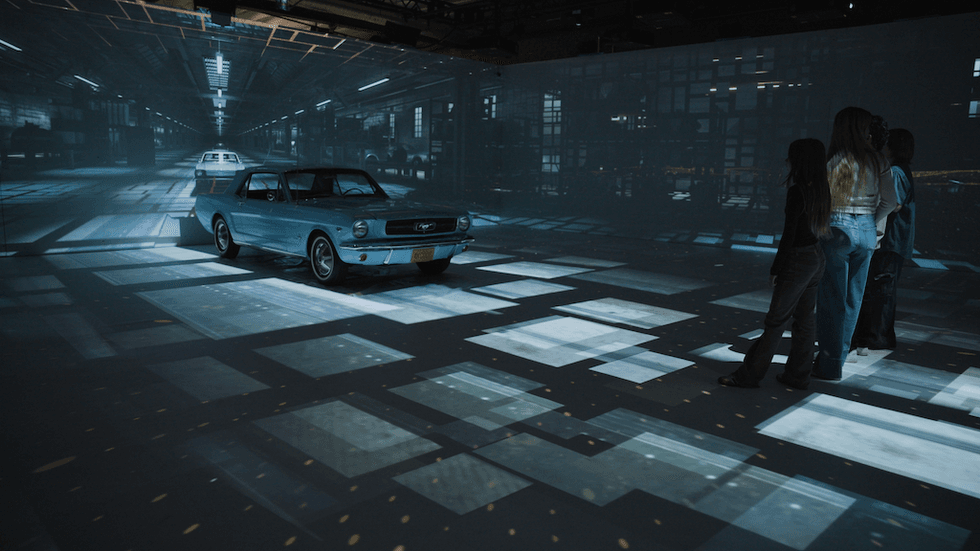 American Icon: A Mustang Immersive Experience
Live events, theatrical adaptations, seasonal activations, retail and F&B experiences, pop-ups, temporary attractions, and traveling exhibits are all becoming increasingly popular, often delivering equally immersive guest experiences while allowing brands to respond faster to changing audience demand and the evolving popularity of a given IP.
Even major consumer brands are becoming more experiential, incorporating immersive theme-park techniques to further engage audiences.
Examples include live events like Grease The Immersive Movie Musical, theatrical adaptations such as Stranger Things: The First Shadow, The Hunger Games: On Stage, and Paranormal Activity: A New Story Live on Stage, and seasonal activations like Universal Fan Fest Nights and Halloween Horror Nights at Universal Studios
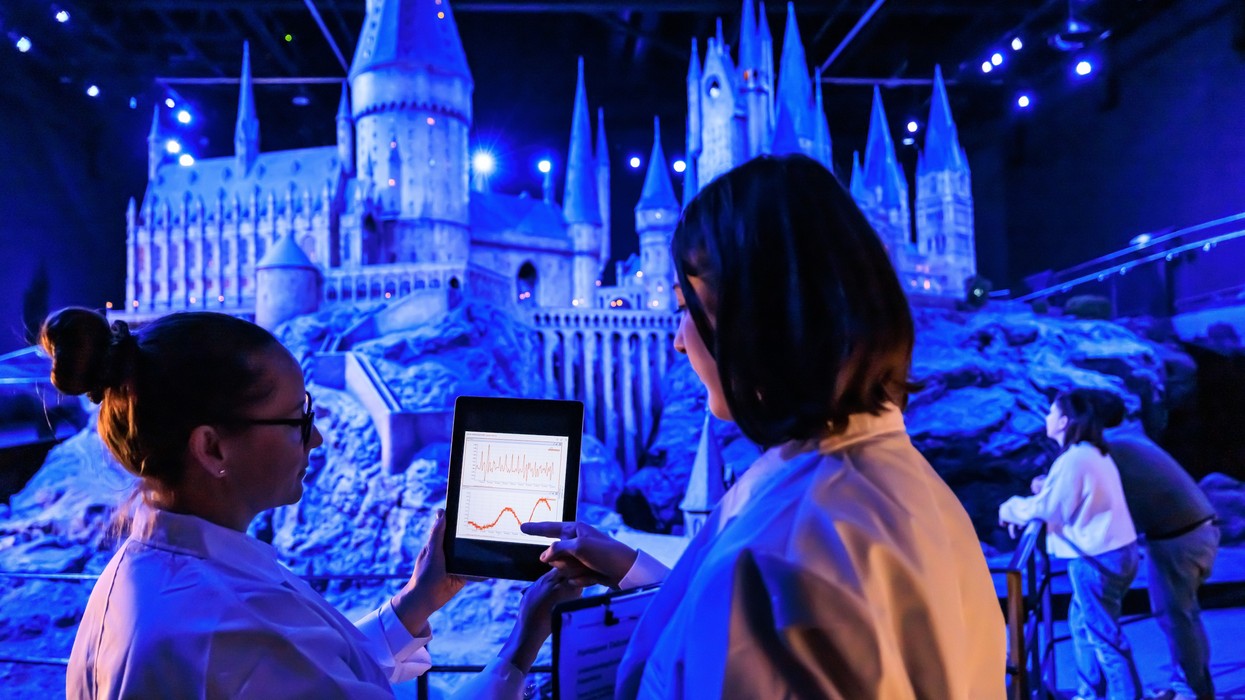
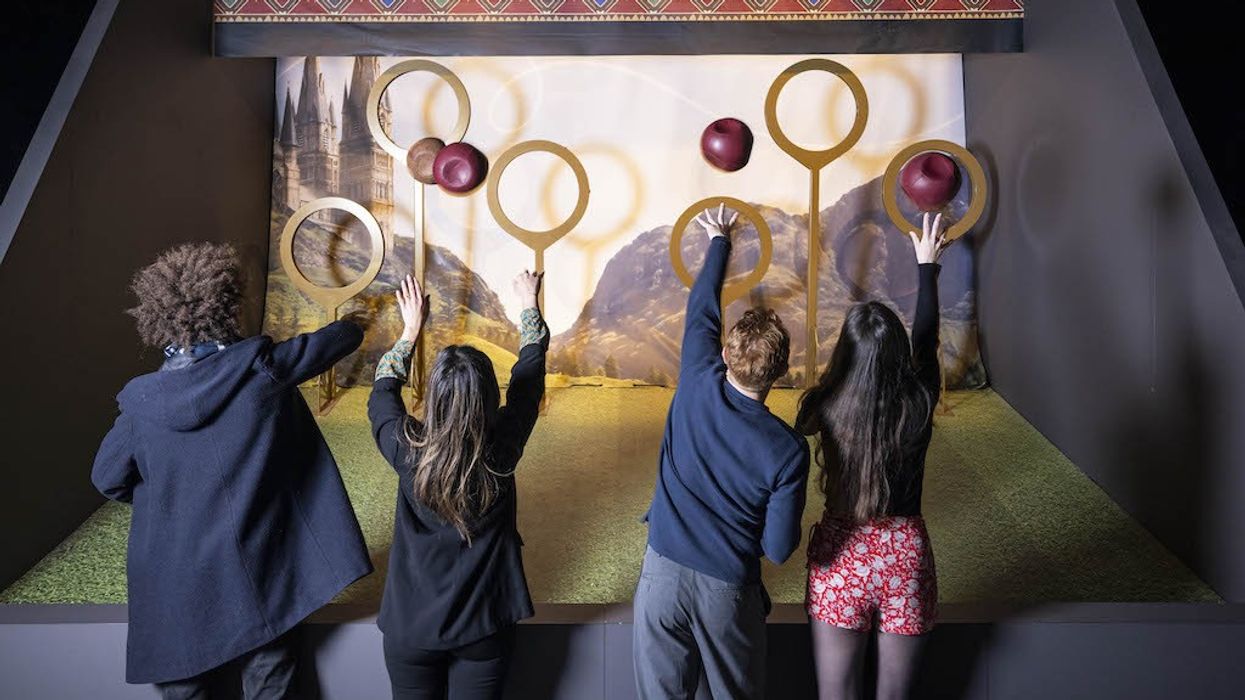
Other illustrations of this trend are traveling exhibits like Harry Potter: The Exhibition [pictured, top], regional attractions such as the new Netflix House locations, and even consumer brands, like American Icon: A Mustang Immersive Experience, or the Tesla Diner
3. Gaming culture and interactivity
Gaming culture is reshaping guest expectations, and the popularity of video games will continue to have a huge impact on how visitor experiences are designed, as attraction creators recognize and leverage the key attributes that make gaming so compelling.
These attributes include interactivity, which keeps both gamers and attraction audiences engaged in the story and action. A good example of this is from the attractions world is SpongeBob's Crazy Carnival Ride.
Games also give players agency, allowing them to influence the experience by deciding how they move through it, what they prioritize, and what they unlock along the way.
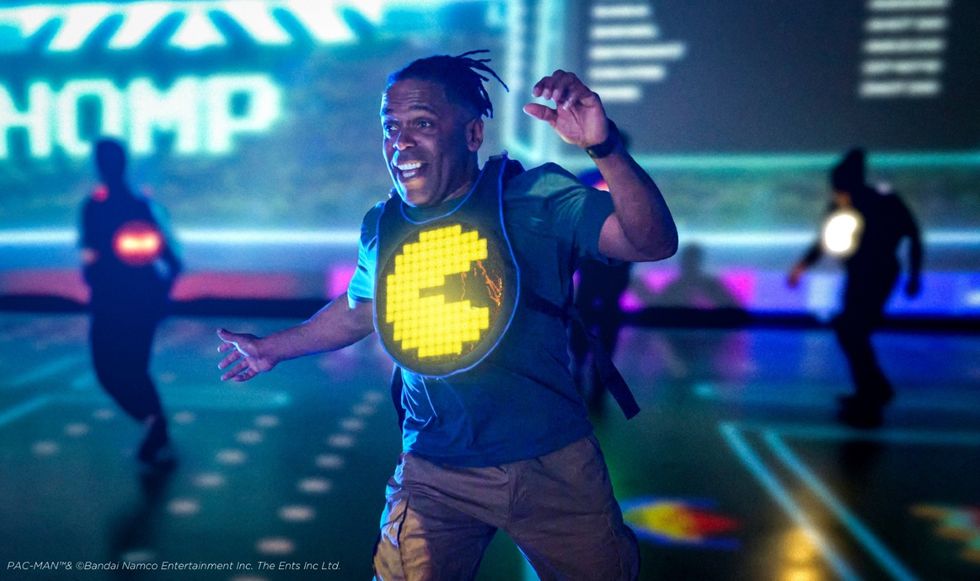 Pac-Man Live Experience
We can see this echoed in experiences like PAC-MAN LIVE EXPERIENCE, Minecraft Experience: Villager Rescue, Meow Wolf Omega Mart, Netflix House, Stranger Things: Escape the Dark and Squid Game: Survive The Trials.
Another key element is social competition, building in friendly challenges and shared goals that encourage guests to compare scores, collaborate, and return to improve. We've seen a rise in competitive experiences like Topgolf, Flight Club, Electric Shuffle, F1 Arcade, and more.
Personalization comes into play here too, allowing guests to see themselves in the attraction, whether through their name, avatar, photo, or preferences. Successful examples, such as Universal's Super Nintendo World, offer “choose-your-path” moments and small customizations that make guests feel like the experience was designed for them.
Games also often add new stories, characters, and worlds. The lesson here is to treat the attraction like a living universe, with fresh chapters, rotating encounters, and evolving narratives that reward repeat visits. Just look at Disney's Millennium Falcon: Smugglers Run.
4. Human connection and live performance
Advancing technologies will continue to be used by designers to create new ways to entertain, educate, and immerse guests. However, meaningful human interaction within an attraction often becomes the most impactful and memorable aspect of a guest’s experience.
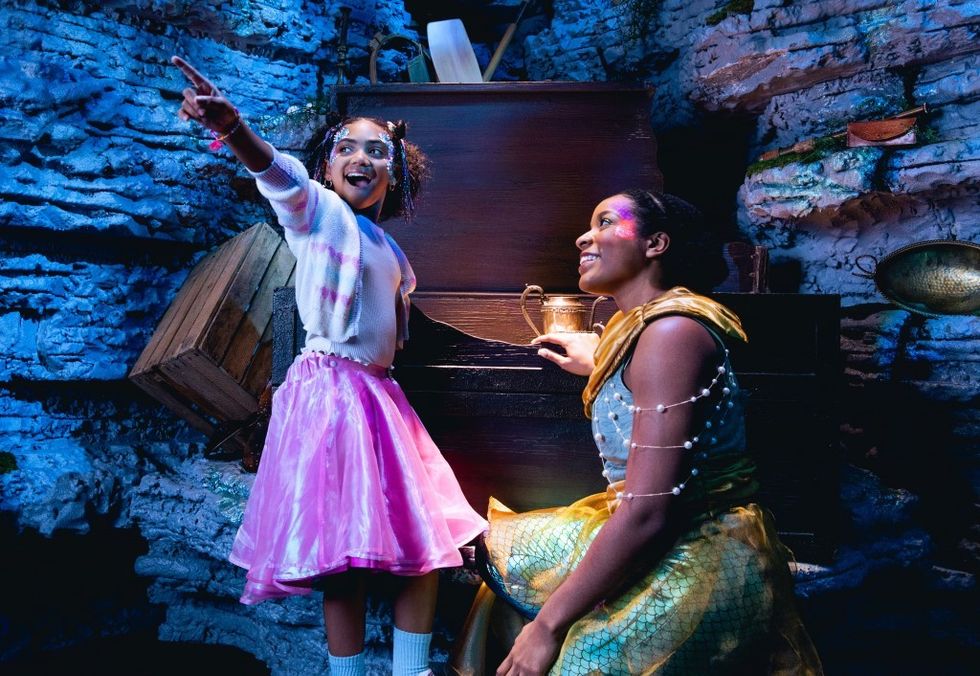 Little Mermaid x CAMP
Technology can immerse you. People can move you. The most powerful experiences use both.
Examples include the John Wick Experience, CAMP's retail experiences, Bob Marley Hope Road, and Escape IT.
5. Advancing technologies and staying ahead
As new technologies emerge at an unprecedented pace, creators need to balance innovation with the need for operational sustainability and long-term viability.
Technology should never drive the attraction development process; instead, it should be viewed as one of many tools used to engage and immerse audiences. Every project must realistically evaluate when technology is truly needed versus what will tell the best story and create the greatest impact.
Some of the most powerful experiences are also the simplest, rooted in thoughtful design, emotional storytelling, and human interaction.
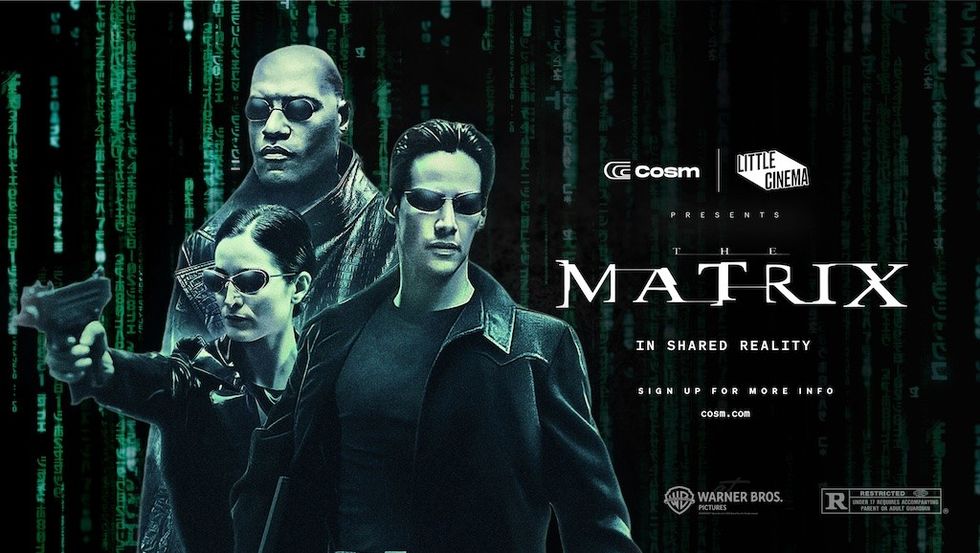
That said, emerging technologies can also enable storytelling in ways that were never previously possible. For instance, Sphere's Wizard of Oz experiences, or The Matrix in Shared Reality at Cosm.
When the capital investment and ongoing operational costs are significant, smart developers must carefully assess whether the attraction can succeed not only experientially, but also as a business.
As my mentor Jack Rouse always said, “We have to remember that in ‘show business,’ ‘show’ is the adjective.”