Bea is a journalist specialising in entertainment, attractions and tech with 15 years' experience. She has written and edited for publications including CNET, BuzzFeed, Digital Spy, Evening Standard and BBC. Bea graduated from King's College London and has an MA in journalism.
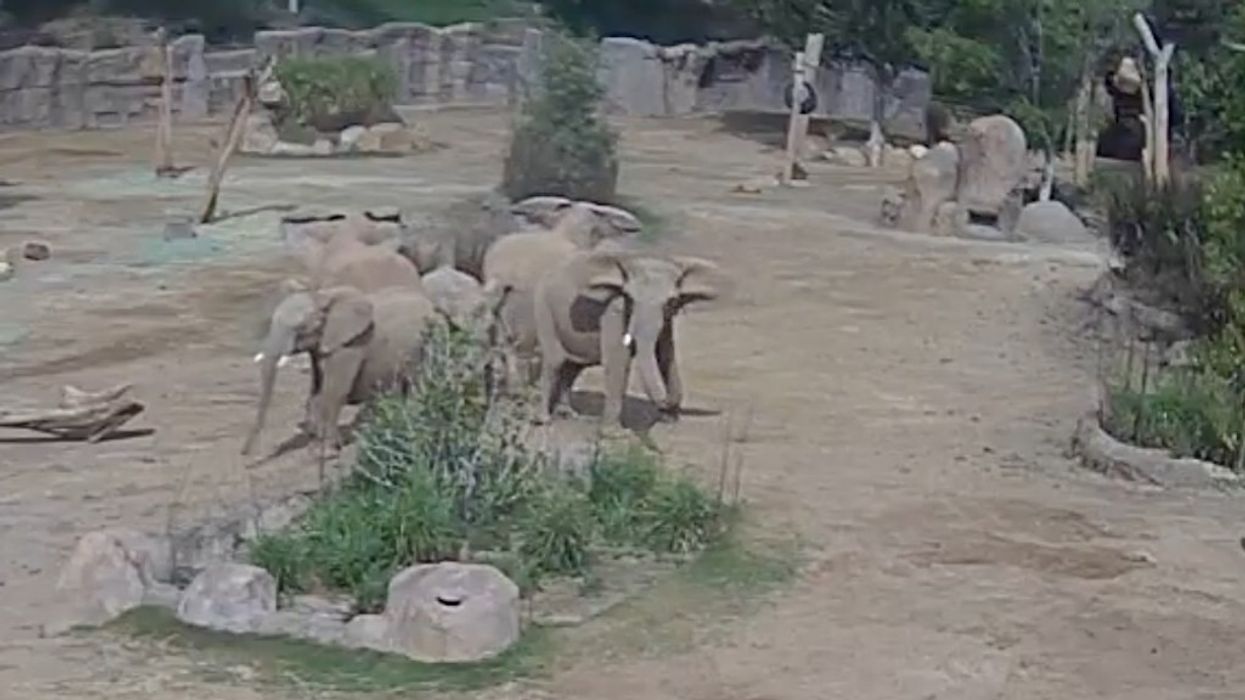
The San Diego Zoo has shared footage of a herd of African elephants at its safari park shielding their young during a 5.2 magnitude earthquake.
Video footage captured the moment the ground started to shake on Monday (14 April) during the 5.2 magnitude earthquake in Southern California.
A herd of African elephants living in the safari park can then be seen instinctively forming an "alert circle" to protect the calves in the group.
The older elephants, Ndlula, Umngani, and Khosi, are shown forming a protective circle around seven-year-old calves Zuli and Mkhaya.
The San Diego Zoo said elephants "have the unique ability to feel sounds through their feet" in a post on X, formerly Twitter.
"This behavior is a natural response to perceived threats to protect the herd," it wrote.
5.2 magnitude earthquake in Southern California
Mindy Albright, a curator of mammals at the San Diego Zoo Safari Park, said: “It's so great to see them doing the thing we all should be doing — that any parent does, which is protect their children.”
According to the US Geological Survey, Monday's earthquake was centered in San Diego County but was felt as far north as Los Angeles.
No injuries or damage have been reported, as confirmed by Cal Fire San Diego.
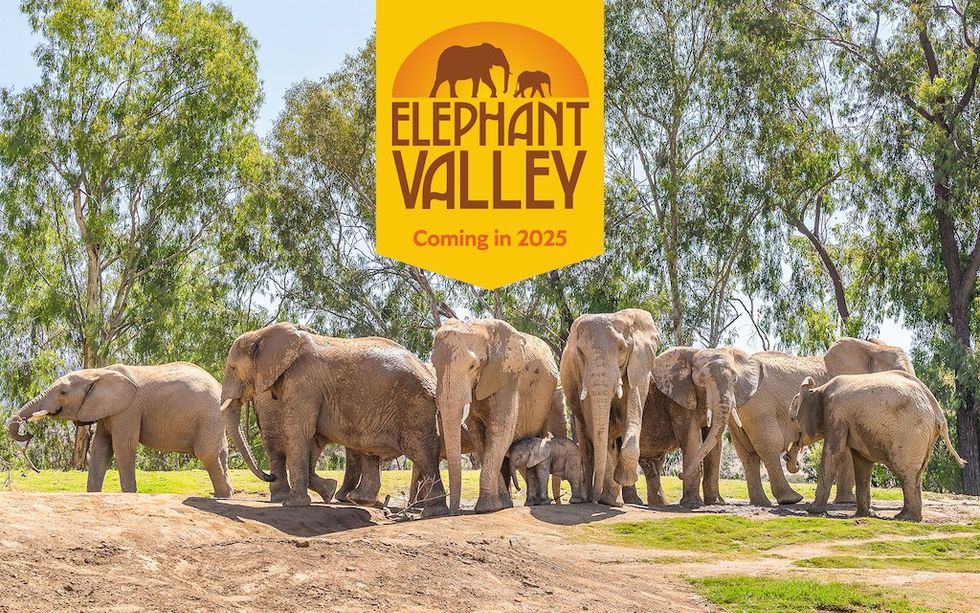
San Diego Zoo Safari Park is currently working on the largest project in its 50-year history – Elephant Valley.
Due to be completed this year, the development is transforming the park's elephant area into a vibrant savanna for exploration.
Guests will be surrounded by elephants on all sides, learning about the animals' vital role as ecosystem engineers and discovering their complex social dynamics.
Bea is a journalist specialising in entertainment, attractions and tech with 15 years' experience. She has written and edited for publications including CNET, BuzzFeed, Digital Spy, Evening Standard and BBC. Bea graduated from King's College London and has an MA in journalism.
The Pittsburgh Zoo & Aquarium is exploring the feasibility of developing a new, standalone attraction on the North Shore, the Pennsylvania Aquarium.
The new aquarium is imagined as a large-scale, immersive destination providing "transformative habitat experiences", the zoo said in a statement.
A space for aquatic conservation storytelling, the attraction would expand rather than duplicate the Pittsburgh Zoo & Aquarium's existing offerings.
The project is currently in the conceptual and investigative phase, with no construction timeline or final location established yet.
An economic impact study has been commissioned, and a coalition of regional leaders is being set up to determine if the project is viable and sustainable.
“Pennsylvania is the most populous state without a standalone aquarium,” said Pittsburgh Zoo president and CEO, Jeremy Goodman.
“The Pennsylvania Aquarium would expand the zoo’s physical and conservation footprint, connecting the city and state to aquatic animals from around the planet as well as those that are native to the Commonwealth, celebrating our life-sustaining relationship with water and aquatic life in ways as we can present only in Pittsburgh."
The addition of a world-class aquarium to the area would also reinforce Pittsburgh’s position as a national leader in conservation and environmental education, boost tourism and regional economic activity, and create jobs and long-term economic benefits.
One of only six major zoo and aquarium combinations in the US, the Pittsburgh Zoo & Aquarium is home to more than 8,000 animals from over 600 species.
The zoo will provide updates on its aquarium plans as the project moves forward.
Images courtesy of the Pittsburgh Zoo & Aquarium
Keep ReadingShow less
Most popular
Don’t miss out
Get the latest attractions industry news direct to your inbox, every day.
✅ Thank you! We’ve sent a confirmation email to complete your subscription.
Losonnante, a company transforming the way visitors connect with sound in public and cultural spaces, works with public space managers and event organisers to overcome a common challenge: delivering clear sound outdoors.
Drawing on this experience, the company has shared its key considerations and looks at some of the most effective options for outdoor sound systems.
"Regulations, technical constraints and requirements to avoid noise pollution make the choice of equipment far from straightforward," says a spokesperson from Losonnante.
"From outdoor PA systems for concerts to discreet directional sound systems in heritage sites, even the best outdoor speakers come with challenges."
Noise control regulations
Before specifying a sound system for an outdoor space, it is vital to understand the relevant regulations. Non-compliance can result in fines, restrictions, or even shutdowns.
In the UK, for example, national legislation and local authority by-laws control noise in public spaces to protect the health and well-being of nearby residents.
Environmental regulations set limits on the level of amplified sound in public spaces. For special events like outdoor concerts or festivals, the allowed levels vary by location, time of day, and local council guidance. Organisers must ensure volumes are safe and minimise disruption.
Additionally, events that use a public address system may need a Temporary Event Notice (TEN) or other event licence from the local council. In some events, such as those held near residential areas, a noise impact assessment may also be required.
Selecting a sound system
When selecting a sound system for their project, organisers must navigate these regulatory requirements while also considering the audience, setting, and overarching objectives.
Popular sound system choices range from loudspeakers to wireless headphones, with each offering its own benefits and drawbacks.
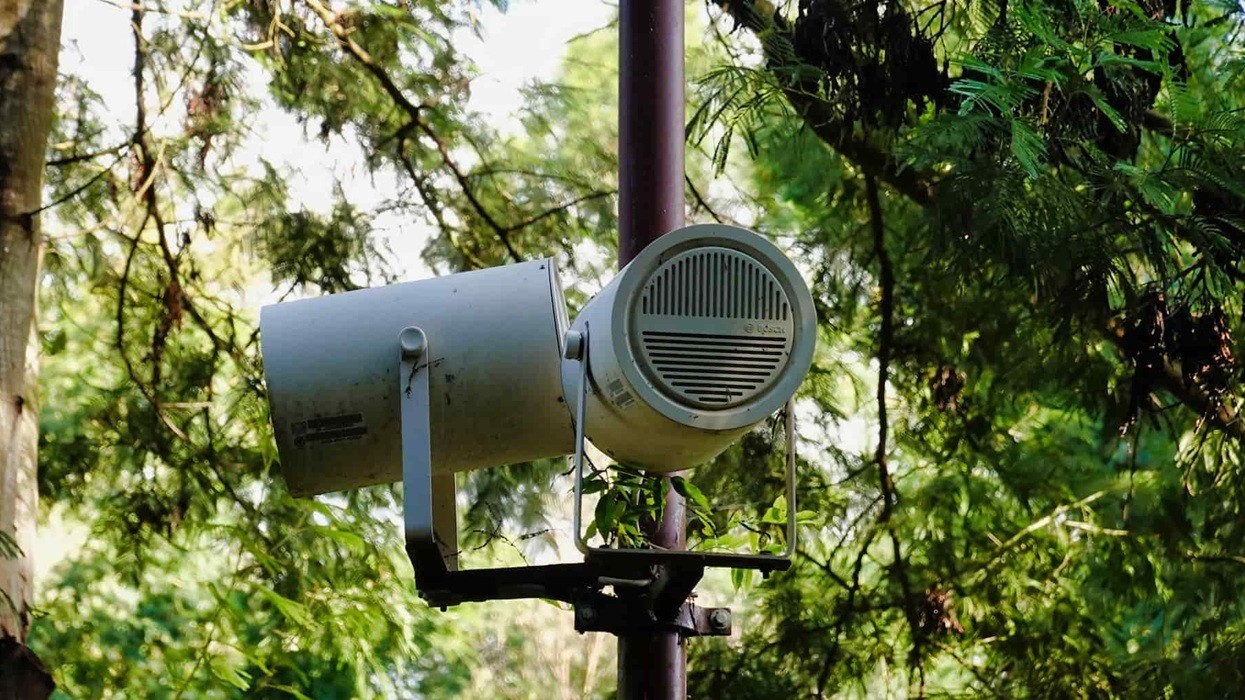
Loudspeakers, for example, offer wide, powerful coverage suitable for large-scale events and open spaces such as festivals and sports fixtures. However, they are sensitive to inclement weather and pose a risk of noise pollution if not strictly managed.
In contrast, directional sound systems reduce noise pollution by providing higher-quality sound to targeted areas. Best suited to smaller, more sensitive venues, this approach brings higher costs and more complex installations.
Other technologies, such as wireless headphones, eliminate noise pollution entirely. Headphones provide personalised, immersive listening for each visitor, but can be operationally and technologically demanding as the equipment needs to be robust, comfortable, and well-maintained.
Another common choice is the 100V line system, which connects multiple speakers over long distances for wide sound coverage across large areas. However, this requires specific cabling and compatible amplifiers, and can result in lower sound quality.
Silent sound systems
Losonnante's bone-conduction audio terminals offer an alternative. These silent sound systems overcome the difficulties of outdoor audio by transmitting sound directly to the listener. When they rest their elbows on the device and cover their ears, sound vibrations travel through the bones to the inner ear.
The system provides an immersive listening experience that is suitable for any public space. It is unaffected by sound loss through the air, weather conditions, or ambient noise, creates no noise pollution, and is fully compliant with the UK's PA system regulations.
It has been deployed for events such as Paris Zoological Park's summer sensory zone, the Saint-Étienne International Design Biennial, and BMW’s electric car launch, to create engaging, immersive outdoor sound events.
"Whether you’re showcasing heritage sites, creating immersive sound experiences or staging cultural events, Losonnante offers a solution tailored to the needs of public space managers and event organisers," says the company.
"For UK organisers, the best sound system for outdoor events is one that complies with event noise regulations, avoids complaints and still delivers clarity."
Last month, Losonnante shared how sound, as one of the most evocative carriers of emotion, helps bring exhibition designs to life.
The Zoological Society of London (ZSL) has announced the appointment of Kathryn England as its new CEO, making her the first woman to hold the role in the organisation's 200-year history.
With a background spanning veterinary care, wildlife health and senior operational leadership, England has been part of ZSL for more than 10 years, most recently serving as interim CEO.
Before joining ZSL, England worked as nursing manager at the RSPCA's Harmsworth Hospital and head nurse at the Royal Veterinary College, before moving into the animal health pharmaceutical industry.
"It is an honour to be appointed to lead an organisation I care about deeply," England said.
"ZSL's people, its science, and its mission are genuinely world-class, and I am determined that we use this milestone year as a springboard to grow the impact we have in our conservation work, for the communities we engage, and for the wildlife we work to protect and restore."
As above, 2026 is the Zoological Society of London's 200th anniversary, and England has already contributed to this year's bicentenary celebrations in her role as interim CEO.
ZSL's 200th anniversary
Projects to mark the 200th anniversary include a commemorative Royal Mint coin, a new Transport for London poster, and a new podcast series.
"In Kathryn, ZSL has a chief executive who knows this organisation profoundly, who has already earned the trust of colleagues, partners and supporters, and who has the technical background and strategic vision to lead it into the next exciting and important chapter," said Jim Smith, ZSL's chair of trustees.
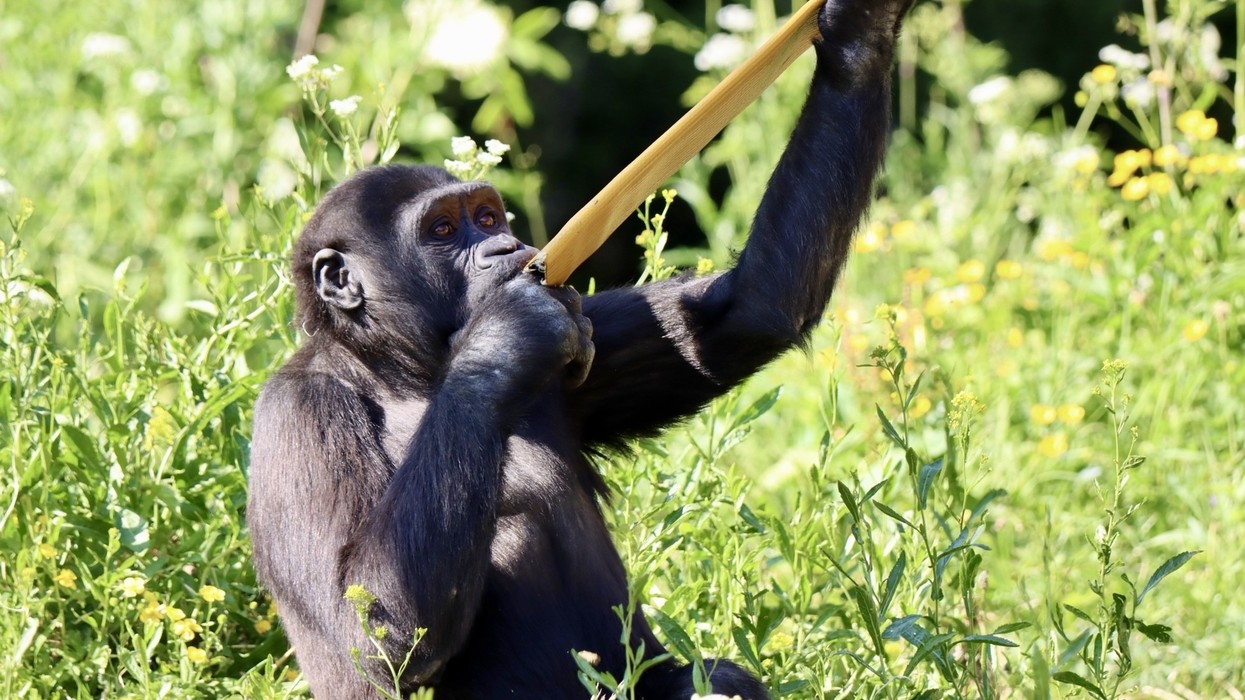
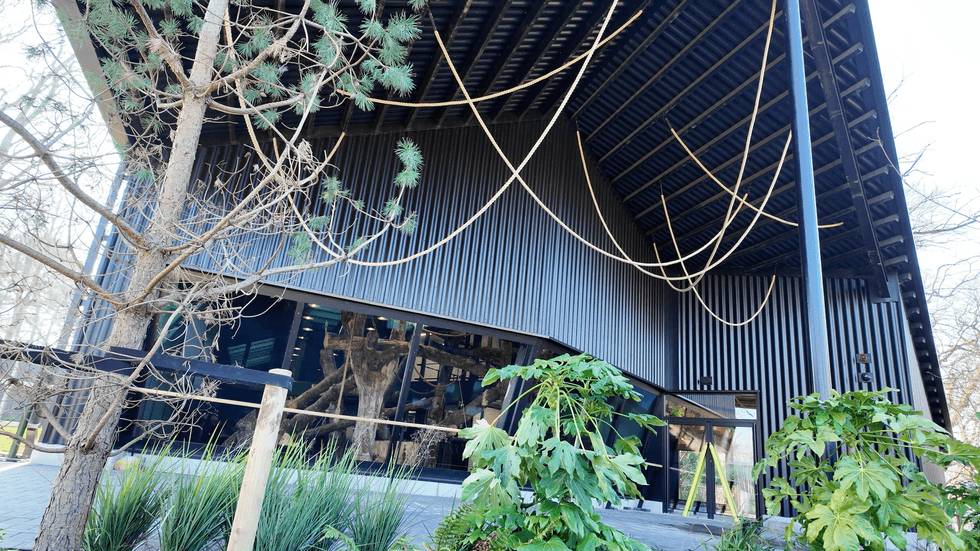
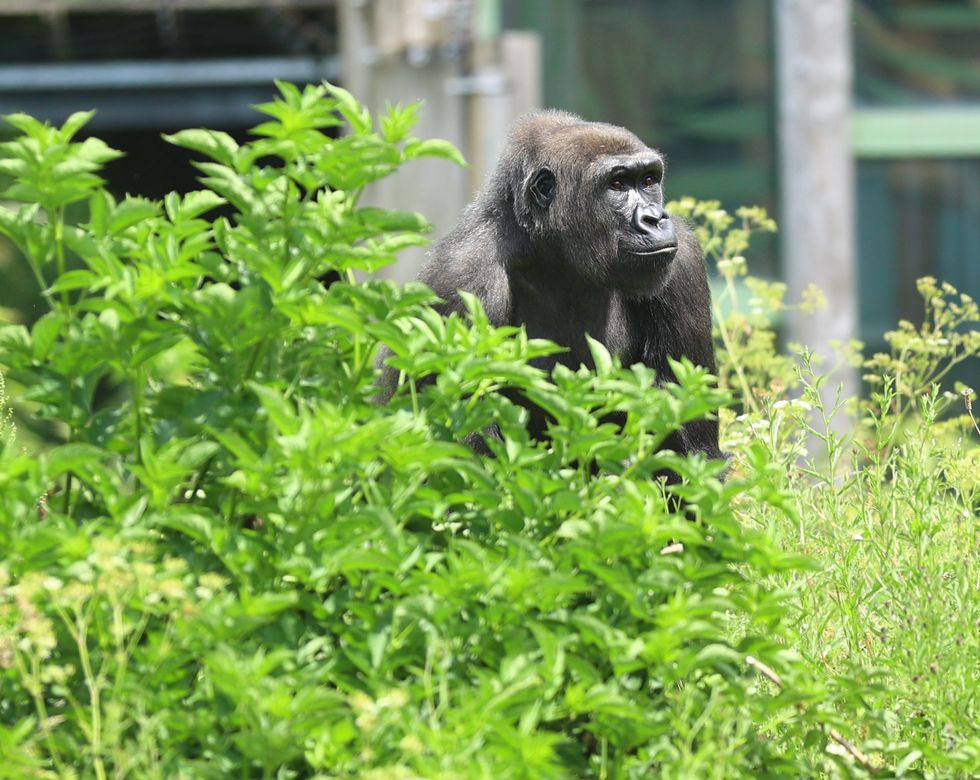
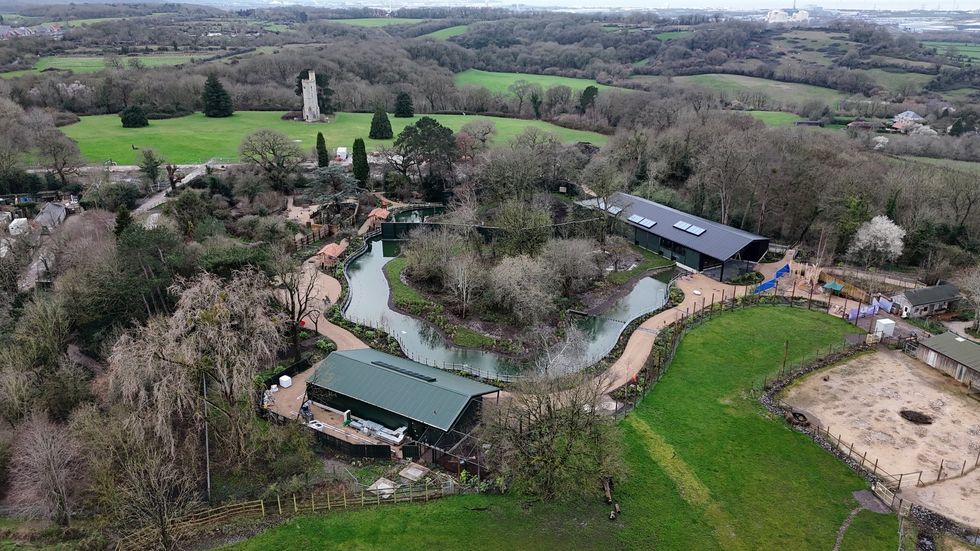
Bristol Zoo Project has set an opening date for its new 'African Forest' gorilla habitat, home to some of the world’s most threatened species.
Launching on 1 April, the new habitat houses the zoo's troop of critically endangered western lowland gorillas, as well as a new group of endangered cherry-crowned mangabeys.
Joining the gorillas and mangabeys in the habitat are critically endangered slender-snouted crocodiles, and endangered African grey parrots.
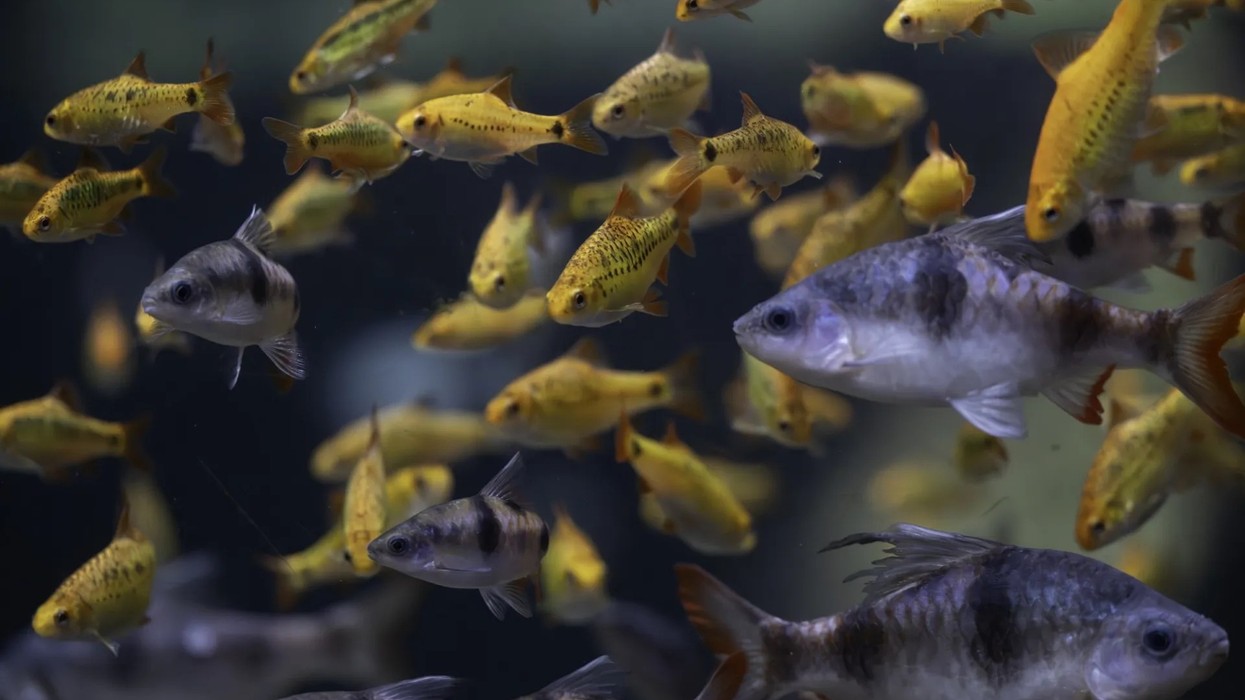
Also, guests will get to see several extremely threatened species of West African freshwater fish in a special underwater viewing area.
Justin Morris, chief executive at Bristol Zoo Project, said: "Bristol Zoo Project is not a typical zoo. It is a conservation project with a powerful mission to protect threatened species and habitats.
"Today, 85 percent of the animals in our care are both threatened in the wild and part of targeted conservation programmes. Every visit supports vital work in the UK and overseas – helping to safeguard species for future generations."
Verity McGuire
Set within a local British woodland, African Forest is four and a half times the size of the gorilla troop’s previous home at the former Bristol Zoo Gardens site.
"By creating larger, more natural habitats that prioritise animal welfare at Bristol Zoo Project, we hope to connect people with wildlife in meaningful ways and inspire the next generation of conservationists," Morris said.
"One of the most exciting features of African Forest is the opportunity to witness the unique interactions between species that share the same habitats in the wild. It’s their world on your doorstep."
John Penny
As part of the habitat's opening, a special tribute will be paid to the gorilla troop's silverback Jock, who recently passed away.
Like the zoo's Bear Wood environment, the new habitat includes a learning space integrated into the gorilla house.
SSA Group has been working on a transformative approach to operations. By weaving its signature 452 Hospitality ethos, rooted in a legacy of welcome and human connection, into Scout, a new AI-driven operating system, the company demonstrates how AI can enhance rather than replace the human side of hospitality.
For nearly 60 years, SSA Group has been a staple in the cultural attractions sector, collaborating with zoos, aquariums, and museums to provide comprehensive guest services. As a family-owned business, the company has continually adapted, but its core mission remains centred on a simple, powerful concept: hospitality.
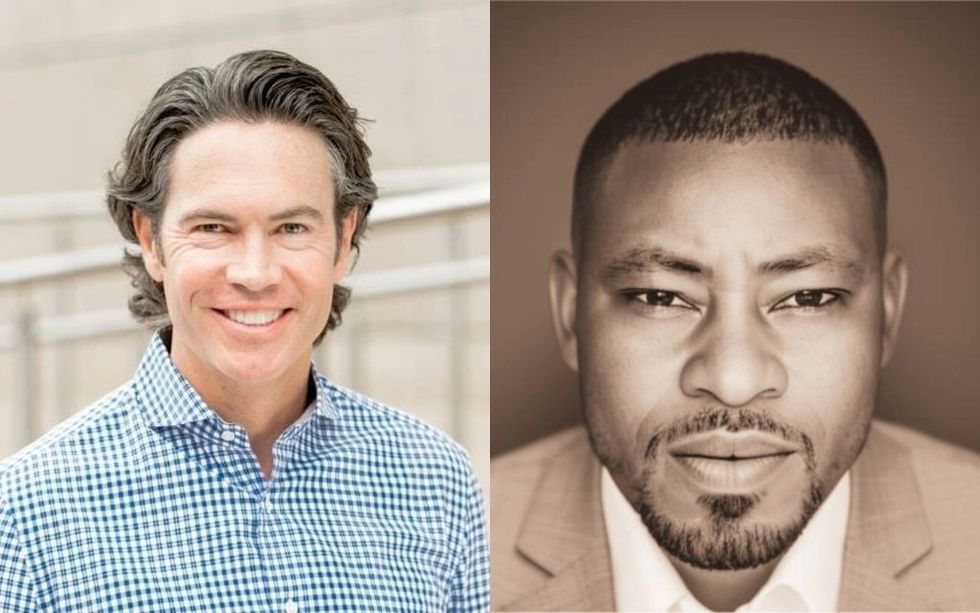
We speak with CEO Sean McNicholas and vice president of people and culture, Jason Stover, to unpack Scout's mission and learn how it can open the door to both greater efficiency and more memorable moments.
SSA reimagines the industry
Starting by looking at the bigger picture, McNicholas says: “What I love about SSA and our family business is our curiosity for continuing to reimagine the industry.
"Those are pillars of our plan. We approach 60 years as a family business in 2030, and what’s exciting to us is continuing to innovate, not just our business, but the guest experience for our clients and partners.”
Sean McNicholas and Jason Stover
This culture of curiosity is what prompted McNicholas and Stover to investigate the potential of artificial intelligence long before it became the industry buzzword it is today.
"Five or six years ago, Jason came to me as one of the early adopters of AI. We started talking about it, and the more we looked at tools like AI, we asked a very simple question: what one, two, or three areas could AI positively impact our business?"
For SSA, the goal was not to replace staff or remove the human element from the museum or zoo experience through automation. Instead, the emphasis was on liberation.
"The thing that became clear was how tools like AI could help us become more efficient with data, back-end systems, and administrative work," adds McNicholas.
"If we can be more efficient there, we can spend more time meeting guests where they need us, which is on the front line.”
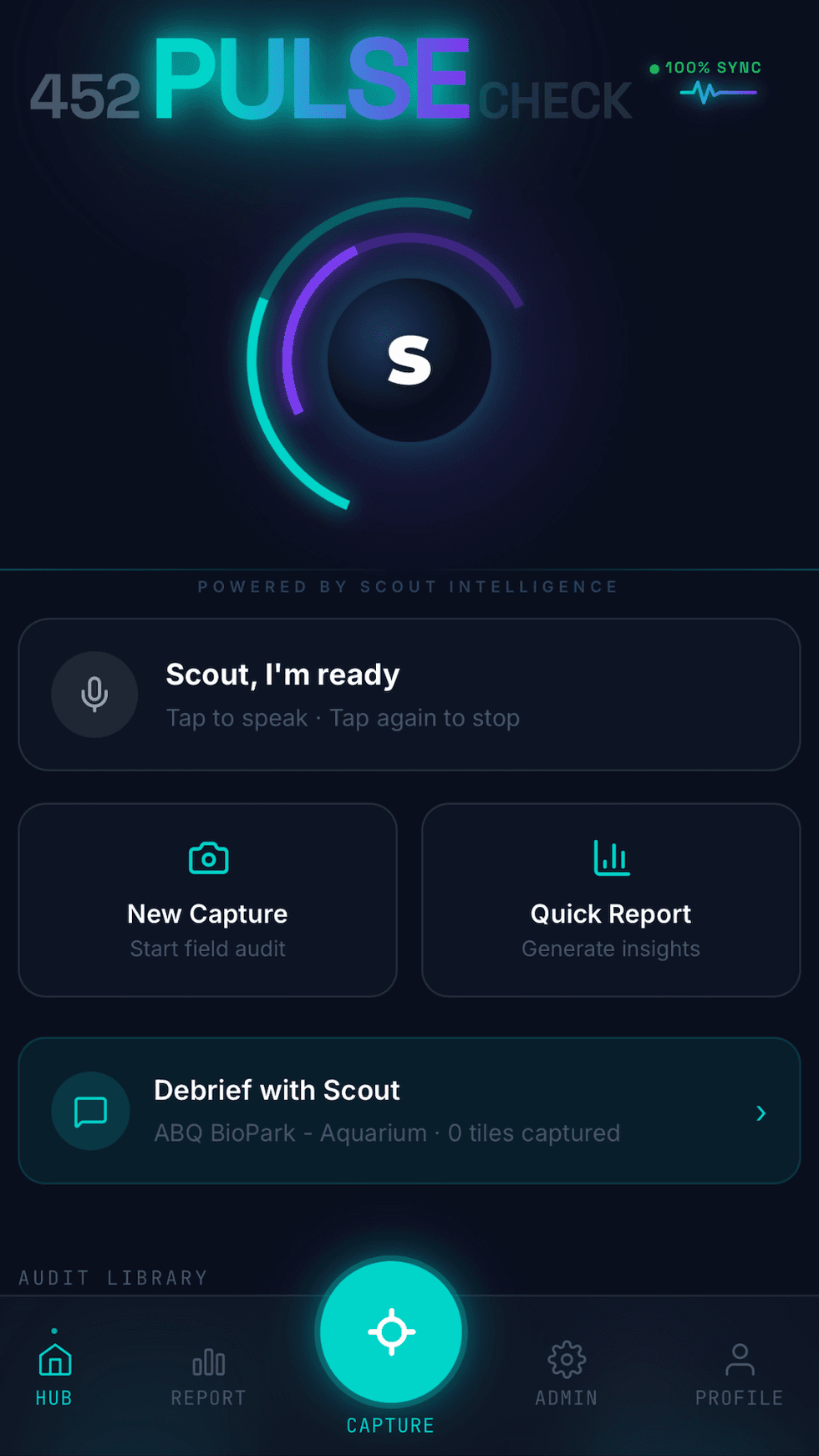
The outcome of this exploration is Scout, an AI-assisted tool and ‘unified intelligence layer’ designed specifically for cultural attractions.
Scout is positioned not as a replacement for human workers, but as a co-pilot. It is an operating system that gathers data from across the industry to provide real-time insights. Unlike general-purpose AI tools, Scout has been built for the sector's operational realities.
"AI is trending now, but it’s not new," says Stover.
"I’ve been with SSA for almost 30 years, and my journey with AI in this company has existed since day one. When I first became a manager, we were already experimenting with predictive analytics, trying to forecast attendance and staffing.
"That was AI at the time."
However, the leap to generative AI offered a new opportunity to support SSA's secret sauce: its people.
Stover employs a cinematic analogy to describe Scout’s role within the workforce:
"I compare it to Tony Stark," he says. "He’s brilliant, but he doesn’t become Iron Man until he has Jarvis. That’s what Scout is. It’s a co-pilot that takes away routine, monotonous work so our people can focus on what matters."
Real-time, useful insights
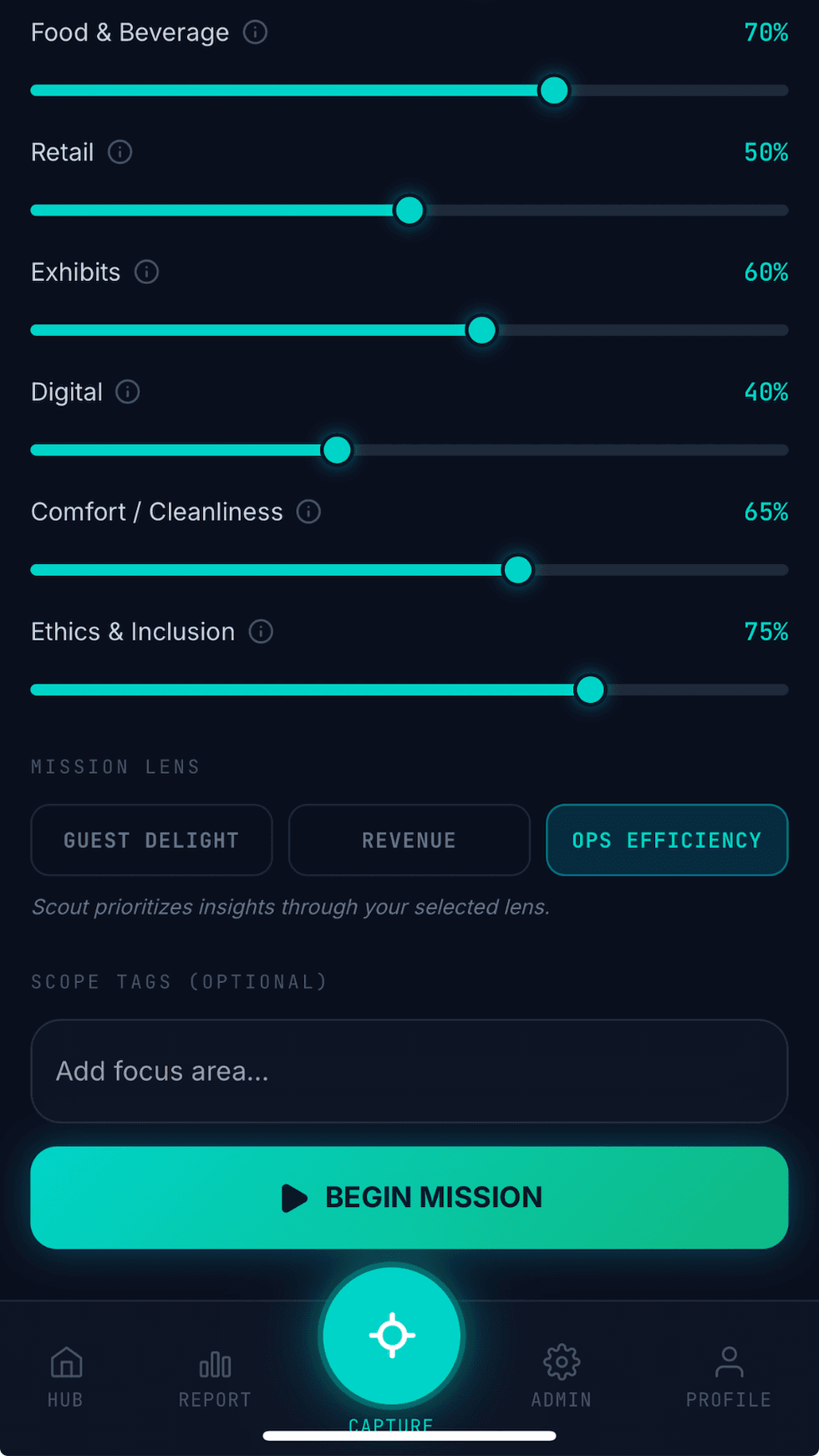
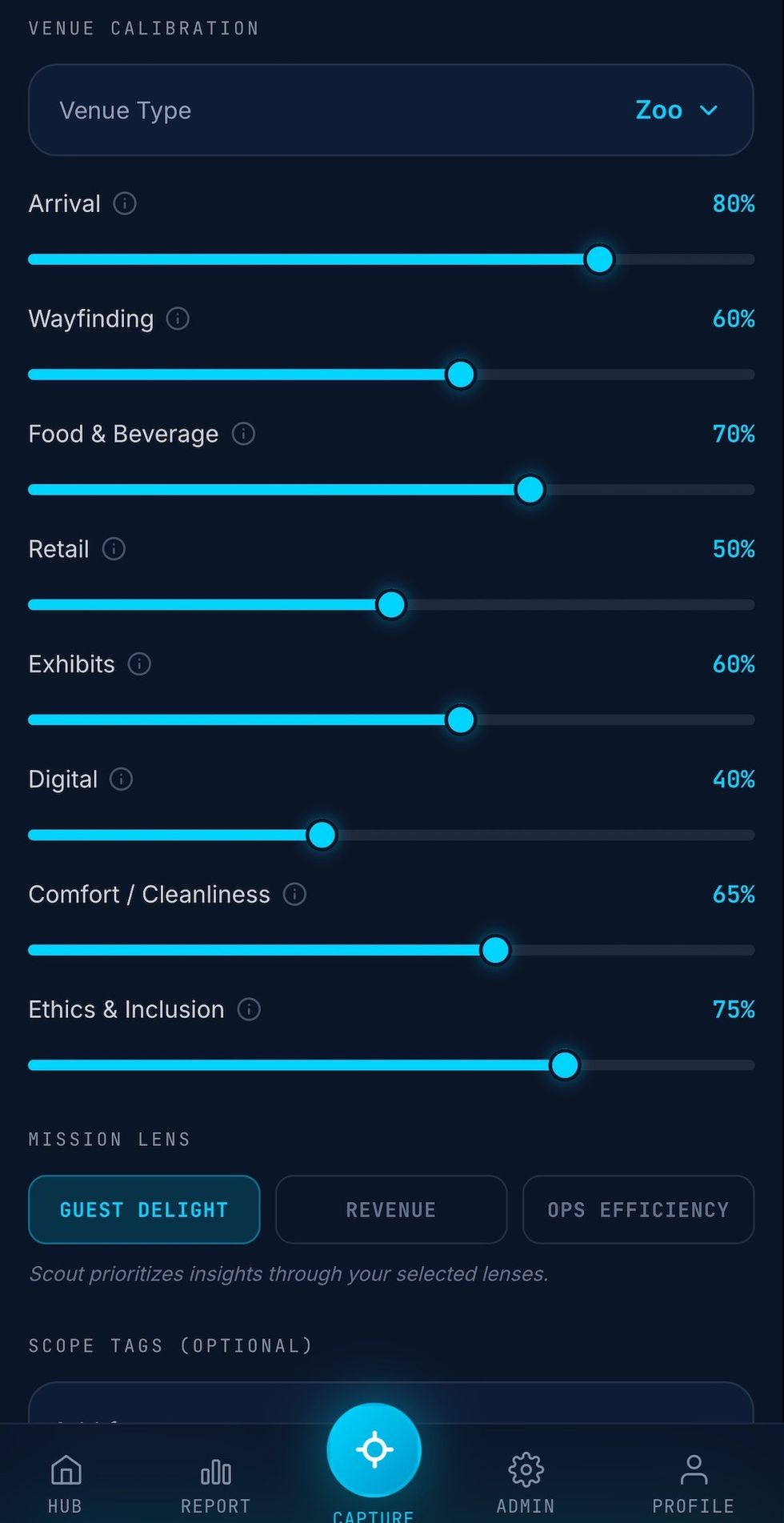
Designed to support guest-journey walkthroughs, the platform collects real-time observations and converts them into actionable insights tailored to each attraction.
The tool was created in accordance with SSA’s core belief that technology should never replace connection; it should enhance it. The idea is that data and design can collaborate to create memorable guest experiences.
This supports SSA’s wider focus on innovation, which aims to turn curiosity into meaningful change that advances partners' missions. By automating data analysis, Scout helps operators make more informed decisions about designs, platforms, and revenue strategies.
"Guest expectations are evolving faster than ever," says Stover. "Scout was built to meet this moment as a tech-forward AI tool that allows us to keep experiences deeply personal.”
The heart of the system: 452 Hospitality
Although the technology is impressive, the engine driving Scout remains entirely human. At the centre of Scout’s design is 452 Hospitality, the cultural ethos that defines SSA Group’s purpose and character.
Named after 452 Leyden Street, the Denver home where SSA’s founders first lived and practised hospitality, 452 has since become both a numeric and philosophical code for what the company stands for: a spirit of welcome, belonging, and genuine human connection.
At 452 Leyden Street, anyone could come in for a meal, a chat, or a place to rest. And that sense of genuine warmth now lives on in every SSA service encounter.
Today, 452 Hospitality reflects SSA’s ongoing dedication to creating authentic, memorable moments that uplift guests, partners, and colleagues alike.
That same spirit guides Scout’s purpose: rather than replacing people, the AI system aims to enable staff to embody 452 Hospitality more fully, freeing them from administrative burdens so they can provide the personal engagement that makes guests feel welcome and valued.
In practice, this involves a particular method for engaging with guests and monitoring operations. Scout develops a digital framework for this using the SOQ model: Observation, Opinion, and Question.
"Scout is being trained by the entire zoo, aquarium, and cultural attraction industry," Stover says. "Every conversation, every audit, every partner insight gets ingested and shapes how Scout operates.”
Within the Scout ecosystem, there are various ‘agents’ dedicated to different tasks, such as labour optimisation and inventory management. However, the ‘452 agent’ is unique.
"It has vision and voice capabilities. As you walk through operations, it analyses images and observations in real time and evaluates them against our hospitality standards. It acts as a co-pilot for auditors and operators, making observations, offering insights, and matching them with best practices and solutions.
“You might miss something as a human, but Scout won’t.”
Scout in action
The deployment of Scout is already producing tangible outcomes, progressing from theoretical ideas to solving complex on-site issues. This highlights SSA’s focus on turning insights into action by combining data, technology, and human connection.
McNicholas emphasises that the team is "continually evolving Scout by testing it across multiple attractions," noting that "every new site adds more data and sharper insights.”
Stover offers an example of Scout’s operational intelligence in action from a working session with the Detroit Zoo. The team was exploring a complex “what-if” scenario: opening a new entrance near a new exhibit while navigating compliance considerations, budget constraints, and a nearby rail track.
“Using Scout as a sandbox alongside their team, we pressure-tested the constraints, surfaced relevant regulatory considerations, explored alternative approaches like repurposed shipping containers, and generated rough-order cost ranges. It was less about committing to a final plan and more about accelerating discovery.”
“What’s exciting is that every audit surfaces a new real-world question, and we ask: Should this become a new sub-agent? That’s how Scout keeps evolving.”
Another success story comes from the Dallas Zoo, where Scout was instrumental in helping the zoo team explore their own AI journey while SSA conducted an inter-department relationship audit.
Scout is tailored to each user’s psychology
What makes Scout different from typical business AI tools is its incorporation of behavioural psychology. Acknowledging that strong operations don't happen by accident, SSA has combined leadership development with its technological roadmap.
Stover, whose background is in people and culture, insisted that if they were to create co-pilots, they had to understand the humans who would use them. So, instead of providing generic recommendations, Scout adapts its guidance to each leader's thinking and communication style.
"One of the first things we decided was that if we were going to build AI co-pilots, they needed to integrate Behavioural Essentials," Stover says. "We already use behavioural assessments that give leaders a 21-point profile, with strengths, tendencies, and blind spots. We’ve now incorporated that into Scout.”
This means that when a manager logs into Scout, the system is tailored to their specific personality profile.
"It understands how I communicate, where I might need softer language, or where I might need more structure," Stover says.
He adds that McNicholas served as the ‘guinea pig’ for this feature:
"We merged his traits and blind spots into Scout as he was working through our future roadmap. Scout isn’t just an AI tool; it understands your psychological makeup and helps cover your blind spots as you operate in your role.”
The future of the workforce
A common concern about AI is the risk of job displacement. However, SSA’s leadership firmly states that their investment in technology aims to safeguard, not eliminate, their workforce.
"As CEO, culture is my responsibility, and culture starts with values," McNicholas says. "Hospitality, human-to-human interaction, has always been our foundation. I don’t want a world of all robots and automation. I love people too much.
“That’s why Scout exists. It helps us live what we love to do: creating special moments for people.”
Stover shares this view, considering AI as a safeguard against the decline of interpersonal skills observed in other industries:
"We have to be proactive in shaping the future. Many companies will use AI purely to impact the bottom line. That’s their choice. But SSA has always been people-focused. We’re adopting AI safely and intentionally to better our people. As interpersonal skills decline elsewhere, we’re protecting them by freeing people up to reconnect.”
The efficiency gains are clear. Stover notes that tasks like scheduling, which previously took hours to analyse against weather and sales history, now happen in seconds. "That frees managers up to spend time with their team. That’s the point.
“We’re hospitality people. We want to be in front of guests, not behind a screen.”
A vision for 2030
Looking ahead, SSA has set bold goals for the next five years. As the company approaches its 60th anniversary in 2030, the vision is for a fully enabled workforce where each employee has a digital partner.
"By 2030, every person in our company will have a co-pilot that helps them be more efficient," predicts McNicholas. "We’ll also bring a unified revenue strategy to attractions, something the industry lacks.”
He also believes the metrics of success are shifting. It is no longer enough to simply count heads at the gate:
"The future metrics won’t just be attendance. They’ll be revenue, guest experience, and fulfilment," he says.
"There’s more competition than ever, and we have to be the place where guests leave thinking, 'That felt right.' To do that, our people need tools like Scout so they can spend more time creating those moments.
“That’s how we reimagine the industry.”
The future of hospitality
Summing up the benefits, COO Travis Kight says:
"AI is the future of hospitality, but not in the way most imagine. We see AI as a co-pilot, not a replacement, designed to protect the human connection that defines our industry.
“Tools like Scout allow us to turn data into real-time insights, freeing our teams from repetitive tasks so they can focus on creating unforgettable guest experiences.
"As Sean mentioned, by 2030, our vision is for every team member to have a digital partner that amplifies their strengths, covers blind spots, and helps us deliver hospitality at a level the industry has never seen.
“AI isn’t about automation. It’s about empowerment.”
As SSA Group looks towards the attractions of tomorrow, its message is clear: the path to the future is built on data, but the goal remains human connection.
By anchoring Scout in 452 Hospitality's philosophy of creating meaningful, human-centred moments, SSA isn’t just adopting AI for efficiency. It’s enhancing its ability to deliver heartfelt experiences that define its brand and shape the future of the guest experience.
"That’s the foundation of Scout," Stover says. "If a tool doesn’t protect hospitality or make us better people-facing operators, it doesn’t get built.”


 Verity McGuire
 John Penny