
Enhancing the role of planetariums as essential spaces for immersive learning and global connection, Digistar demonstrates the ongoing development of the dome as a platform for science, culture, and storytelling.
Influenced by ongoing collaboration with the worldwide Digistar community and Cosm’s real-world operations of immersive venues, the improvements in the latest release broaden the possibilities for shared, live, and collaborative experiences beneath the dome and worldwide.
Powering immersive experiences
Building on Digistar’s over 40 years of success, the latest version features new capabilities for live Domecasting, facilitating two-way interaction between multiple domes and presenters, as well as easier integration across theatre systems for seamless, reliable shows.
Additionally, it offers tighter integration of Unreal Engine environments, scientific data, and visual storytelling, helping institutions engage modern audiences in more collaborative, dynamic, and awe-inspiring ways.
“Since Digistar was born in 1981 as the world’s first digital 3D planetarium, our engineering teams have focused on building technology that evolves alongside the institutions it powers,” says Kirk Johnson, chief operations officer at Cosm.
“With Digistar, that focus balances connection and visual impact, bringing audiences, data, and ideas together across domes while simplifying the systems operators rely on to deliver confident, seamless live experiences.
"Drawing on decades of experience powering planetariums and science centers, Cosm is proud to continue advancing Digistar as a platform that helps institutions collaborate, adapt, and move immersive education forward.”
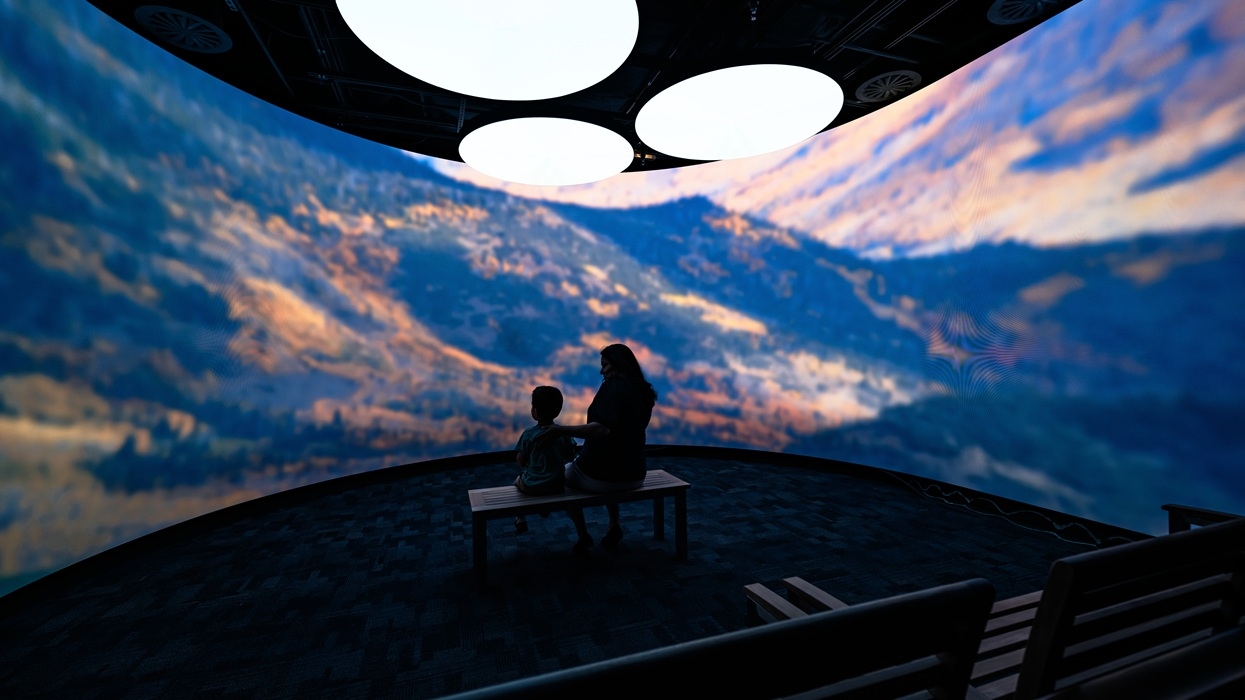
Today, Digistar is a vital part of Cosm’s CXSystem, its end-to-end LED dome solution. The CX System features cutting-edge LED dome display technology, experiential production software like Digistar, and a growing library of immersive content.
The CX System
With Digistar at its centre, the CX System is transforming the future of planetariums and science centres globally, supporting Cosm’s notable LED installations, including the Jane & John Justin Foundation Omni Theater at the Fort Worth Museum of Science & History, the Prague Planetarium, and Arizona Science Center’s Dorrance DOME.
Image credit Prague Planetarium
This fall, Cosm’s fourth CX System LED dome will be installed in the George W. Gillemot Foundation Dome at the Fleischmann Planetarium, University of Nevada, Reno. It will be the world’s first LED dome on a college campus.
Additionally, the CX System powers Cosm’s immersive Shared Reality venues in Los Angeles and Dallas, with upcoming openings planned for this year and next in Atlanta, Detroit, and Cleveland.
To enhance the latest Digistar features and production tools with immersive content, Cosm is broadening its Premium Media Program.
This flexible, cost-effective solution offers domes running Digistar and CX System LED domes access to over 50 immersive films. Through collaborations with fulldome studios such as Cosmic Picture, the American Museum of Natural History, and Moonraker VFX, Cosm aims to grow its network of partners.
The programme will also expand its acclaimed catalogue of immersive films with new titles and exclusive Cosm Studios Original productions.
Last year, Cosm announced its collaboration with Museo de Ciencias (MuCi), an interactive science museum in Paraguay, to develop the most advanced planetarium in South America. Using Cosm’s CX System LED dome and Digistar, the project is set to revolutionise how visitors experience immersive science education in the new Blas Servín Planetarium.