
Sustainability is a big topic that carries a lot of expectations. Sometimes it can come across as overwhelming pressure to do everything perfectly, all at once: fix the world, do it on a budget, and have it done by yesterday. Right.
Despite those unrealistic expectations, it is true we need to act; the time to stand back and observe is long past. Today, it seems like the challenge is not getting people to care or recognize the importance of climate change. Instead, it’s hard to justify resources to fight tomorrow’s fires when we barely have enough for today’s.
Even if we’re willing, how do we know where to start? How do we know we're heading in the right direction, making the right decisions?
What does "good" look like when we don't know exactly what we're aiming for?
Throughout my career, I have seen this uncertainty lead to paralysis analysis from decision-makers.
The silver lining is that there is no perfect answer - or even the right answer! We can only make decisions based on what we know today, knowing it could all change tomorrow. The question is, how do we navigate these turbulent waters strategically?
Change is all around us. Sometimes we seek it out; other times, it is imposed on us. But no matter where we are or where we are going, change is a constant that we always have to manage.
And sustainability is change. Though I am new to the attractions industry, I have been working in this field for a long time. I have seen the focus evolve from saving energy costs to decarbonization and climate resilience.
Today, we are being asked to consider the lifetime environmental and social consequences of our decisions, and how we hold ourselves accountable to the changes we have committed to making.
A good sustainability program is designed not just to create change, but also to survive it.
I’ve designed, implemented, and managed several sustainability programs throughout my career. I’ve seen them thrive when sentiment was high, and crumble when budgets tightened. With each win and loss, I’ve taken the lessons learned to make the next one better.
As WhiteWater’s sustainability program manager, I’m always thinking about how our ISO14001 Environmental Management System can add value through four strong principles:
1. Materiality: what is relevant to our organization?
Materiality is a concept commonly used in law, accounting, and auditing processes to help organizations determine which issues are significant and which are acceptable.
In sustainability, it gives us a way to decide what we should do first and what is currently out of scope.
At WhiteWater, we sit down with departments across the company to review their activities and associated environmental impacts each year. This exercise helps us determine which issues matter most to how we work.
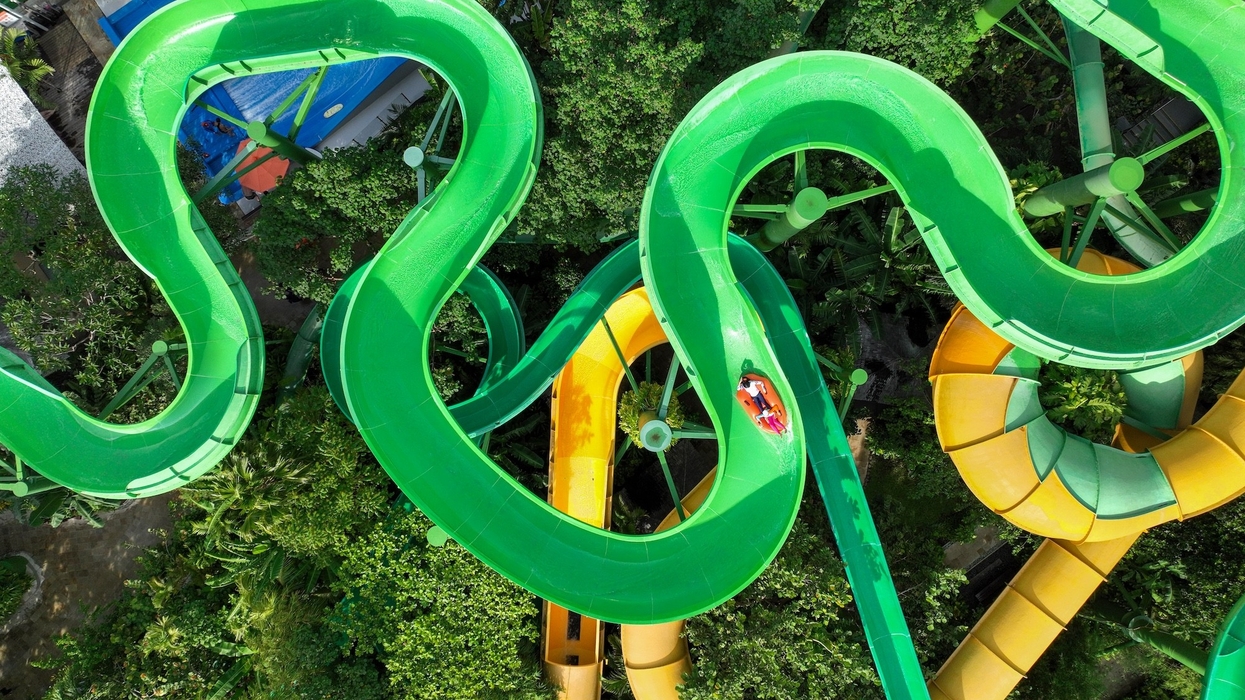
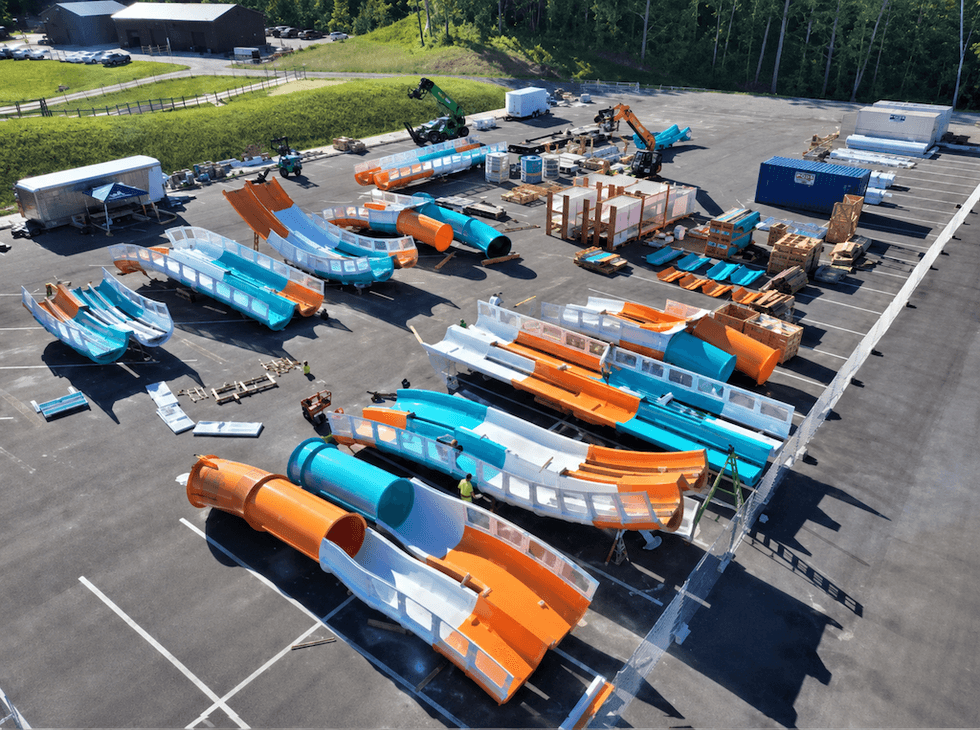 WhiteWater slide components at a project site
Using a risk management approach, we consider factors such as severity and frequency, existing controls, and alignment with our business objectives. From there, we can identify where additional intervention may be needed.
This process has helped us focus on priorities including reducing air-freight emissions, improving the efficiency of our products, and addressing new regulatory requirements such as the European Union’s Carbon Border Adjustment Mechanism.
Materiality is not only a tool for deciding what to do, but it also gives us clear, defensible, and credible rationale for deciding what not to do.
Without that guidepost, organizations can be tempted to chase every idea that sounds good! This can consume a tremendous amount of time, money and morale without creating much meaningful change.
Sustainability programs need strategy to turn ambition into progress.
2. Collaboration and reciprocity: bringing others along
Meaningful sustainability is not a one-person job, or even a one-team job. Effective sustainability champions are change agents who work through people and make use of the knowledge that already exists across an organization.
In one of my previous roles, our team worked to build a renewable heating system using local wood as its primary fuel source, which is considered a greener alternative to imported fossil fuels.
This pilot project was located in a remote, northern community that lacked a robust supply chain for suitable wood fuel and equipment expertise from our building staff. The ambitious project aimed to break the paradox where supply needed demand to grow, yet demand needed supply for reassurance.
We brought together forestry management officials, the local lumber and trades industries, procurement specialists, project managers, building operators, and climate change experts to answer a very specific question: How can we turn our trees into environmentally responsible, low-carbon, and reliable heat?
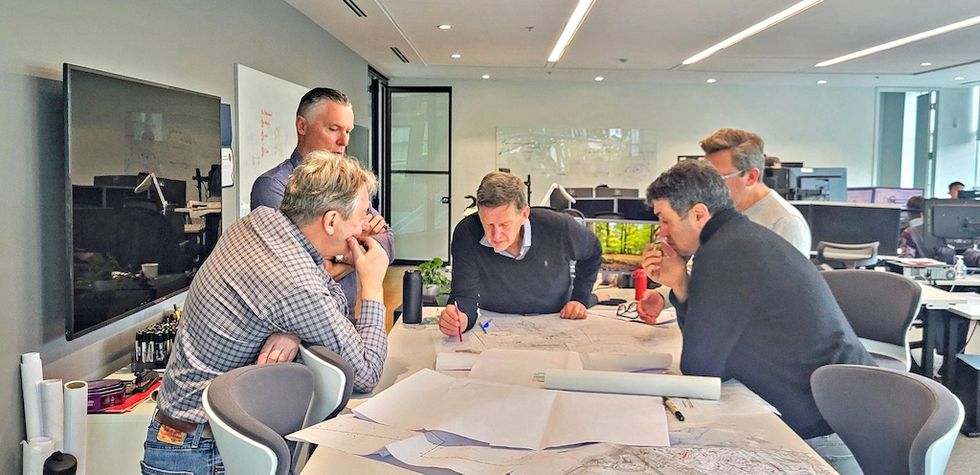 WhiteWater approaches sustainability as a collaborative process
These conversations led to an innovative business model in which the company responsible for the system’s construction also provided fuel and operations services; this created a single point of contact, supported by a network of partners, that could manage both supply and demand for long-term economic and environmental benefits.
I see a similar interconnected chain in the water attractions industry. Sales shapes the design of products and projects, which in turn influences what is sourced, delivered, and built.
The finished attraction then informs future sales and commitments. In this cycle, each team holds a piece of the puzzle while being constrained by the decisions of others. Working together, rather than in silos, gives us the knowledge and control to overcome bigger challenges than trying to go at it alone.
Across every industry, experts already know what sustainability means within their work.
My role is not to tell them how to do their jobs better; that would be offensive and ridiculous! My job is to help surface their expertise, foster collaboration, make trade-offs visible, connect their work to environmental commitments, and remove barriers to more responsible decision-making.
Sustainability needs to help our people before it can become part of the value we promise to customers.
This reciprocity matters. If sustainability only creates more forms, meetings, and reporting, it will feel like an unwanted, added burden.
We also need to ask: how can sustainability give back to those who help us along the way? Can it also reduce waste, improve systems and products, deliver on client satisfaction, save money, mitigate risks, prevent rework, or avoid headaches?
Bringing people on board is not simply about persuading them to care about sustainability; most already do. It is about showing how the proposed changes can create value through their eyes.
3. Impact: are we actually changing anything?
Delivering impact starts with planning. What kind of change do we want to create, and how will we know whether we have achieved it?
I once collaborated with a local university on a pilot project to test out electric thermal storage as an alternative to fossil fuel heating. I wanted to be deliberate and strategic about our performance evaluation approach to avoid the cost of creating, storing, and collecting data that we wouldn’t use.
In one of our first meetings, the academic team walked in with a plan: a defined hypothesis, anticipated outcomes, key performance indicators, and the data points required to calculate them. It reminded me of the scientific method I used in high school!
With this approach, we added sensors to the project scope, set protocols for data gathering, storage, and transmission, and assigned roles and responsibilities for performance evaluation.
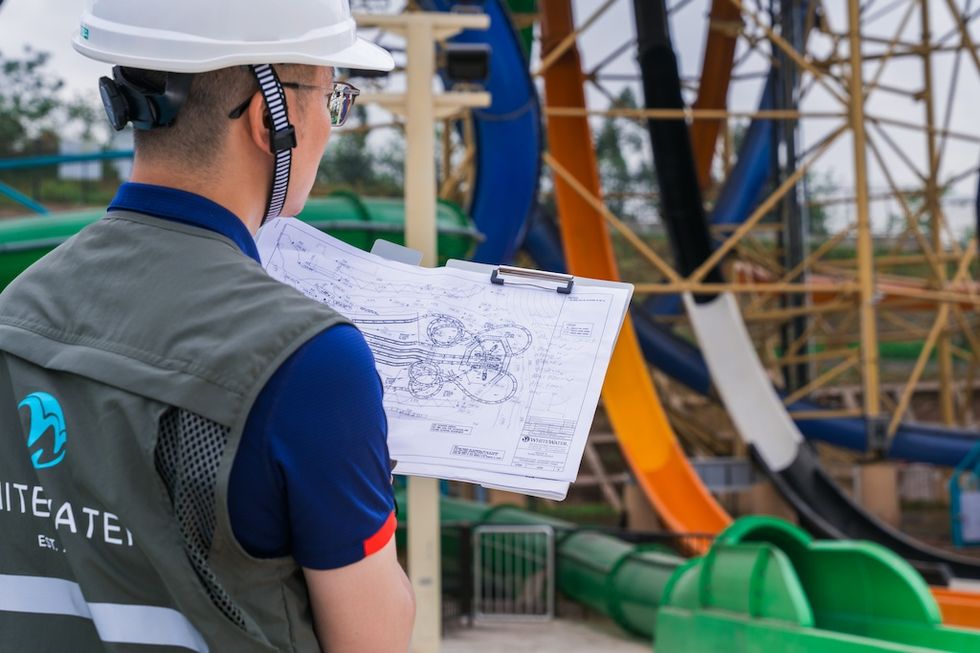 Measuring the impact of sustainability initiatives is key in any attractions project
We included these requirements in our agreement to ensure we understood our individual contributions to a shared vision of success.
Measurement approaches and targets need to be considered at the beginning, not the end. Knowing what success looks like early on helps us collect the right information while work is underway and gives us a plan for evaluation once the change has been implemented.
Additionally, impact does not mean that every initiative will turn out exactly as planned. It means we are prepared to learn from the results.
Did it work? If so, great! What made it happen and how can we replicate it elsewhere?
If it did not work, what went wrong and how can we make the next attempt better? We cannot manage what we do not measure, and measurement is only useful when we know what to do with it.
4. Resilience: are we prepared for change?
We try to do all three things above well so that our sustainability program can be resilient.
Today, sustainability champions across industries are attempting to drive systemic improvements against an environment that is changing faster than ever. Budgets shift. Customer expectations evolve. New regulations emerge. Technologies improve. Supply chains are disrupted. People and organizational structures change.
WhiteWater chose to follow the ISO 14001 Environmental Management System standard because we needed more than a list of good sustainability intentions. We needed a structure that could help us manage change effectively.
ISO14001:2015 required organizations to identify and document the risks and opportunities that could affect their environmental management system; for us, this helped keep our program grounded in its purpose while adapting to the realities of the business and the world around us.
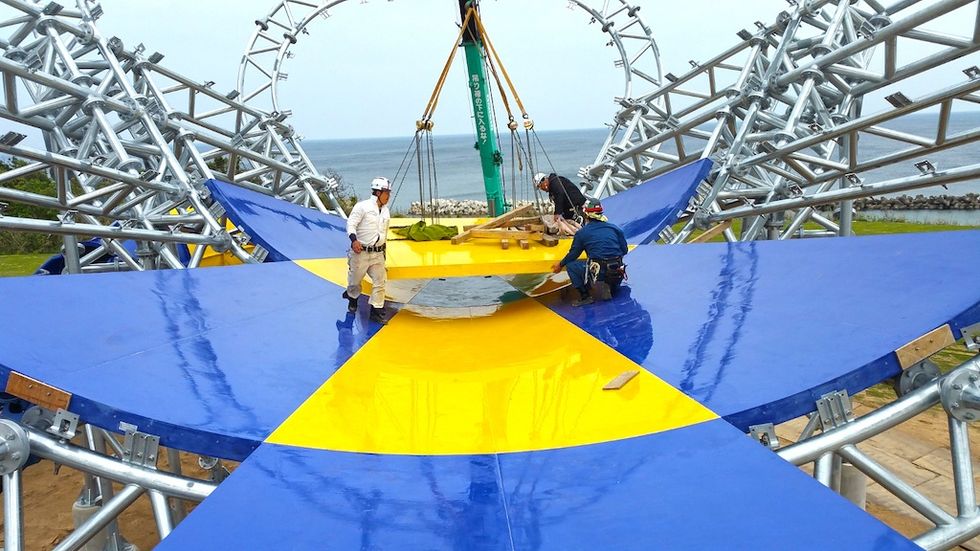 In all attractions projects, a resilient sustainability programme is important
In 2026, the need to anticipate change is more evident than ever.
Earlier this year, ISO released a new version of ISO 14001:2026 with a more explicit focus on change management. The updated standard builds on that foundation by requiring organizations to plan for changes that affect, or could affect, the EMS, and to manage them so the system can still achieve its intended outcomes.
A resilient sustainability program must remain flexible without losing its purpose. Materiality tells us what matters most to the business. Collaboration brings other people into the work so that the program does not depend solely on centralized specialists. Measuring impact tells us which initiatives are working and why.
Together, these principles help us decide what to expand, what to revise and what may no longer be worth pursuing. This way, when things do happen – changes in leadership, market demand, supply chain volatility, etc. – we’re prepared to pivot without losing progress.
A direction, not a destination
“Good” is a direction, not a destination.
When I think about what makes a good sustainability program, it is a journey of consciously and consistently choosing to do the right thing for the business, our people, and our planet.
Over time, these small, responsible choices create a pattern and build a culture of responsibility.
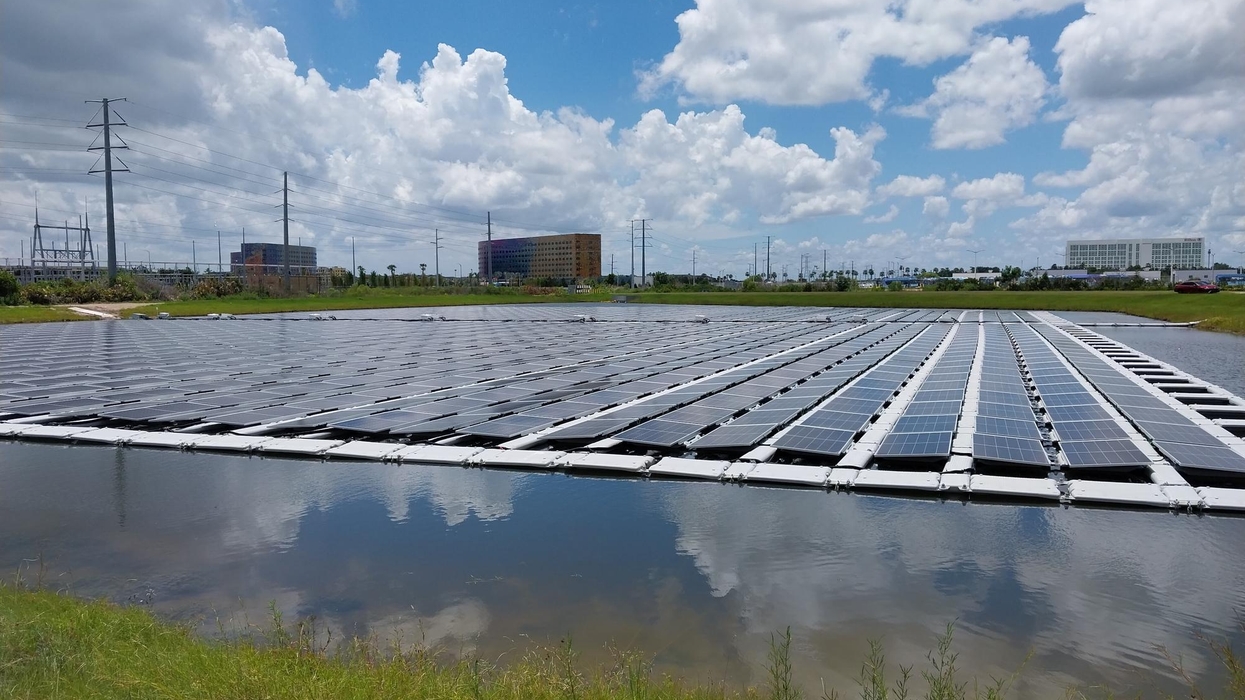
Good change doesn’t always look like solar panels or an electric car. Sometimes, it looks like choosing products with features that use less material, energy, and water. Other times it can look like hard conversations with supply chain partners to reduce waste from manufacturing processes, and choosing less carbon-intensive freight options.
To me, “good” isn’t a checklist; it’s the willingness to try, learn, and make the next decision better.
Sustainability is a big word, and it can seem overwhelmingly complex and massive. But it does not have to be! We can reflect on what we know, the decisions we are making, and the impacts we are aware of to figure out what sustainability means to us.
As the sustainability program manager, my job is to foster a safe space to learn, adjust, and continuously improve together.
That is a good place to start.