
Extraordinary collections, an iconic building or a blockbuster exhibition have traditionally been the bedrock of great cultural and heritage institutions.
But today’s audiences are increasingly looking for more. With endless choice and competition for their time, they are more informed, sceptical and values-driven than any generation before them. They look for organisations that stand for something beyond their offer.
This shift isn't unique to museums. Across every sector, organisations are redefining themselves around purpose.
Consumers increasingly choose brands that reflect their own values, support causes they believe in and showcase meaningful social, environmental or cultural impact.
For museums and heritage organisations, this presents an extraordinary opportunity.
Unlike many commercial brands, they already possess something that cannot easily be manufactured: public trust. They are custodians of collections, knowledge, and stories built over generations – but the challenge now is how to become catalysts that shape contemporary conversations.
Across the UK, a growing number of cultural institutions are already redefining their public role.
Museums redefining their role
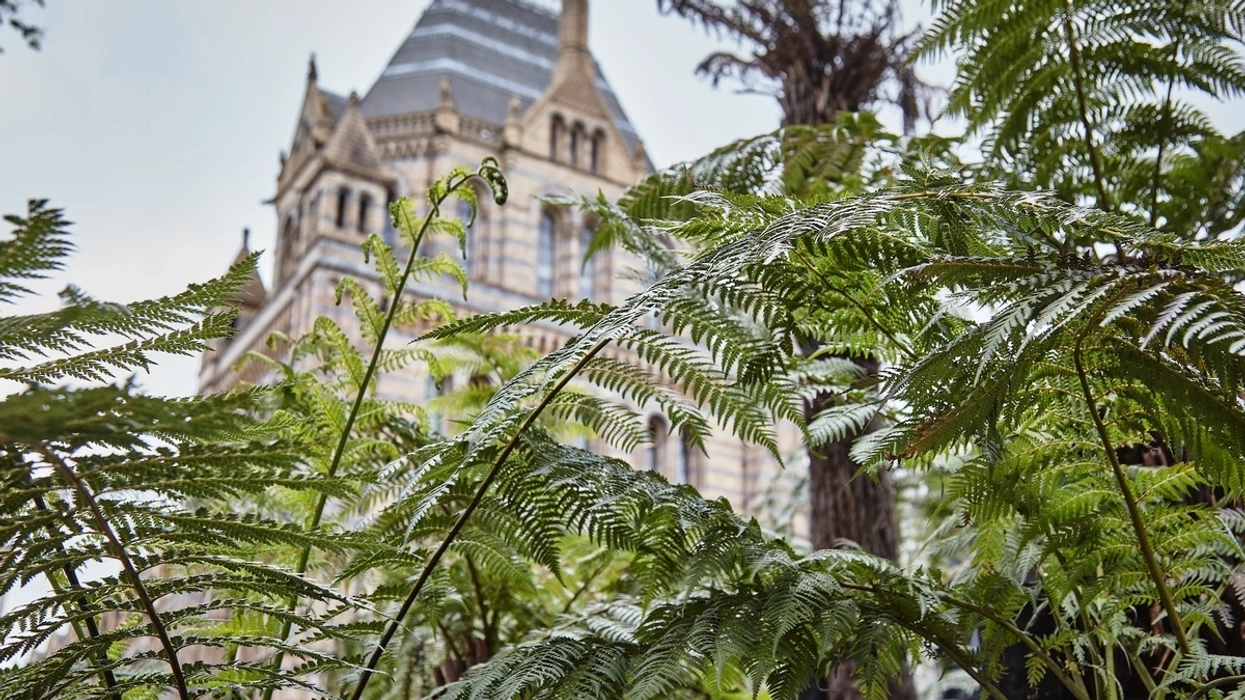
In 2025, the Natural History Museum in London welcomed a record 7.1 million visitors and unveiled five acres of transformed gardens.
It is not only Britain's most visited museum but also one of its most influential advocates for biodiversity, climate and the natural world, using its collections, research and public profile to create advocates for a future where people and planet thrive.
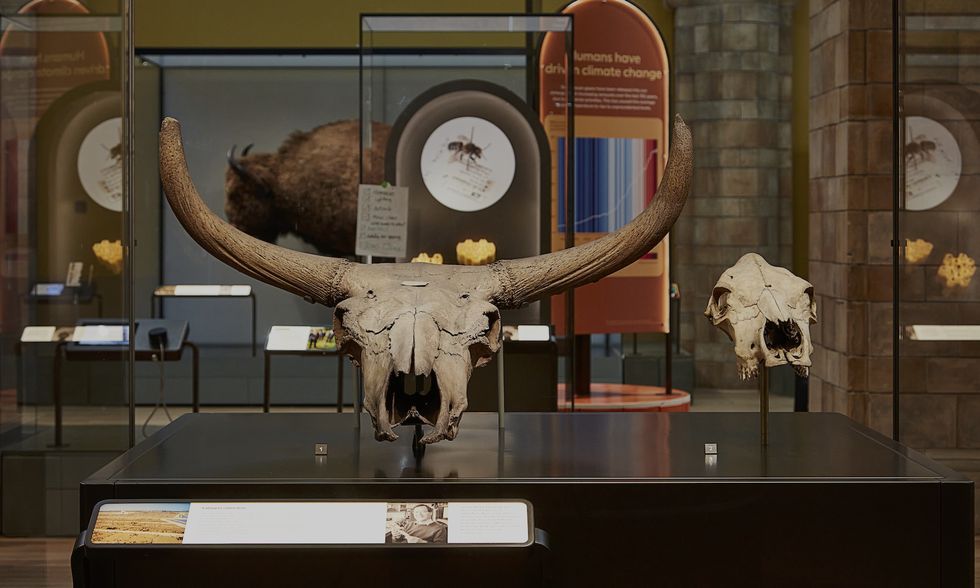 Fixing Our Broken Planet exhibition at London's Natural History Museum Image courtesy of NHM
The National Trust is the UK’s largest heritage organisation and conservation charity, with 250,000 hectares of countryside, 780 miles of coastline, 1 million objects in its collections, and 500 historic properties, gardens and nature reserves across the UK.
Marking its 130th birthday in 2025, it launched an ambitious new 10-year strategy anchored in tackling the climate crisis and inspiring millions to access nature and protect the planet - repositioning the Trust as a national force for nature and access.
Others have found their purpose closer to home, placing communities at the heart of their work. One of the UK's largest university museums, Manchester Museum, has reimagined its relationship with local communities, placing participation, belonging and social justice at the heart of its purpose.
From co-creating exhibitions with local residents to recognising the Rights of Nature, it has repositioned itself as an active civic institution.
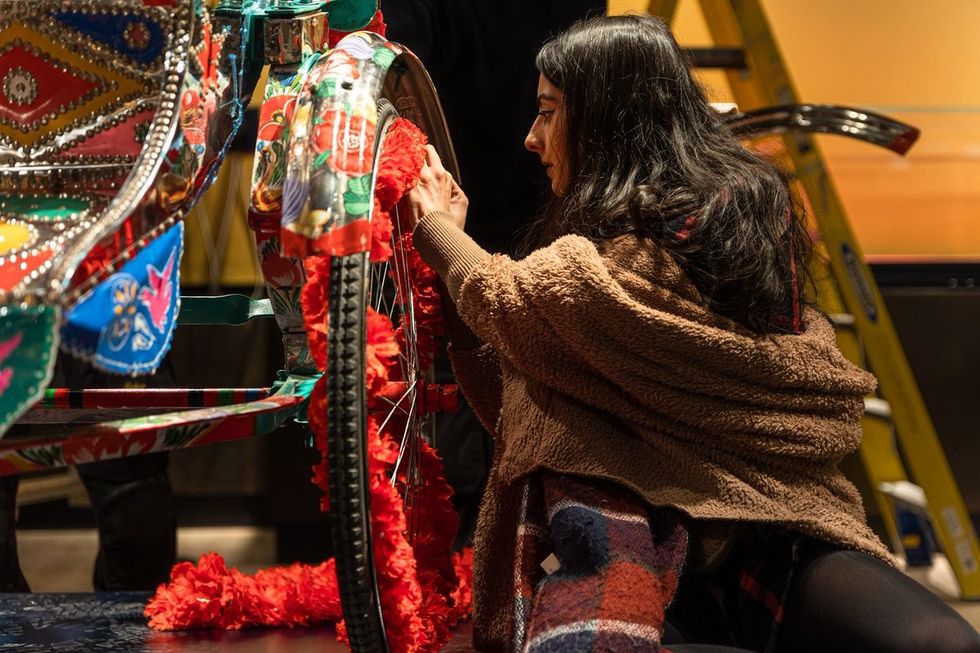 Putting the finishing touches on a traditionally decorated rickshaw in the South Asia Gallery at the Manchester Museum, ahead of its opening in 2023 Image courtesy of Manchester Museum
Birmingham Museums has similarly reframed its collections as a platform for contemporary voices and dialogue, working with communities to reinterpret collections, foreground underrepresented stories and explore the city's diverse histories.
Together with many local and regional museums across the UK, these cultural institutions actively reflect the lives of their communities and use their collections to foster belonging, participation and social change.
Purpose as strategy
This is where purpose moves beyond marketing and becomes strategy.
A clear purpose shapes every significant decision an organisation makes, from the stories it tells, the collections and experiences it develops, and the audiences it prioritises, to partnerships, investment, and - crucially - what it also decides not to do.
It helps audiences understand not just what an organisation does but why it matters – and why we should care.
The V&A has built one of the strongest purpose-led propositions in the cultural sector, with a mission to champion design and creativity in all its forms, for everyone.
This central belief in the transformative power of creativity is the golden thread that runs through all V&A activity – from new museums including Young V&A and V&A East, to its exhibition programme, digital content and community outreach.
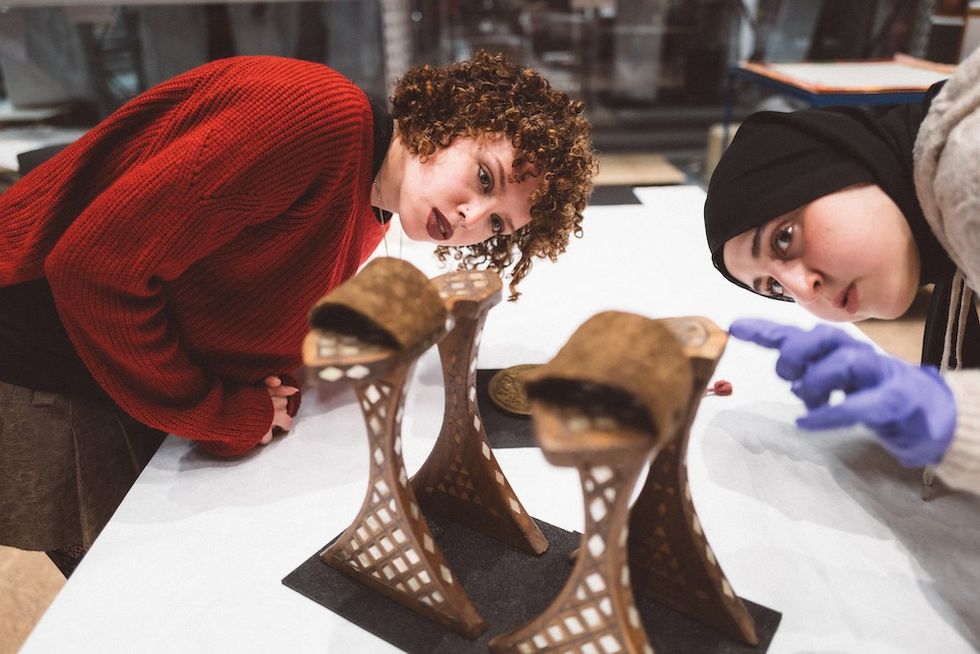 Order an Object appointment at V&A East Storehouse. Object pictured - A pair of qabqab, made 1800-1880, Egypt Image by Bet Bettencourt for V&A
The result is an institution with a recognisable identity, whether in London, Stratford, Dundee or Shenzhen, creating an emotional connection that extends far beyond its physical walls.
Major exhibitions, gallery launches and moments will always capture the public imagination. But it’s increasingly purpose that connects – and creates reasons to return, participate and advocate.
Museum-going is often surprisingly tribal, and allegiance is emotional. People support organisations that reinforce who they are, their values and the world they want to see.
For cultural organisations today, the challenge is to understand their unique contribution and place it at the heart of their strategy. Whether that centres on climate, history, creativity, education, science or community, the institutions that thrive will be those that become catalysts as much as custodians and connect on a human level.
Their collections, expertise and extraordinary spaces will remain their greatest assets, but their enduring impact will be measured not only by what they preserve or interpret, but by what they inspire, enable and set in motion.