From VIP tours to exclusive lounges, from skip-the-line passes to limited-attendance after-hours exclusive events, theme parks have been attempting to address a growing need for so-called premium experiences for several years now.
In a market that was traditionally always just a one-tier system, where every guest was treated the same, the desire for special treatment and exclusive events from those willing to pay a premium upset the apple cart a long time ago.
You have only to listen to any of the quarterly performance reviews from the major theme park chains to know that premium experiences have become one of the fastest-growing revenue streams for the global attractions industry.
Each year, guests increasingly seek out services offering extra convenience, exclusivity, and special services. Meanwhile, theme park operators have been more than willing to expand their offerings to deliver these options, while still trying to balance fairness for everyone else.
The rise of the tiered experience model
For decades, the theme park business was built around a very simple premise. Guests arrived, paid the same price for admission, and received the same level of access to the rides, shows and other attractions.
The only options to generate extra revenue were when guests opted to spend extra on food and beverages, merchandise, and midway-style games during the course of their visit.
Today, that business model has been at the forefront of an incredible evolution.
At nearly every level, every department, and every experience, the attractions industry has been increasingly creating new tiered experience options.
Even before your guests have entered the park, the first option already lies before them as they pull up to the parking lot, which typically now offers the option of paying for basic parking or paying extra for a premium-tier parking spot closer to the front gate.
 From better parking and food offers to seperate entrances and skip-the-queue perks, theme parks are offering more...to those who pay
Stroll up to the ticket booth, and while you still might find some basic admission prices for all, there is often now an option to bundle things like food packages and VIP tours with your admission.
Perhaps you might want to upgrade to a season pass, in which case there are more tiers to choose from.
Basic entry-level passes, mid-tier passes that might offer some discount options or line-cutting passes, or perhaps you might want a platinum level pass that could also give you free entry into other nearby parks from the same chain, a cut-to-the-front-of-the-line pass or two…maybe a bring-a-friend pass.
Oh, and for the top tiers, your park might also be offering an exclusive platinum lounge area to relax in and maybe get a free beverage.
Learning from the airline industry
If some of this sounds familiar, it should: this is also the same kind of upsell marketing that vacation travelers have been encountering with cruise line experiences, as well as something that airlines have also been increasingly pushing.
Delta Airlines is a prime example of this with an initiative that the company’s CEO, Ed Bastian, has been championing for well over 15 years now.
At one point, air travelers would simply seek out the cheapest ticket option for their travel. But after years of pushing for a more reliable and quality-driven experience, that trend has changed.
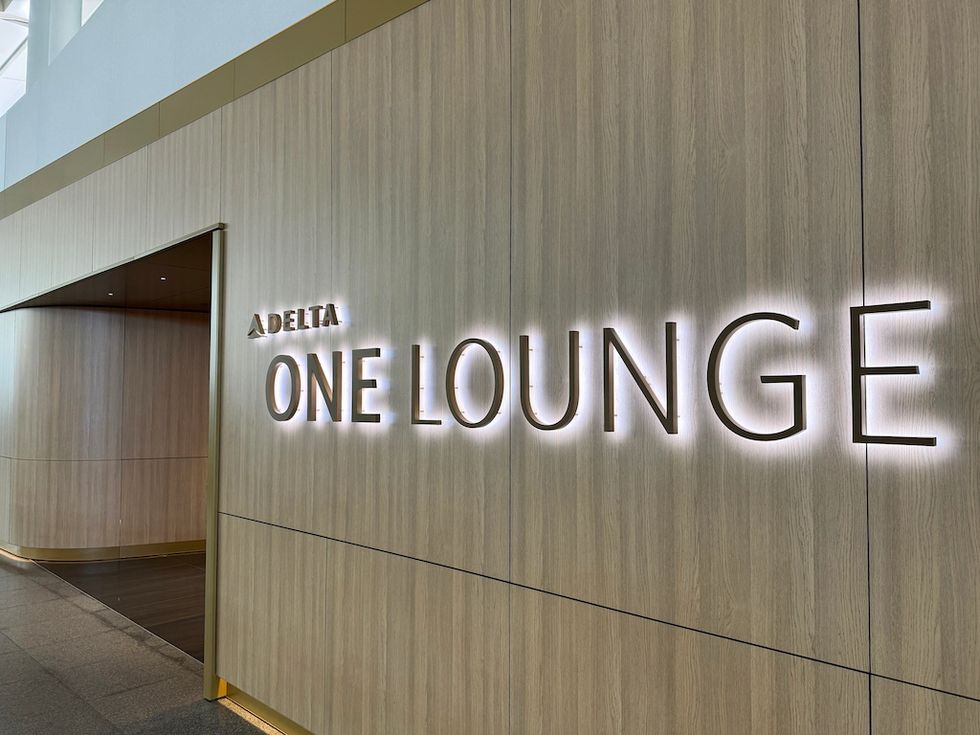 Delta offers premium experiences so that customers can have a more enjoyable experience, and many theme parks are following suitImage credit Roman Tiraspolsky - stock.adobe.com
Delta is seldom the cheapest ticket option you will find; however, the company is seeing the biggest profit margins from customers opting to purchase more premium-level tiers to have a more enjoyable travel experience.
In Q1 2026, the company reported that revenue from its premium-tier seats had risen 14% over the previous year, while revenue from main-cabin seating only rose 1%.
This was a long-term strategy because the company couldn’t just raise prices and charge for a premium experience without being able to deliver it.
So while addressing solutions to fix the traditional problems that come with an airline experience, the company also began to roll out new and improved experiences, such as Sky Clubs and the Delta One first-class seating suites.
But the premium experience wasn’t just something they could slap a price and label on. The company had to earn it.
The premium label needs to be earned
This is something that I think Six Flags struggled with greatly before the merger with Cedar Fair.
Around four years back, under the leadership of the past CEO, Selim Bassoul, the company decided that previous Six Flags management teams had been giving away the park experience with too many discounts and cheap season passes in an effort to pack in as many guests as possible and drive up attendance numbers to please Wall Street.
The idea was that while this was being done, the overall guest experience was suffering due to overcrowding, long lines, and higher dissatisfaction numbers.
Some of the more infamous comments from Selim on this issue included comparing the Six Flags parks to “cheap day care centers for teenagers” and a desire to transform the park experience to attract more “Target customers” instead of the “Walmart”-style customers that the previous strategic plans drew to the Six Flags parks by increasing their prices.
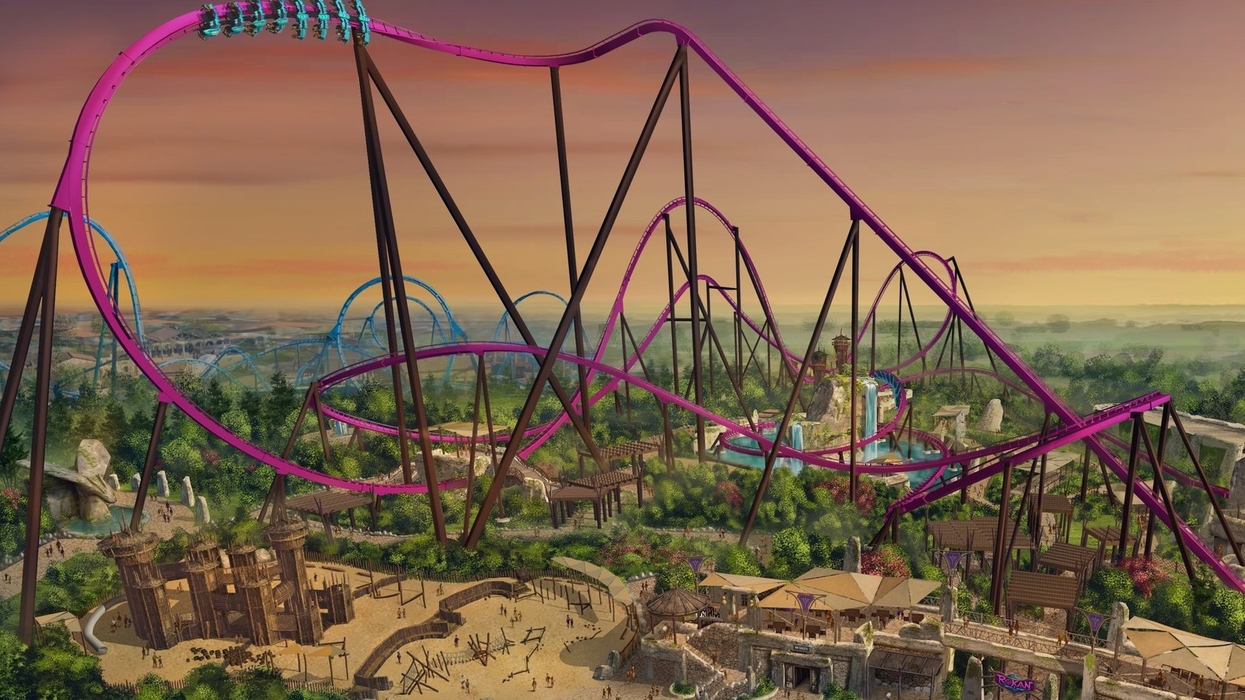
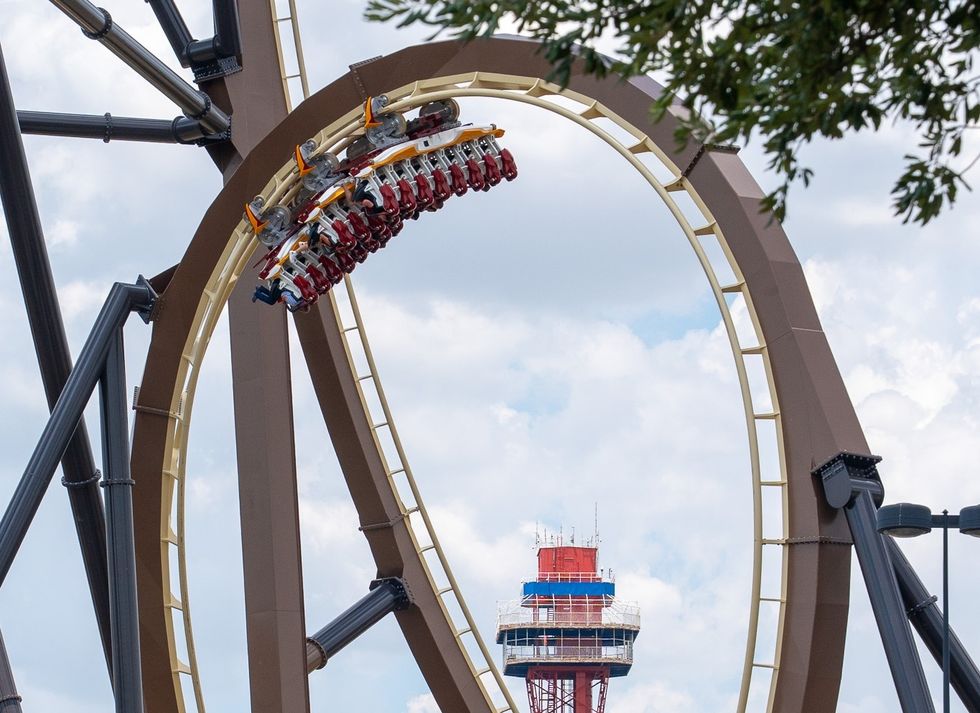 Six Flags Over Texas, home to the new Tormenta: Rampaging Run – the world's tallest, fastest and longest dive coaster Image courtesy of Six Flags
Crass comments aside, I do have to say that Selim wasn’t entirely wrong with some of his assessments. Six Flags was indeed in need of a quality makeover, and the idea of being able to increase prices and offer a more premium level experience to the guests was a worthwhile endeavor.
The problem is, unlike Delta Airlines, Six Flags did not try to fix the problems first to “earn” that new respect with an improved product.
Instead, the price increases came first, while it tried to figure out ways to make things better after the fact, while still stumbling here and there, and even making some things worse.
Sure, anyone can create a high-dollar skip-the-line pass to sell, but without designing the process to minimize the effect on the rest of the park guests’ experience, you may be creating a bigger problem than before.
It’s like charging $50 for premium parking close to the entrance, but does it really feel like premium if you haven’t fixed the potholes in the pavement?
Instead, some of these experiences can feel more like cheap money grabs than anything else, which is not going to leave a good impression on your guests at the end of the day.
What makes an experience premium?
So the big task is to find out exactly what kind of premium-level experiences an attraction can offer that will feel like enough of a perk and positive experience to command a premium price.
Experiences such as VIP tours that may include priority access to attractions, visits to behind-the-scenes exclusive areas, private lounges, exclusive dining options, or invitations to limited-capacity special events.
These are the kinds of premium experiences that can reshape how your guests engage with your parks going forward, all while generating increased revenue.
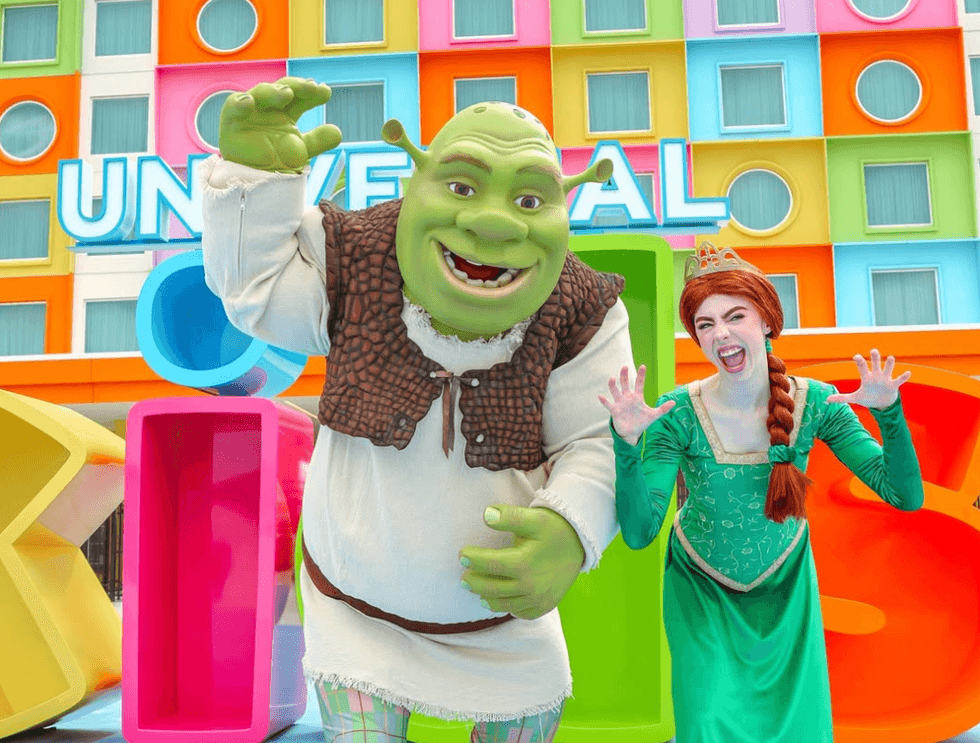 Premium experiences can include things like exclusive meet-and-greets with favourite characters Image courtesy of Universal
Once upon a time, the premium or VIP level experience was a rarity, something offered only to special invited guests, celebrities, friends of the corporate office, or the extra affluent who may be seeking a more private experience.
These were often not an option for the general public. Those days have long changed, as premium experiences are no longer a secret niche offering, but now an experience brought into the light and offered to anyone with the ability to pay for it.
In fact, the rising popularity of premium-level experiences also reflects a broader shift in overall consumer behavior.
Across hospitality, aviation and live entertainment, customers are increasingly willing to pay for convenience, comfort and time saved. Priority boarding, express security, premium seating and concierge services have become commonplace across multiple industries, so it only makes sense that theme parks are now following suit.
Today’s parks typically focus on four specific areas for these services:
VIP tours
Perhaps the oldest option, these services have been around for decades but were often never offered to the general public until more recently.
Today’s VIP experiences now often offer a choice of experiences, ranging from packages with front-of-line access to attractions, special reserved seating for shows, exclusive backstage tours, and even private character meet-and-greet sessions.
Skip-the-line passes
One of the biggest changes made to the industry business model in modern times has been the rise of skip-the-line passes.
It’s funny to think that when Disney pioneered the concept with the launch of the original Fast-Pass system, it was an entirely free perk available to all guests for years.
The idea was that any guest stuck standing in line for an attraction for an hour was not being given the chance to spend any extra money in the park.
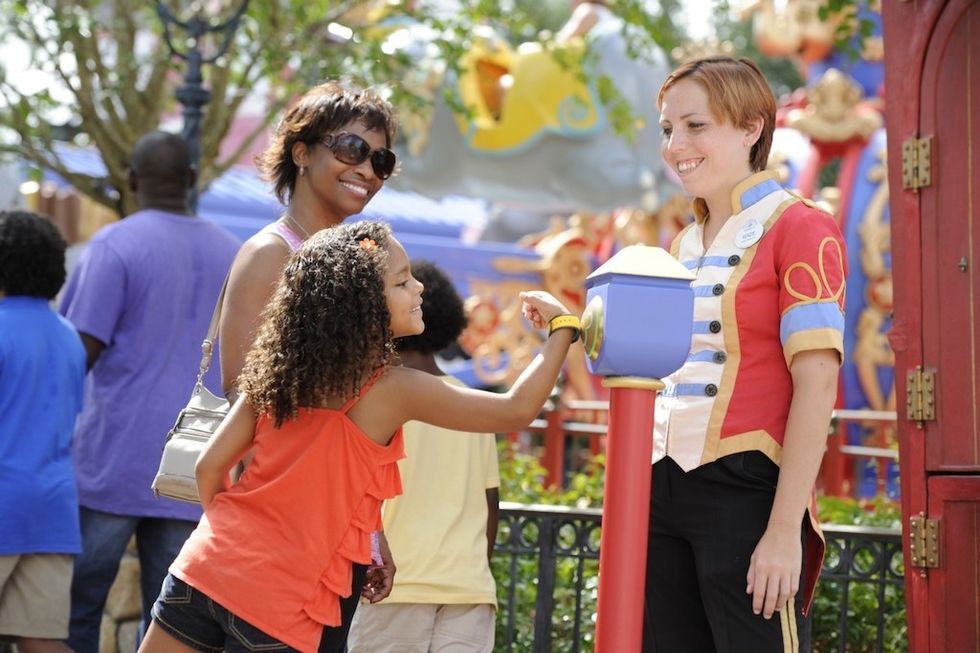 Disney uses Magic Bands to give FastPass access to guests, meaning they can skip the queue for a more premium experience Image courtesy of Disney
So the goal was to free guests from the physical constraints of standing in a line, allowing them to explore the park while waiting in a virtual queue instead, which increased the likelihood that guests would shop in nearby gift shops or grab a bite to eat at nearby restaurants while they waited for their turn to ride.
These days, these style passes are almost entirely sold as a premium-level pass experience through programs like TimeSaver, Fast Lane, Flash Pass, Universal Express or Disney Lightning Lanes.
Perhaps more than anything else, they have become responsible for some of the biggest revenue gains in theme park history, essentially creating an entirely new revenue source beyond traditional ones like food or merchandise.
For example, a data breach of some Disney records a few years ago revealed that between October 2021 and the end of Summer 2024, the launch of the Genie+ queue-reservation system had generated over $720 million in revenue for the company out of thin air.
VIP lounges
Exclusive lounges represent another rapidly expanding segment of premium experiences, with access either sold as part of an upgraded ticket package or as an incentive to purchase a higher-tier annual pass.
The concept seems directly inspired by the airline and travel industry.
Exclusive pre-flight access to member-only lounges and SkyClubs is granted either to those purchasing First Class seating or as a loyalty reward to frequent flyers or hotel reward members who have achieved a certain status with a given company or a particular travel reward credit card.
The idea is to create an exclusive, comfortable space away from the crowds that typically offers complimentary refreshments, food or snacks, private restrooms, and more.
While private theme park lounge spaces do exist, they are not quite as posh as the kind of lounges one might see at an airport or an upper-class business hotel.
Exclusive events
One of the newer premium experience concepts that has been on the rise is the idea of a park hosting an after-hours attendance-capped premium-style party or experience within the park.
Always on the cutting edge of these things, Disney has been a key player in offering this kind of experience for years now, as sort of a branch-off from Disney’s original Grad Night concepts, but for anyone willing to pay the ticket price.
If you aren’t familiar, Grad Night was a concept Disneyland originally came up with back in 1961 as an exclusive special-ticket after-hours party held within Disneyland for local graduating high-school seniors.
Over the years, it evolved to include special bands, DJs, and dance parties, and became something of a rite of passage for SoCal youth: an all-night teenage party within Disneyland that lasted until the sun came up.
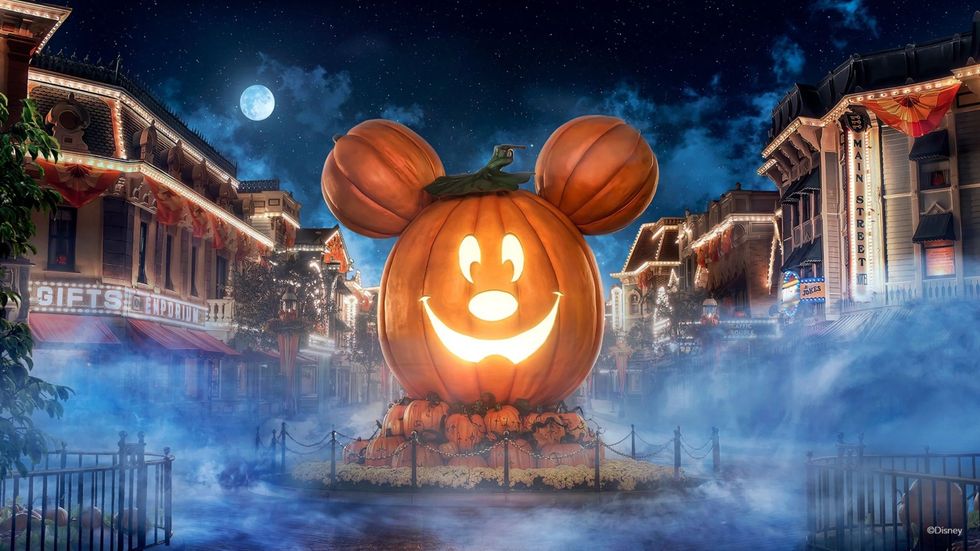 Halloween and festive events draw huge crowds and boost seasonal profits in the themed entertainment industry
The concept has since expanded to include several extra-ticket private-access party events in the parks after regular guests have left.
Popular examples are things like Mickey’s Very Merry Christmas Party at the Disney parks, Universal’s Halloween Horror Nights, Mickey’s Not-So-Scary Halloween Party, Oogie Boogie Bash, Knott’s Scary Farm, Universal Fan Fest Nights, Disney After-Hours, Coasters After Dark, Howl-O-Scream, Brick-Or-Treat, WinterFest, ChristmasTown, and the list goes on and on.
These days, it is almost unheard of for your local park not to be trying to host one or more of these kinds of events each season, offering better access to attractions due to limited attendance, often an assortment of free snacks, rare photo opportunities perfect for social media sharing, and often exclusive live entertainment performances.
An actual holiday is not necessary, as parks are now coming up with their own unique ideas for guests themed around music, faith, or even something as simple as the love of a good old-fashioned BBQ food festival.
The general concept can also work very well for a park, which goes back to Disney’s Grad Night concept.
It's a way to bring in a good bit of revenue during a time period when a park would normally be closed, either after hours or through the creation of winter off-season events in locations where parks traditionally operate only in the warmer half of the year.
Other opportunities
Looking ahead, there are other opportunities where I can see the concept evolving:
Personalized profiles
Through the use of modern digital technology, perhaps with the assistance of AI algorithms, and with the permission of each guest who would request this kind of treatment, what if a park or attraction generated a personalized profile of each guest's likes?
Based on building a profile of likes and dislikes, parks could create customized itineraries for members that could be offered upon return visits, based on dining preferences or experiences enjoyed, such as VIP fireworks viewing access, or a no-wait pass to take a fun night ride on a particular favorite roller coaster.
Using mobile or wearable devices, building such a profile of suggestions based on previous visitation habits would not be hard.
On a similar level, any favorite dining experiences, or known diet preferences or restrictions (like food allergies) can also be noted and acted upon by a sort of digital concierge service experience.
Behind-the-scenes access/fans first service
Basic attraction access or tours will not cover the needs of your attraction’s biggest fans. It may not be enough for some to simply watch the dolphins or the latest Cirque-style show; what these super-fans really desire may be the opportunity for a backstage visit to see the venue or cast members.
This has been a growing trend in the traveling entertainment industry for a while, with many shows offering a limited number of VIP access tickets sold at a premium price.
 Audiences seek experiences that deliver deep emotional engagement and leave them feeling transformed - and getting to go behind the scenes could elevate it into a more premium experience Image courtesy of Cirque du Soleil
These tickets offer everything from special lounge access before the show, premium viewing areas, and even a backstage meet-and-greet photo op with the artist, including a short interaction or a chance for an autograph.
You’ll find these kinds of offers with many music concerts, stand-up comedians, or professional wrestling shows.
A rising star in this area has been the Savanna Bananas, who have a fan-first core philosophy for their events that prioritizes the entertainment concept first, and diving deep into the understanding of what their fans want to see offered and take place at any given performance in order to stand out and offer a premium-level experience unlike any other.
The raw concept is to offer a unique experience that your guests will remember for a lifetime.
Premium dining experiences
Over the years, I’ve mentioned how food is an often-overlooked concept, but when done right, it can become a key part of a guest experience.
For your general guests, it is always important to feature special food offerings that they can’t find anywhere else, such as Universal’s Butterbeer.
For guests craving a premium experience, I think we should see experiences brought to life inspired by concepts like Chef’s Table experiences, themed dining experiences, or even more immersive theatrical-style dining experiences where the location can be just as important as the food served.
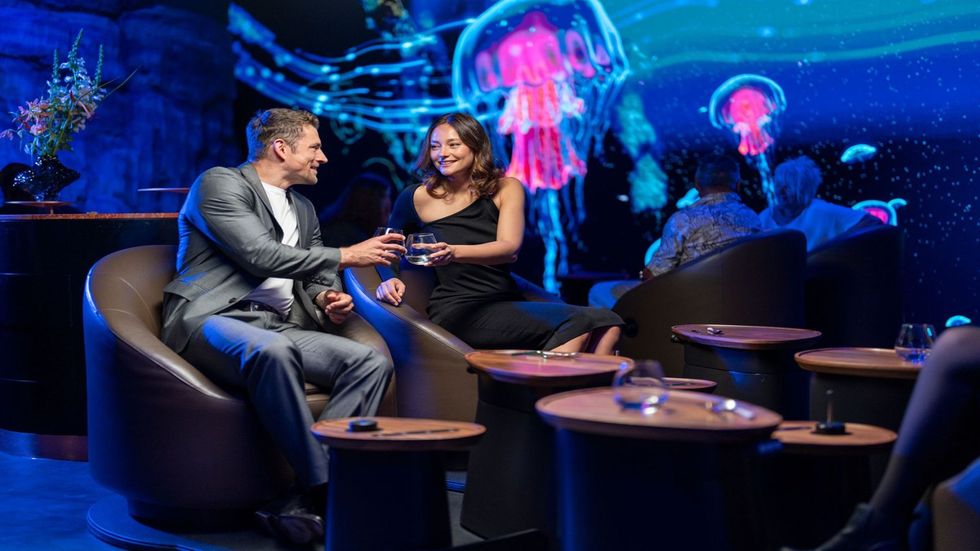 Europa-Park's multi-sensory fine-dining restaurant Eatrenalin has been awarded its first Michelin star Image courtesy of Europa-Park
For example, many high-level credit card brands have begun to offer special one-night-only exclusive dining experience offers.
These are typically offered to higher-tier and membership-level credit card customers, such as the Chase Sapphire Private Dining or Mastercard Priceless-style events that feature an intimate multi-course dining experience and wine pairing with well-renowned guest chefs in major cities.
Europa-Park in Germany has taken this concept to the next level with the creation of the Michelin Star-awarded Eatrenalin experience.
Here, each guest is seated in their own private chair that is actually a trackless ride vehicle, and taken on a multi-room experience through different themed environments where they experience a chef-curated multi-course dining experience like no other.
Don't neglect the rest of the guests
In the end, the economics of offering premium-tier perks and experiences becomes too attractive to avoid.
In most cases, the infrastructure or on-site talent required to offer such an experience is already in place, so a new premium experience product can often generate a substantial profit margin with minimal cost risk.
The biggest risk, however, may come if something is implemented into the park experience in a way that alienates your regular guests into feeling that they’ve been sorted into the lesser half of a tier-tier guest experience.
Your regular guests who have not purchased any of the extra offers and premium tier experiences still need to feel like they are not only valued guests, but that the price they paid for their experience is still good value.
For example, Disney has spent a lot of time and effort to redesign the attraction queue experiences around the “merge point”, where the regular guest queue merges with those who paid extra to skip the line.
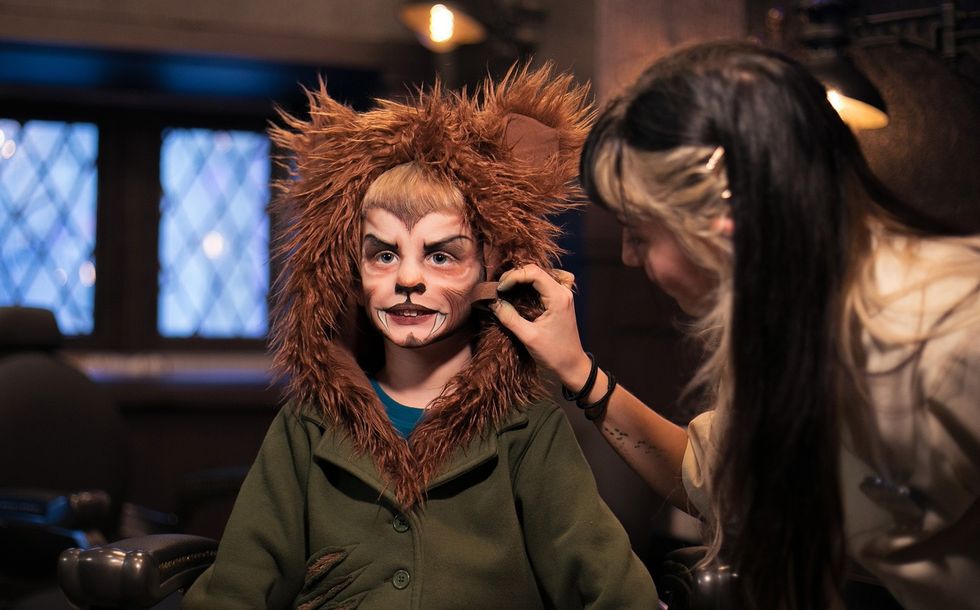 The monster make-up experience at Epic Universe adds a extra experience for fans of Universal's classic horror IPs Image courtesy of Universal
This is perhaps one of the biggest pain points in the concept, and Disney has become an expert at minimizing conflicts here.
In the old days of FastPass, the two queues would often run side-by-side, with regular standby guests having a full view of those with FastPasses speeding past them as if they were cutting in line ahead of them, which did lead to a number of guest conflicts at the time.
Modern design now typically agrees that it is best to keep the two queues completely out of sight of each other until the final point of merger.
As the industry continues to innovate new and different premium experience concepts as part of future business strategy, there is a responsibility to keep the experiences offered to everyone in balance.
The next generation of premium experiences will likely be less focused on simply skipping the line, and more involved with the idea of delivering a more unique and personalized experience.
I’d love to see a deeper layer of storytelling added, along with an increased level of hospitality, to offer guests an experience they simply will not find anywhere else.