From the OMSI Icebreaker, sponsored by Event Network, to Zoo Day under the Together for Wildlife banner, the AZA Annual Conference 2026 in Portland, Oregon, delivered a packed agenda of sessions, committee meetings, and networking events.
Delegates also had the chance to extend their trip into the broader Pacific Northwest for all-access behind-the-scenes tours and animal encounters, travelling either to the Oregon Coast Aquarium or north for a joint excursion to Northwest Trek Wildlife Park and Point Defiance Zoo & Aquarium.
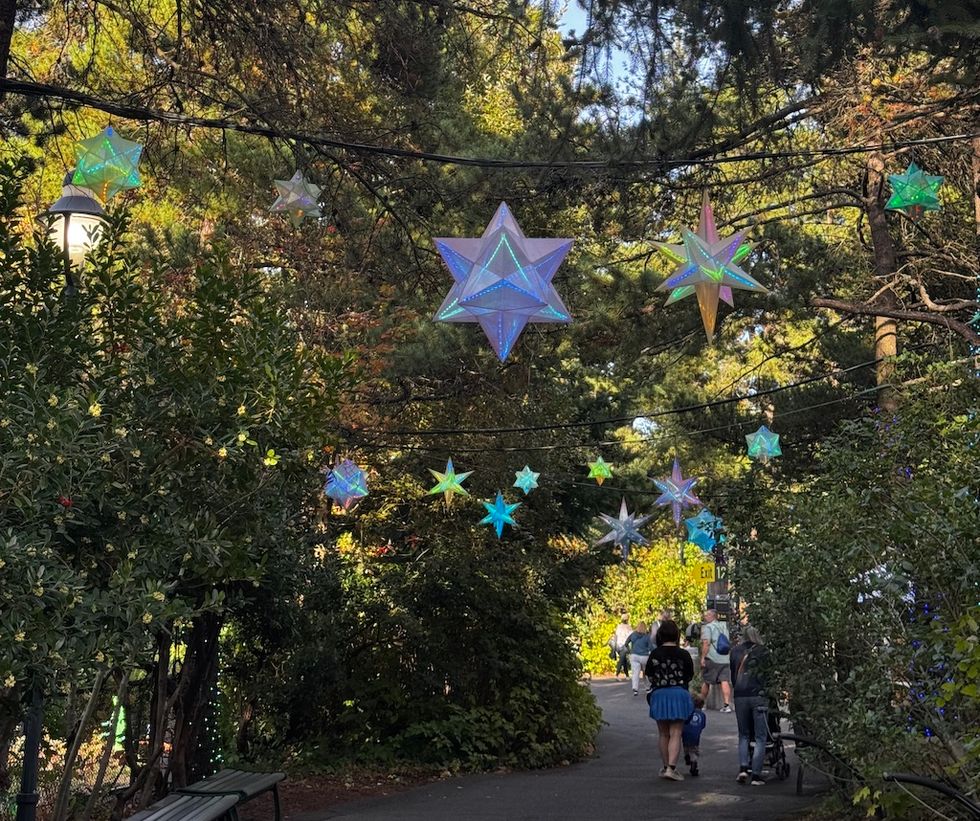
Attendees could explore host institution Oregon Zoo
Attendees were welcomed on the first day with a uniquely local, high-energy welcome from Portland drag legend Poison Waters and Friends.
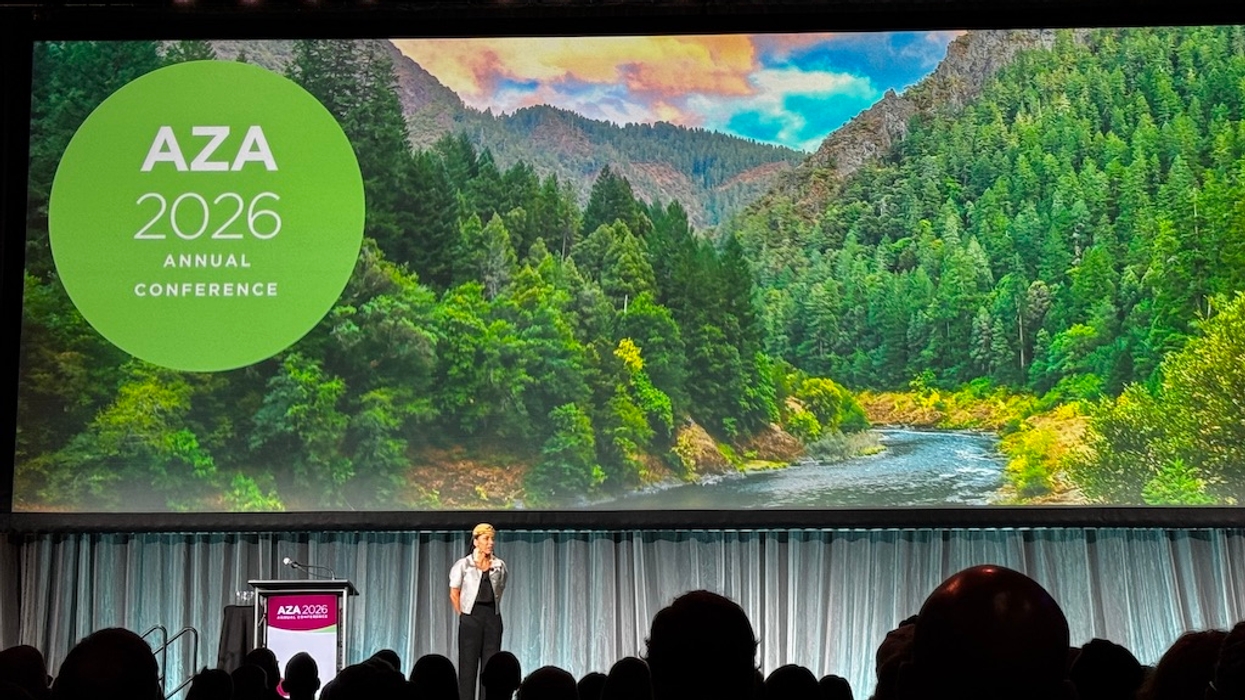
Opening the General Sessions, AZA president and CEO Dan Ashe then set a candid tone for the conference, laying out the scale of global biodiversity loss while urging members to sharpen their strategic focus.
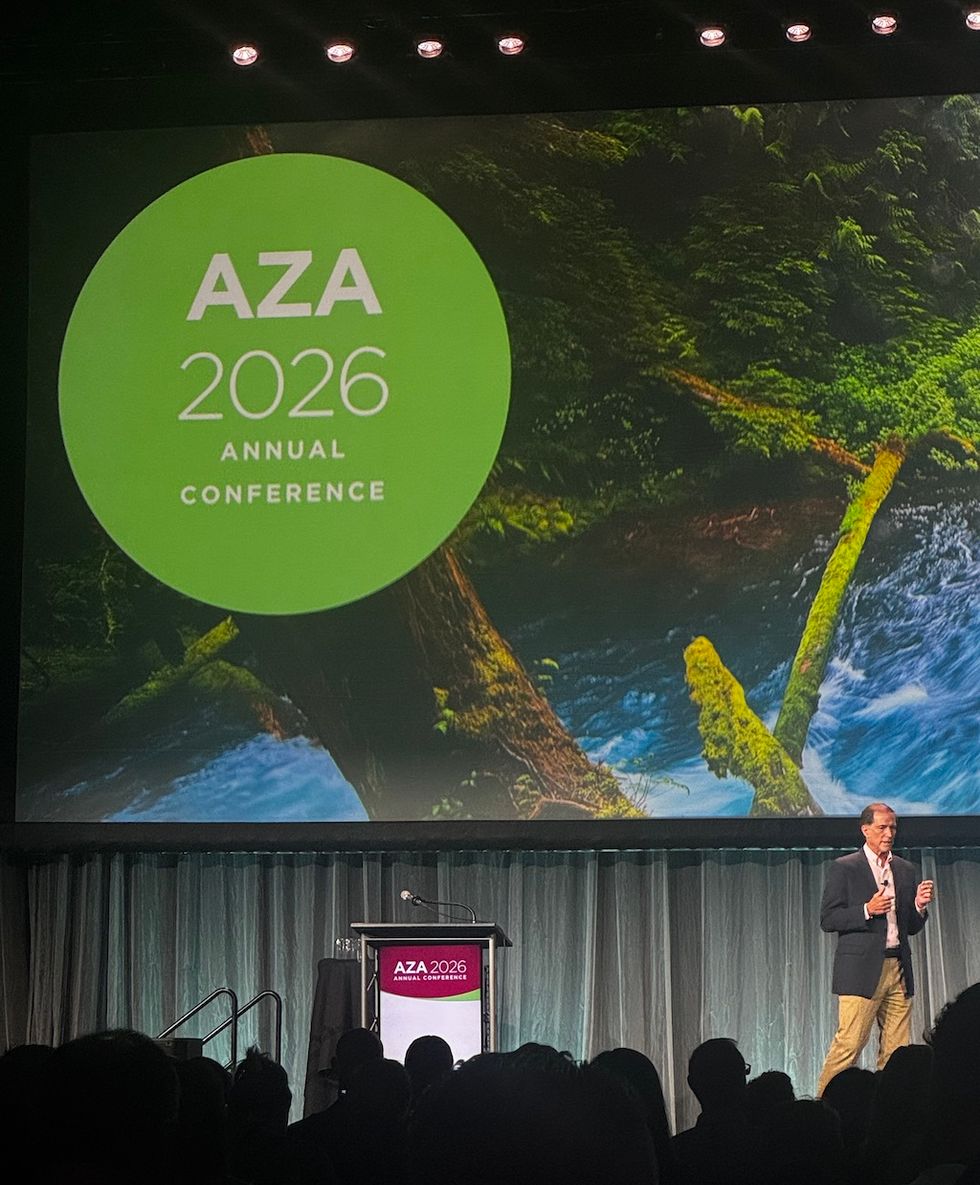
Dan Ashe delivering opening remarks at the AZA Annual Conference 2026
Highlighting that freshwater species competing with human development have declined by 85% since 1970, Ashe reminded the audience that rising human populations will make conservation increasingly tough, noting that "our prosperity comes at a cost to the other millions of species with which we share this planet.”
Despite the intense challenges the industry faces, Ashe expressed confidence in the field’s unique influence:
"I do see reasons for hope, especially looking out at this audience. The zoo and aquarium community is ascendant, representing true power and public trust - nobody is better positioned than you to hold it."
Following Ashe, Amy Bowers Cordalis, executive director of the Ridges to Riffles Indigenous Conservation Group and Yurok Nation member, delivered a keynote centred on Indigenous sovereignty, water protection, and the un-damming of the Klamath River.
Addressing the sense of burnout felt across environmental sectors, Cordalis shared a message of recovery:
"I know many people feel the world is too sick and too far out of balance. But on the Klamath, the river and all life it supports are remembering how to be in balance. We can heal nature, and when we work with nature, it works with us."
She emphasised that ecological restoration on the Klamath has proven economically viable as salmon populations return, calling on accredited facilities to treat ecosystem restoration as a central, strategic business priority rather than a side project.
The AZA Annual Conference took place in Oregon from 26 September to 1 October 2026
During the Honors and Awards ceremony, incoming AZA board chair Dwight Scott spoke to attendees about the importance of staying grounded.
Scott reflected on how holding fast to accredited institutions' core mission and values has given him stability and confidence during unpredictable times, and he encouraged delegates to lead their teams with that same clarity.
AI strategy, practical guardrails, and operational sustainability
Artificial intelligence was a major talking point, with several sessions exploring how technology fits into daily operations, guest engagement, and ethics.
In a dedicated panel hosted by SSA Group, COO Travis Kight and EVP of AI strategy Jason Stover joined leaders from Woodland Park Zoo, Santa Barbara Zoo, and Cincinnati Zoo & Botanical Garden to discuss setting pragmatic AI guardrails.
Kight advised leaders to evaluate tech adoption carefully by asking, "Where do you lean in, where do you pause, and where do you lean out?"
He emphasised the importance of involving frontline staff early to alleviate concerns over changing job roles, using simple grounding questions like "Is it true? And are you sure?"
See also: SSA Group: using AI to protect, not replace, human hospitality
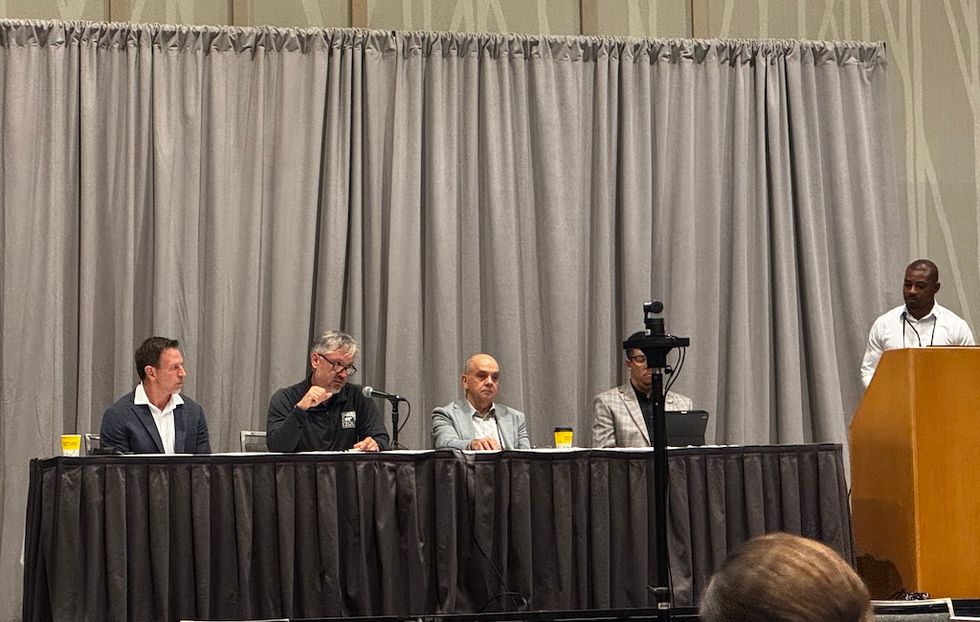
SSA Group hosted a panel on AI at the AZA Annual Conference 2026
The panel stressed that protecting public trust means keeping humans firmly in the loop.
Santa Barbara Zoo CEO Charles Hopper stressed the need for human verification of AI outputs, while Woodland Park Zoo president Dr Alejandro Grajal noted that his team explicitly flags when AI tools support decision-making.
Grajal also pointed to AI's transformative potential in field research, where automated image processing helps sort tens of thousands of camera-trap photos of wolverines in the North Cascades, shifting research from "a science of scarcity to a science of action."
Addressing technology's environmental footprint, Cincinnati Zoo COO Mark Fisher offered a candid critique of operational sustainability across the sector.
Fisher argued that very few zoos and aquariums are genuinely "all in" on conserving resources within their own physical footprints, pointing out that their heavy utility consumption drives their carbon output more than almost anything else.
He explained how Cincinnati Zoo uses AI to cut through complex data from hundreds of utility meters, flagging leaks and inefficiencies so facility teams can fix problems immediately.
Fisher expressed hope that the industry's focus on AI ethics might spur zoos to take internal resource conservation far more seriously.
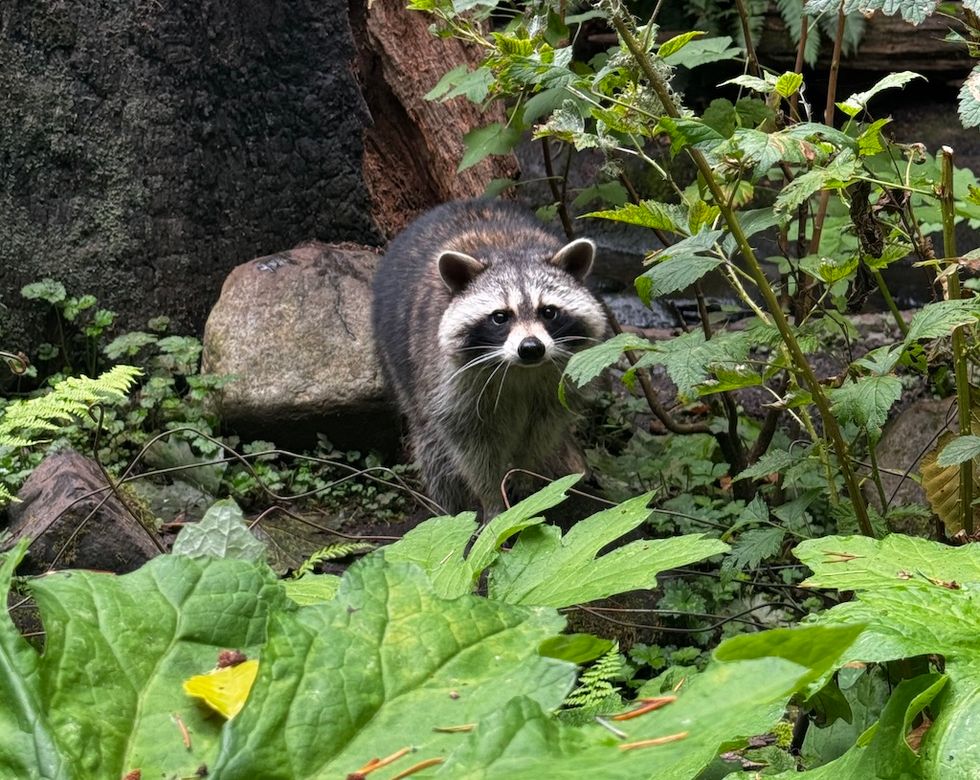
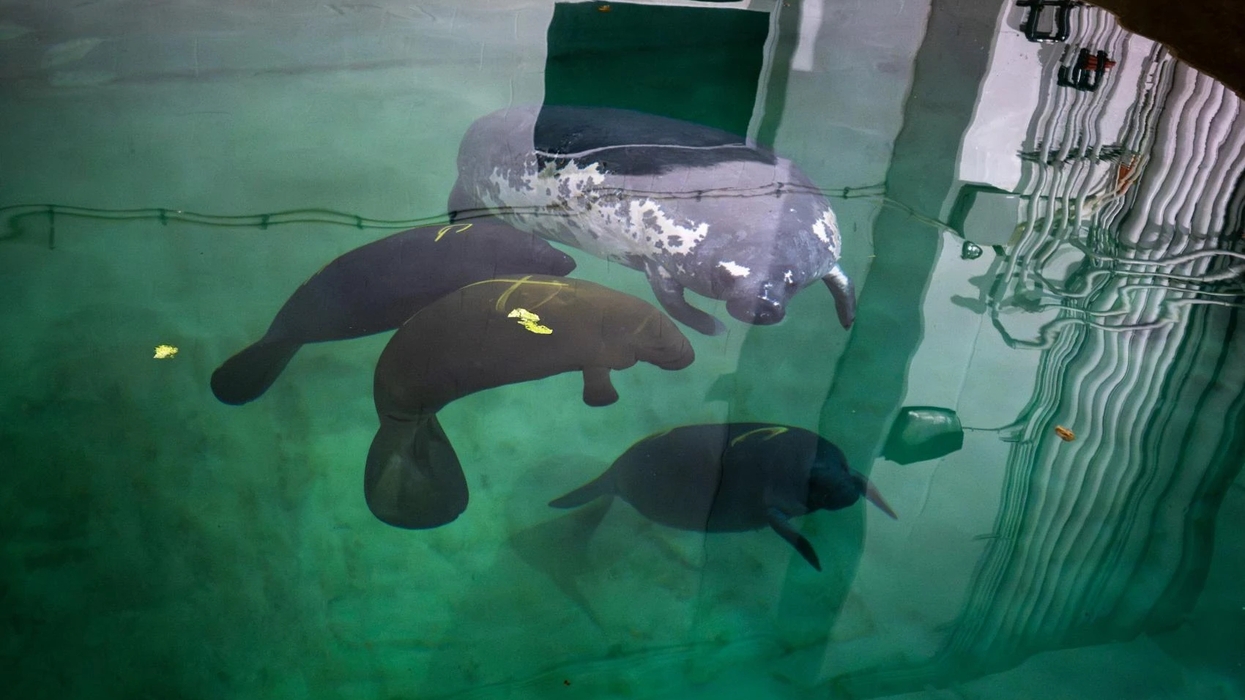
One of the residents at host institution Oregon Zoo
Also speaking on AI's impact on the zoo and aquarium sector, accesso’s Susan Nguyen chaired Entering the AI Era, exploring how robust data infrastructure and machine learning can streamline guest management and operational logistics.
In a session on marine debris, Intuitive AI joined the Aquarium Conservation Partnership and regional aquariums to demonstrate how smart technologies can engage the public directly in pollution-reduction campaigns.
Inclusive design, accessibility, and the guest experience
Accessibility and inclusive guest experiences were key themes throughout the programme.
At AZA Live, Event Network highlighted its product-development partnership with KultureCity, showcasing retail merchandise designed specifically for guests with sensory needs and invisible disabilities.
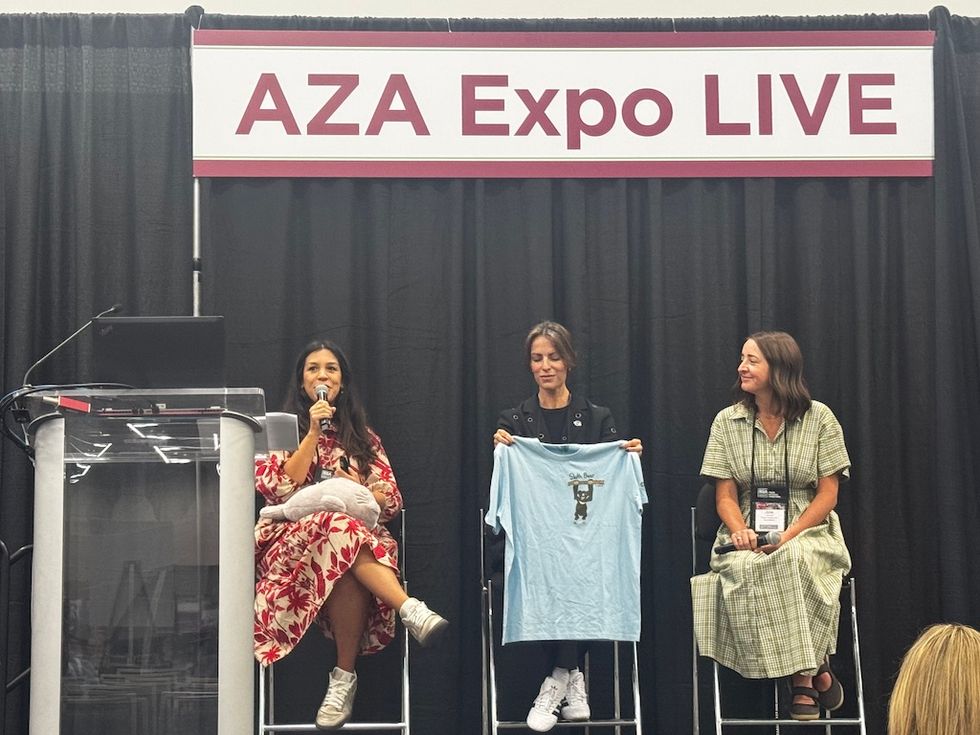
Event Network talking accessible retail at the AZA Annual Conference
Capturing the philosophy behind the collaboration, Event Network's Tiffany Davis noted that "accessibility gets the guest through the doors, but inclusion makes them feel they belong."
In Bang, Whoosh, Roooaarrrr!, Grayson Ponti from Zoos and Aquariums for a Neurodiverse Ecosystem (ZANE) joined Dr Joe Heimlich of COSI to examine how auditory environments affect learning and guest comfort.
Ponti walked delegates through the 7 Principles of Universal Design, covering equitable use, flexibility, simple layout, perceptible information, error tolerance, low cognitive effort, and spatial approach, to show how zoos can design acoustic environments that welcome neurodivergent visitors without causing sensory fatigue.
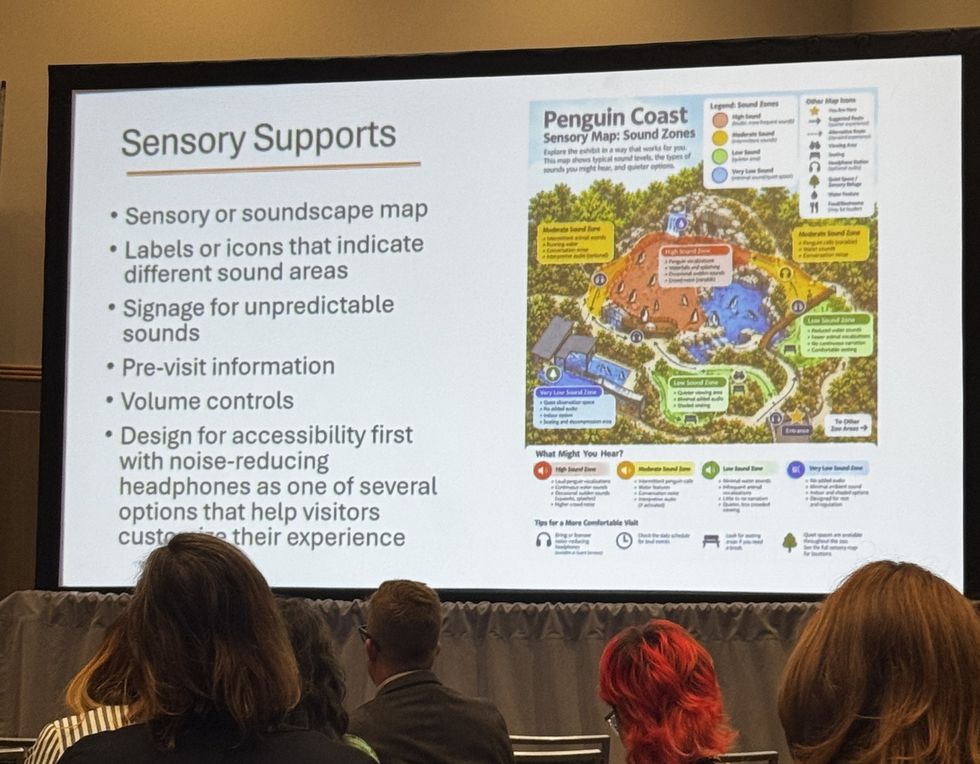
One session at AZA 2026 looked at how zoos and aquariums can better welcome neurodivergent guests
Taking a closer look at visitor economics, Emily Howard of PGAV Destinations teamed up with leaders from The Florida Aquarium and Georgia Aquarium in To Visit, or Not to Visit.
The session examined post-pandemic visitor motivations and how to balance ticket value with unique offerings to maintain long-term guest loyalty.
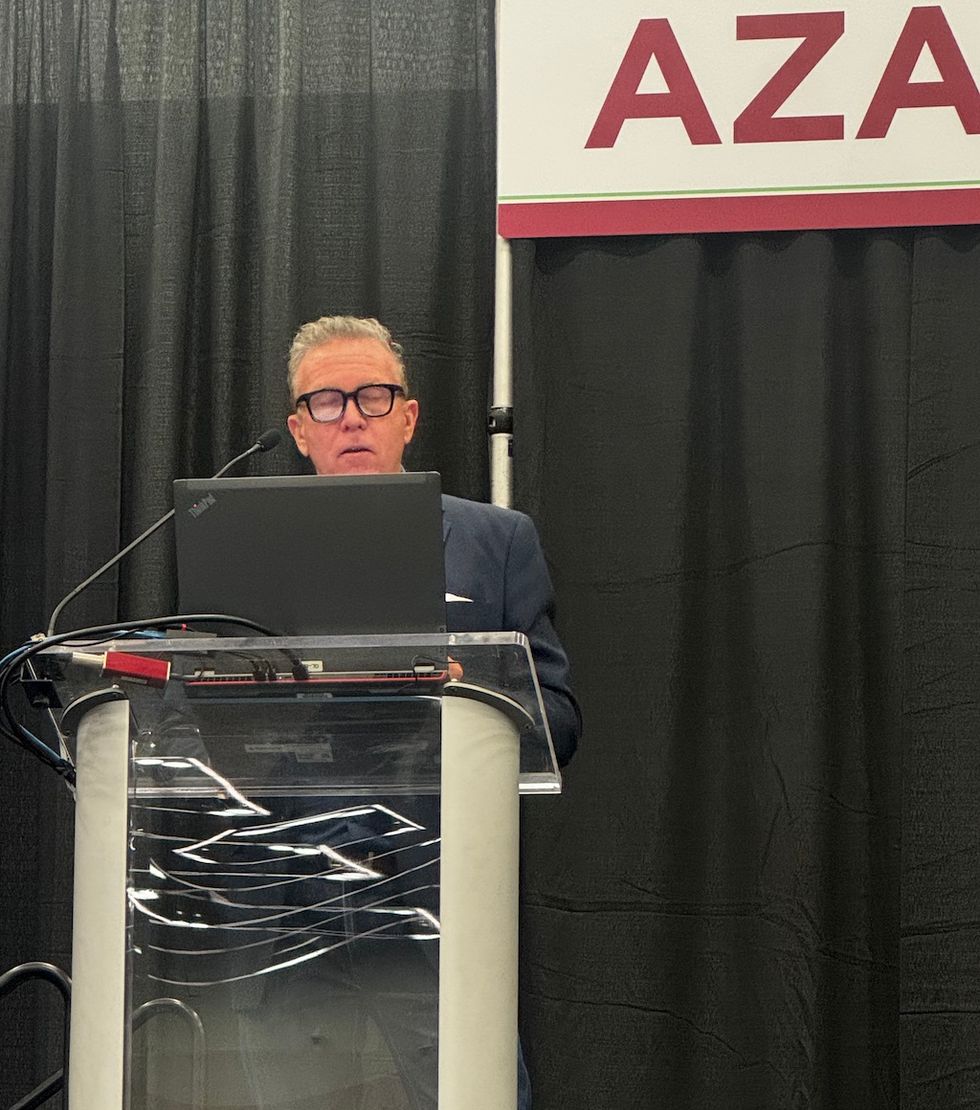
Immotion's Rod Findley speaking at AZA 2026
In another session at AZA Live, Rod Findley of Immotion presented research on how VR and immersive tech affect guests' connections to wildlife.
Findley noted that immersive tech works best when it follows four rules: it must serve the mission, complement rather than replace live animal viewing, maintain exceptionally high visual quality, and match the host site's specific species and conservation goals.
See also: Immotion: where VR entertainment meets conservation education
Leadership, design lifecycles, and future projects
Communication strategies for industry leaders took centre stage in Elevating Leadership: Strategies for Visibility, Voice, and Influence.
blooloop’s Ruth Read joined Kelsey Ryan from Brookfield Zoo Chicago, alongside Ken Peterson from Monterey Bay Aquarium, Shedd Aquarium’s Johnny Ford, and Denise Wilson from The Florida Aquarium, to explore how executive communications can build public trust and position zoo directors as authoritative conservation voices.
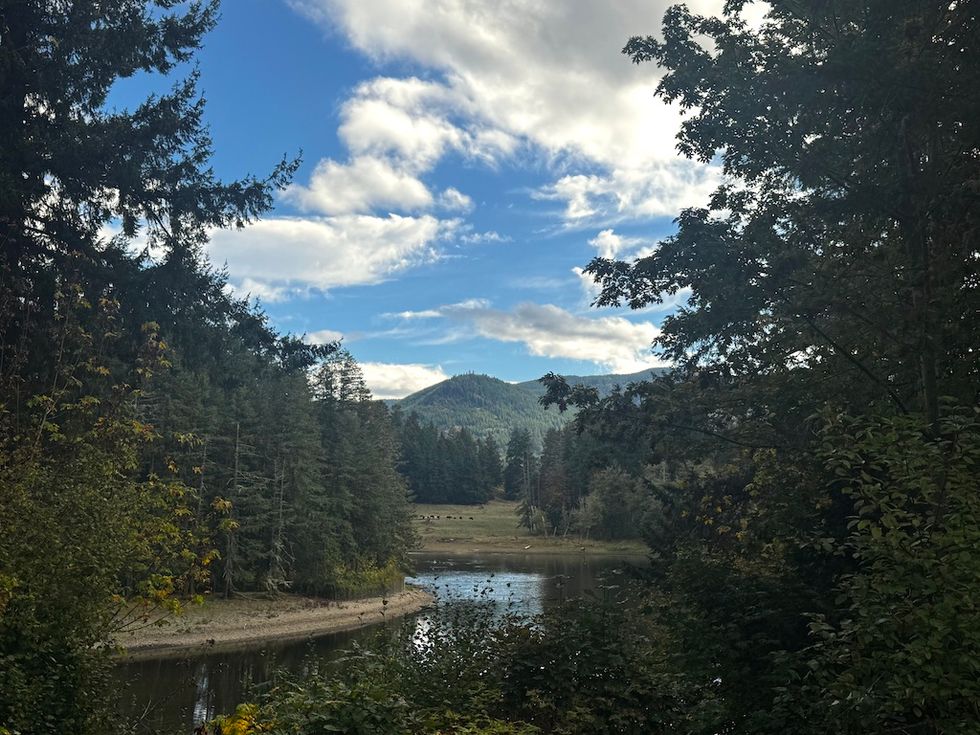
AZA Annual Conference attendees could also take part in a joint excursion to Northwest Trek Wildlife Park and Point Defiance Zoo & Aquarium
Design craftsmanship, habitat longevity, and future developments were heavily featured across several well-attended panels:
- Tom Marschner from PGAV Destinations and Greg Marks of Nassal spoke in Specialized Features That Bring Zoos and Aquariums to Life, diving into the intricate fabrication, rockwork, thematic detailing, and specialised features that turn complex habitat concepts into believable, durable environments.
- In On the Boards, design teams and institutional partners from PGAV Destinations, TESSERE, Zoo Atlanta, Shedd Aquarium, Potter Park Zoo, and Oregon Zoo shared early concept designs for upcoming animal habitats.
- Sarah Hezel of Shedd Aquarium led What’s New in Exhibit Design, featuring contributions from PGAV, Tessere, Kansas City Zoo & Aquarium, SeaWorld Abu Dhabi, and Santa Ana Zoo, comparing massive new developments with agile, high-impact small interventions.
- In Design is a Hypothesis. Evaluation is the Test, Jonathan Stechschulte of PGAV Destinations worked alongside representatives from Cheyenne Mountain Zoo and Columbus Zoo to make the case for ongoing post-occupancy evaluation, ensuring habitats perform as intended for both animals and staff over time.
10 years of ECHO: TESSERE’s Curiosity Hub
Beyond the session halls, TESSERE hosted one of the week's standout social highlights at its Curiosity Hub, welcoming over 100 friends and colleagues for candid conversations, deeper networking, and a major milestone: celebrating 10 years of ECHO.
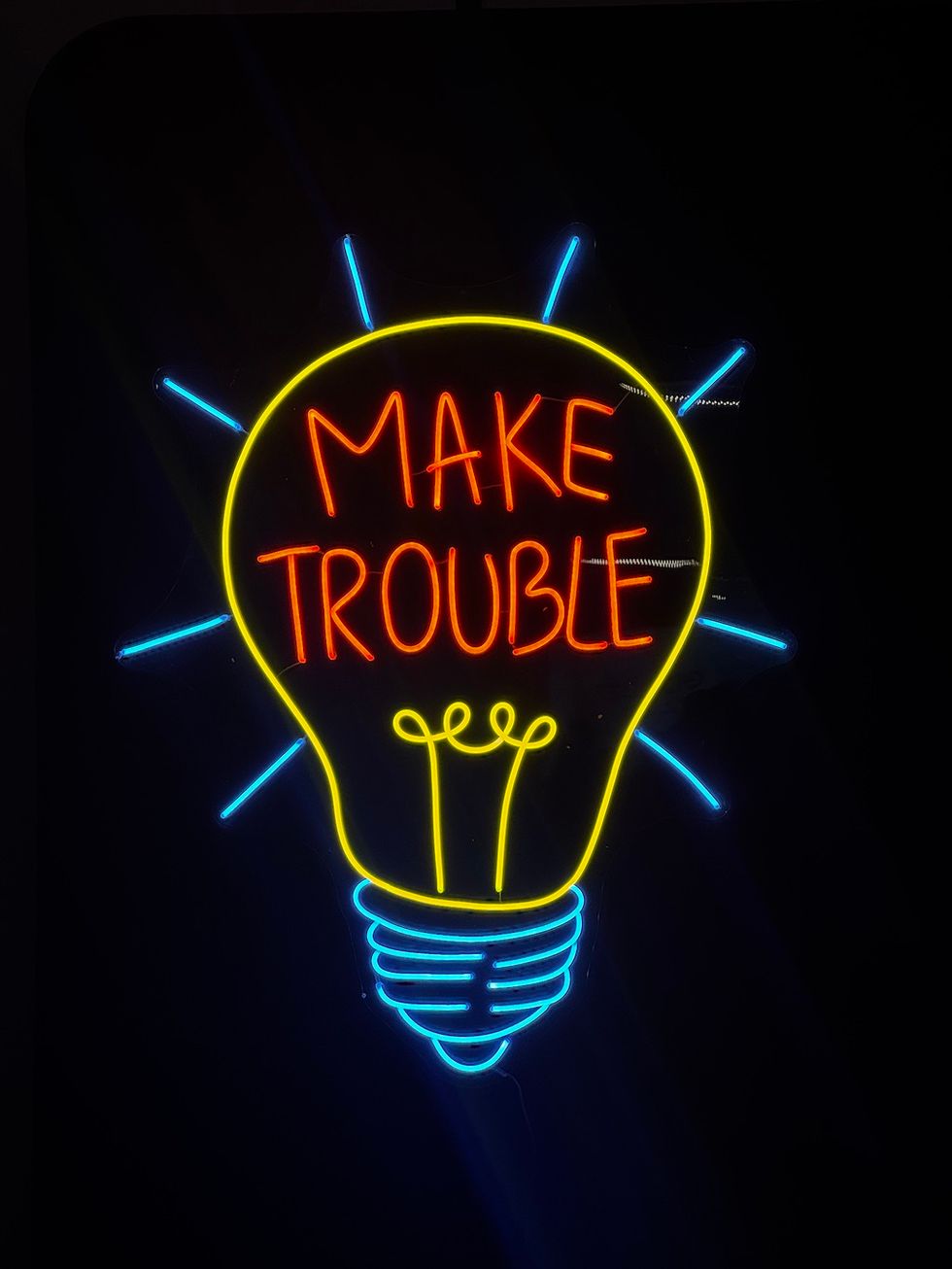
TESSERE announced its 2026 Professional Toublemakers during the AZA conference
For a decade, ECHO has provided an informal space for zoo and aquarium professionals to ask tough questions and challenge traditional industry thinking.
The gathering also served as the backdrop for TESSERE to officially crown its two 2026 "Professional Troublemakers" - peer-nominated leaders recognised for their curiosity, courage, collaboration, and impact:
- Professional Troublemaker of the Year: Dr Hayley Murphy (president & CEO of Detroit Zoological Society), recognised for her courageous, empathetic leadership, founding the Great Ape Heart Project, and driving a collaborative, conservation-focused future.
- Emerging Professional Troublemaker of the Year: Jasmine Williams (community collaboration manager at Point Defiance Zoo & Aquarium and Northwest Trek Wildlife Park), honoured for her leadership in advancing equity, access, and community collaboration through her role on the AZA Diversity Committee and her work creating pathways for belonging.
Looking ahead
Throughout the week in Portland, discussions consistently returned to a core premise: building long-term public trust requires moving beyond general awareness toward transparent, measurable action.
Whether addressing operational carbon footprints, integrating new technologies with proper guardrails, or designing spaces where every visitor feels included, AZA 2026 showed a sector actively adapting to meet the future head-on.